

End and entry arrangement端头与接入形式
Two fine leads connect LC- and SC-form ends. Coordinate direction, identification and length across the paired channels.两路细线分别接入LC与SC形式端头,成对通道的方向、编号与长度需要同步安排。
Two fine leads connect LC- and SC-form ends. Coordinate direction, identification and length across the paired channels.两路细线分别接入LC与SC形式端头,成对通道的方向、编号与长度需要同步安排。
Review this connection form through its ends, trunk and entry positions. Define optical interfaces, channel mapping and routing dimensions from project documents.从端头、主干和接入位置理解这一连接形式,光接口、通道对应与布线尺寸按项目资料确认。
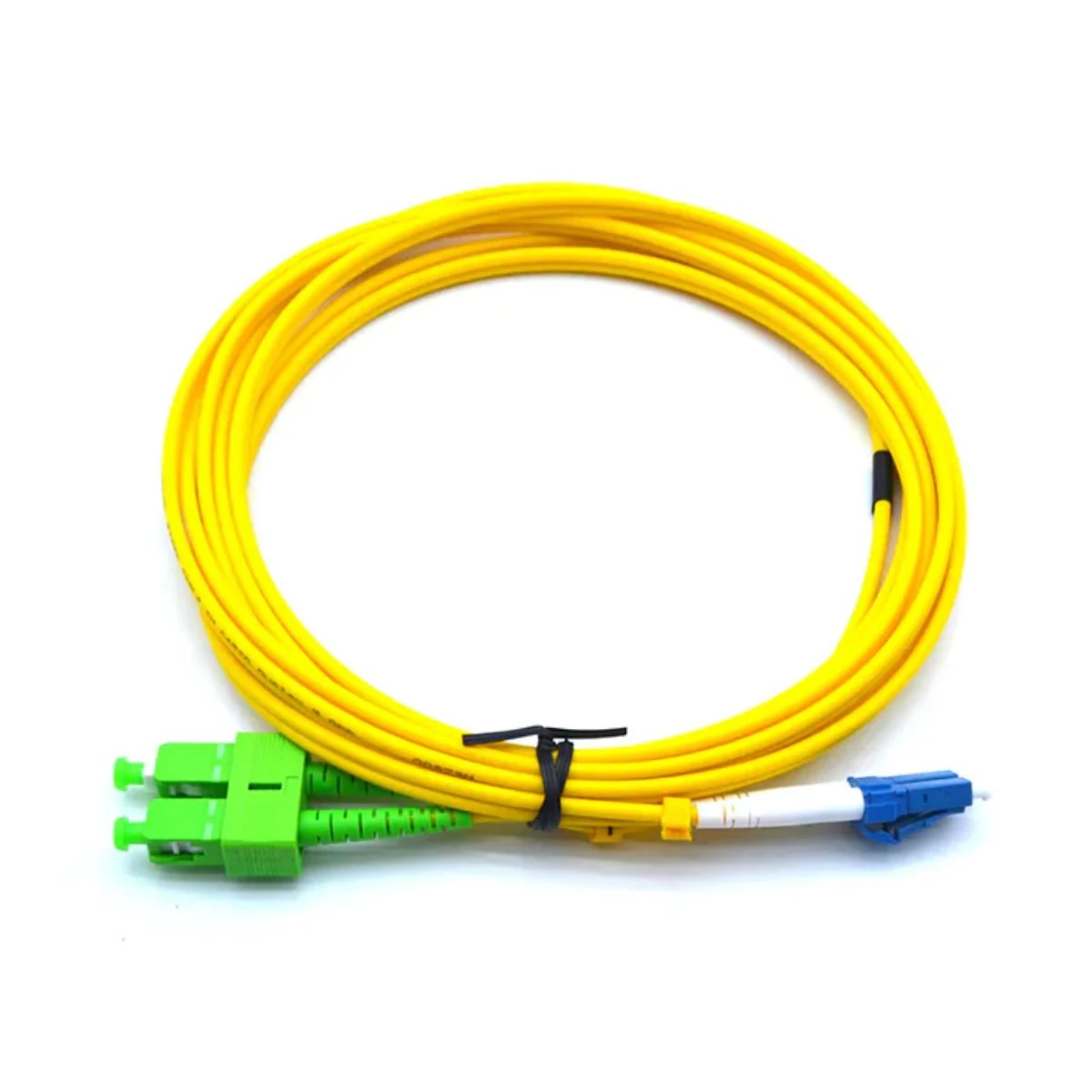
Two fine leads connect LC- and SC-form ends. Coordinate direction, identification and length across the paired channels.两路细线分别接入LC与SC形式端头,成对通道的方向、编号与长度需要同步安排。
Use one connection map for end-port IDs and channel correspondence. Identify breakout ends by destination for installation and service checks.两端端口编号与通道对应使用同一份连接表;分支端头另按去向标识,方便安装和检修核对。
Set overall length and end allowance from equipment spacing, connector direction and the selected cable bending requirements. Place supports clear of connector boots.以设备间距、接头朝向和所选线缆的弯曲要求安排总长与端部余量,固定位置避开接头尾套。
The table describes the construction and available configuration choices. Materials, dimensions, circuits and inspection requirements are agreed for each project.以下说明展示结构与可配置内容。具体材料、尺寸、电路和检验要求按项目确认。
| Optical interfaces at both ends两端光接口 | Record each connector series, mating part and end-face form. Similar interface names do not replace complete part numbers and distribution-port documents.分别记录两端接头系列、对插件与端面形式;接口名称相近不能替代完整型号和配线端口资料。 |
|---|---|
| Fiber type and channel count光纤类型与通道数量 | Confirm single-mode or multimode construction, fiber specification and channel count from the optical modules and cabling plan. Display colors do not establish fiber type.按设备光模块与布线方案确认单模或多模、纤芯规格及实际通道数;展示颜色不能作为纤型依据。 |
| Channel mapping and polarity通道对应与极性 | Define the position and transmit/receive relationship at both ends of every fiber. Include polarity or breakout maps for multifiber and branched assemblies.定义每根光纤两端的位置及收发对应。多芯与分支组件另附极性或分支映射图,避免按外形默认接续顺序。 |
| Length and breakout datums长度与分支基准 | Define measurement points, tolerances and identification positions for the overall cable, fine tails or individual branches. Allow enough length for equipment mating and removal.明确总长、端部细尾段或各支路的测量起止点、公差及标识位置,并保留设备插拔所需余量。 |
| Jacket and routing limits外护套与布线限制 | Select the jacket and protection around location, diameter, installation bends and pulling limits. Supply separate evidence for any halogen-free or flame-performance requirement.结合室内外位置、外径、安装弯曲和拉力要求选择护套与保护结构;无卤、阻燃等材料要求单独提供文件依据。 |
| End-face and optical acceptance端面与光学验收条件 | Agree end-face cleanliness, channel checks and any required optical test conditions, limits and reporting responsibility at project start for the selected interface and cable configuration.在项目开始时约定端面清洁、通道核对及所需光学测试条件、限值和报告责任,并对应所选接口与光缆配置。 |
The following directions cover equipment connections and distribution routes. Define optical interfaces, channels and optical acceptance from the specific system documents.以下连接方向围绕设备与配线路径展开。所选光接口、通道及光学验收要求以具体系统资料为依据。
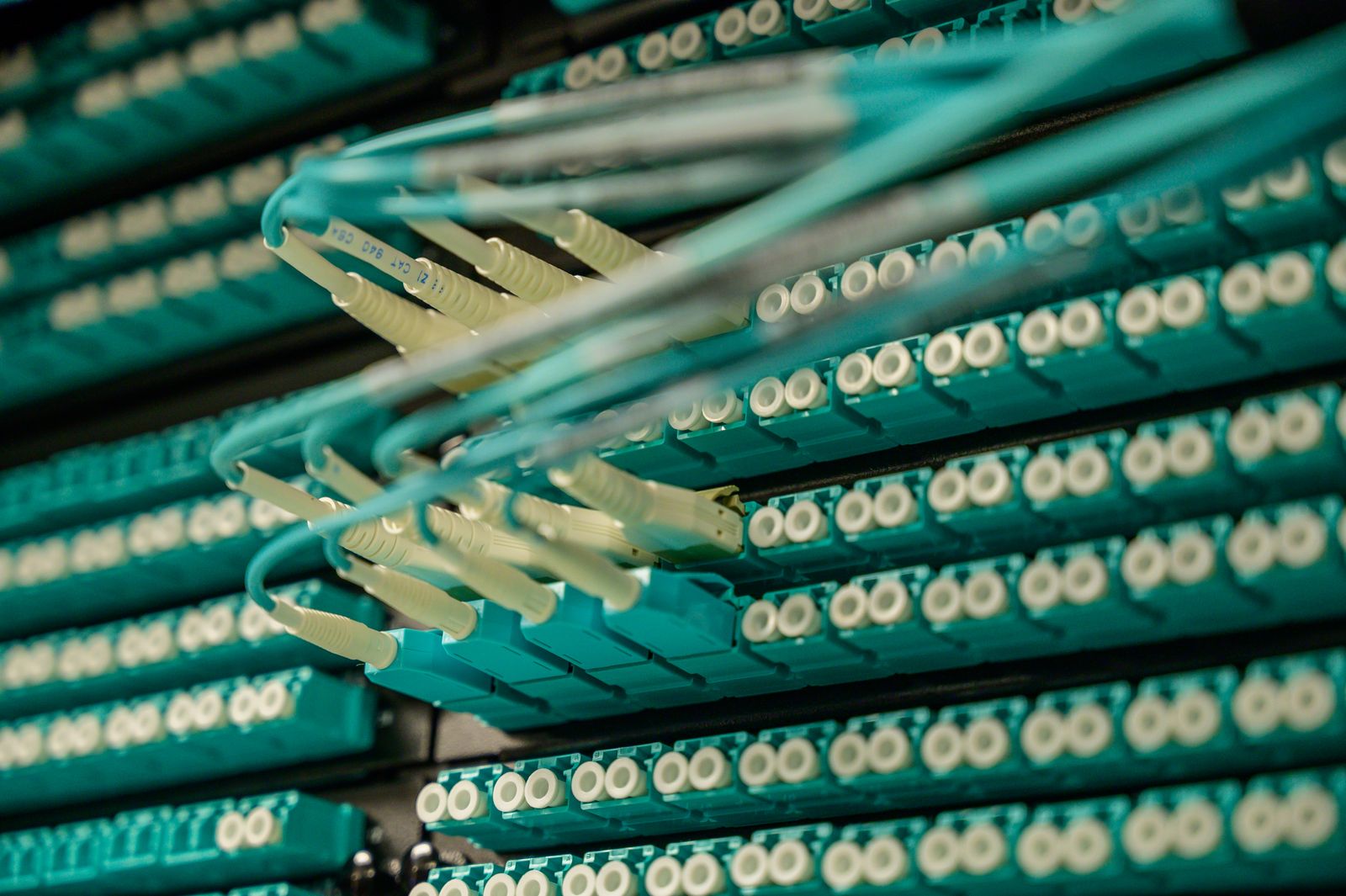
At fiber-distribution panels, arrange connector orientation, boot clearance and service allowance around port positions. Confirm the connector series, end-face form and channel identification against the distribution record before defining each jumper.光配线面板的跳接需按端口位置安排端头方向、尾套空间与可拆卸余量。接头系列、端面形式和通道编号与配线记录一起确认。
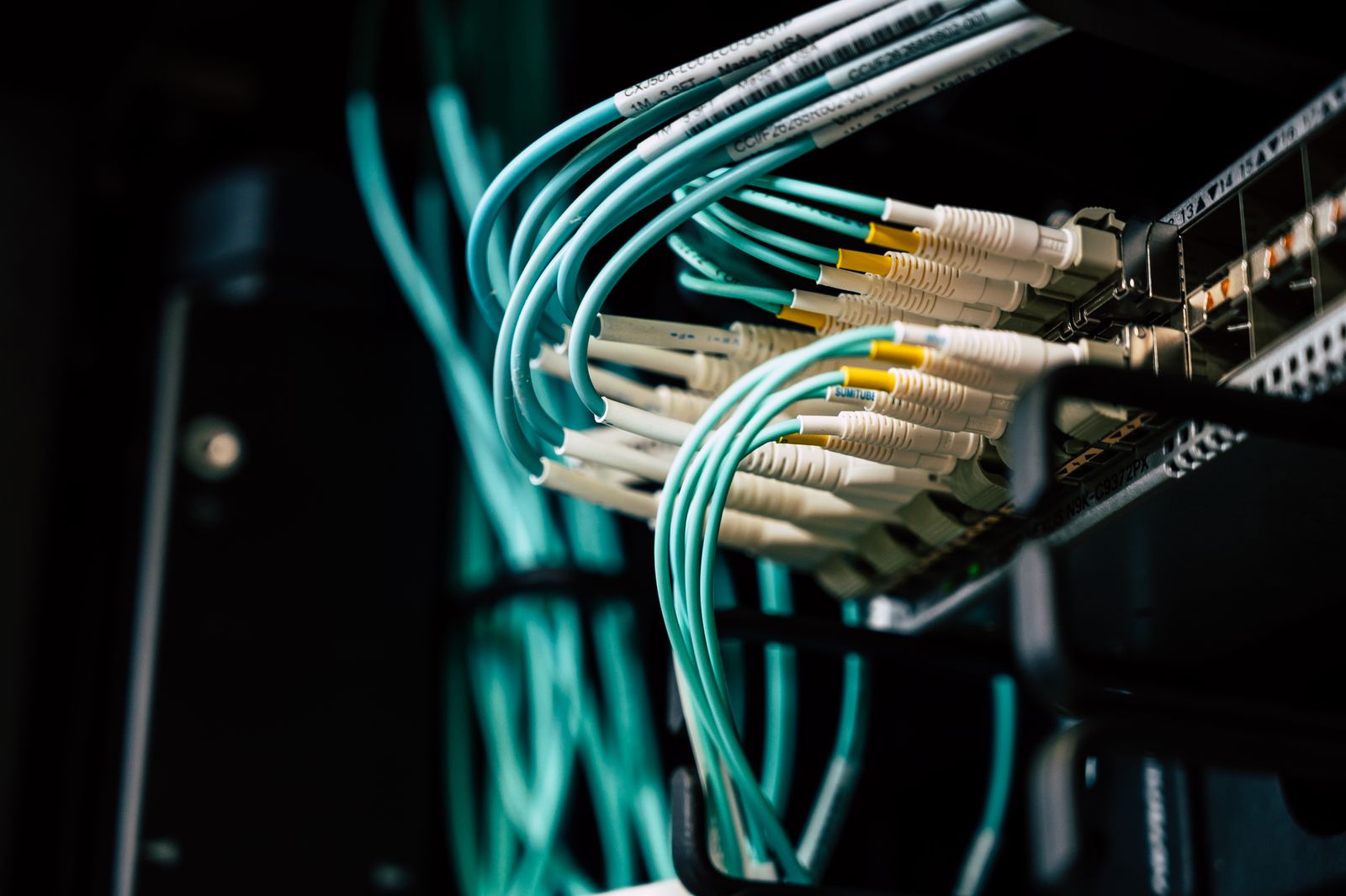
For short links between equipment optical ports and the distribution side, review mating ends, transmit/receive direction and bend clearance. Use equipment-port documents to establish channel mapping rather than inferring it from housing colors.设备光口与配线侧之间的短距离连接,重点是端头对插、发送接收方向和弯曲空间。通道对应以设备端口资料为准,不用外壳颜色推断。
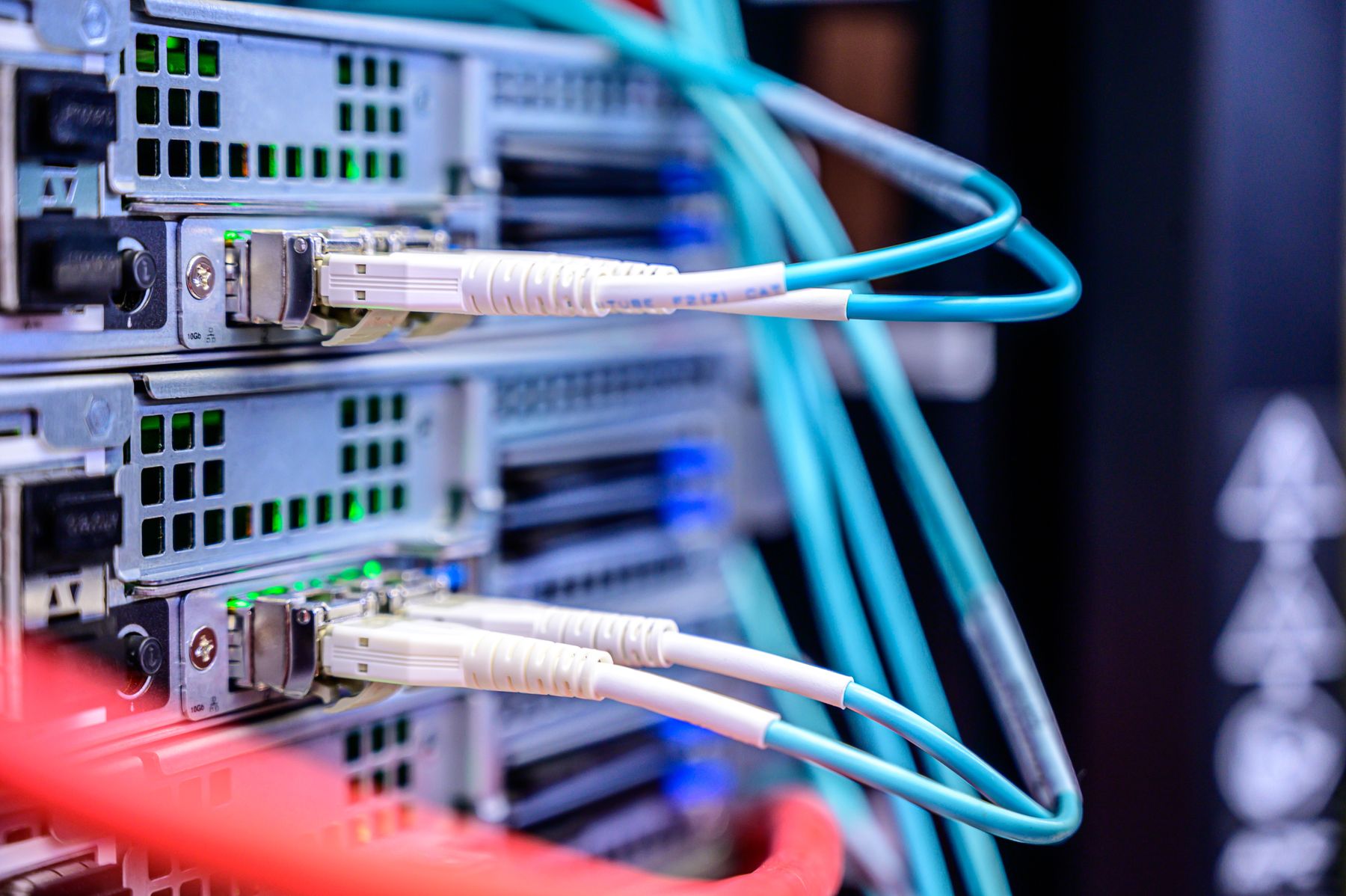
Define ports, transmit/receive direction and jumper lengths between rack optical modules and distribution equipment from the actual module documents. Check the series, end faces and channels of equipment jumpers and trunk or breakout ends separately; similar outlines do not establish mating.机架设备光口与配线侧的连接,需按实际光模块资料确认端口、收发方向和跳线长度。设备端跳线与主干或分支端头分别核对系列、端面和通道,不由相似外形推断对插。
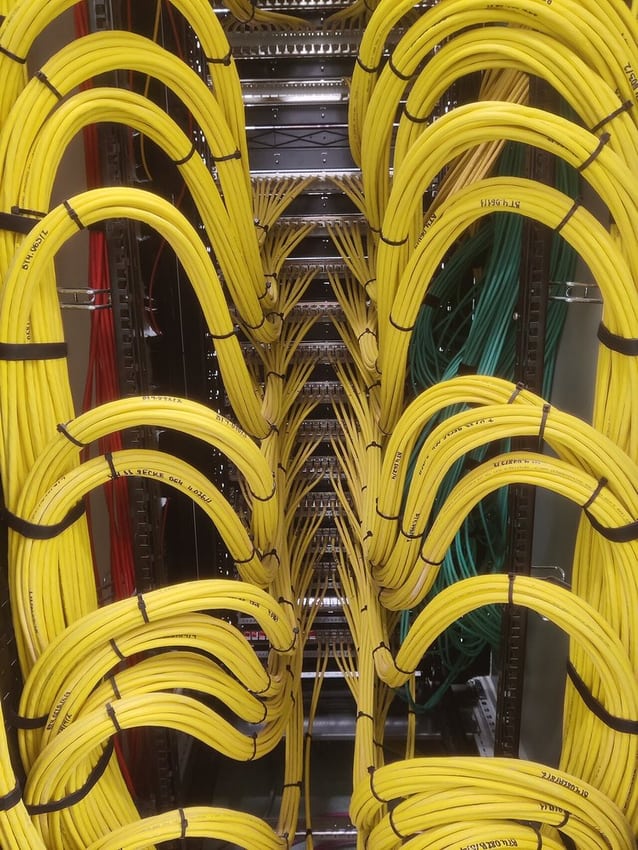
Vertical cabinet routes need space for turns, supports and servicing. Use the selected optical cable documents to set bending and tensile limits, and keep stored slack separate from equipment airflow and removable-module access.竖向布线路径需要为转弯、固定和维护留出空间。按所选光缆规定弯曲与拉力边界,并将余长收纳位置与设备风道、可拆模块分开安排。
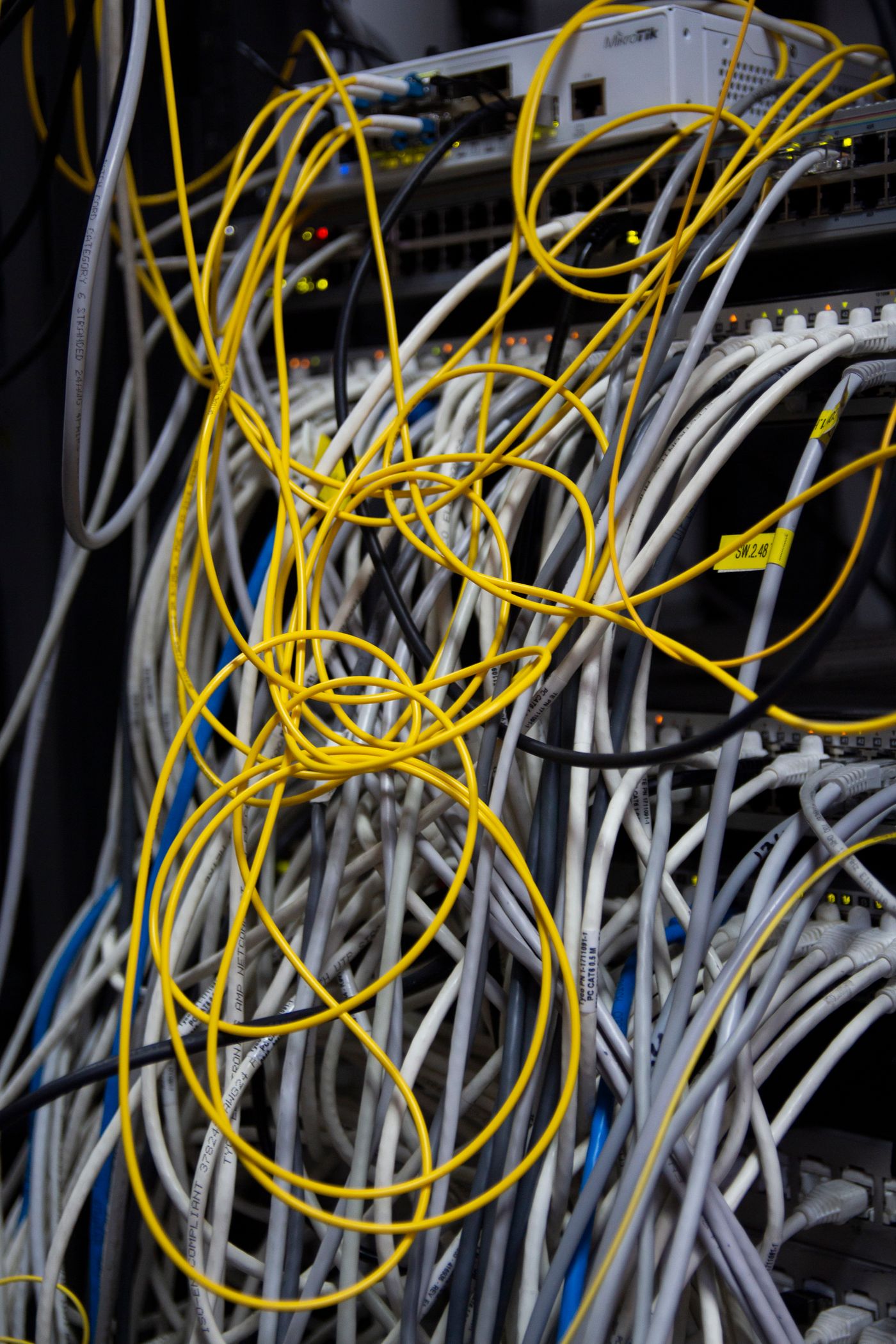
Identify ends, branch lengths and port groups to simplify connections across equipment modules. Record every destination for breakout assemblies; for two-ended jumpers, identify the corresponding equipment and distribution positions in the installation documents.多模块连接可通过端头编号、支路长度和端口分组减少安装时的查线工作。分支组件需单独记录每路去向;双端跳线则明确对应的设备与配线位置。
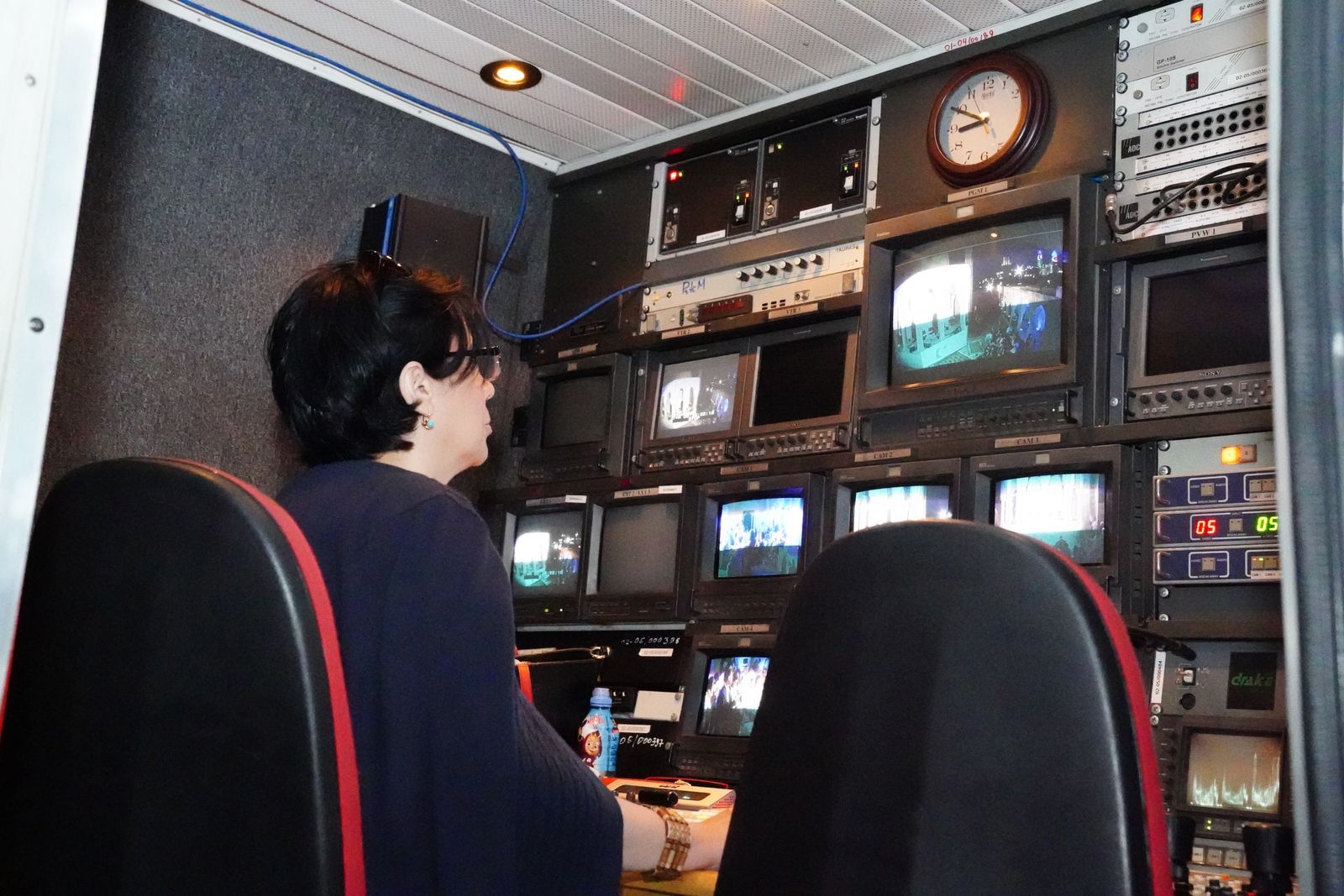
For video-room projects that specify optical interfaces, plan jumpers around equipment racks, distribution panels and service aisles. Establish optical-module selection, signal format and link acceptance from system requirements; cable form alone does not establish video-format support.采用光接口的视频机房项目,可结合设备机架、配线面板和维修通道安排跳接。光模块、信号制式和链路验收按系统要求确定,线缆外形不代表视频格式支持。


Our China factory provides custom wire harness manufacturing and OEM/ODM project support. For projects involving optical connections, define electrical manufacture, optical materials and termination, installation assembly and optical acceptance as separate scopes before agreeing samples and delivery documents.Super Smile-Tech中国工厂提供定制线束制造与OEM/ODM项目支持。涉及光连接的组合需求,分别确认电连接制造、光纤物料与端接、安装装配及光学验收的执行范围,再确定样品方案与交付文件。
Turn equipment-port records into a connector combination, channel map and end-identification plan. Define polarity and breakout orientation for branched or multifiber structures.把设备端口表整理为接头组合、通道对应和端头编号,分支或多芯结构同时明确极性与展开方向。
Set overall length, fine-tail length, breakout positions and jacket sections around the rack route. Include supports, bending limits and service allowance in the approval drawing.围绕机架路径调整总长、细尾长度、分支位置和护套段落,并把固定、弯曲与维护余量写入确认图。
Use the sample stage to review interface assembly, channel records and installed dimensions. Agree the scope for optical termination, optical testing and reports on the specific project.样品阶段分别确认接口装配、通道资料和安装尺寸;光纤端接方式、光学测试与报告要求按项目商定范围执行。
Check the series, mating part, fiber type and end-face form together. APC and UPC have different end-face requirements; an SC or LC name alone does not establish a mating combination.需同时核对系列、对插件、光纤类型与端面形式。尤其APC与UPC端面要求不同,不能仅凭SC或LC名称确认连接。
Create a map from end-port views, transmit/receive definitions and channel IDs. For MPO or breakout structures, also specify polarity and branch order in the acceptance records.用两端端口视图、收发定义及通道编号建立映射。MPO或分支结构还需约定极性与分支排序,并在项目验收记录中体现。
Provide the fiber type, connector and end-face requirements, plus the system-defined test wavelengths, limits and reporting requirements. Confirm responsibility for termination, testing and reports before sampling.提供所选纤型、接头与端面要求,以及系统规定的测试波长、限值和报告要求。端接、检测与报告的执行责任在样品前确认。
Share equipment interfaces at both ends, fiber type, channel mapping, target lengths and acceptance documents to define materials, termination and project-validation scope.提供两端设备接口、光纤类型、通道对应、目标长度及所需验收文件,先明确物料、端接和项目验证的范围。