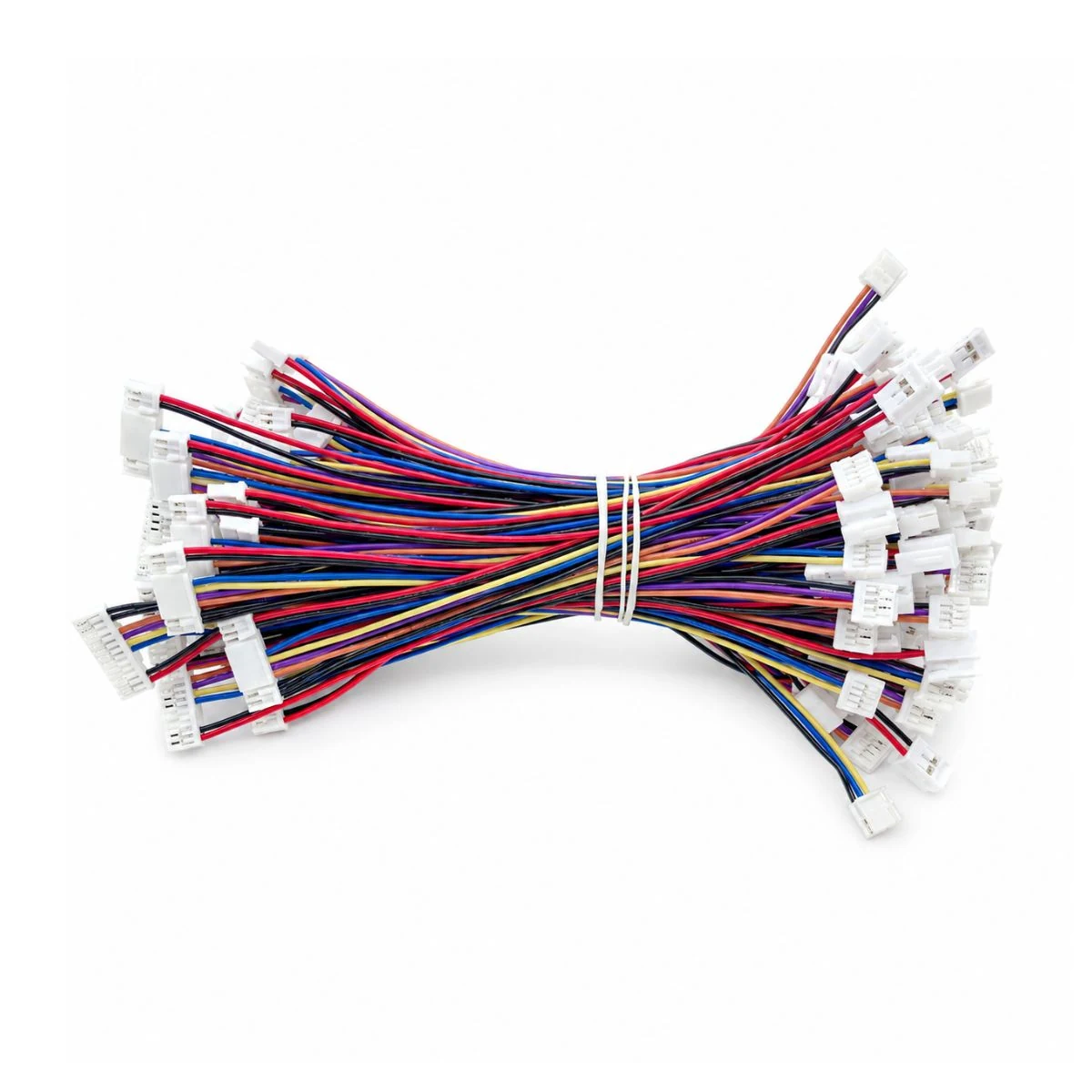
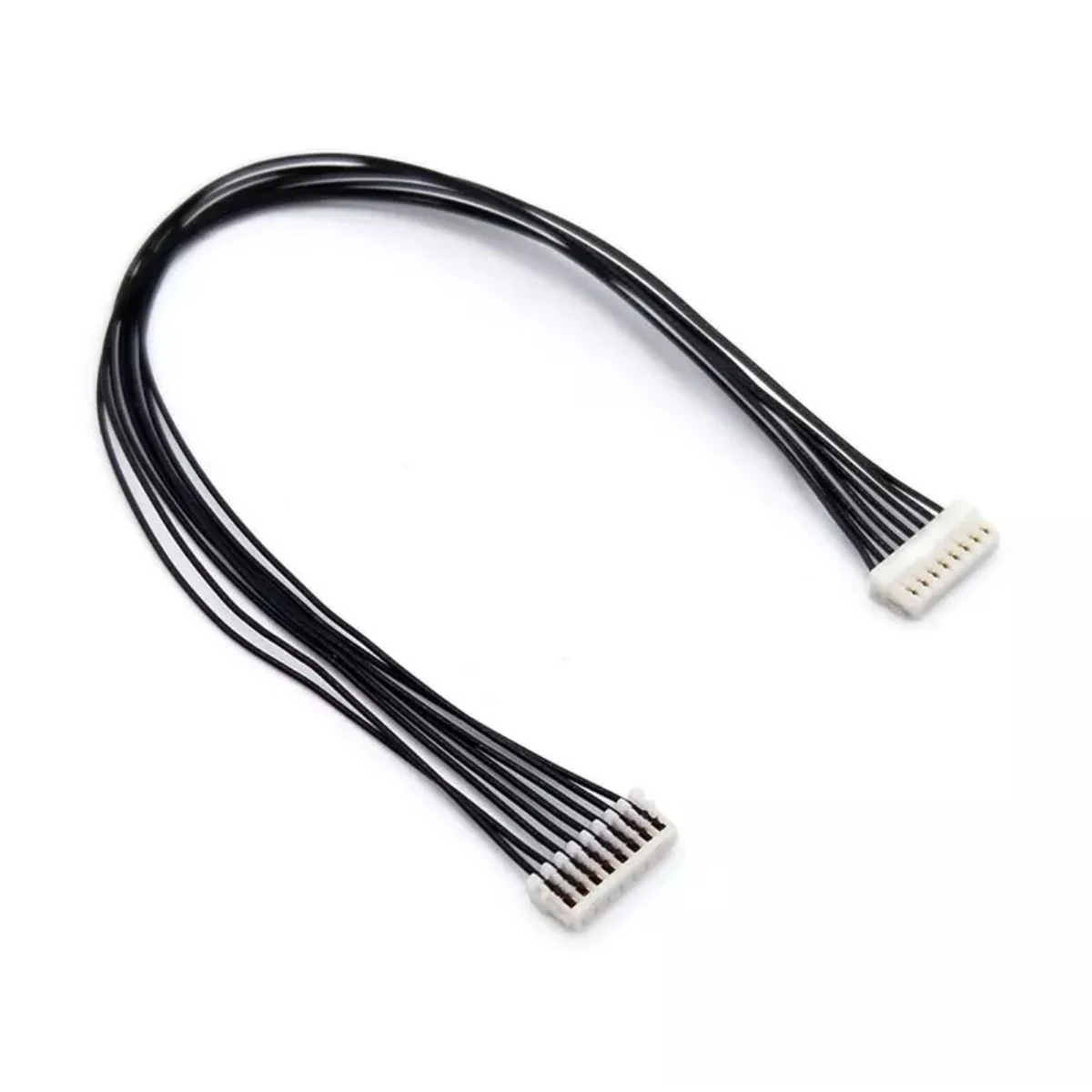
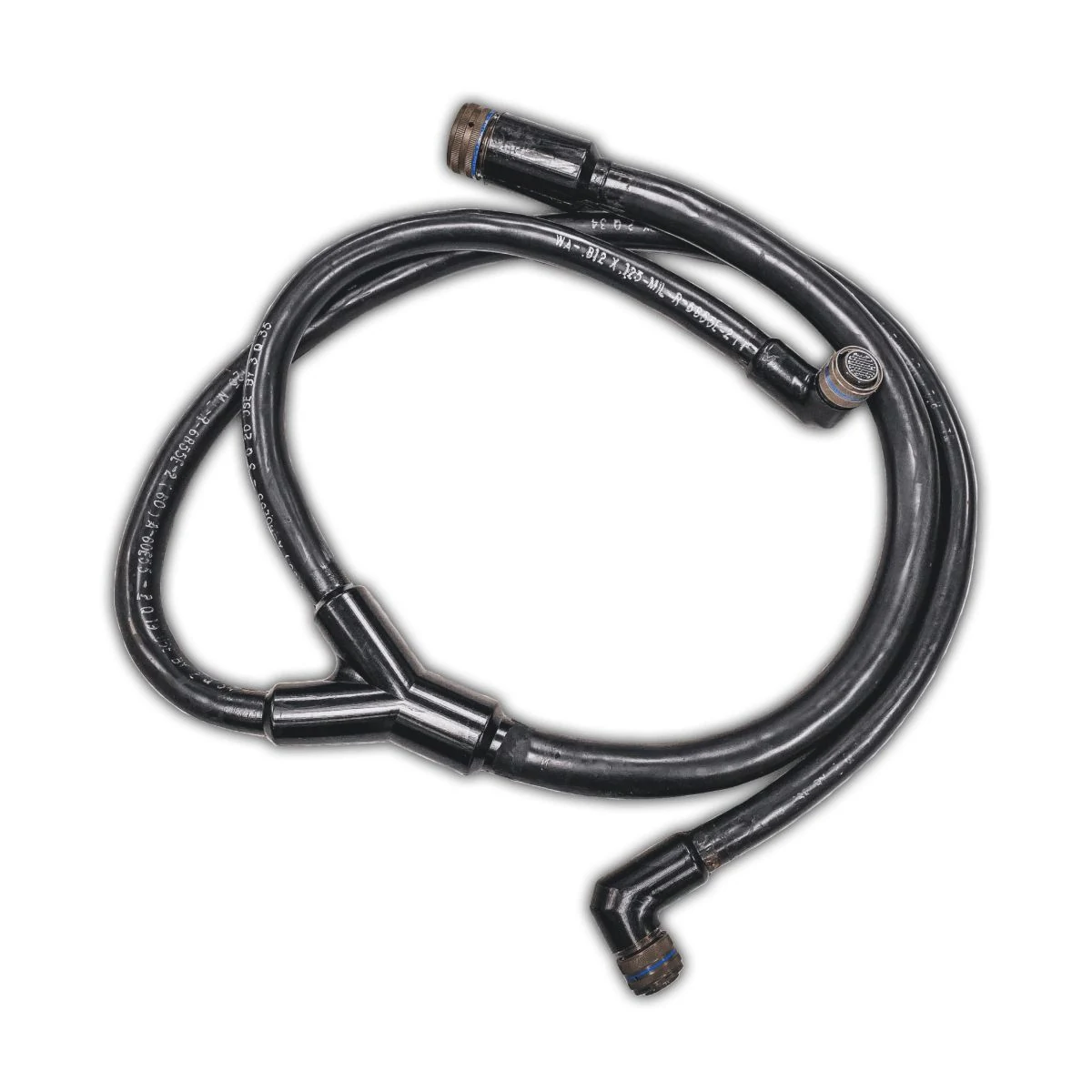
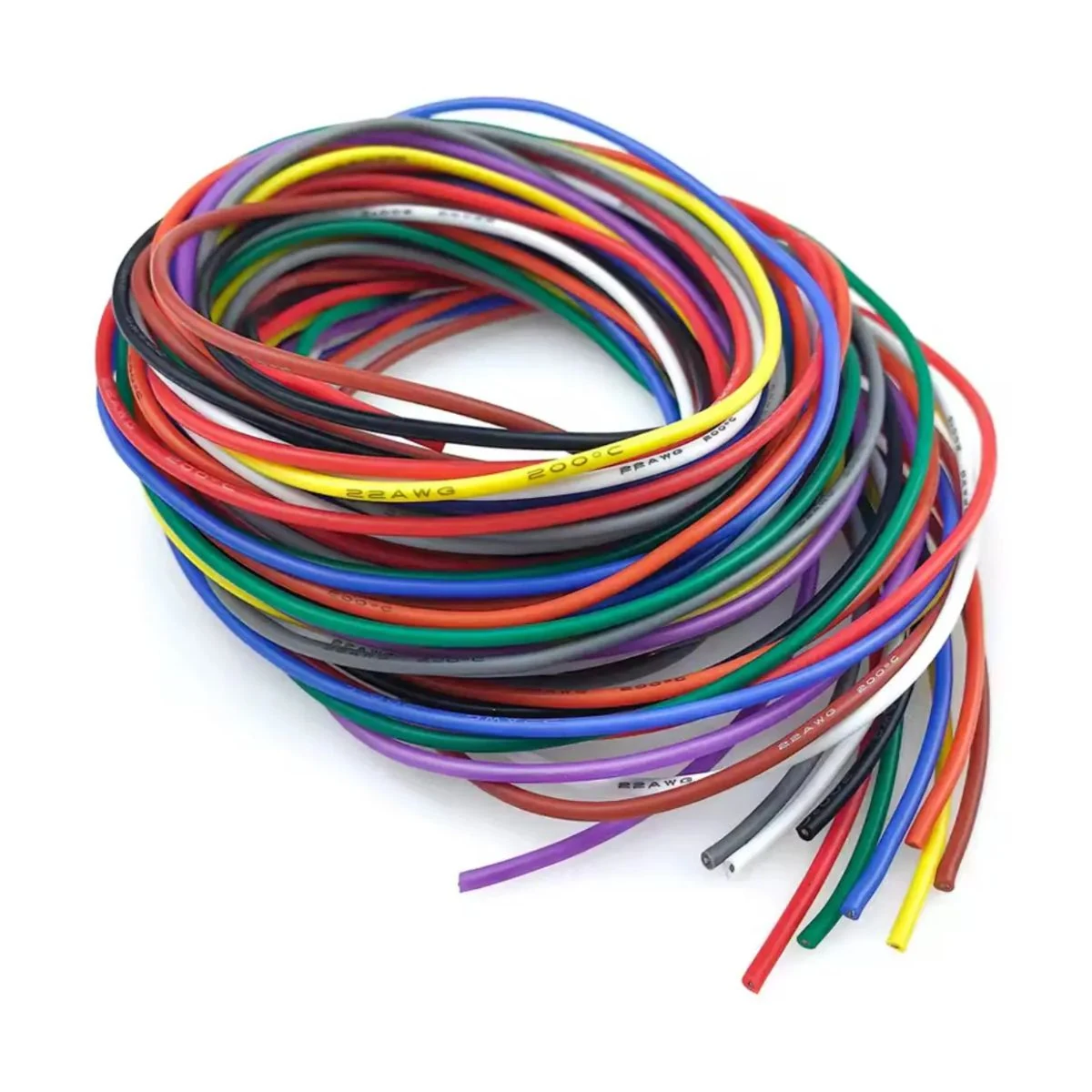
Custom wire harnesses
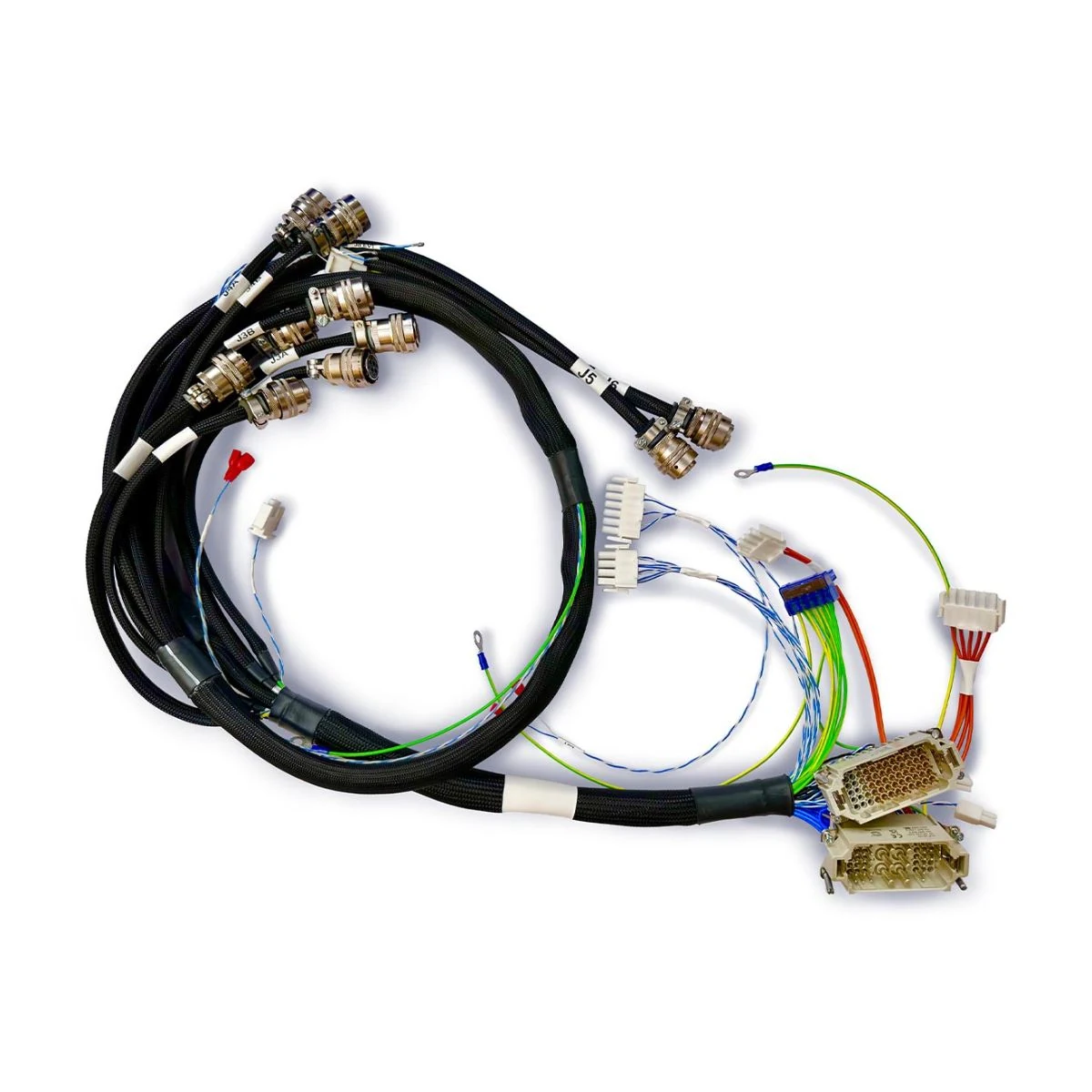
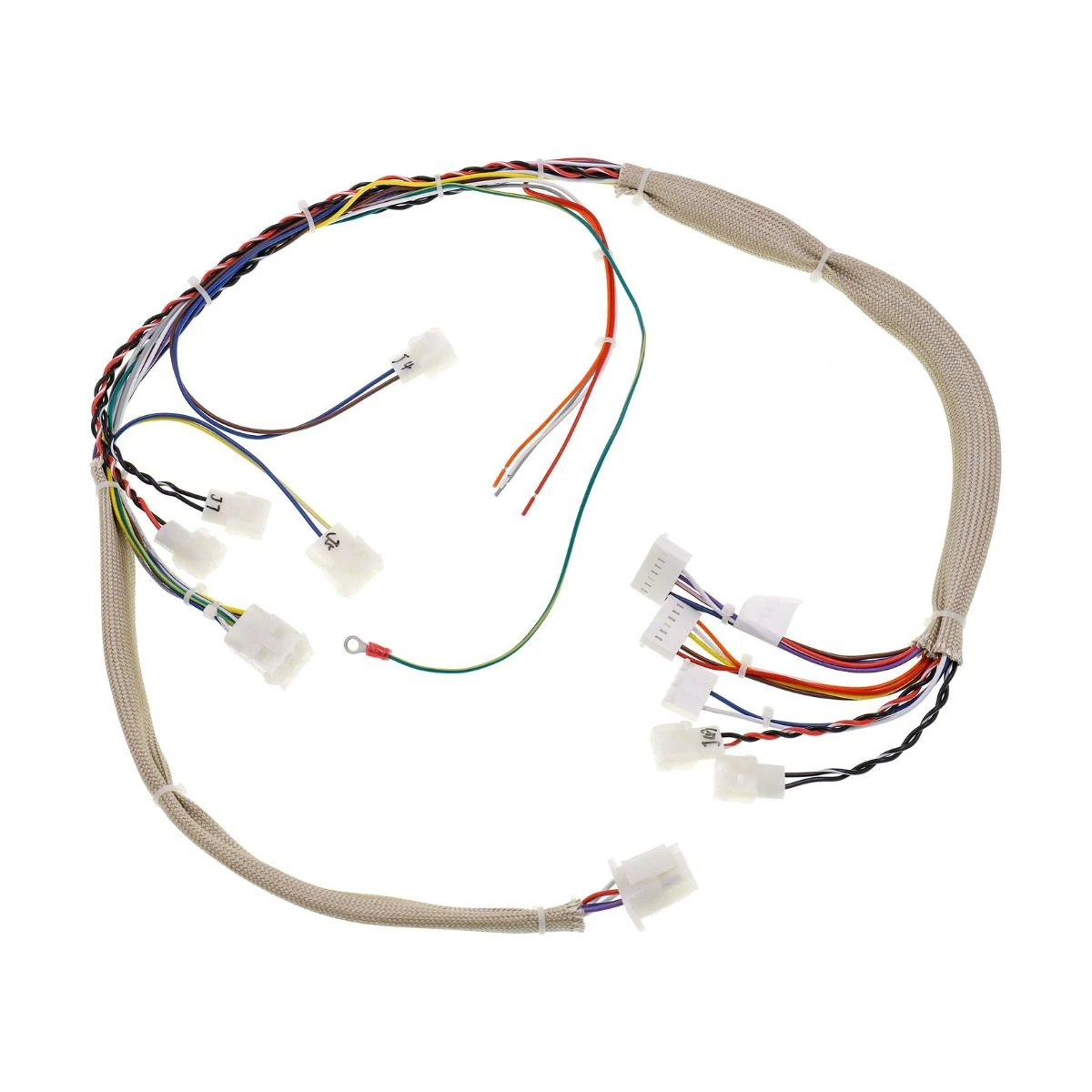
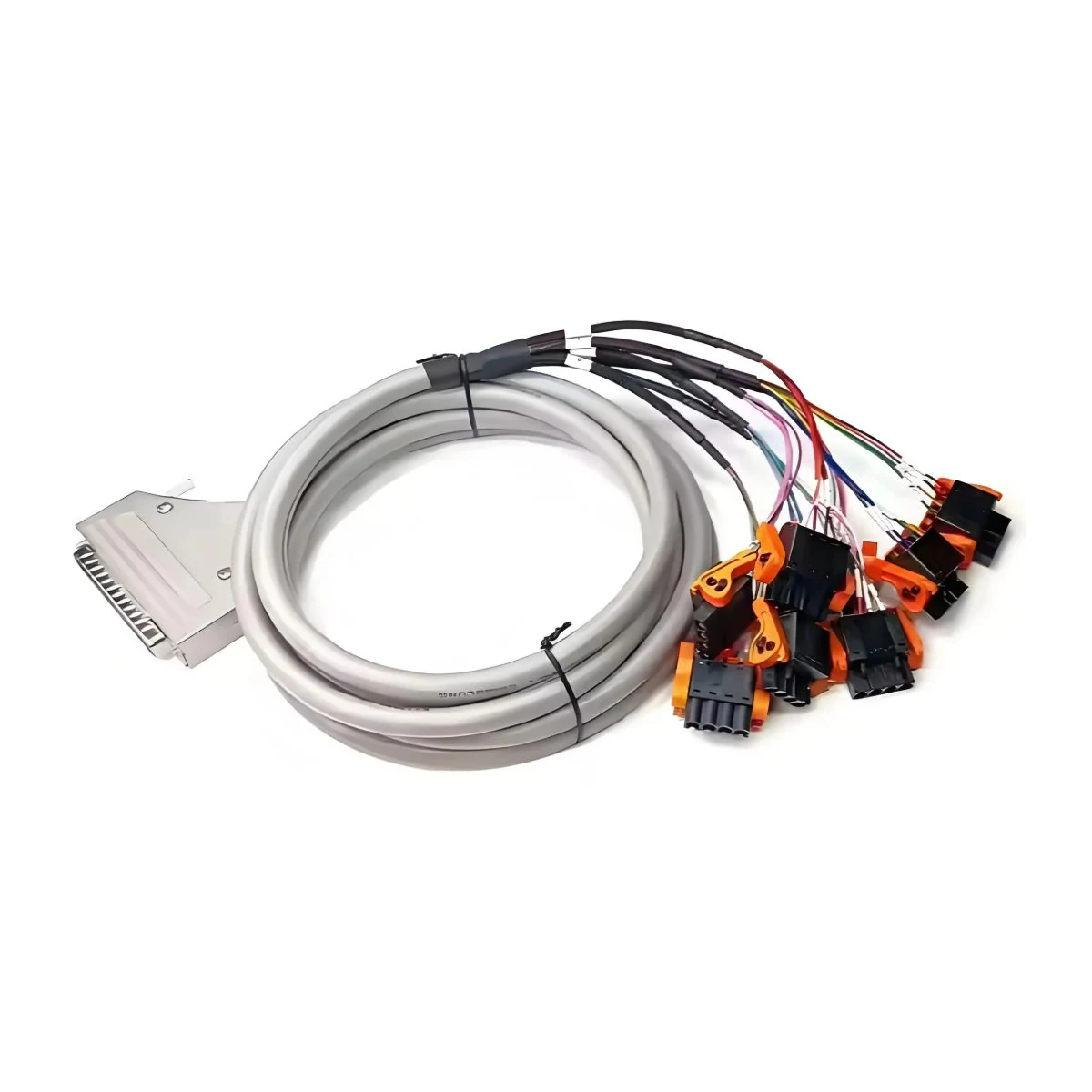
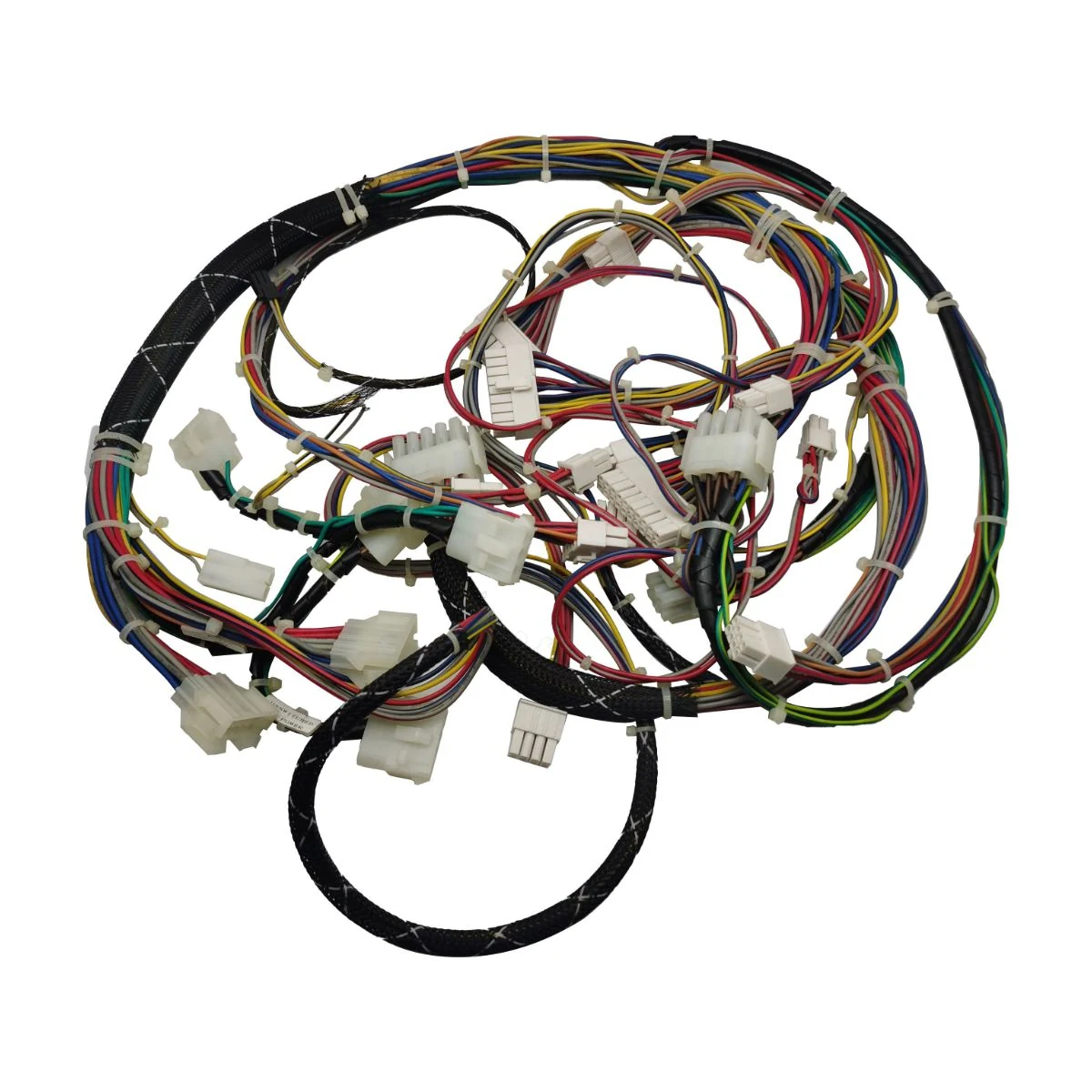
Define a harness around the routing inside your equipment, including power, control and sensor branches. For control panels, robots or instruments, we review the space at each connector, breakout positions and service access, then record the branch lengths, wire identification and protection in the assembly drawing.
What can be customized
- Point-to-point wiring, pigtails and multi-branch layouts
- Wire size, color, branch length and connector orientation
- Braid, sleeves, conduit and abrasion protection
- Labels, mounting clips and installation kits
Information to confirm
Provide a circuit table and routing drawing, or a reference sample with installation photos.
Specify loads, movement and branch-length datums; current capacity depends on the assembled operating conditions.
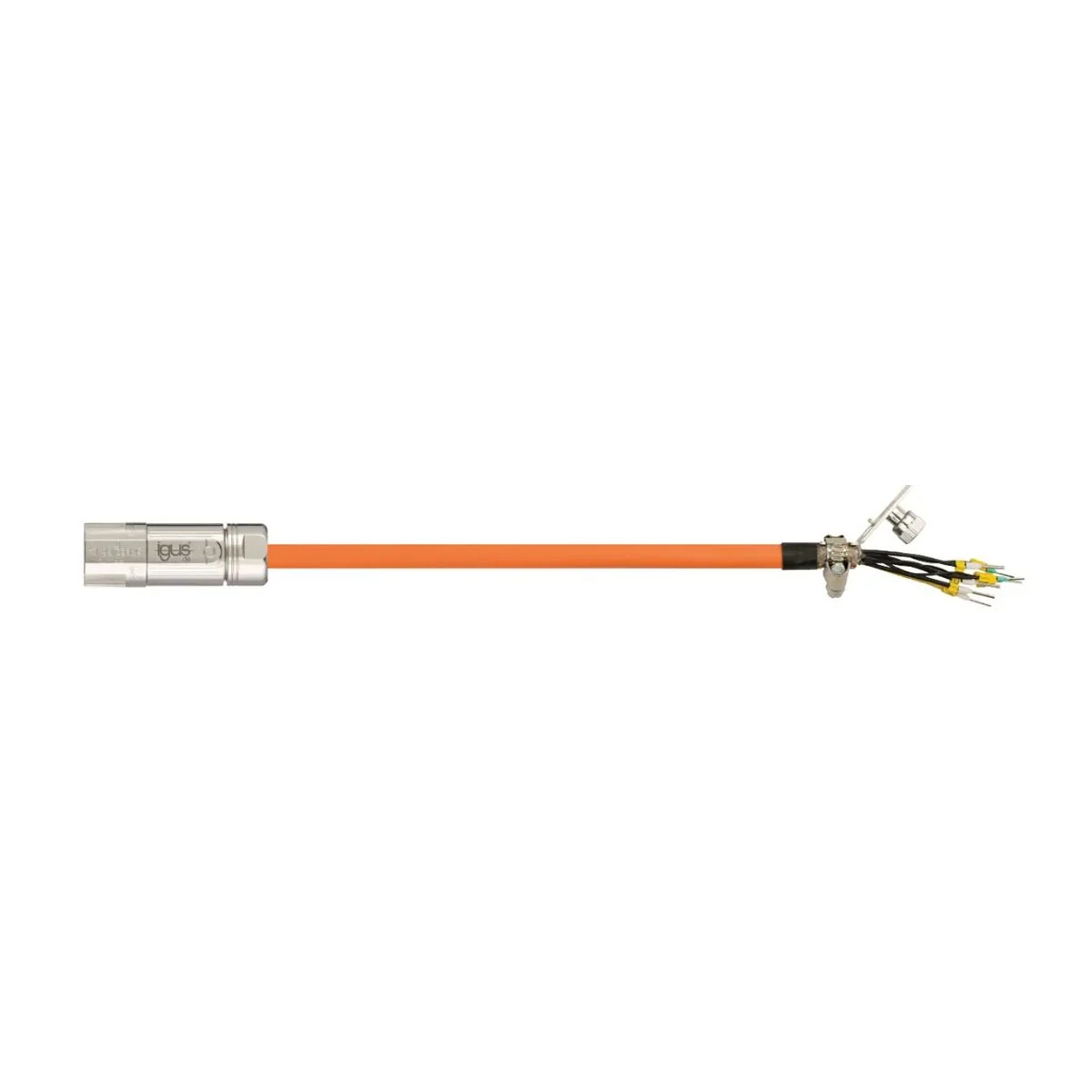
Custom cable assemblies
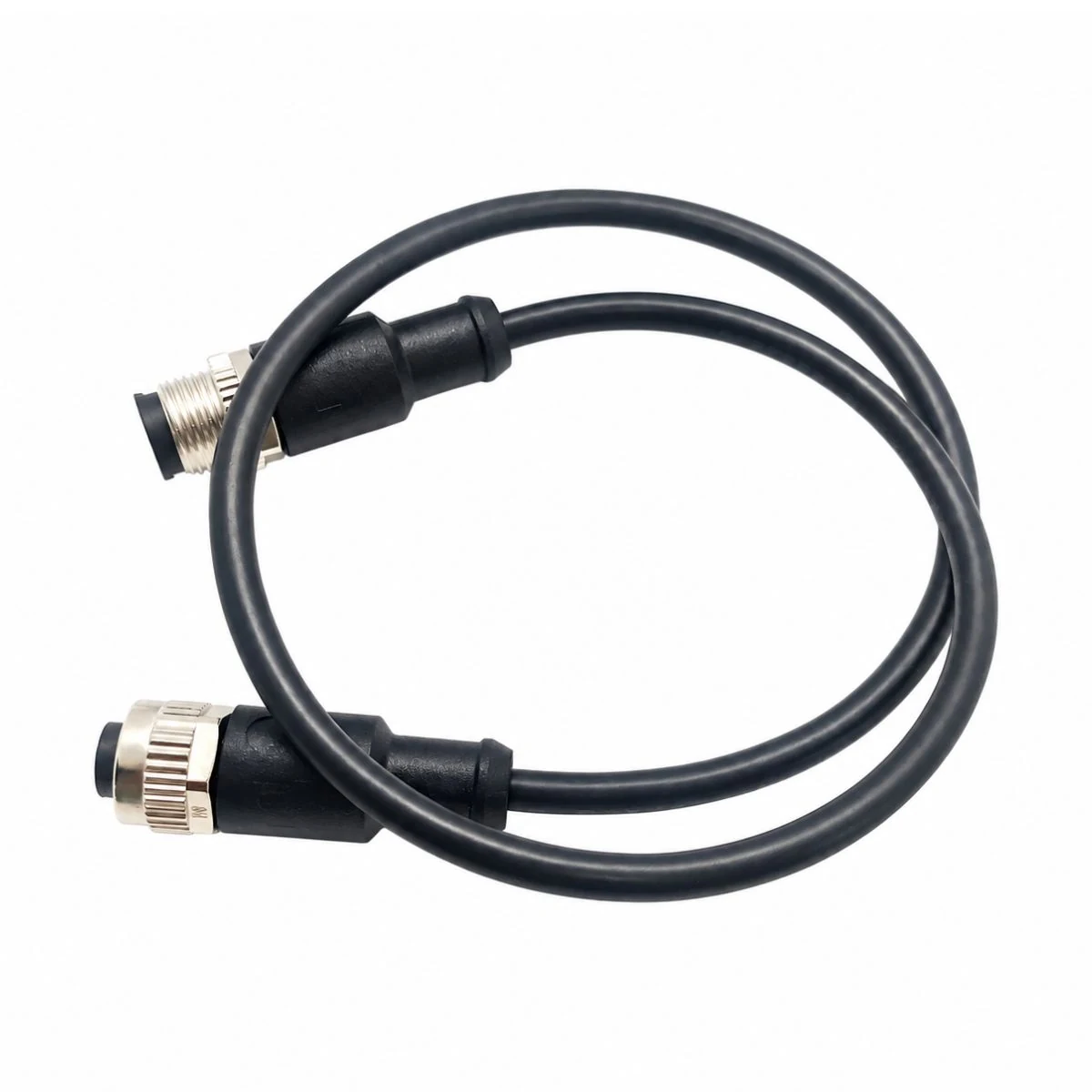
Build around the function between two or more interfaces, including signal, data and power connections. Circular connectors, D-Sub, USB, RJ45 and coaxial assemblies each require their own pin map and cable construction. Cable length, shielding, backshells and molded ends are reviewed together for installation and service use. Electrical checks are agreed for the intended use.
What can be customized
- Connector combinations, keying and straight or angled exits
- Cable length, conductor arrangement and signal pairs
- Shield-to-shell termination, drains and grounding paths
- Backshells, molded ends and strain relief
Information to confirm
Provide both interfaces, pin assignments and the required electrical or communication function.
Define impedance, data rate or power requirements where relevant; connector shape alone does not establish performance.
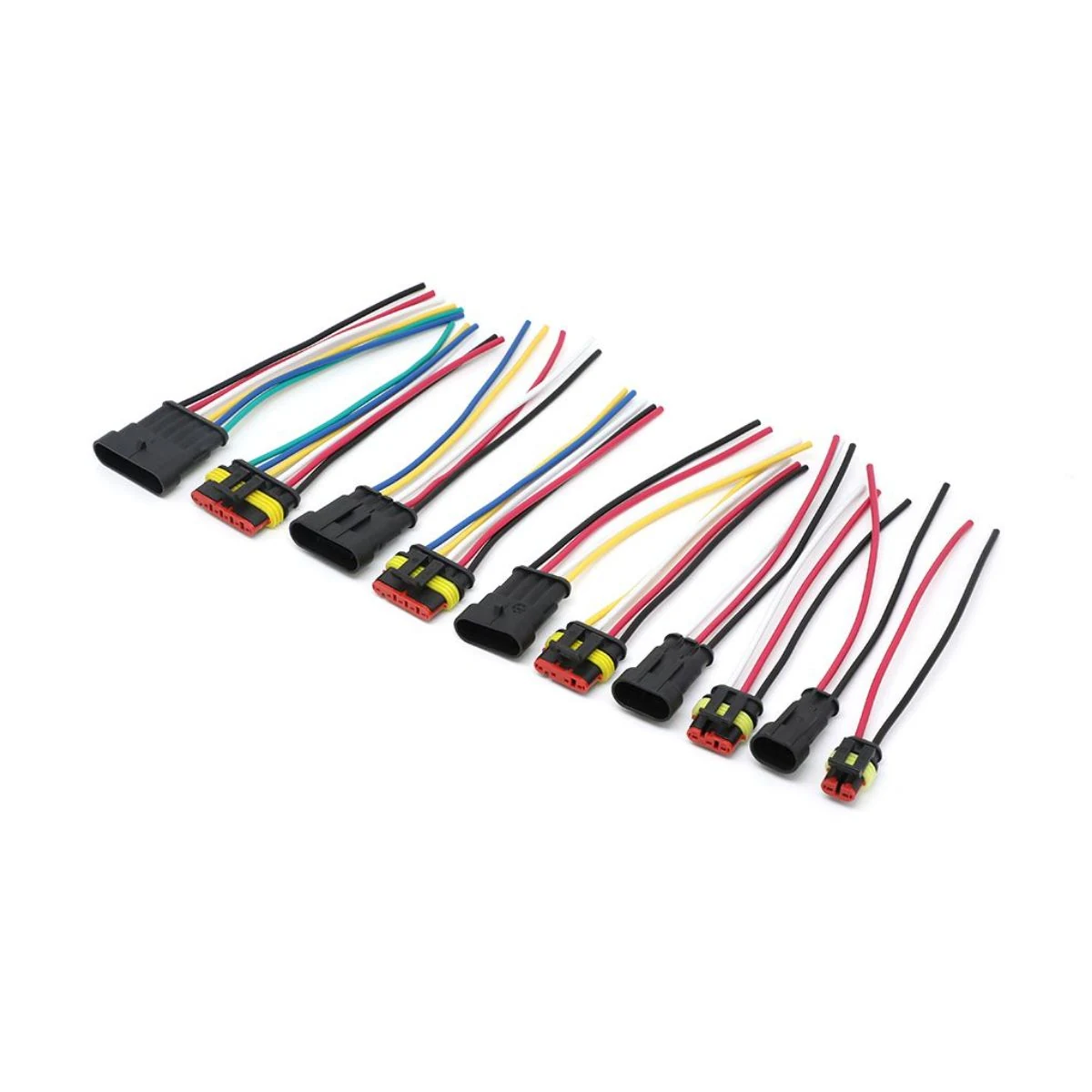
Automotive & transportation harnesses
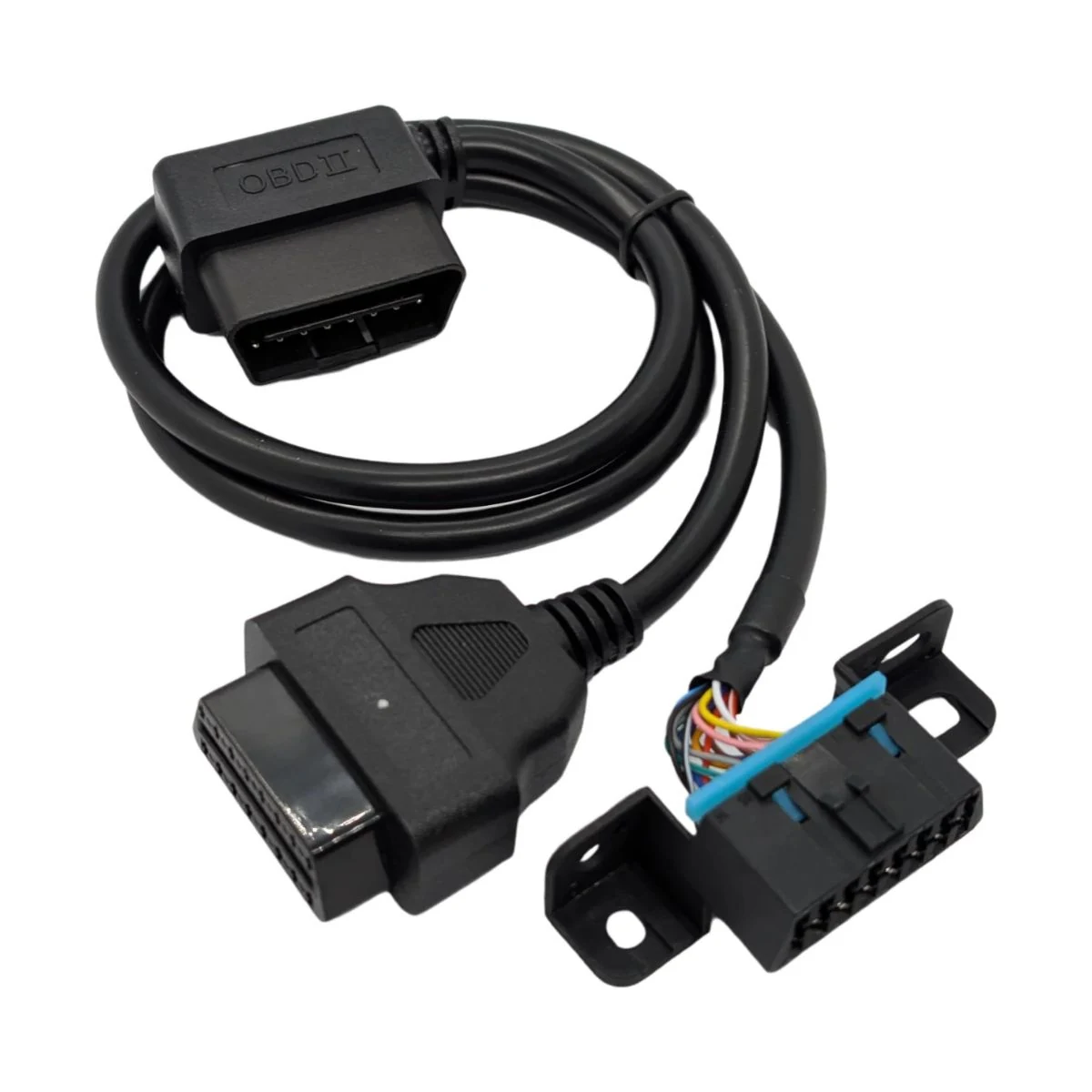
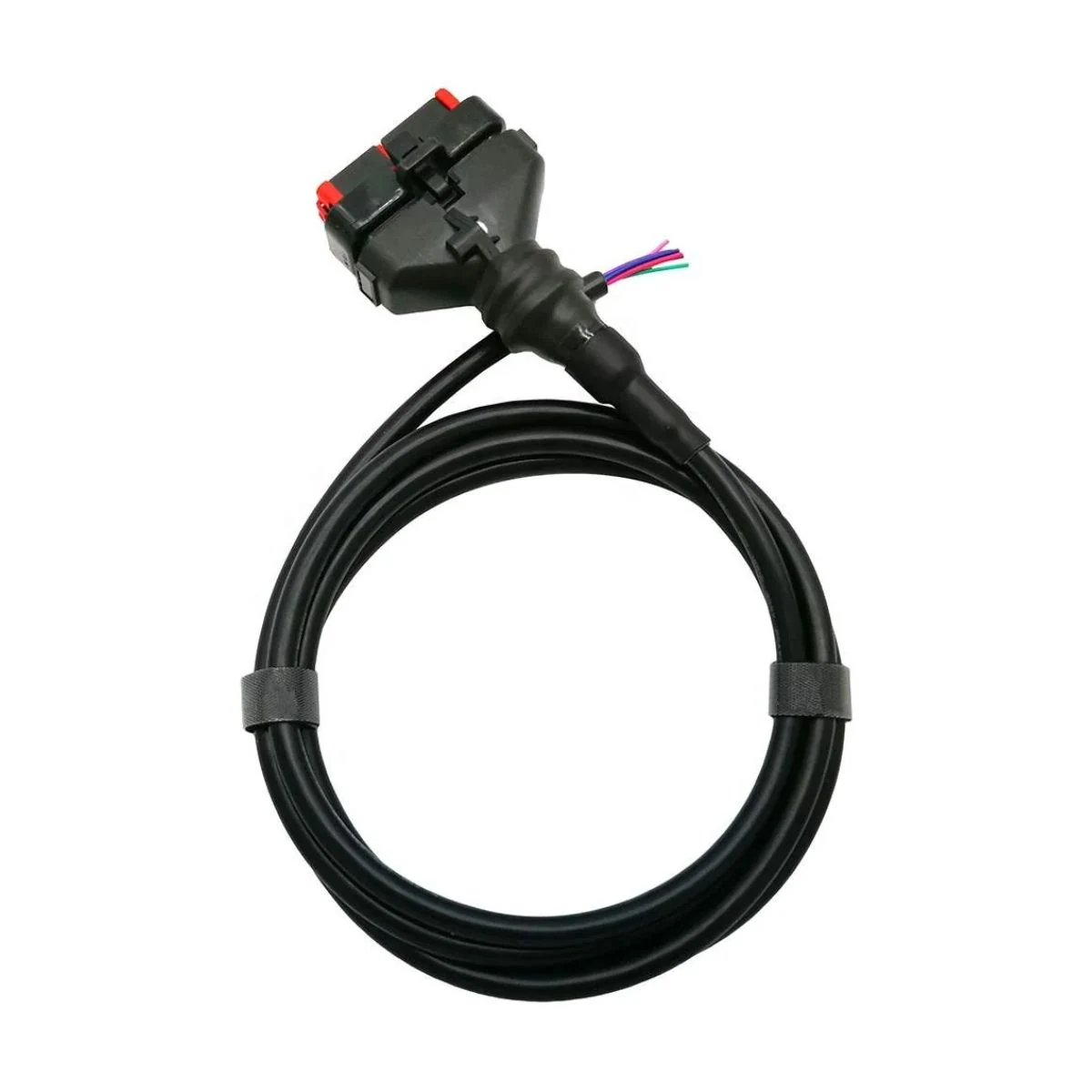
Review OBD, ECU service, J1939 heavy-duty, turbo actuator and vehicle wiring projects against the exact platform and task. Vehicle-side and equipment-side interfaces are checked separately. Pin routes, power paths and shielding are defined with the heat, vibration, fluids and abrasion along the installation route. Functional approval uses the customer’s target equipment.
What can be customized
- Diagnostic adapters, service leads and branch access points
- Vehicle connectors, terminals, seals and locking parts
- Power, communication and actuator circuit routing
- Heat protection, conduit, braid and mounting points
Information to confirm
Provide the vehicle, year, controller or tool model, plus connector photos and a pin map.
Confirm the target function on the equipment; a passive cable does not convert protocols or guarantee software compatibility.
Connector & brand-compatible systems
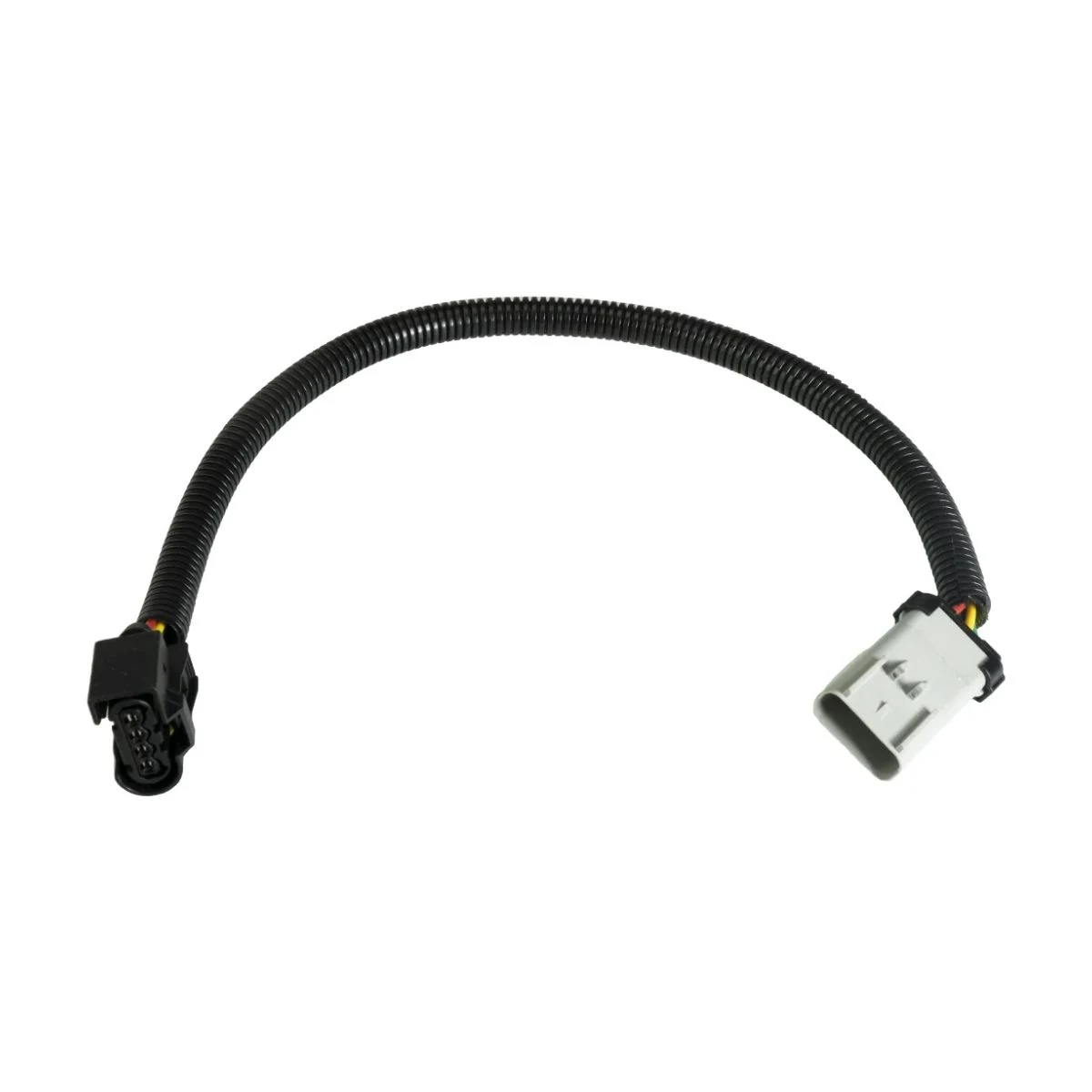
Use a part number or mating sample to identify the housing, terminal, seal and locking system. For families such as TE, Molex, JST and Deutsch, we review the exact series and sourcing preference, then define the attached cable. Any alternative source needs agreed dimensions and acceptance criteria. Housings with the same pin count can still use different keying and terminal systems.
What can be customized
- Housing series, pin count, keying and polarization
- Terminal size, plating and wire-range matching
- Seals, secondary locks, backshells and accessories
- Original-part requirements or approved alternative sourcing
Information to confirm
Provide the full part number or clear mating-face and side photos, plus the mating part when available.
Brand-family references identify the selection target. Interchangeability is confirmed for the specific parts and mating pair.
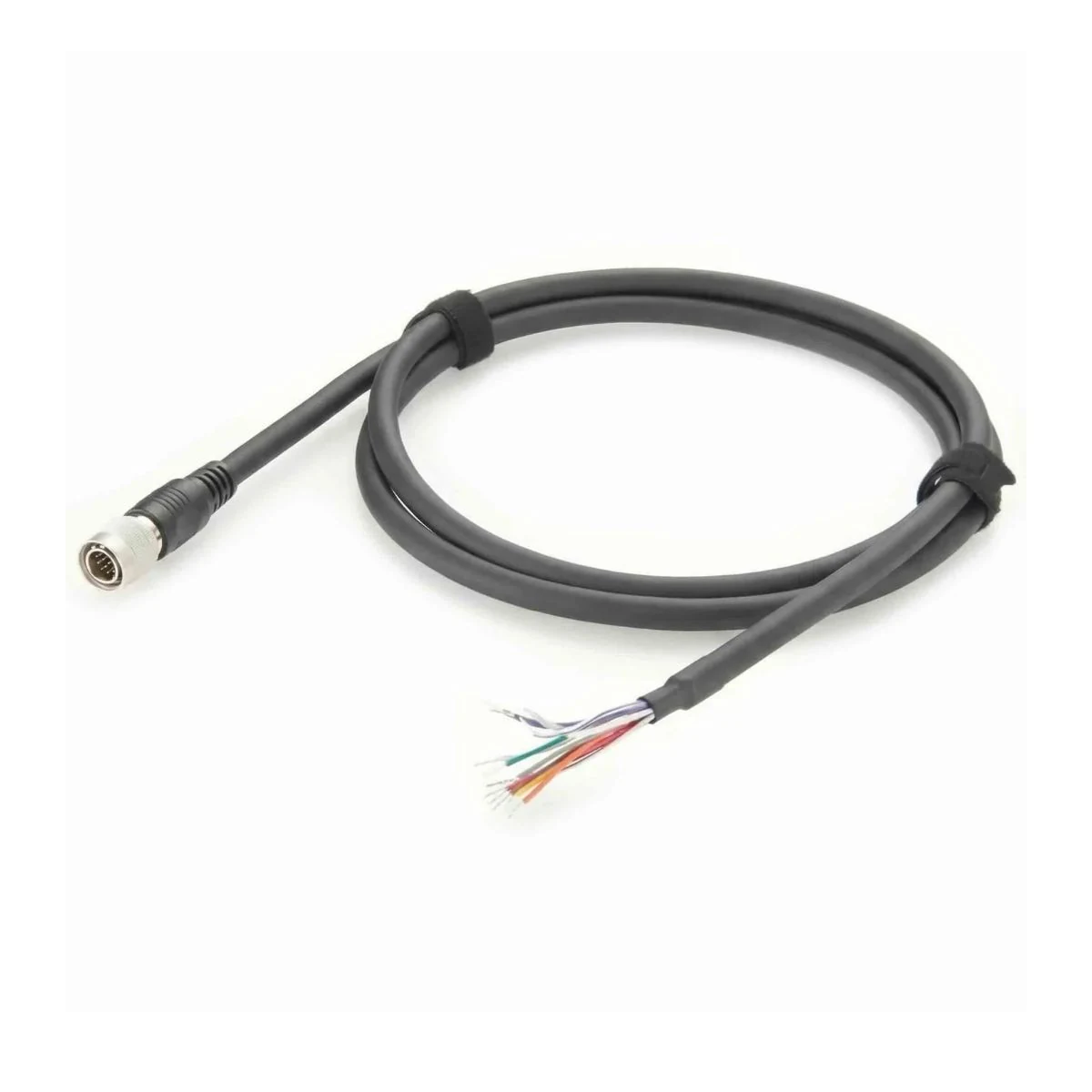
Specialty cable assemblies & molding
Review special constructions for compact spaces, fine conductors and protected cable exits. Options include fine-pitch connections, IDC or FFC structures, panel mounts, shield termination and molded strain relief. Material compatibility, tooling and sample checks are assessed together for waterproof or motion-related requirements.
What can be customized
- Fine-pitch terminations, ribbon and flexible-flat structures
- Molded strain relief, exit angle and panel geometry
- Shield continuity, branch joints and protective encapsulation
- Molding material, tooling and project-specific sample checks
Information to confirm
Provide the installation envelope, cable and connector dimensions, and the target movement or protection conditions.
Agree the complete assembly and test conditions for waterproofing, temperature or flexing; a material rating alone is insufficient.
Wire, cable & material options
Select wire and cable as part of the finished assembly specification. Compare conductor size and stranding, insulation and jacket materials, shielding and pair structure against current, signal and installation needs. Fixed wiring, drag-chain motion, torsion and outdoor exposure require different source specifications and review criteria.
What can be customized
- Conductor size, stranding, plating and core count
- Insulation and jacket materials, color and outside diameter
- Twisted pairs, foil or braid shields and drain wires
- Temperature, flexing, chemical and marking requirements
Information to confirm
Provide voltage, current, signal type, bend space, ambient conditions and the applicable material specification.
Flame retardance, halogen content and smoke tests are separate requirements; cable selection does not establish finished-equipment approval.