APPLICATIONS连接的应用Application directions应用方向
These are connection directions for project discussion. Suitability depends on interfaces, circuits, installation conditions and project validation; configuration can be adapted to the equipment.以下为可讨论的连接方向。实际适用性取决于接口、电路、安装环境和项目验证,可按设备需求调整。
Review system voltage, load, temperature rise and accessories together. Relate installation clearance and test boundaries to the complete system. Record operating voltage, transient peaks and applicable specifications separately.电力连接需共同评审系统电压、负载、温升与附件,安装空间和试验边界也应对应完整系统。选配时,分别记录工作电压、瞬态峰值与适用规范。
Select power branches from actual loads, circuit protection and route length. Include termination, retention and service positions in the wiring definition. Review conductor area for load, temperature rise and installation derating.供电分支以实际负载、回路保护和线长为选配依据,端头、固定和检修位置也需列入布线定义。选配时,导体截面按负载、温升和安装降额审核。
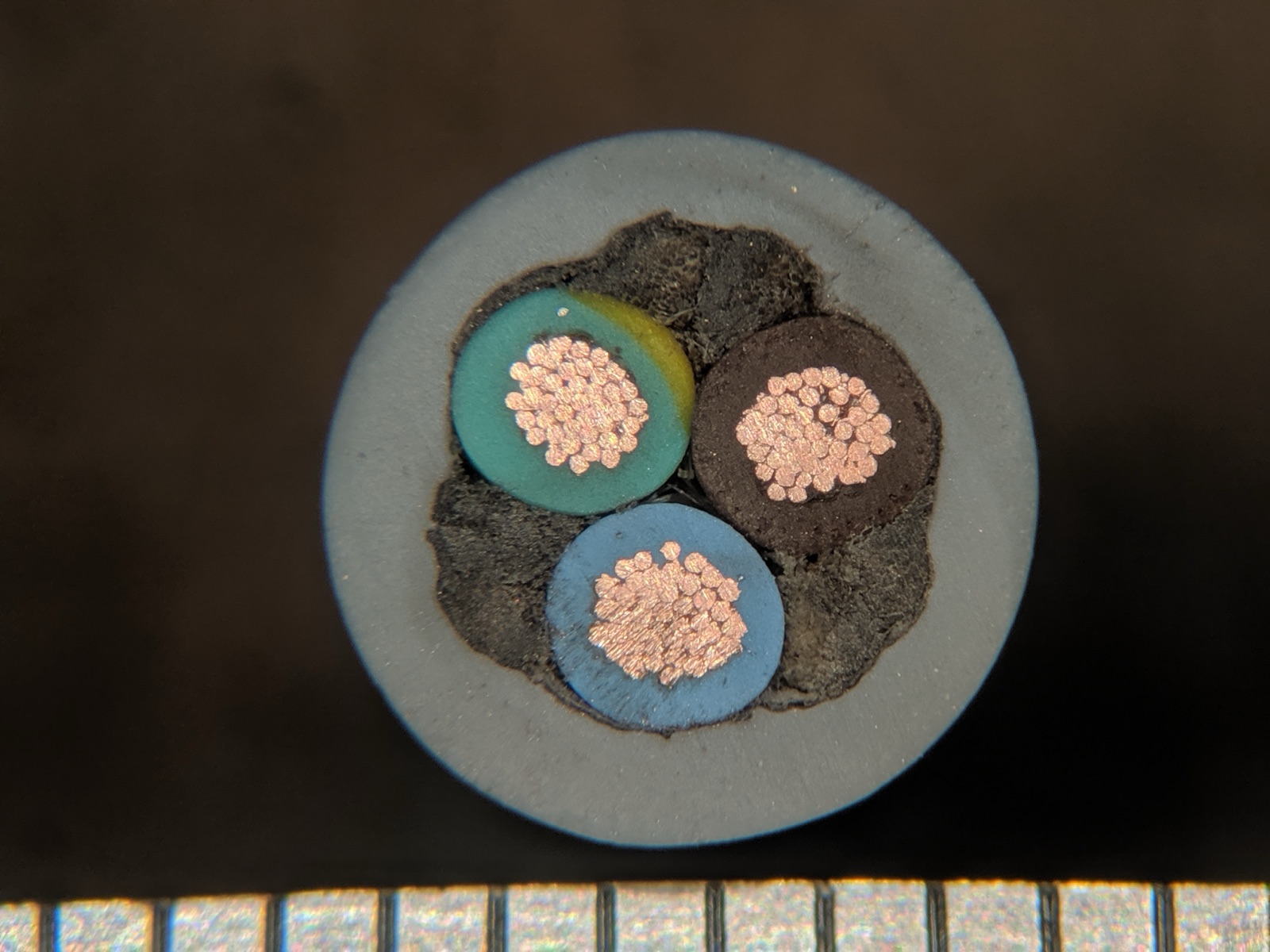
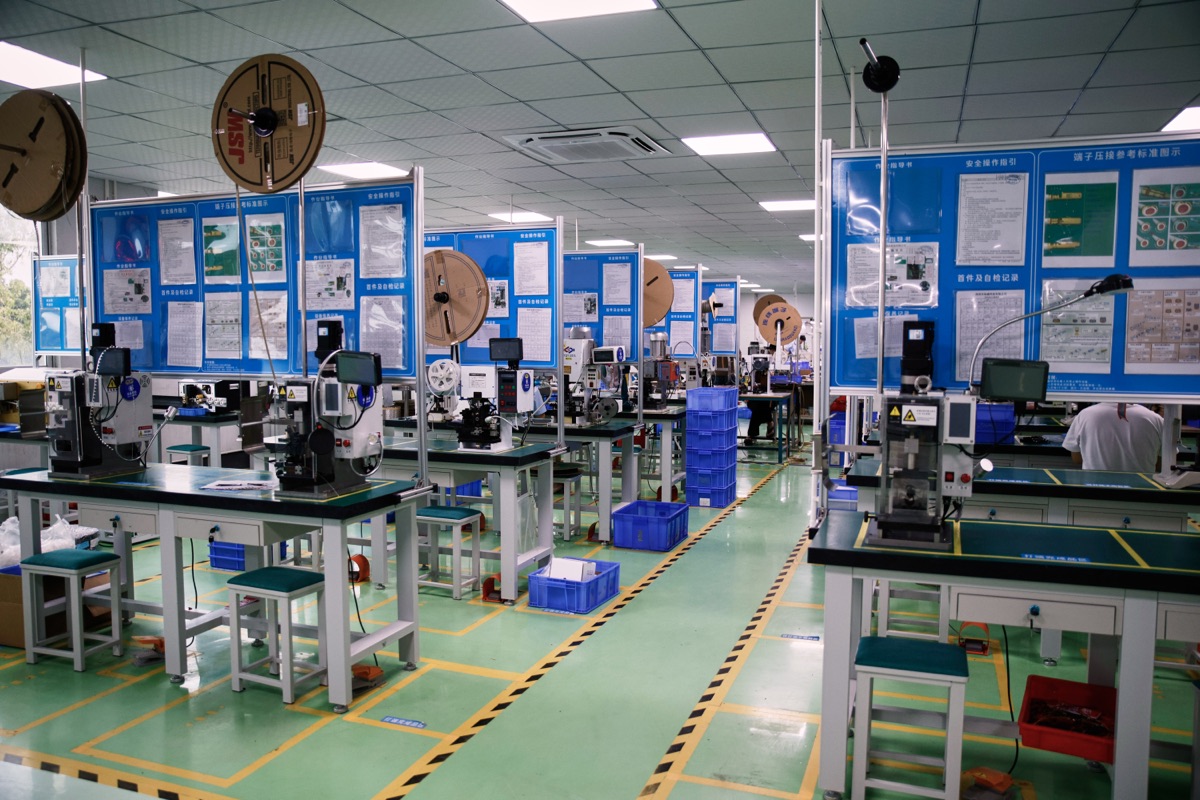
Document conductors, fillers, shields and jacket separately. Set overall dimensions and breakout length for the assembly space. Define the material and dimensions of insulation, shield and jacket layers.多芯结构需分别记录芯线、填充、屏蔽和护套,外形尺寸与端接展开长度应满足总装空间。选配时,明确绝缘、屏蔽和护套各层材料及尺寸。
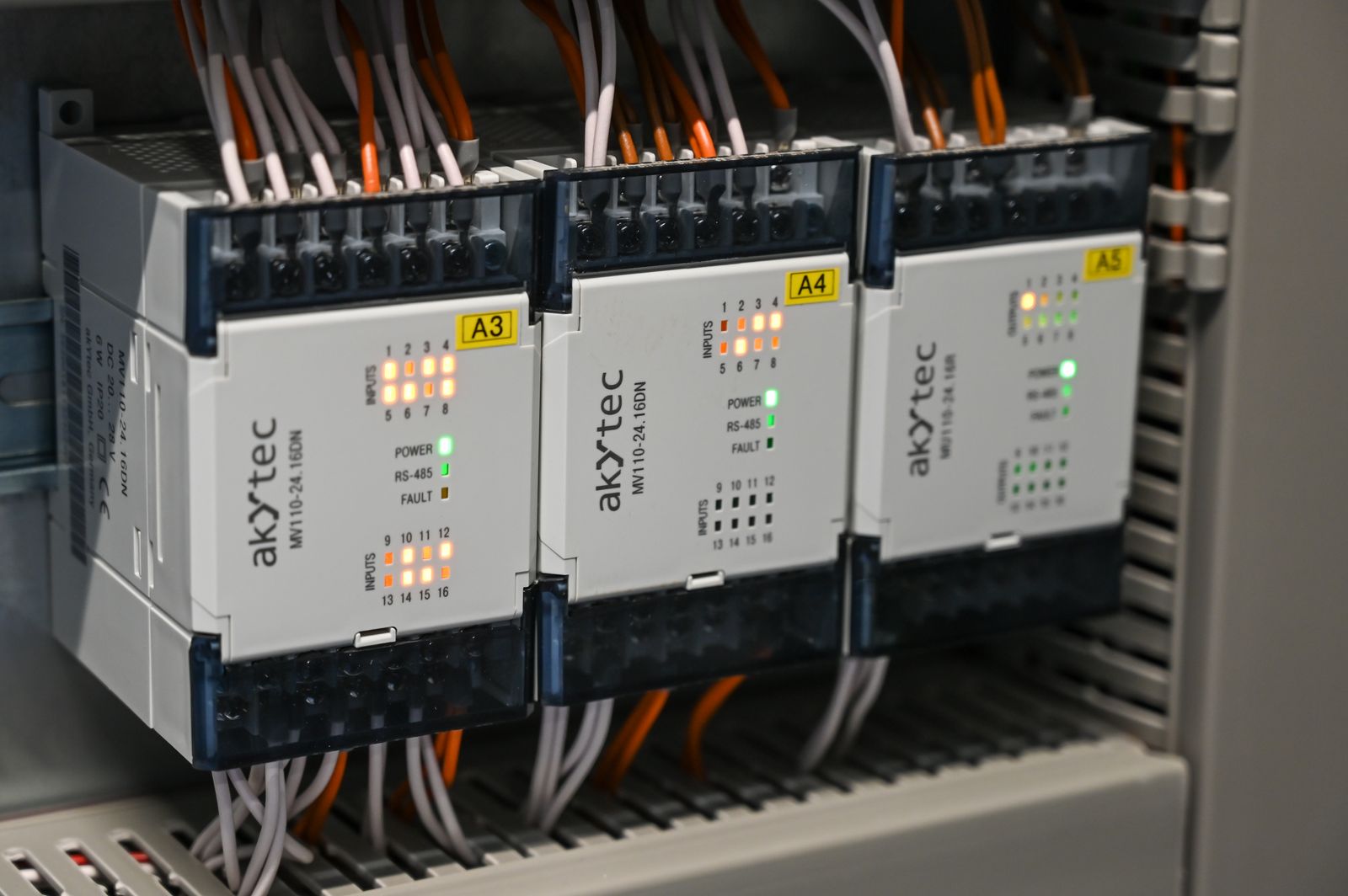
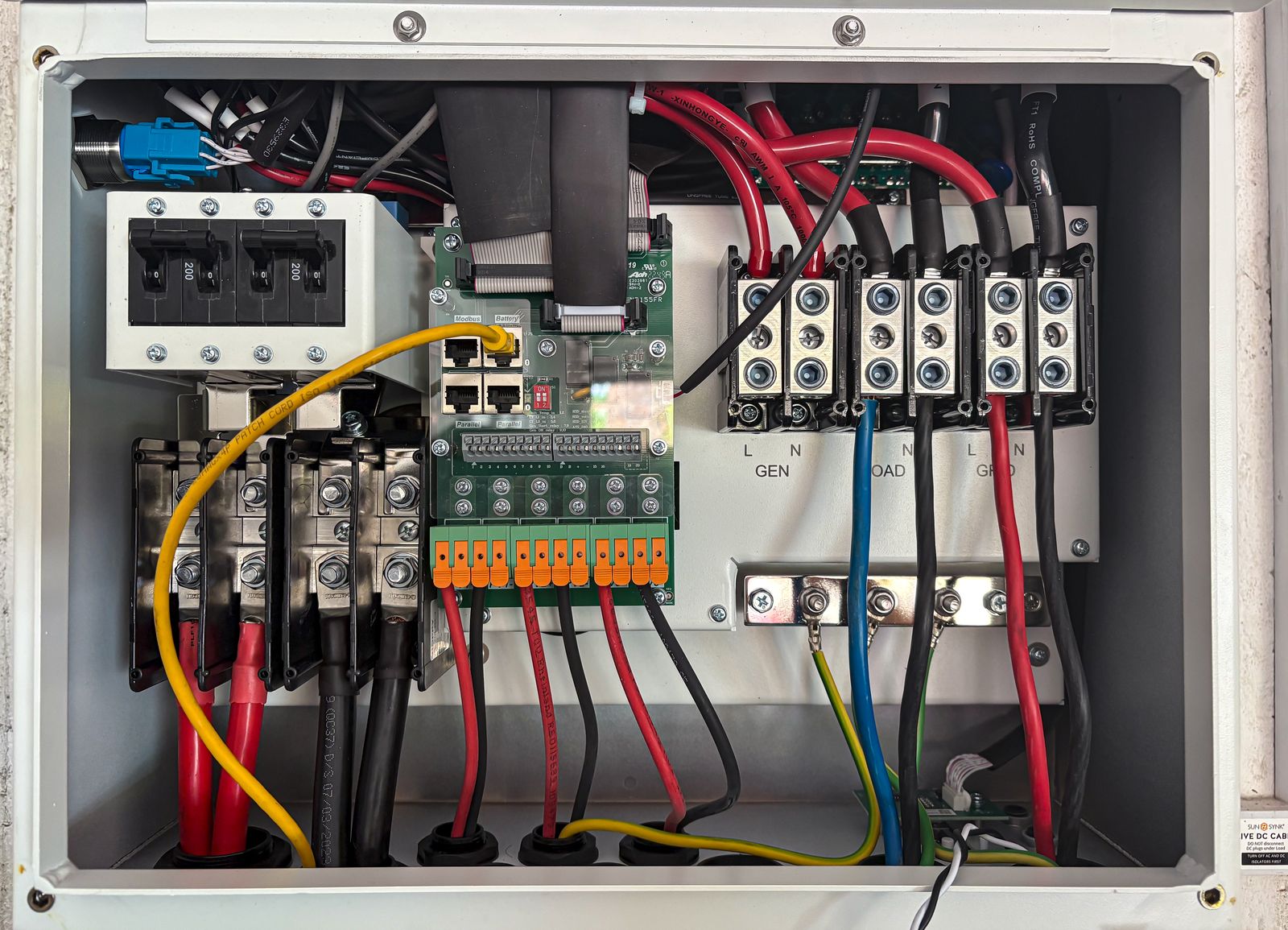
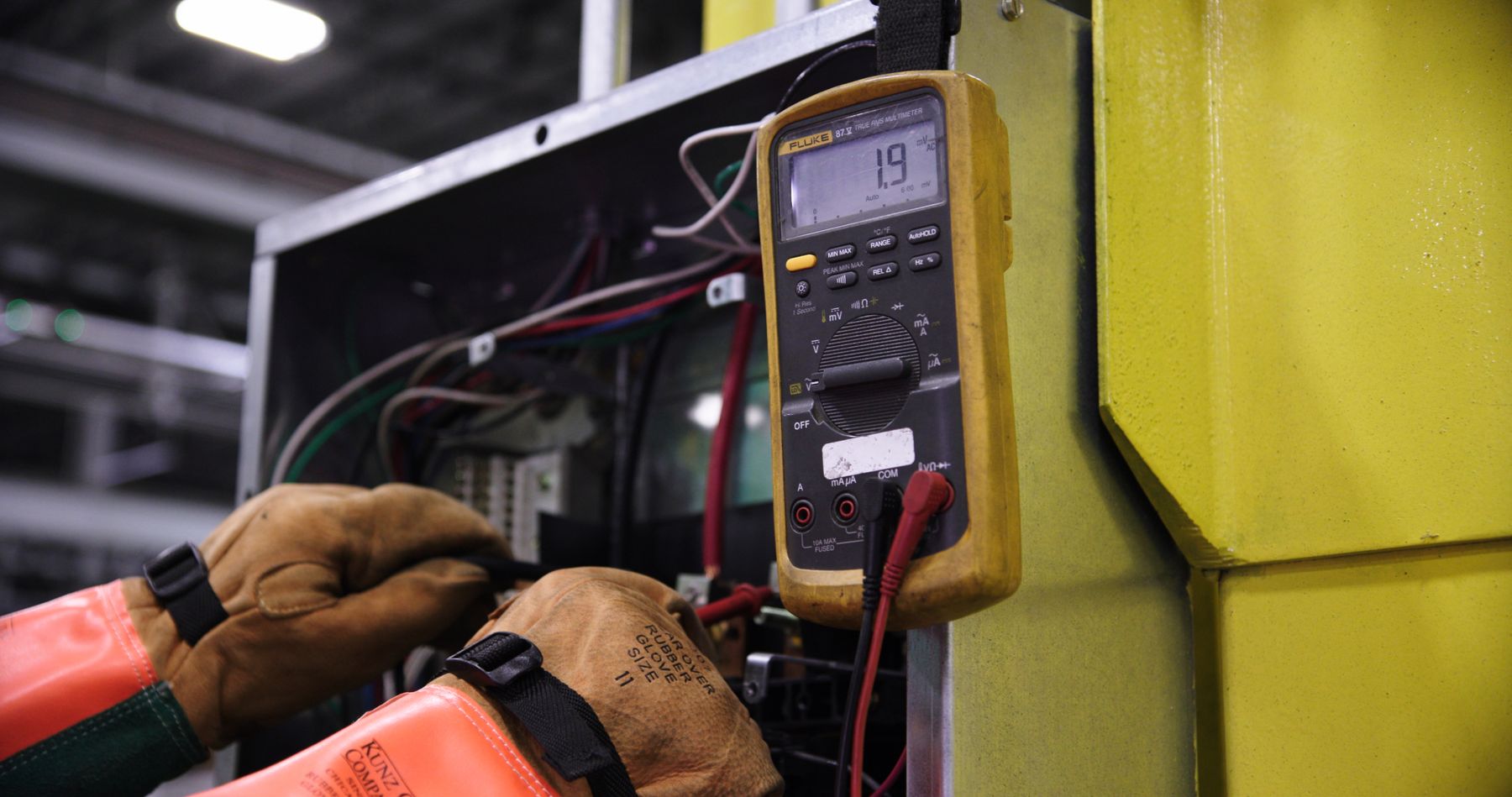
Coordinate terminal positions, duct exits and service access within the cabinet. Wire labels should correspond to the circuit table and equipment ports. Agree boundaries for dielectric, partial-discharge or other project-specific tests.柜内连接需协调端子位置、线槽出口和可维护空间,线号应能对应回路表与设备端口。选配时,约定耐压、局放或其他项目要求的试验边界。
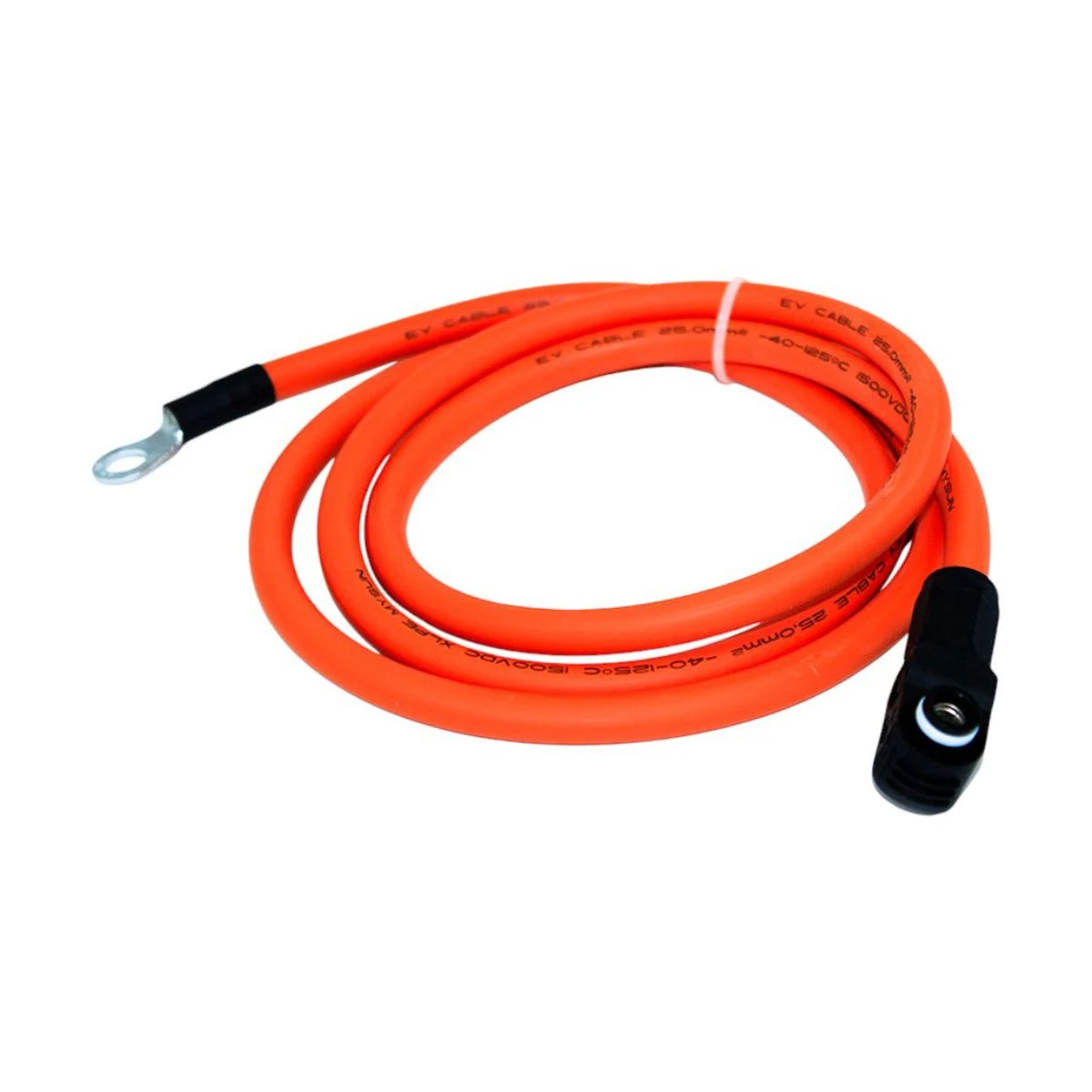
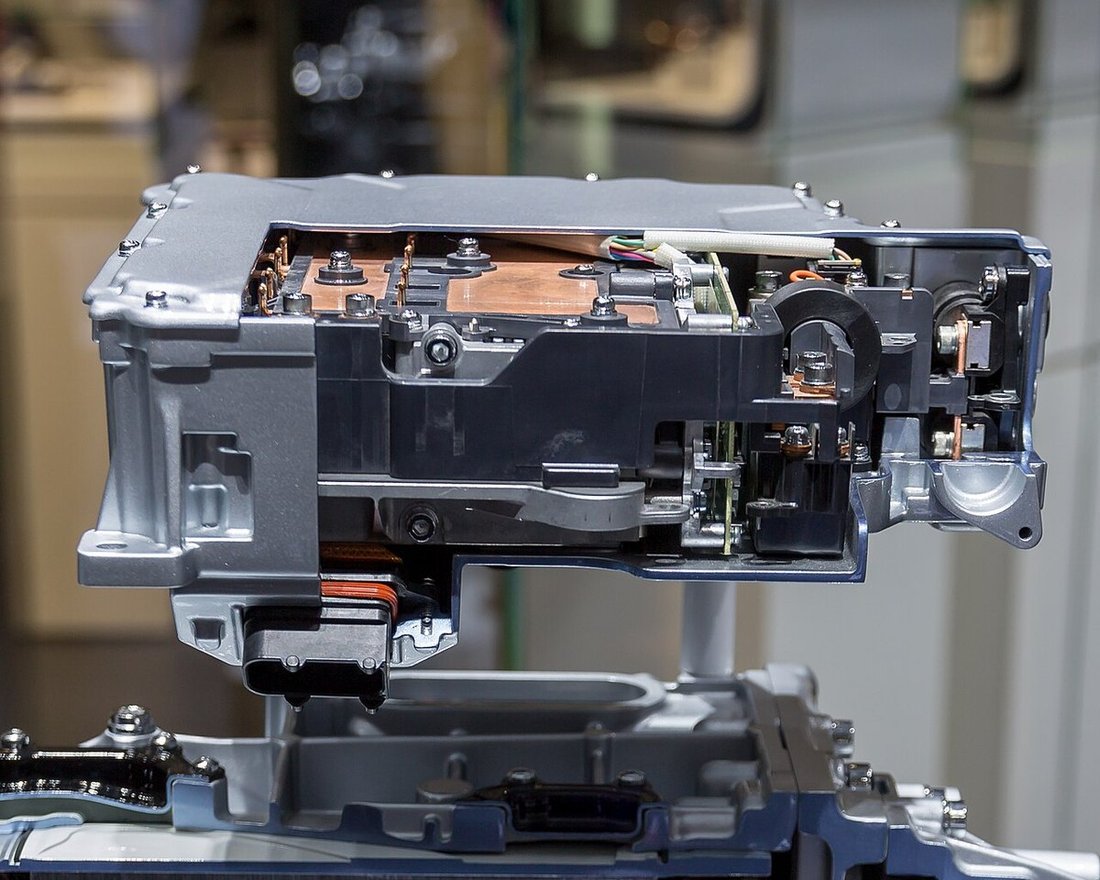
Define system voltage, load, interlock and accessory requirements in vehicle power-system projects before selecting cable construction and interface validation. Record operating voltage, transient peaks and applicable specifications separately.车辆动力系统连接需先界定系统电压、负载、互锁与附件要求,再确定线缆结构及接口验证范围。选配时,分别记录工作电压、瞬态峰值与适用规范。
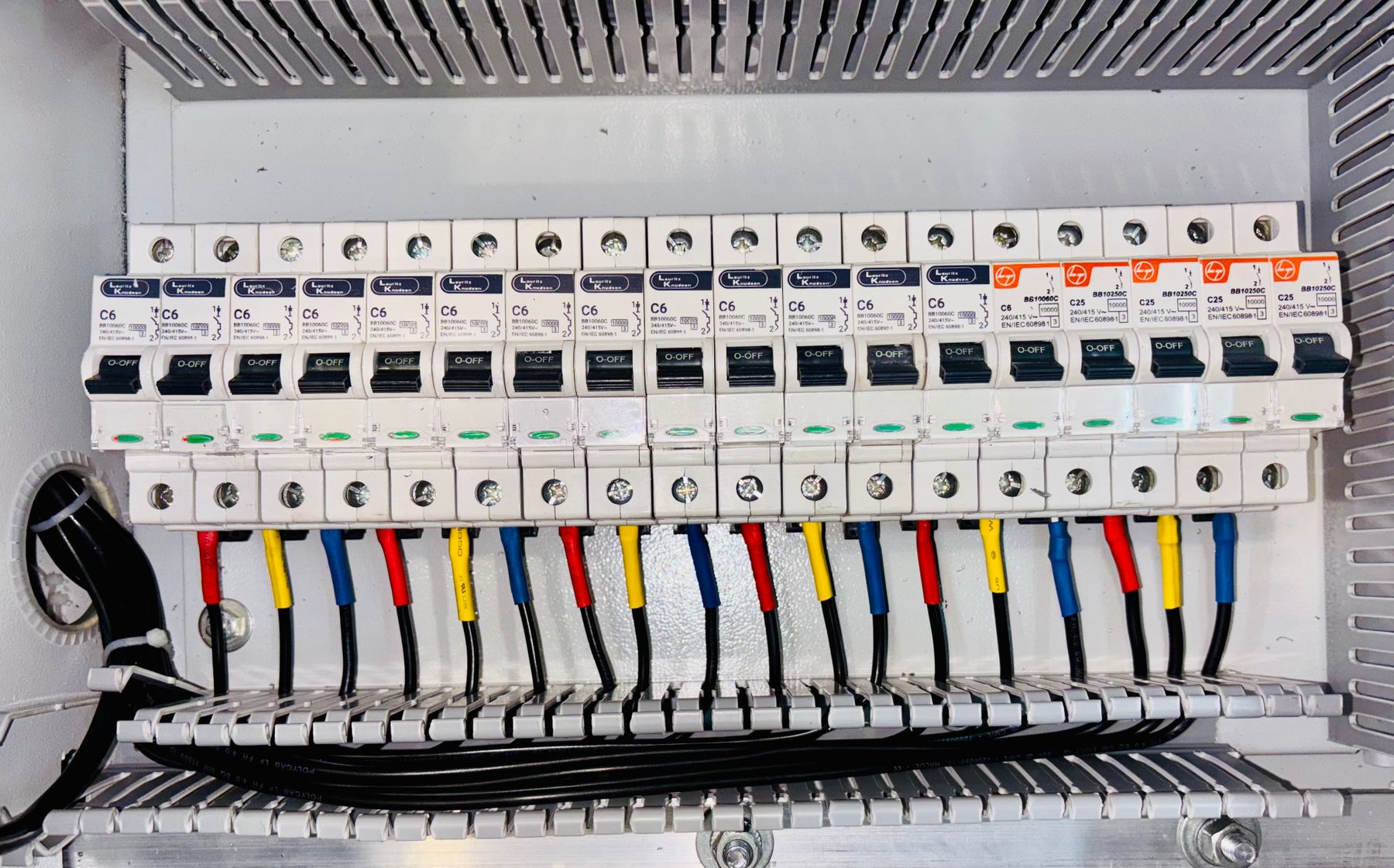
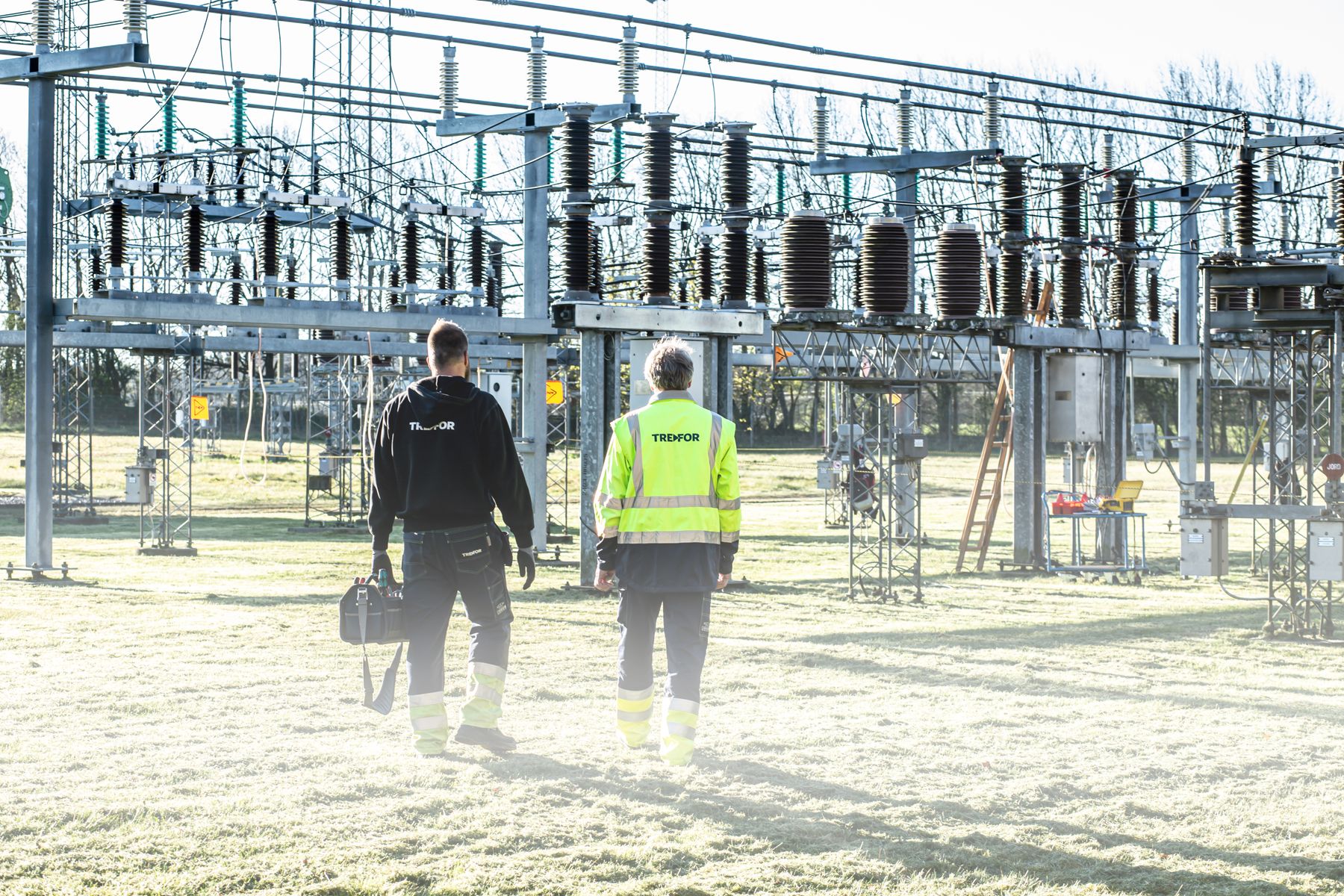
Coordinate separation clearance, cable retention and service routes at power cabinets. Select cables and accessories for the specific system conditions. Review conductor area for load, temperature rise and installation derating.电力柜的进出线需要协调隔离间距、固定和维护路径,线缆与附件的选择应依据具体系统条件。选配时,导体截面按负载、温升和安装降额审核。