

Miniature plug-and-socket ends微型双端插接
Miniature mating ends let the temperature extension be arranged as a removable section. Define mating and polarity from complete interface documents.两端设置微型插接端头,便于把测温延长段作为独立线段安排安装和拆卸。对插与极性按完整接口资料确认。
The miniature plug-and-socket arrangement provides a starting point for an extension between a Type K sensor and instrument. Select cable and contacts for the thermocouple type and temperature zones, with length defined by the actual route.一端插接、另一端接入的微型双接头结构,便于在K型测温传感器与仪表之间安排延长段。线材和接点按分度及各段温度选择,长度以实际设备路径确认。
Consider the sensing element, leads and instrument as one measurement chain, separating the visible connection form from measurement configuration defined for the project.把感温元件、引线与仪表作为同一测量链路考虑;以下区分可见连接形式与需在项目中定义的测量配置。
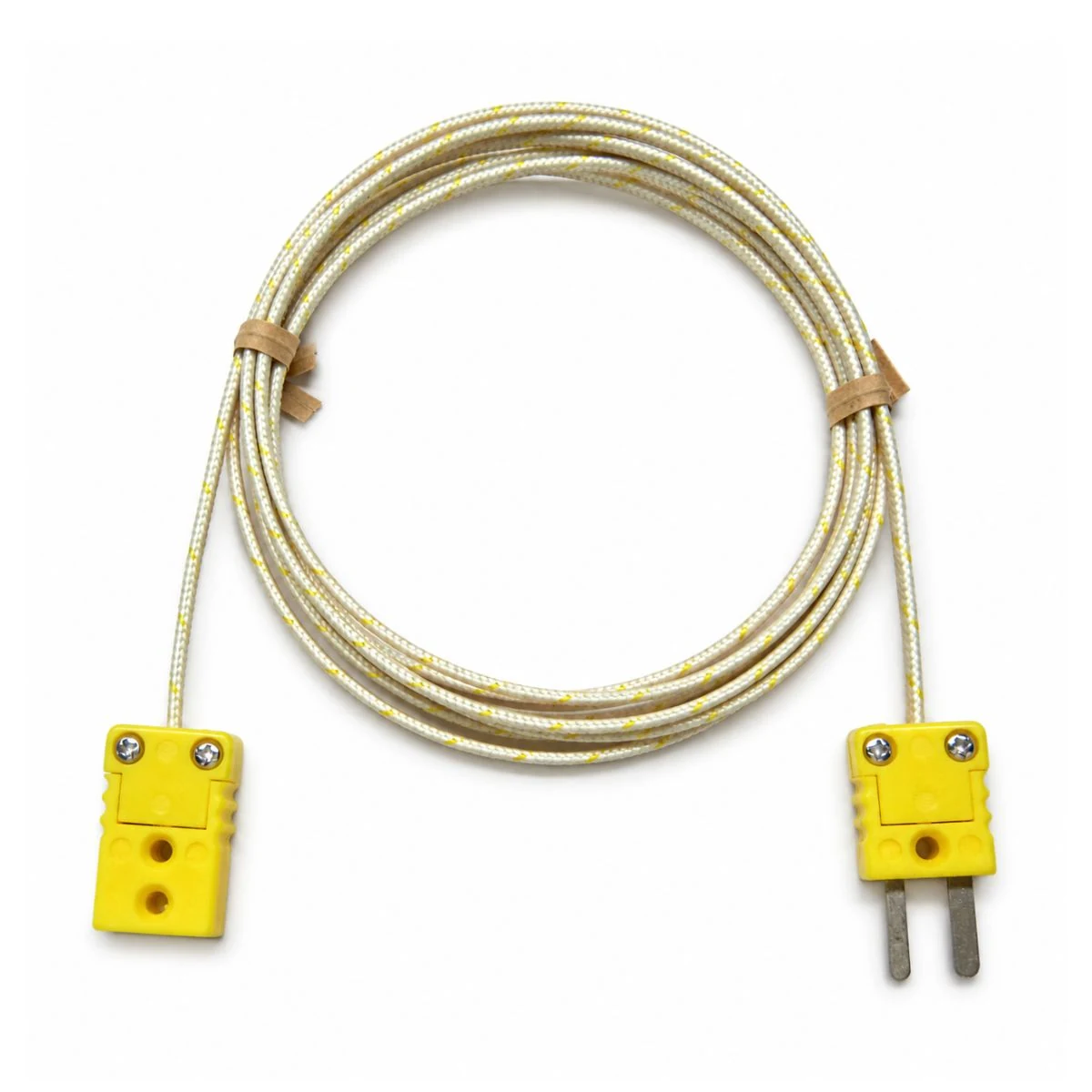
Miniature mating ends let the temperature extension be arranged as a removable section. Define mating and polarity from complete interface documents.两端设置微型插接端头,便于把测温延长段作为独立线段安排安装和拆卸。对插与极性按完整接口资料确认。
A continuous fine-cable section links the ends. Set length, supports and bends behind the ends around sensor and instrument positions.两端之间是一段连续细线,可围绕传感器到仪表的位置安排长度、固定和端头后方的弯曲空间。
Define connector-contact and cable materials together within the thermocouple chain, including material transitions and the reference junction as well as end form.连接器触点与线材材料需一起纳入热电偶链路定义,避免只确认端头外形而遗漏材料转换和参考接点。
The table describes the construction and available configuration choices. Materials, dimensions, circuits and inspection requirements are agreed for each project.以下说明展示结构与可配置内容。具体材料、尺寸、电路和检验要求按项目确认。
| Thermocouple type and connection task热电偶分度与接入任务 | Record thermocouple type and sensor and instrument-input documents. Distinguish probe leads, extension leads and compensating sections. Use the matching material system for Type K; yellow appearance alone does not identify it.记录热电偶分度、传感器与仪表输入资料,区分探头引线、延长线与补偿段。K型项目按对应材料体系定义,不以黄色外观单独认定。 |
|---|---|
| Polarity and channel mapping正负极与通道对应 | Define positive and negative leads, interface positions and channel IDs at each end. Confirm connector-contact materials and the convention used for polarity marks.逐端定义正负极、接口位置与测量通道编号,核对连接器触点材料和极性标识采用的规范。 |
| Extension and compensating materials延长与补偿导线材料 | Select specified materials from the measuring junction to the reference junction for the thermocouple type and each temperature zone. Do not directly substitute ordinary copper for specified thermocouple extension or compensating material.从测温结点到参考接点的路径按分度与各段温度选择规定材料,不直接用普通铜线替代指定热电偶延长或补偿材料。 |
| Reference junction and cold-junction compensation参考接点与冷端补偿 | Define material-transition locations, the reference-junction temperature zone and the instrument cold-junction compensation arrangement. Include connectors, terminal blocks and cabinet temperature differences in the measurement-chain review.明确异种材料转换位置、参考接点所在温区及仪表的冷端补偿安排;接头、端子排与柜内温差一并纳入测量链路评审。 |
| Sensing junction and installation测温结点与安装方式 | Confirm junction position, exposed or sheathed construction, and grounding or isolation requirements against sensing contact, response needs and the actual installation.确认结点位置、露出或护套结构、接地或隔离要求,并与测点接触、响应要求及实际安装结构对应。 |
| Length, insulation and thermal-zone route线长、绝缘与热区路径 | Define lengths, materials and temperature zones separately for probe and extension sections. Confirm bending, supports and strain relief; braided appearance does not establish insulation material or temperature rating.分别定义探头段和延长段长度、材料及温区,确认弯曲、固定和端头防拉扯;编织外观不代表已确认的绝缘材料或温度等级。 |
| Sample and measurement acceptance样品与测量验收范围 | Check materials, polarity, connection maps and dimensions in the sample. If temperature comparison or calibration is required, agree equipment, method, measurement-chain scope and reporting responsibility separately.样品核对物料、极性、连接表与尺寸;如需温度比对或校准,另约定设备、方法、整条测量链路范围与报告责任。 |
These directions cover temperature sensing points, thermal zones and instruments. Define sensor type, temperature exposure and measurement acceptance for the specific equipment project.以下为围绕温度测点、热区与仪表的连接方向。传感器类型、使用温区及测量验收按具体设备项目确认。
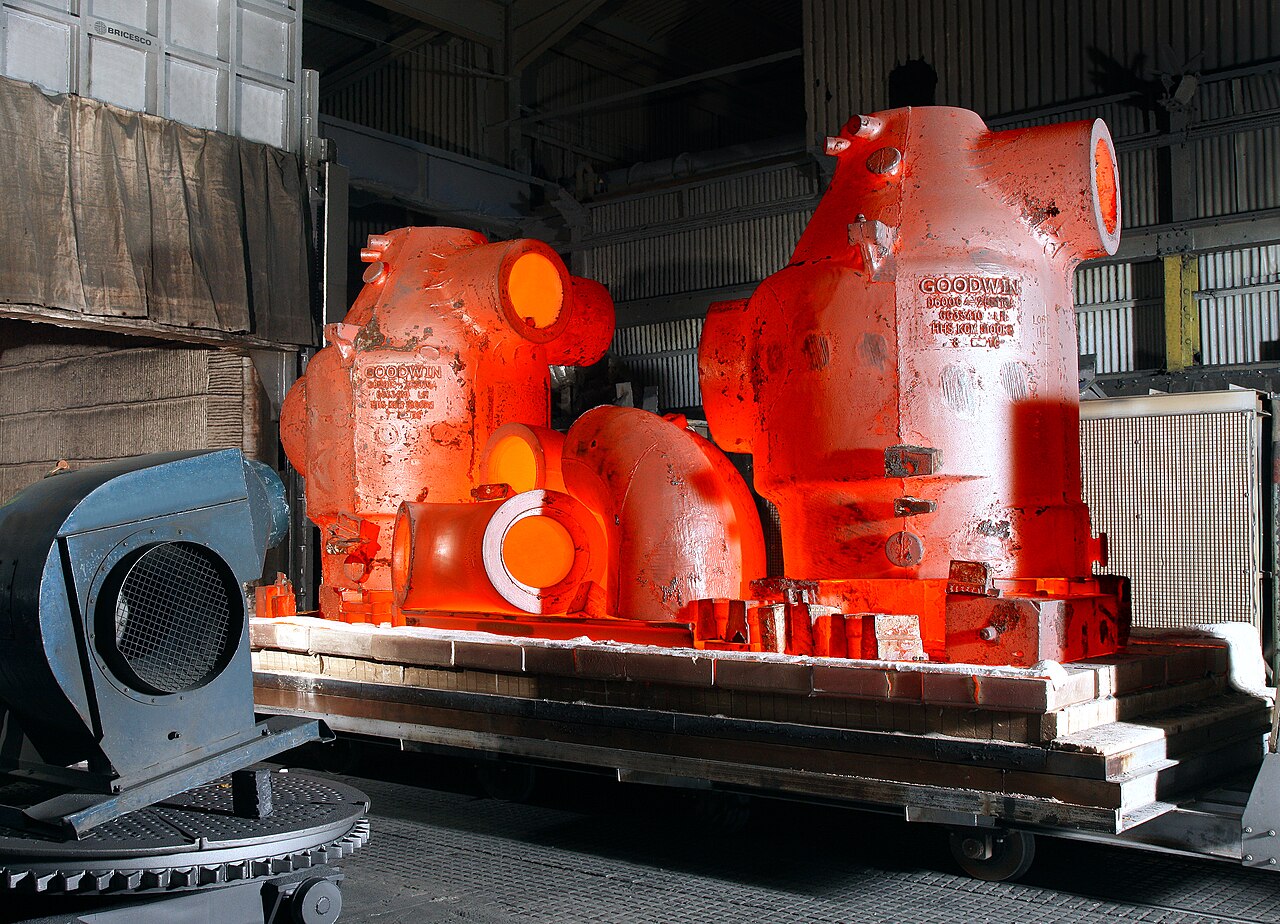
Around thermal equipment, select lead construction from the actual sensing zone, radiant heat and support route. Thermocouple type, junction form and instrument input define the measurement chain; insulation temperature capability does not establish the probe measurement range.热工设备外围的测温引线需按实际测点温区、热辐射与固定路径选择结构。热电偶分度、结点形式和仪表输入共同定义测量链路,不能把引线绝缘的耐温直接当作探头量程。
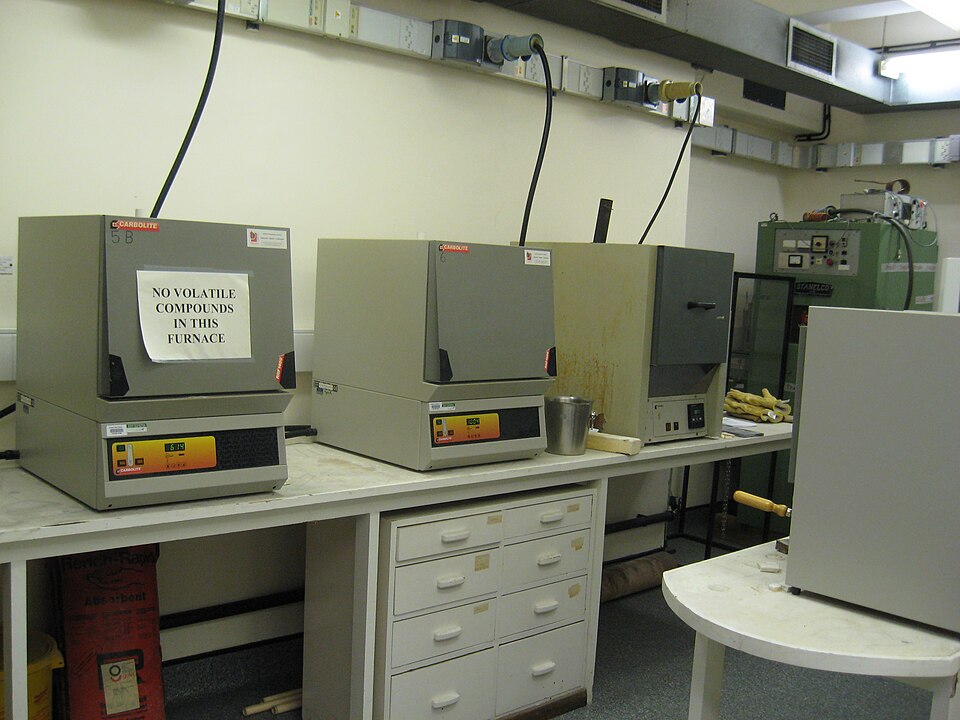
Temperature connections for furnaces or controlled chambers need separate definitions for the sensing point, cable passage and external instrument area. Select extension or compensating materials for each section and record the reference-junction position within the system.烘炉或温控腔体的测温连接需区分腔内测点、穿出位置与腔外仪表区。按各段温度和接线方式安排延长或补偿材料,把参考接点位置纳入系统记录。
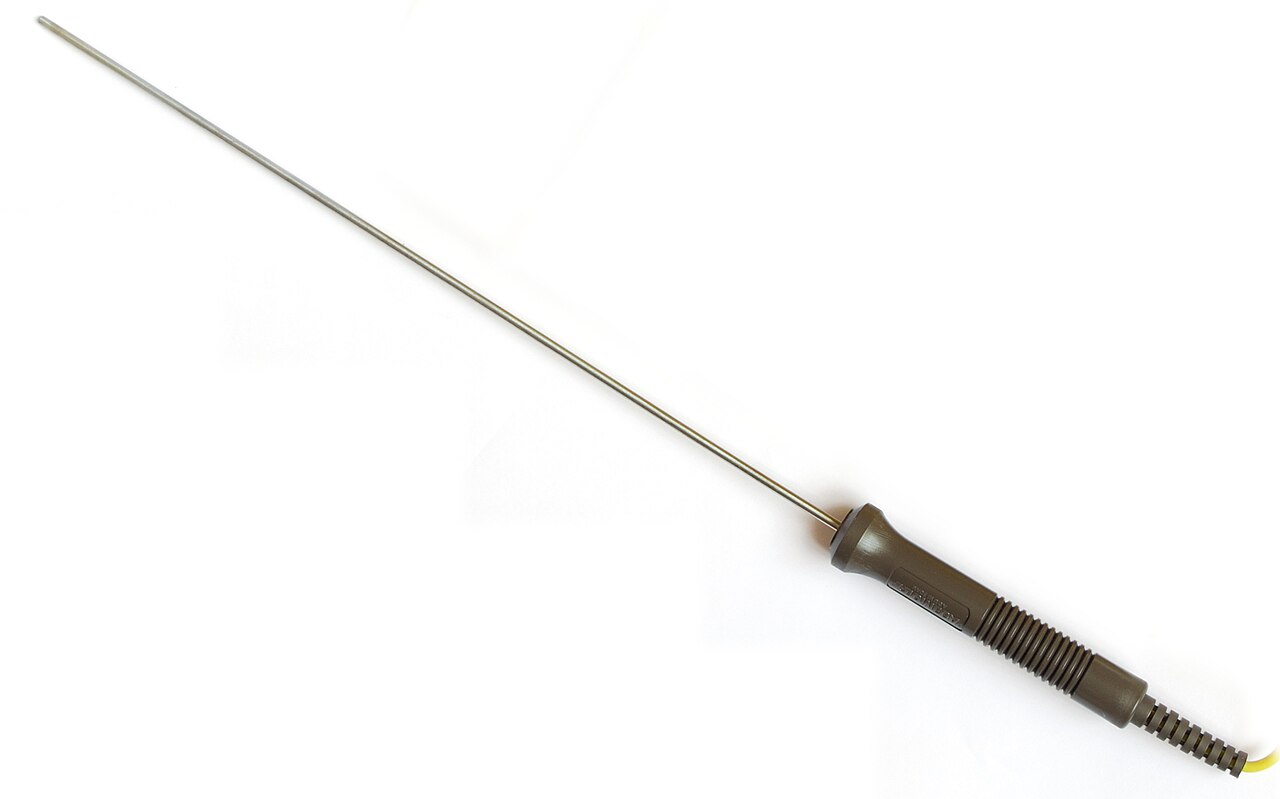
Configure thermocouple leads for the distance between probe and instrument, confirming probe type, interface polarity and sensing-point retention before planning the extension. Define contact arrangements and temperature zones for stem probes or fine-wire junctions from the specific probe and equipment documents.热电偶引线可按探头与仪表之间的距离配置,先确认探头分度、接口极性和测点固定,再安排延长段。杆式或细线结点采用的接触方式与使用温区,按具体探头和设备资料定义。

Where commercial heating equipment uses thermocouple inputs, keep probe, extension and controller type and polarity aligned. Define material transitions, the reference junction and cold-junction compensation across the chamber boundary from the equipment design, distinguishing instrument ambient temperature from the sensing point.商用加热设备采用热电偶输入时,探头、延长段与温控仪表需保持分度和极性对应。腔体内外的材料转换、参考接点和冷端补偿按设备方案确认,避免把仪表环境温度当作测点温度。
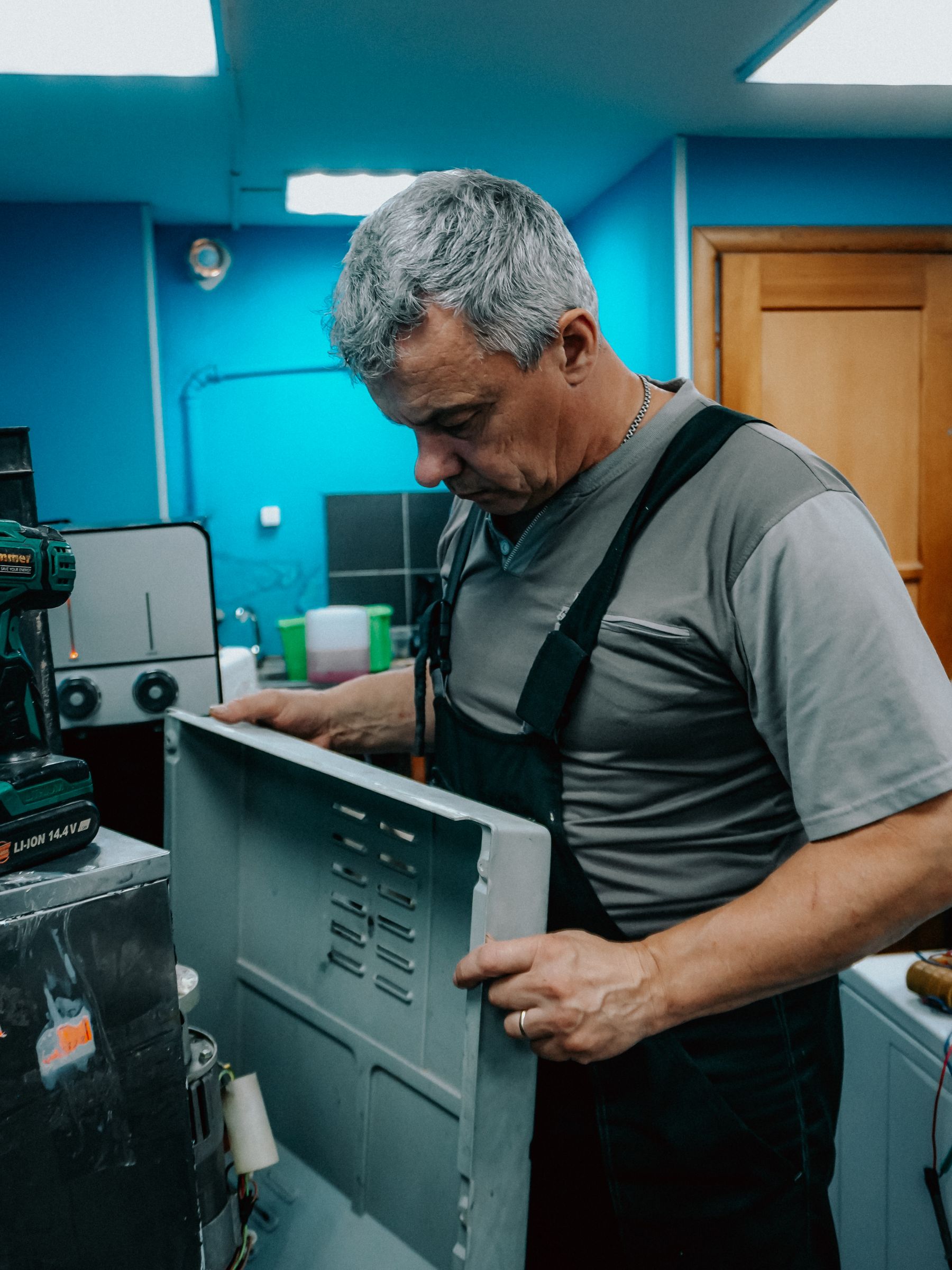
For appliance projects using thermocouples, define the sensor, temperature-control module and removable interfaces separately. Plan materials, retention and junction requirements for leads passing through heated areas, the enclosure and service positions from equipment documents.家电采用热电偶测温的项目,需分别确认传感器、温控模块及可拆接口。引线经过加热区、机壳和维修位置时,各段材料、固定和接点要求按设备资料安排。
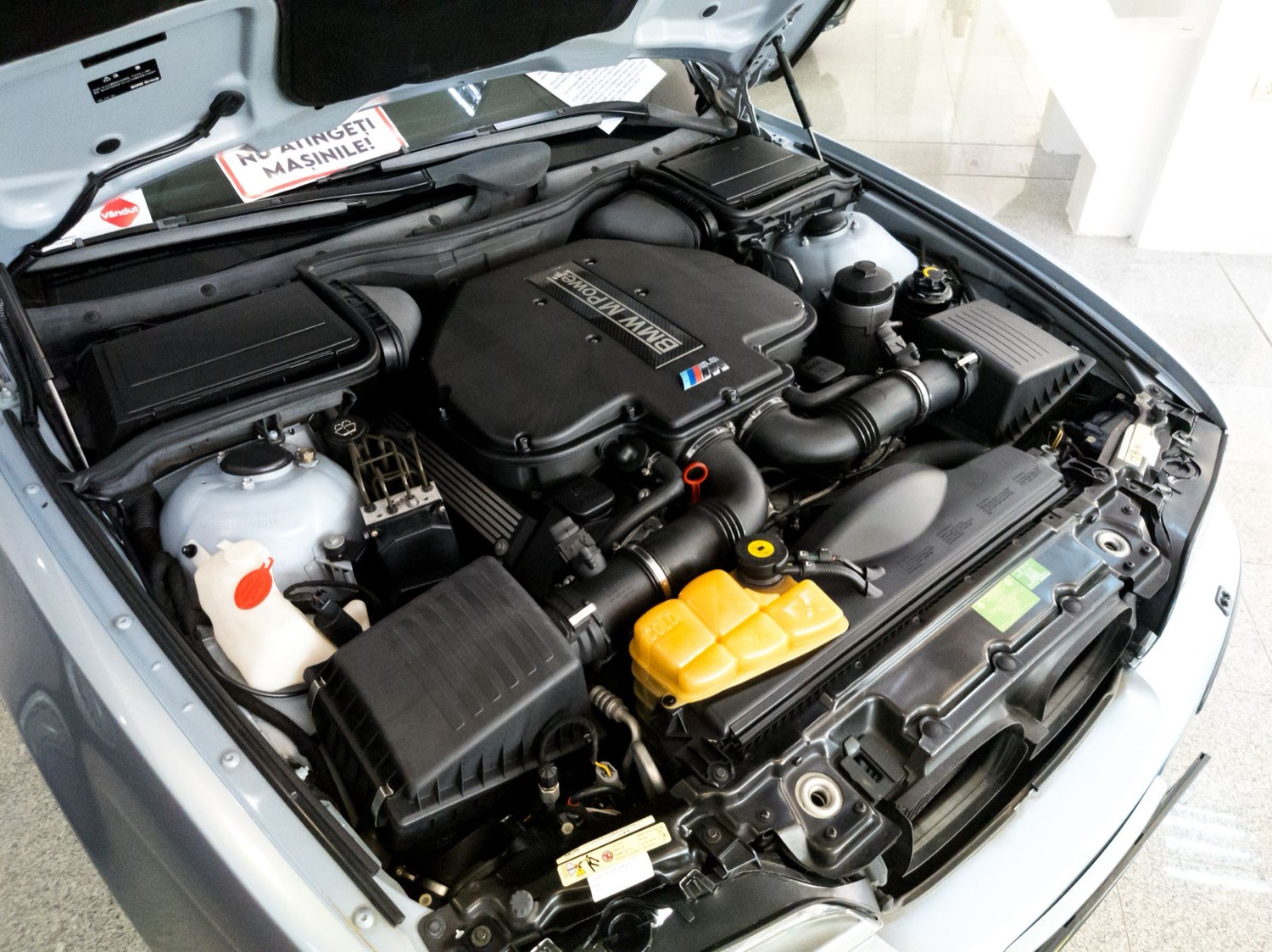
For thermocouple projects around an engine, define the sensing point, probe construction and temperature zones along the lead separately. Configure the connection for the specified type, interfaces and support route, and include reference-junction and instrument-area thermal conditions in validation.发动机外围的热电偶测温项目,需把实际测点、探头结构和引线经过的温区分开定义。按具体分度、接口与固定路径配置连接,并将参考接点和仪表区的热环境纳入验证。
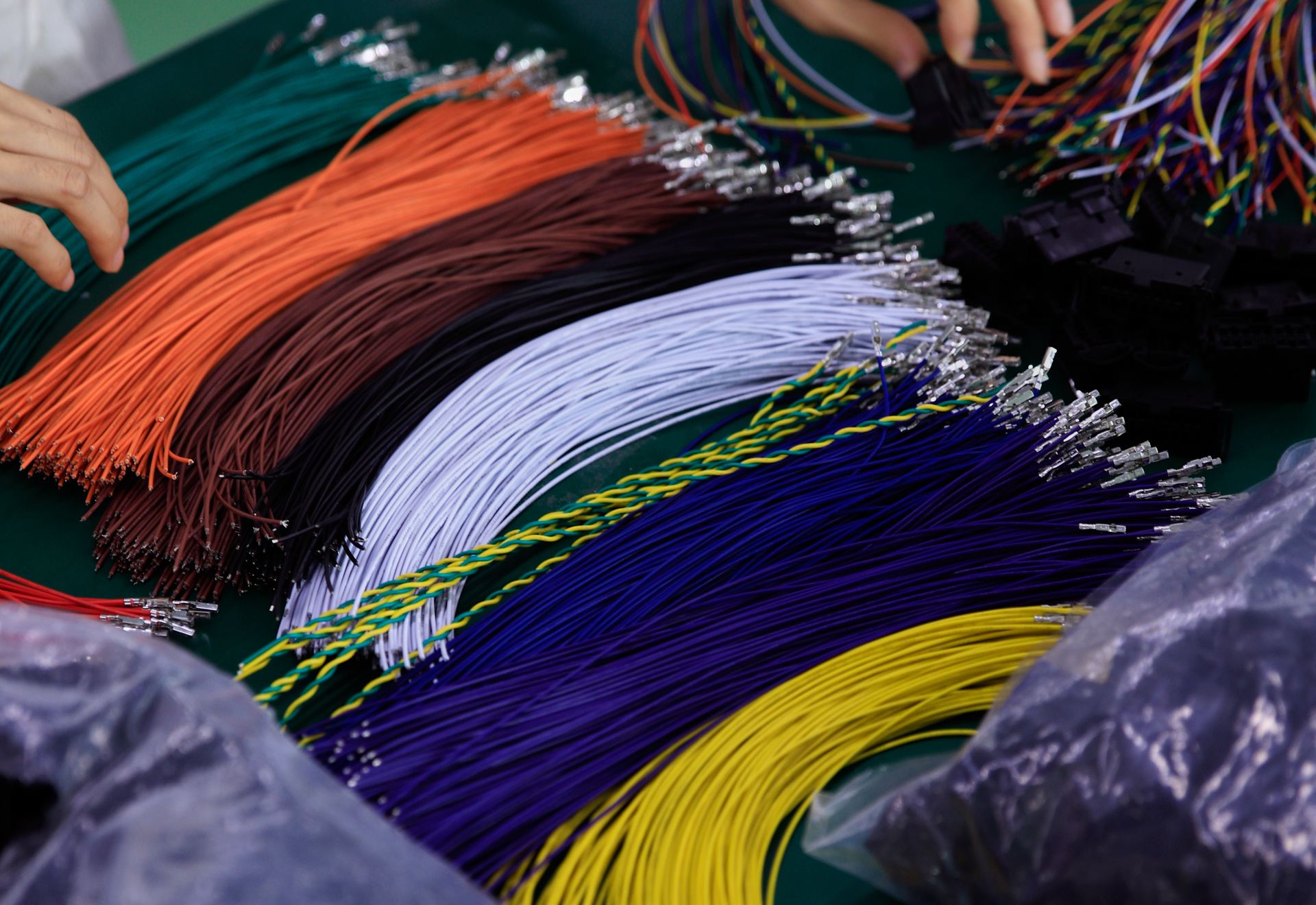
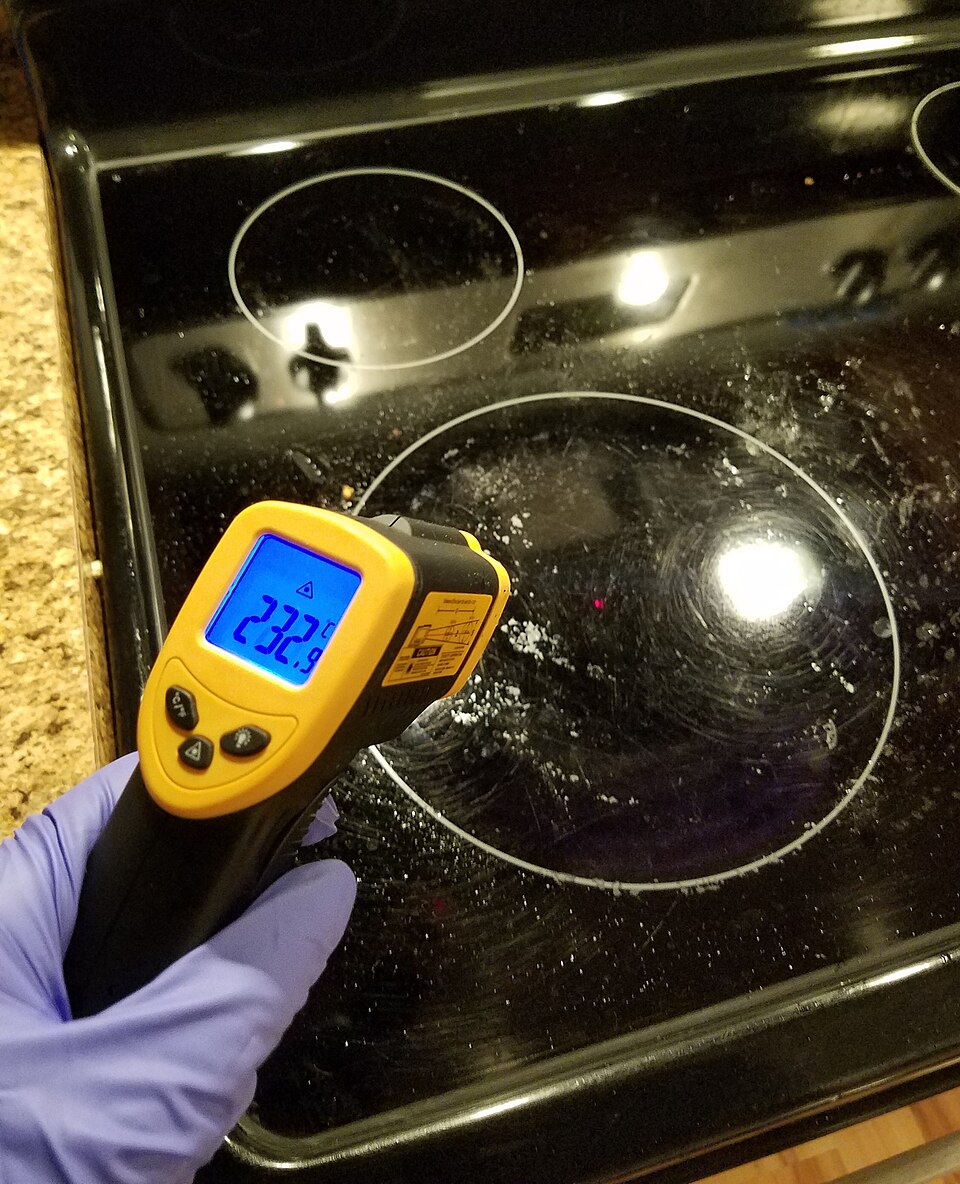
Our China factory provides custom wire harness manufacturing and OEM/ODM project support. Define sensor and lead supply scope before sampling against approved materials, connection maps and dimensions. Agree temperature comparison, calibration, complete-system validation and reporting scope separately.Super Smile-Tech中国工厂提供定制线束制造及OEM/ODM项目支持。测温连接先明确传感器与引线供货范围,再按确认材料、连接表和尺寸组织样品;温度比对、校准及完整系统验证的执行范围与报告要求单独约定。
Put thermocouple type, extension or compensating materials, end contacts and insulation sections in the BOM. Mark material boundaries across temperature zones in the assembly drawing.把热电偶分度、延长或补偿材料、端头触点和绝缘分段写入BOM;不同温区的材料边界在装配图中标明。
Set length, end direction and labels around sensor and instrument positions, keeping polarity, sensing-point IDs and acquisition channels traceable in the connection map.围绕传感器与仪表位置安排线长、端头朝向和标签,使正负极、测点编号与采集通道可逐路核对。
Confirm structure, materials and wiring at sample review. Treat reference junctions, cold-junction compensation and temperature calibration as measurement-chain requirements, with execution scope and records agreed for the project.样品先确认结构、物料和接线;参考接点、冷端补偿与温度校准属于整条测量链路的要求,执行范围及记录在项目中约定。
Use the specified materials for the thermocouple type and temperature zones between the measuring and reference junctions. Connections beyond the reference junction follow the instrument design; do not replace sections arbitrarily with copper.从测温结点到参考接点的路径需使用与分度及温区相符的规定材料。参考接点之后的连接由仪表设计决定,不能任意在原测量路径中改换铜线。
Also check material specifications, contact materials, polarity marks and the color-code convention. Appearance aids identification but does not replace the thermocouple type and polarity map.还需核对物料规范、触点材料、极性标识和所用色标规则。外观只帮助识别,不能代替分度与正负极连接表。
The lead connects the specified materials with the correct polarity. The instrument and connection arrangement define the reference junction and cold-junction compensation, which need review with the sensor, terminations and temperature zones.延长线负责按规定材料和极性连接。参考接点与冷端补偿由仪表和接线结构定义,需连同传感器、端接和温区共同审核。
Share sensor and instrument models, sensing temperature zones, connection maps, mounting and target lengths. For RTDs, include the wiring scheme; for thermocouples, include type, materials and reference-junction requirements.提供传感器及仪表型号、测点温区、连接表、安装方式和目标长度;温阻补充线制,热电偶补充分度、材料与参考接点要求。