APPLICATIONS连接的应用Application directions应用方向
These are connection directions for project discussion. Suitability depends on interfaces, circuits, installation conditions and project validation; configuration can be adapted to the equipment.以下为可讨论的连接方向。实际适用性取决于接口、电路、安装环境和项目验证,可按设备需求调整。
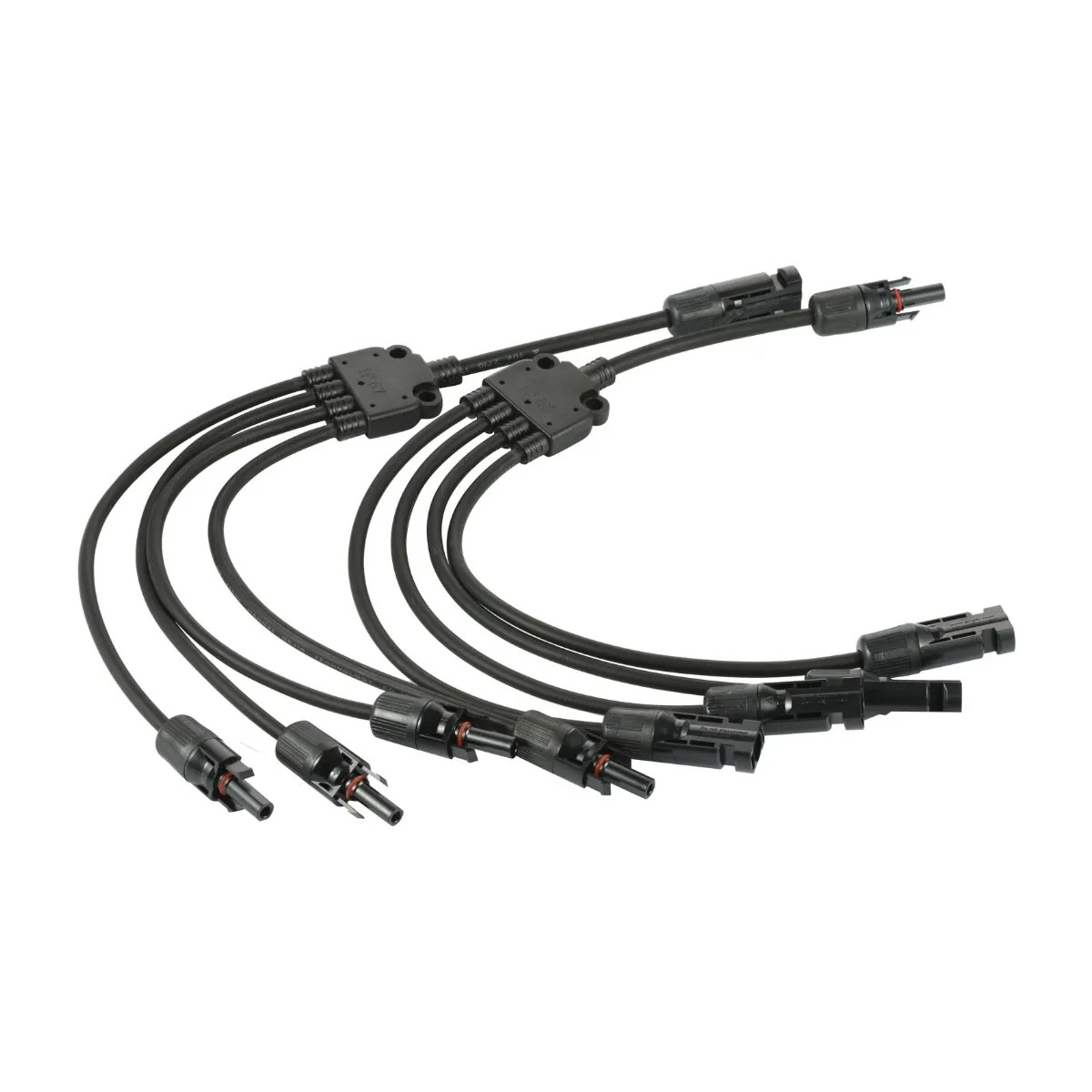
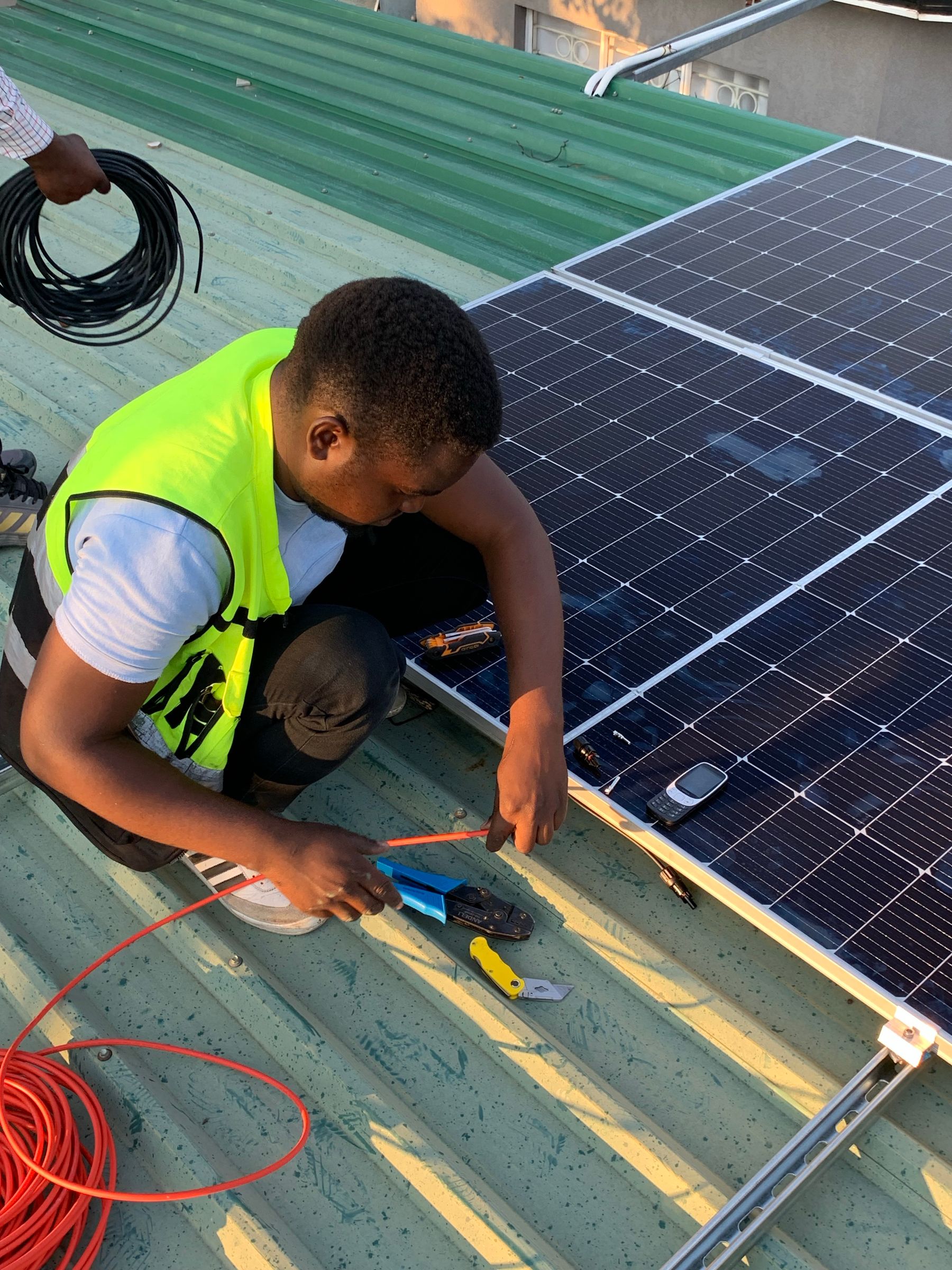
Describe sunlight, rain, pooling water and retention on outdoor routes. Conduit installation and direct exposure need different material and acceptance requirements. Provide temperature range, sunlight and ultraviolet exposure conditions.室外路径应说明日照、雨水、积水和固定方式,穿管或直接暴露属于不同的材料与验收条件。选配时,提供温度范围、日照与紫外线暴露条件。
Define entry orientation, water-trap risks and service access at junction boxes. Record the seal-to-jacket combination separately. State rain, pooling water, conduit, burial or direct-burial duty separately.接线盒入口需要说明安装朝向、积水风险和检修空间;密封件与电缆护套的匹配关系单独记录。选配时,分别注明雨水、积水、穿管、埋地或直埋用途。
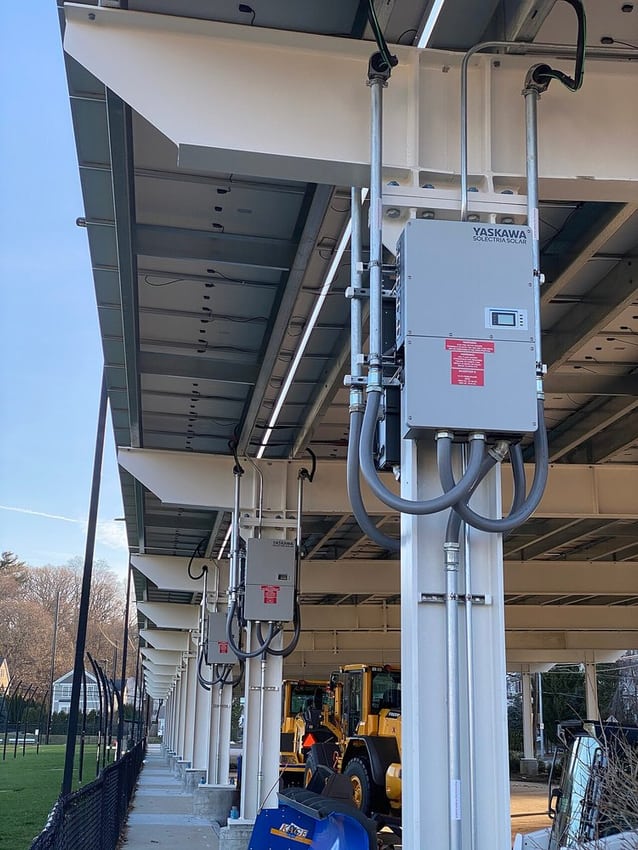
Coordinate supports, bends and entry positions at rooftop equipment. Select jackets and sealing boundaries for long-term exposure conditions. Tie jacket material and weathering data to the exact supplied model.屋顶设备走线需要协调支撑、转弯和接入位置,护套选型与密封边界要考虑长期暴露条件。选配时,护套材料与耐候数据须对应准确供货型号。
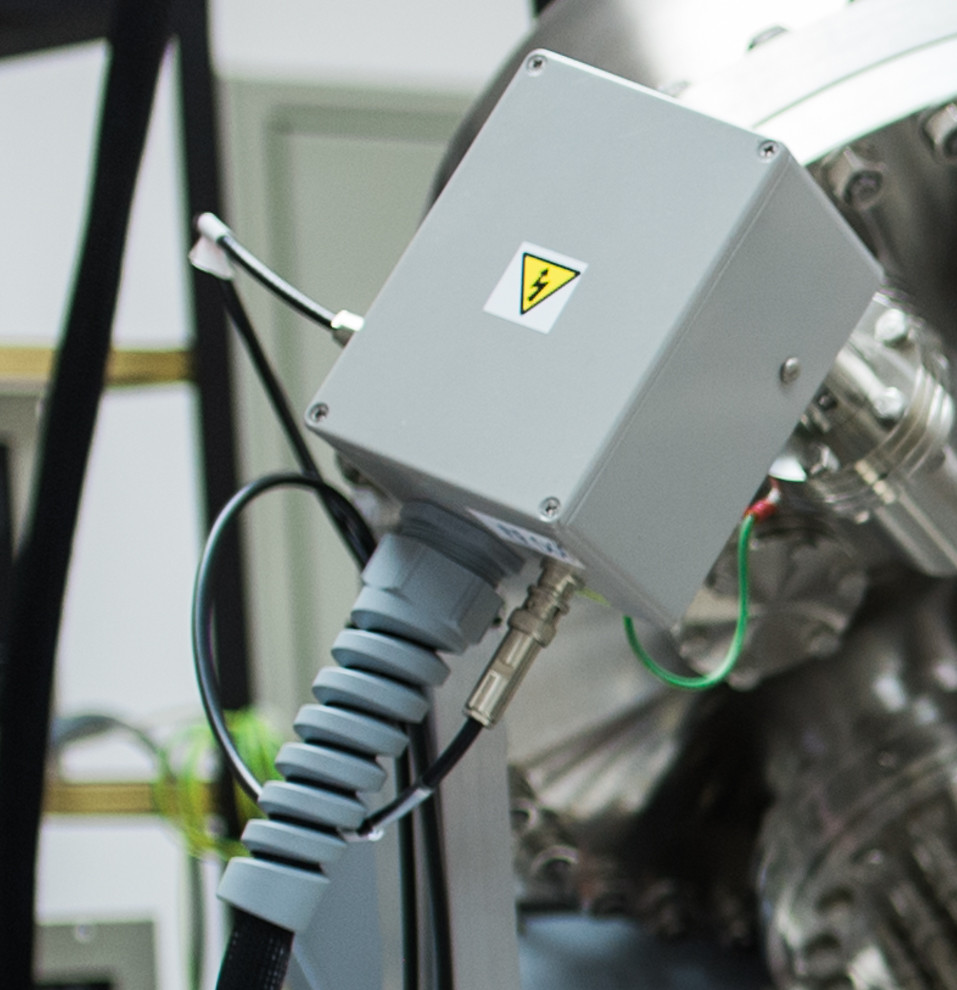
Define signal type, mounting position and movement at sensor leads. Select shielding and grounding for the equipment noise environment. Record installation tension, abrasion points and sealing at both ends.传感器引线需明确测量信号、安装位置和运动范围,屏蔽与接地选择应对应设备干扰环境。选配时,记录安装拉力、磨损点及两端密封结构。
Match cable entries to actual diameter, panel thickness and fixing method. Keep jacket retention independent of the internal termination. Provide temperature range, sunlight and ultraviolet exposure conditions.线缆入口需匹配实际外径、板厚和固定方式;护套夹持与内部端接之间应保留独立的支撑路径。选配时,提供温度范围、日照与紫外线暴露条件。
Keep internal connections clear of working zones and moving parts. Allow appropriate cable length between supports, interfaces and service paths. State rain, pooling water, conduit, burial or direct-burial duty separately.设备机内连接要避开加工区与运动部件,并在固定点、接口和检修路径之间保留合理线缆余量。选配时,分别注明雨水、积水、穿管、埋地或直埋用途。