APPLICATIONS连接的应用Application directions应用方向
These are connection directions for project discussion. Suitability depends on interfaces, circuits, installation conditions and project validation; configuration can be adapted to the equipment.以下为可讨论的连接方向。实际适用性取决于接口、电路、安装环境和项目验证,可按设备需求调整。
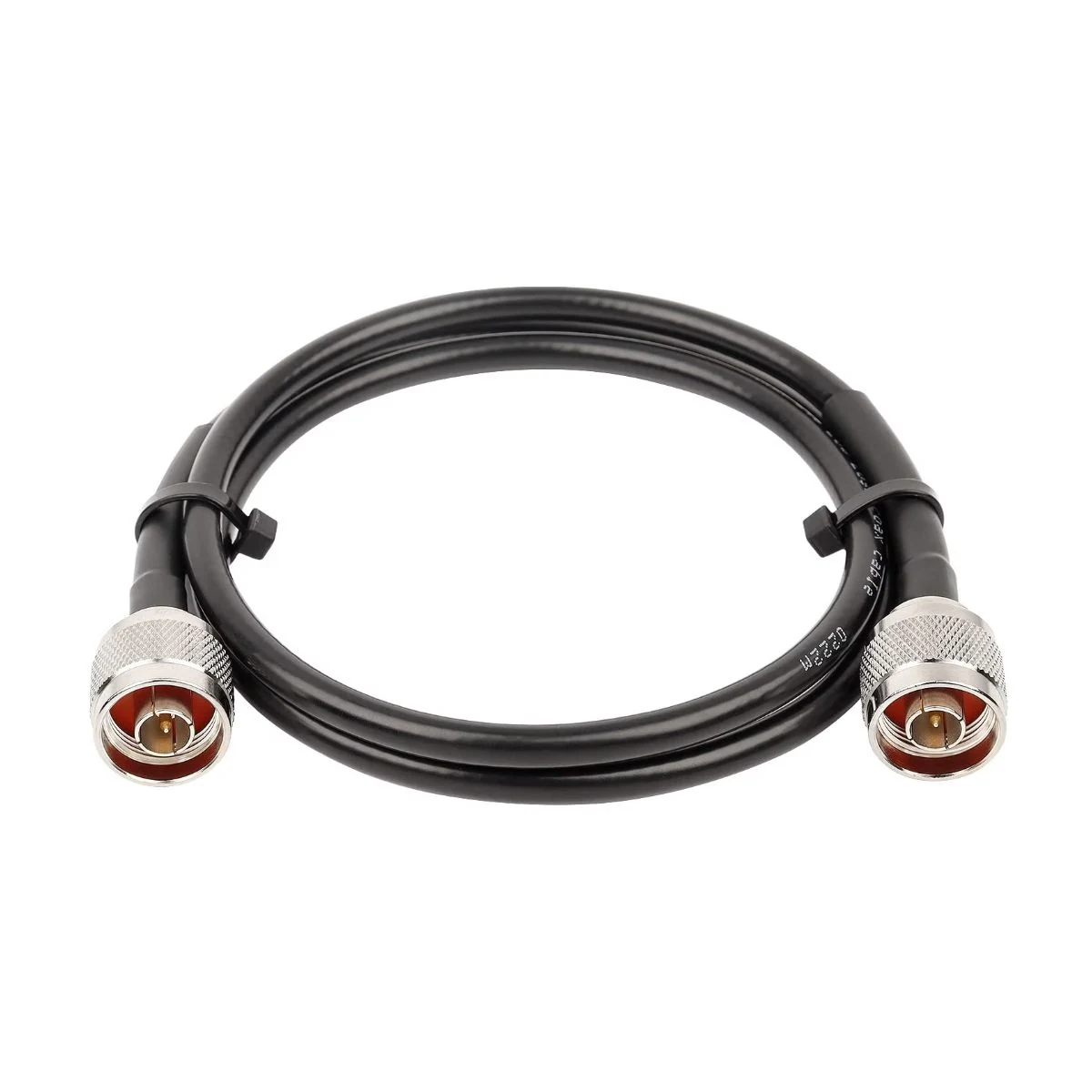
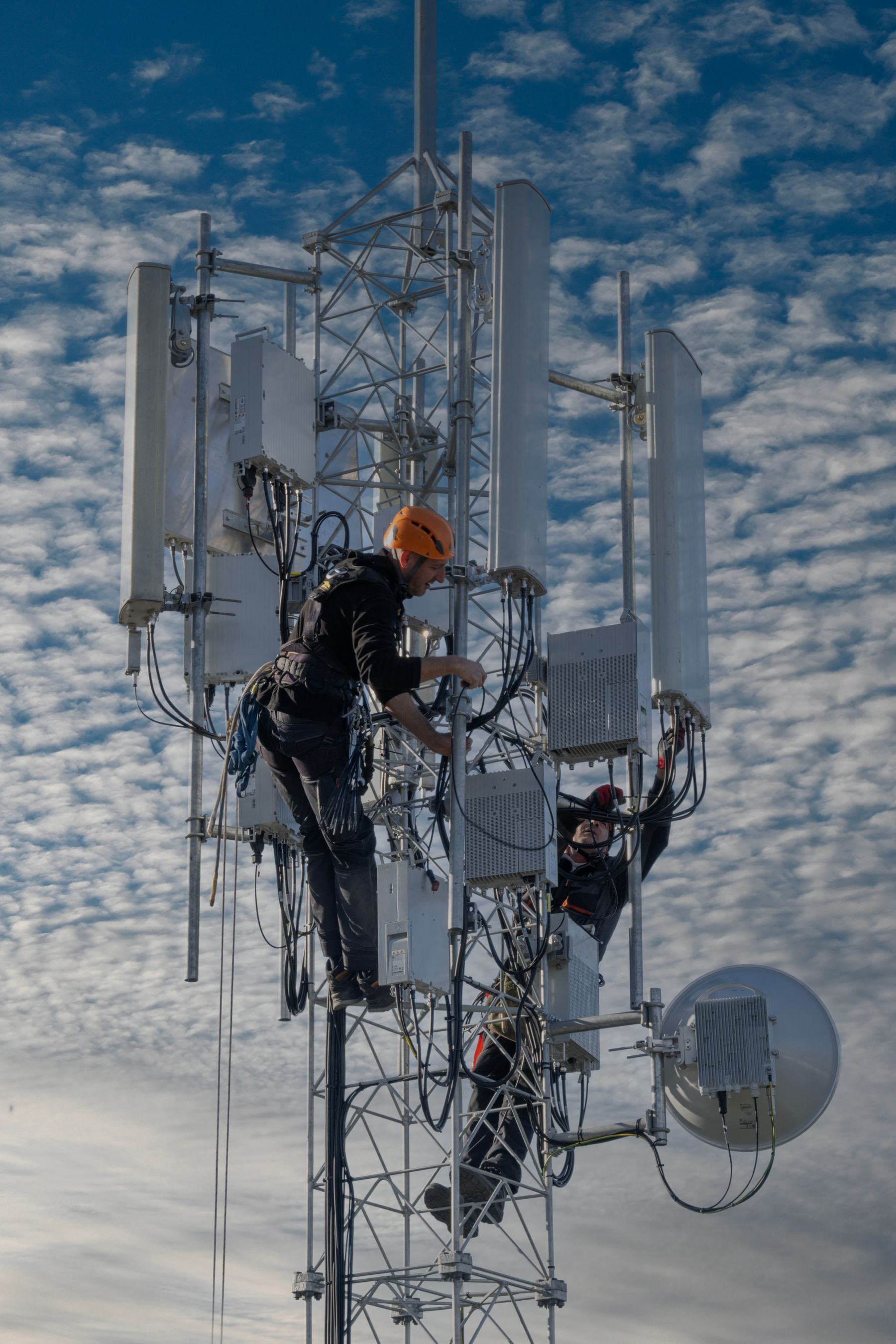
Select coax for frequency, connector polarity and installation distance. Define the transmission basis from coax type, impedance and frequency.频段、接头极性及实际安装距离决定同轴选择。选配时,同轴型号、阻抗与频率共同确定传输基础。
Specify bands, loss and calibration boundaries for validation. Check series, gender and reverse polarity at the center contacts.测量频段、损耗与校准边界需写入验证要求。选配时,系列、公母及反极性按中心接点核对。
Check bends, shield transitions and connector support in tight routes. Specify measurement bands and methods for loss and length.紧凑布线时核对弯曲、屏蔽过渡和接头支撑。选配时,插损、回损与长度写明测量频段和方法。
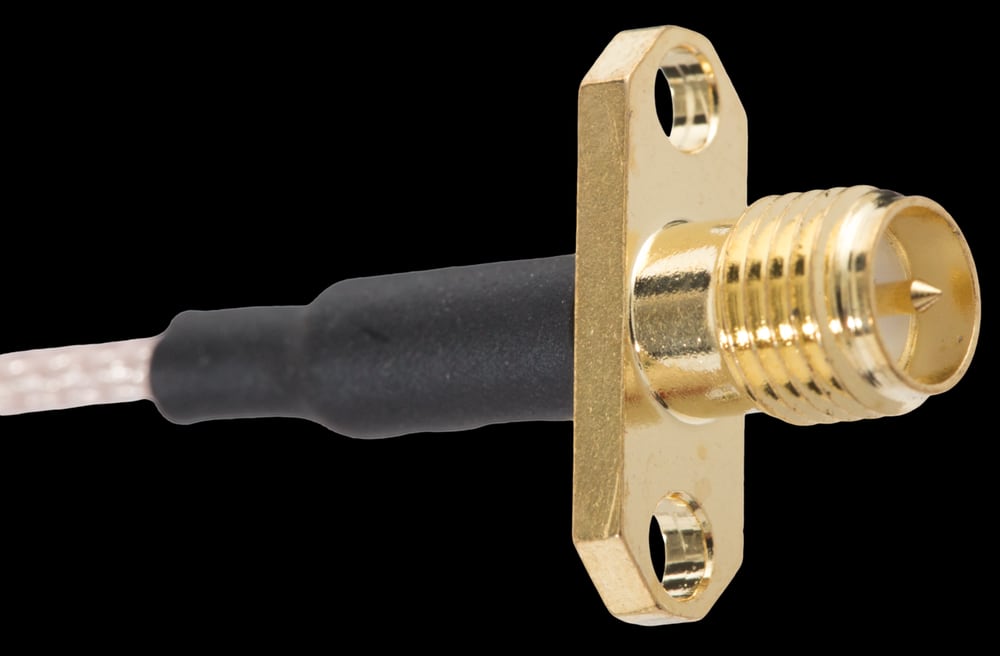
Define panel thickness, feedthrough and grounding with the RF path. Match stripping, crimping, ends and bend limits to the cable.面板厚度、穿壳接口及接地与射频路径一起定义。选配时,剥线、压接、端头与弯曲配合具体电缆。
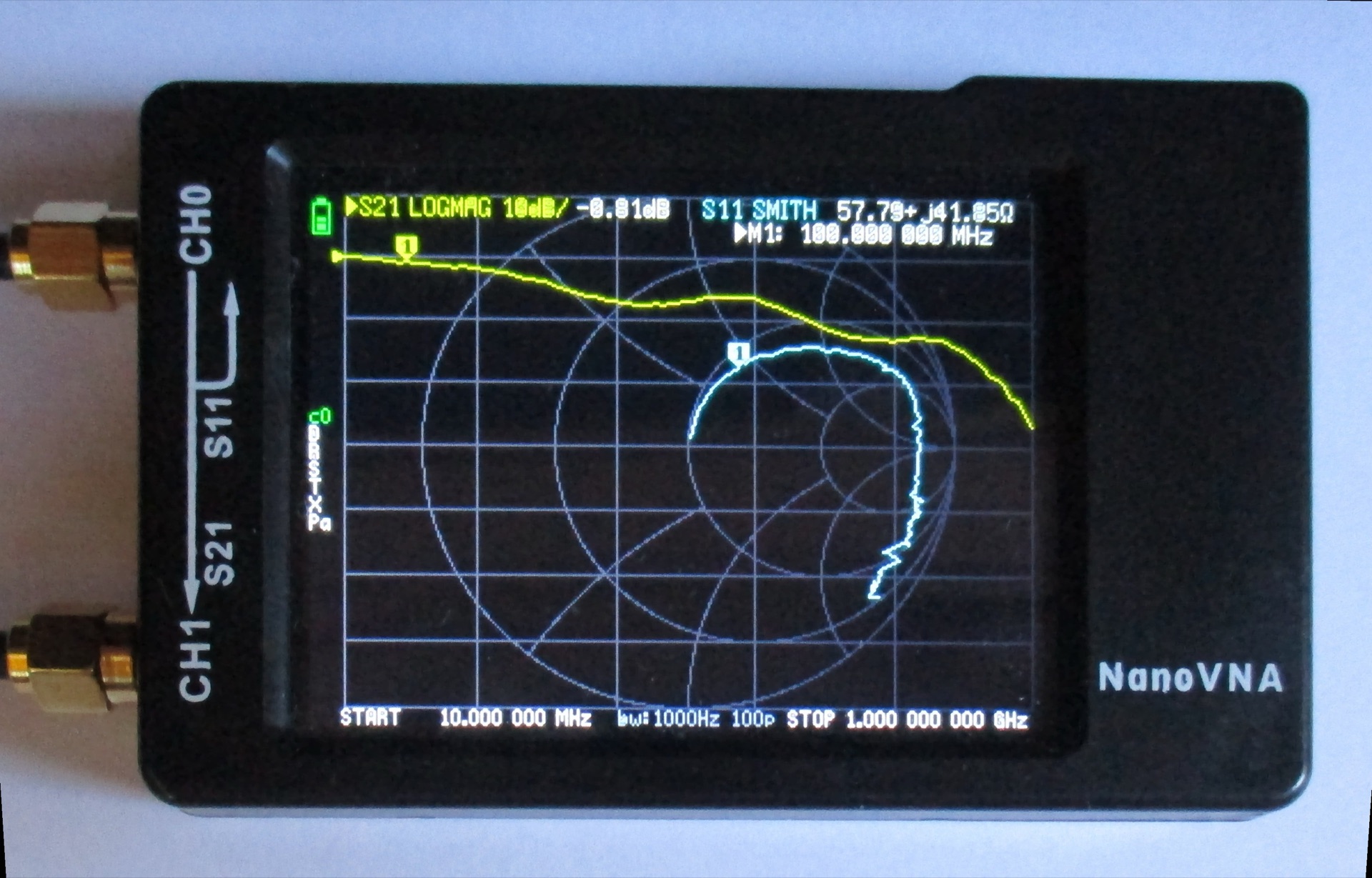
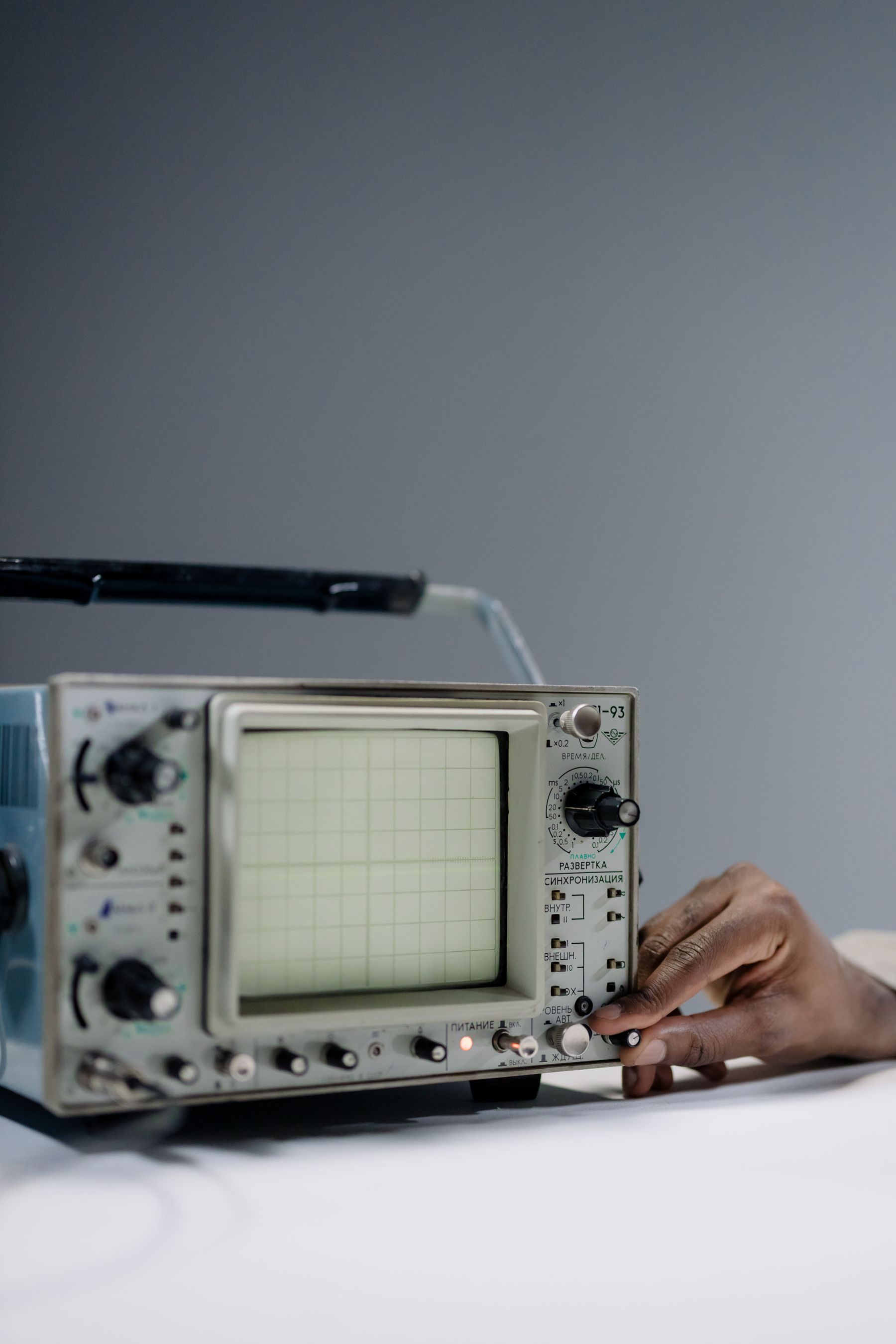
Define measurement leads from instrument ports, impedance, target frequency range and calibration method. Test-equipment capability does not establish the cable rating. Define the transmission basis from coax type, impedance and frequency.测量引线按仪器端口、阻抗体系、目标频段和校准方式确定;测试设备的能力不能直接当作电缆额定。选配时,同轴型号、阻抗与频率共同确定传输基础。
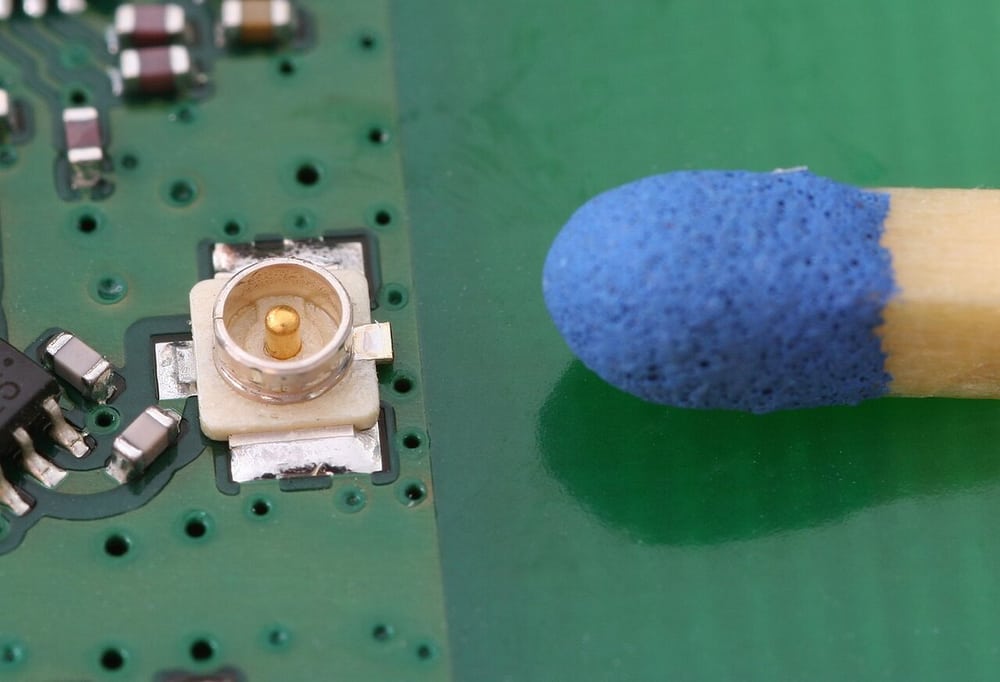
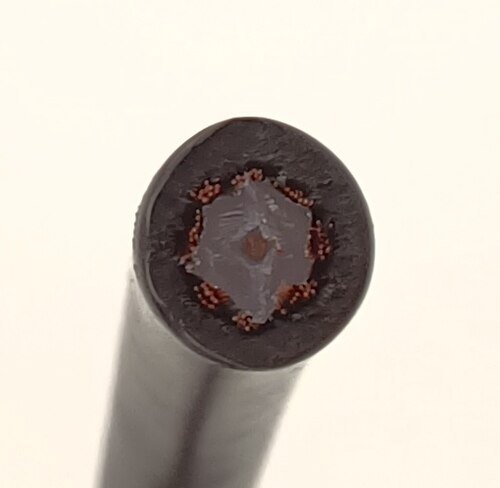
For internal RF connections, review the center conductor, dielectric, shield termination and outlet fixing together so installation bends do not damage the layer construction. Check series, gender and reverse polarity at the center contacts.设备内部的射频连接需同时检查中心导体、介质、屏蔽端接和出口固定,避免安装弯曲损伤层结构。选配时,系列、公母及反极性按中心接点核对。