
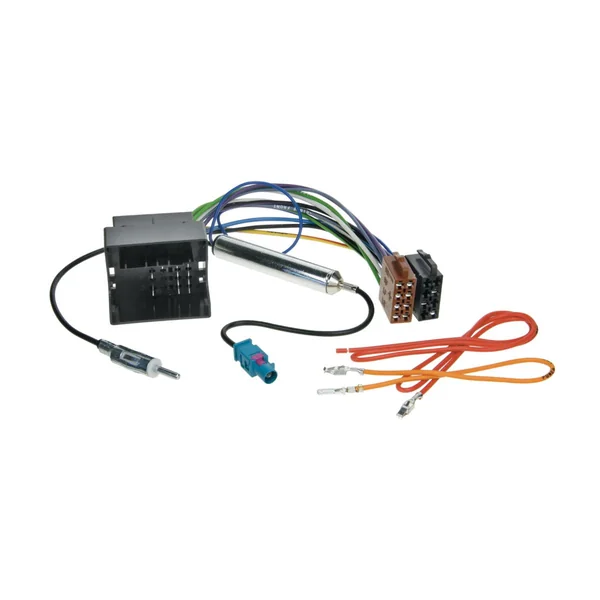

Product type

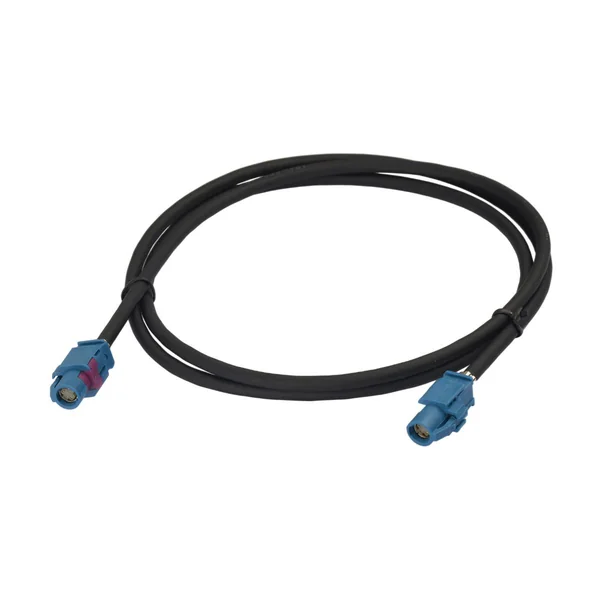
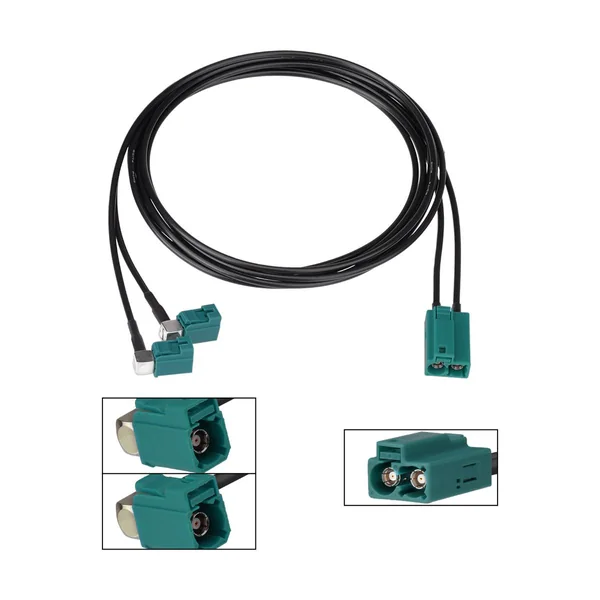
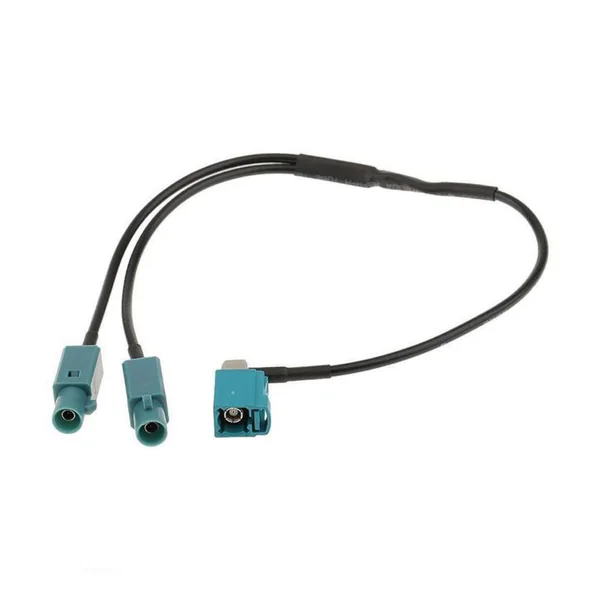
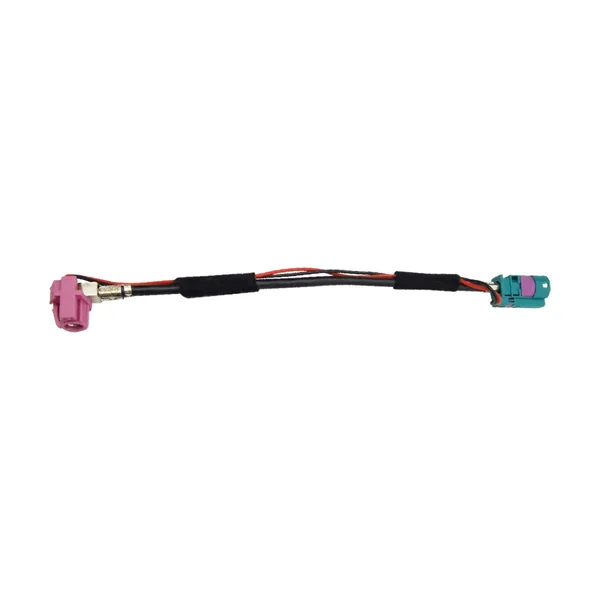
Fakra / LVDS Automotive Cable

Overview

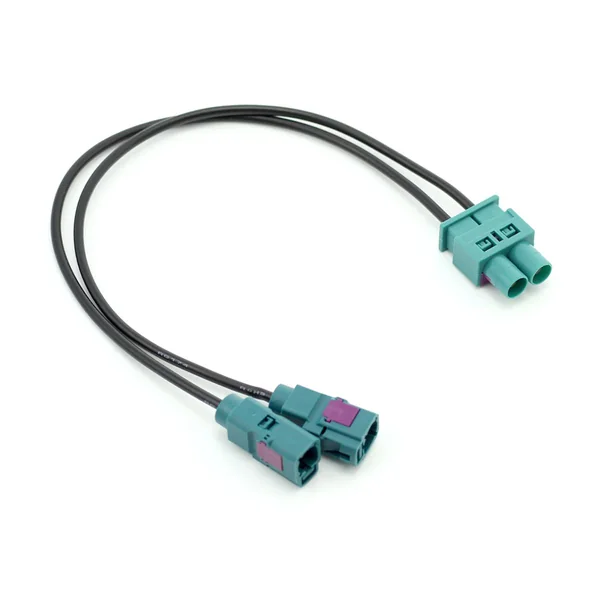
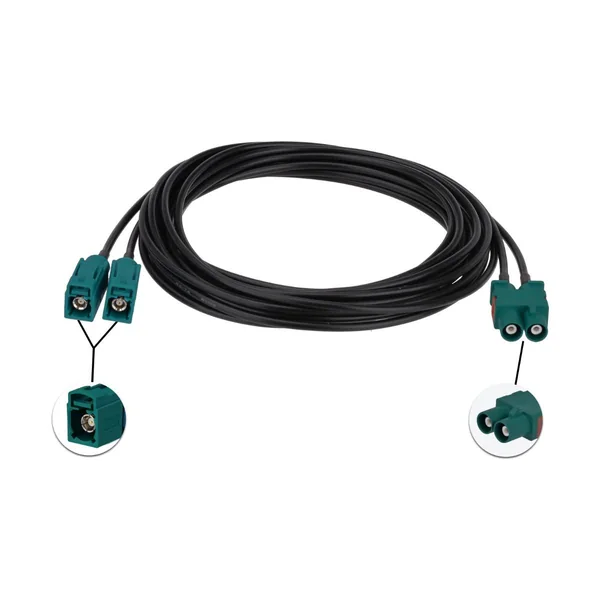
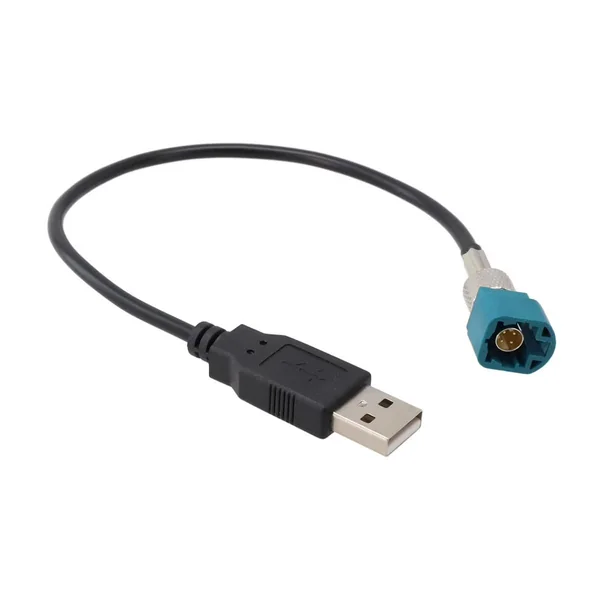
Custom automotive antenna, camera and display interconnects, with FAKRA coaxial and HSD differential paths specified separately for the actual equipment.

Fakra / LVDS Automotive Cable application reference

Product Introduction

This category covers several automotive signal paths: coaxial antenna extensions, camera links, display connections and equipment adapters. Conventional FAKRA is a keyed coaxial connector system, normally used in a 50-ohm channel. HSD is a different, shielded differential interconnect system commonly associated with 100-ohm channels. LVDS describes an electrical signaling method, not a connector shape. A product called an automotive LVDS cable therefore needs an actual interface drawing and equipment reference. Super Smile develops the cable assembly around those requirements; similar colors or housings alone cannot establish compatibility between a camera, head unit and display.

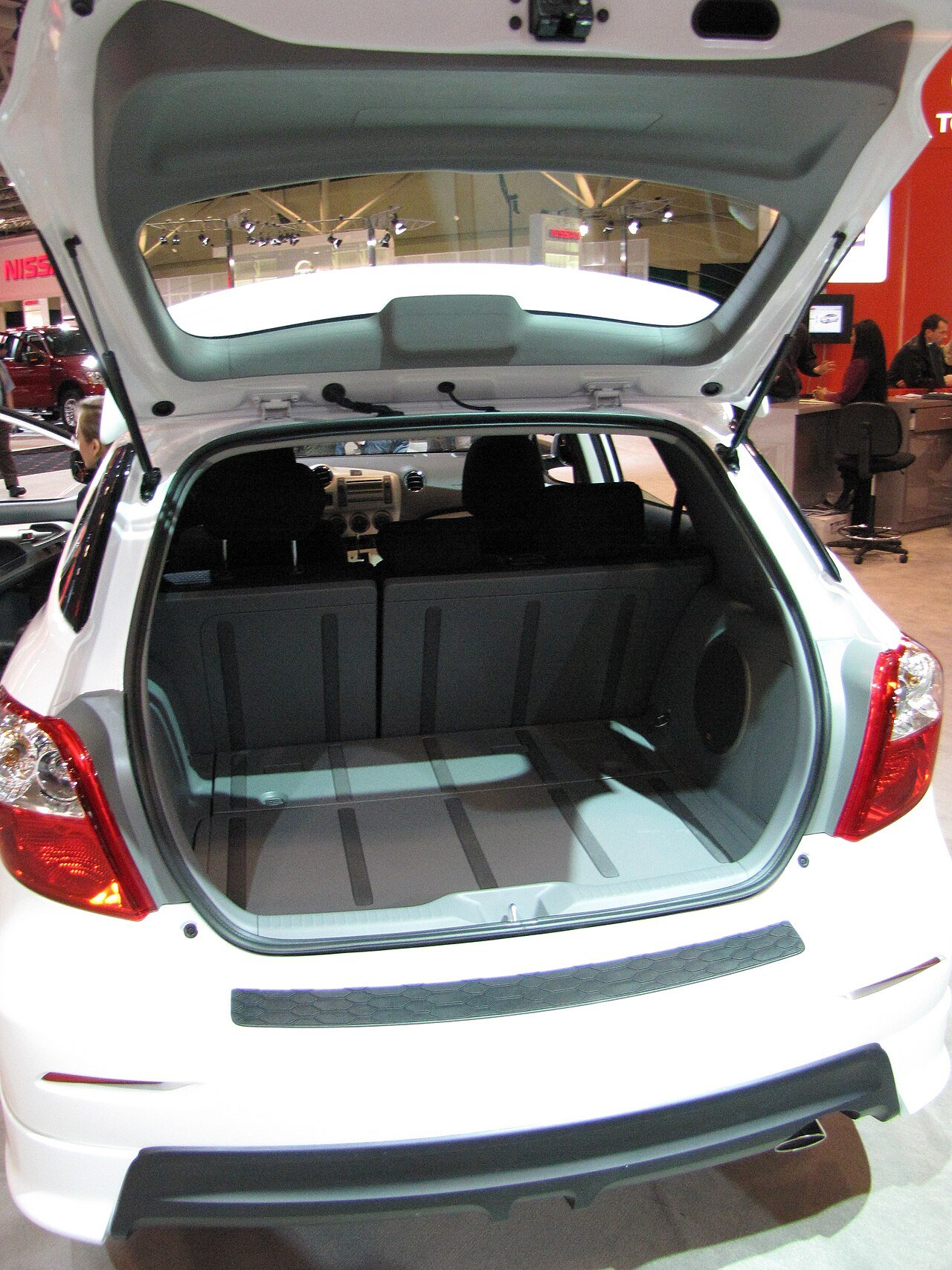
A tailgate camera is one application; its actual interface and protocol still need verification.
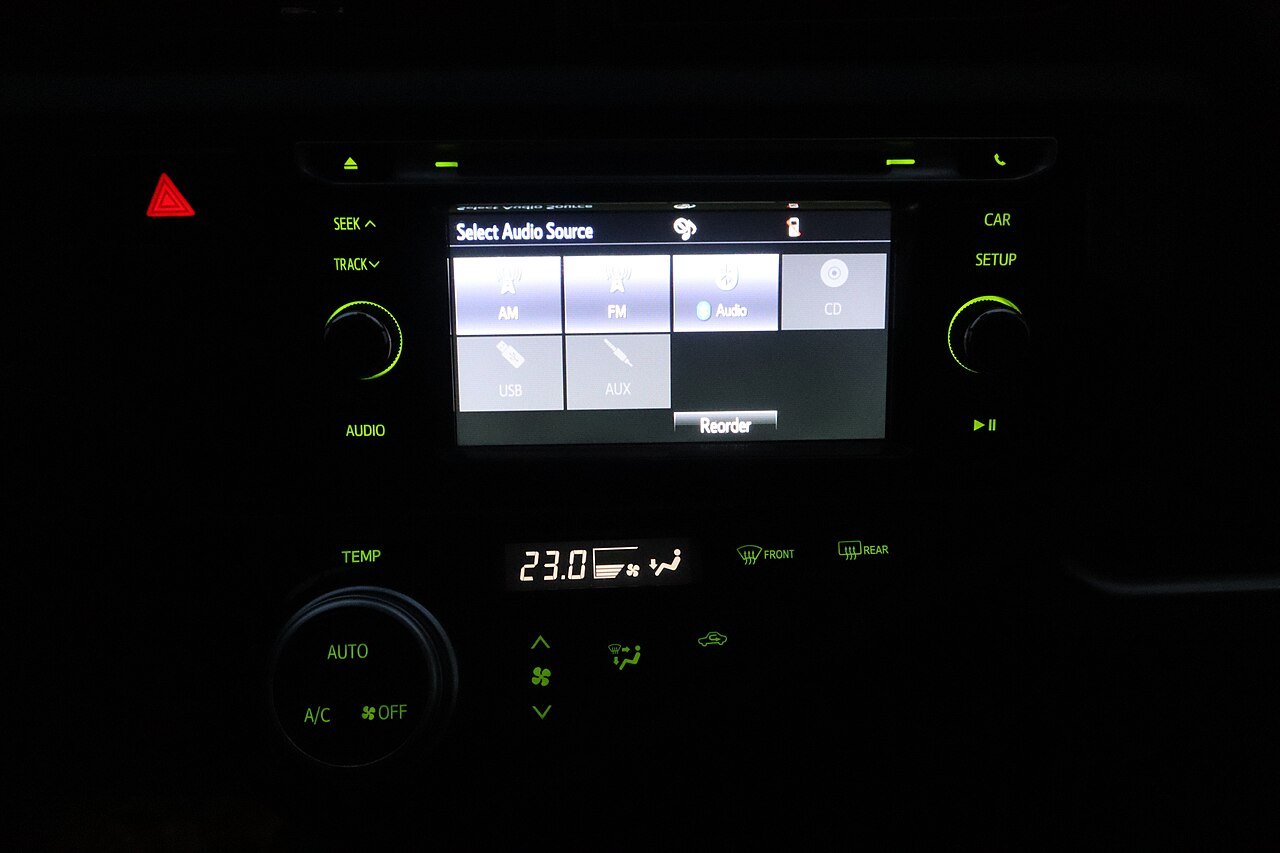
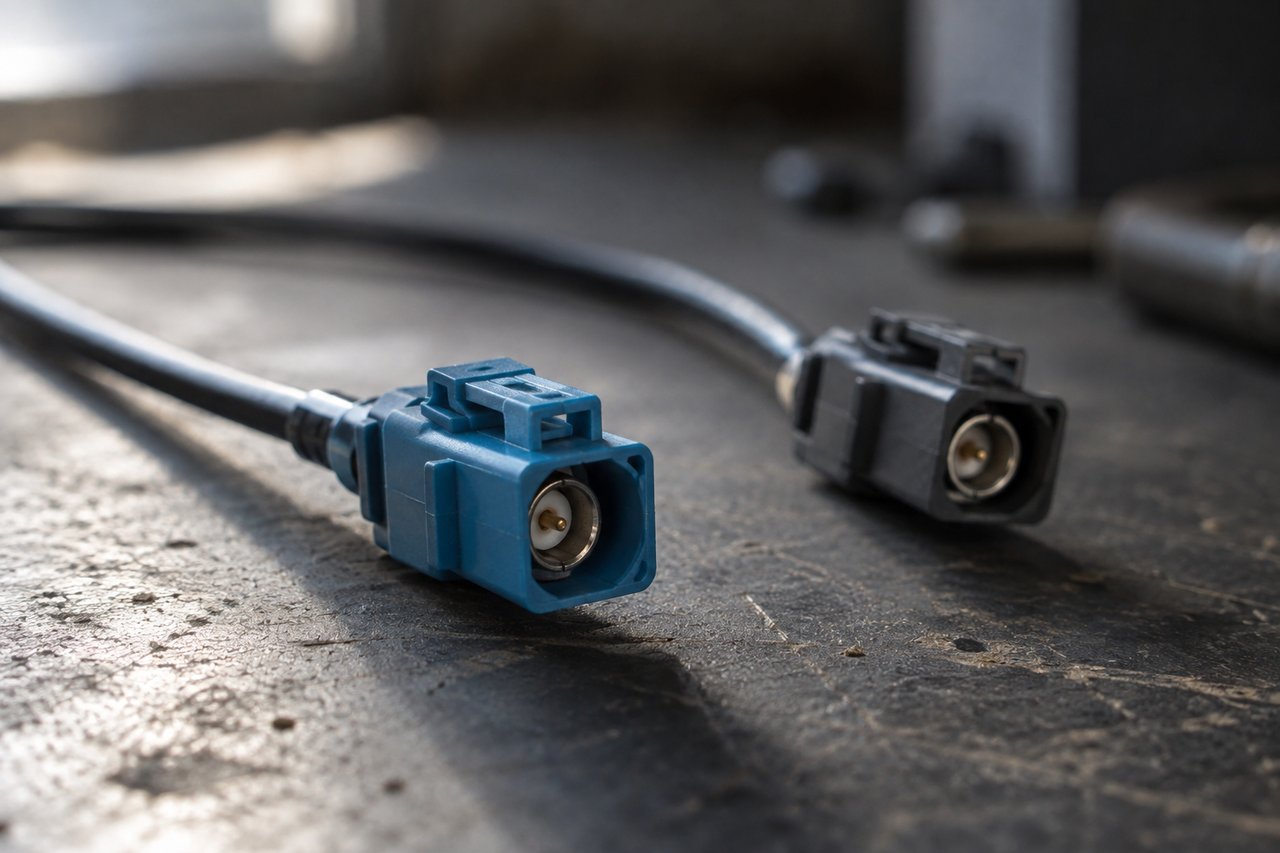
AI illustration of keyed coaxial housings; not a dimensional or mating reference.

Product Advantages: Click-In Fit and Mechanical Coding

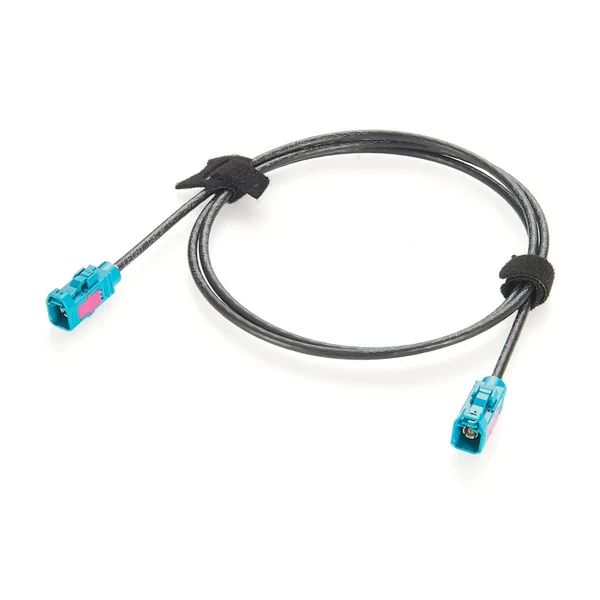
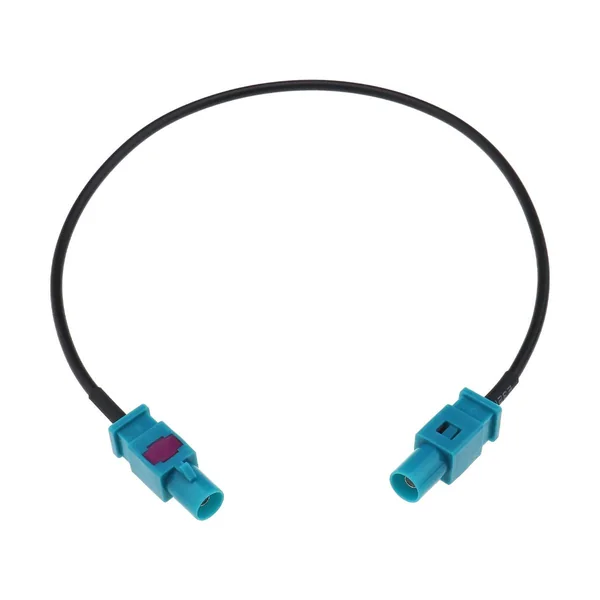
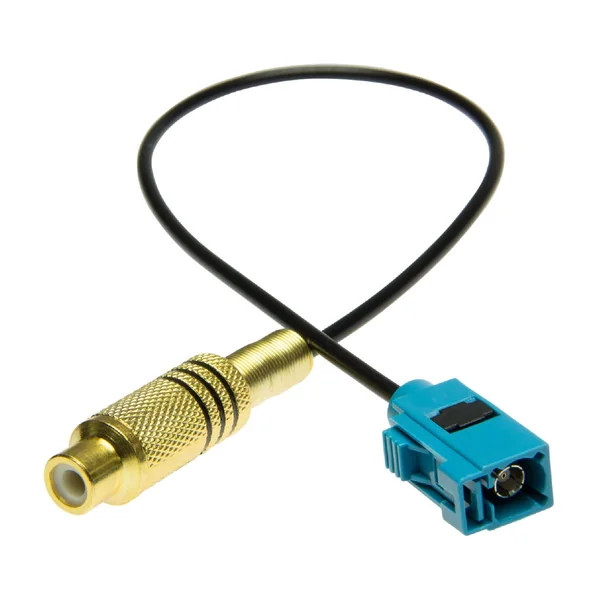
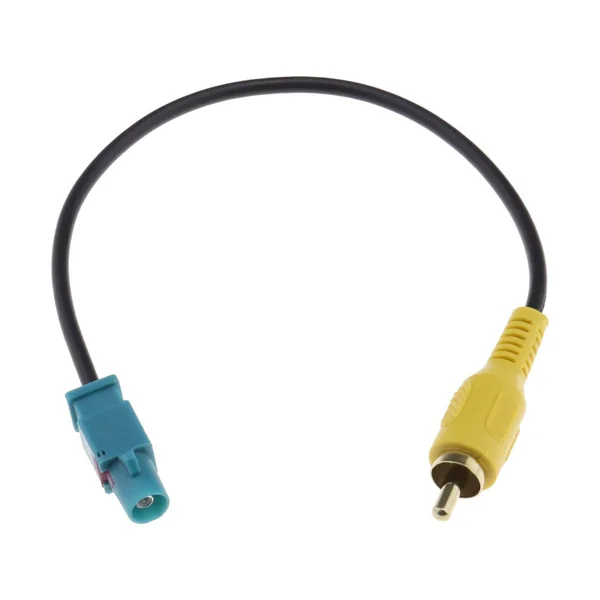
FAKRA combines a coaxial contact interface with a keyed plastic housing and latch. The code and the corresponding mating part belong on the drawing alongside cable length and exit direction. Color is a useful assembly aid, but it should not replace the part number or a check of the mechanical key. Straight, right-angle, sealed and unsealed versions solve different packaging problems. A positive latch does not remove the need for cable support, and service procedures must respect the permitted mating cycles. For adaptations between equipment generations, verify both sides rather than selecting a connector solely because it clicks into place.
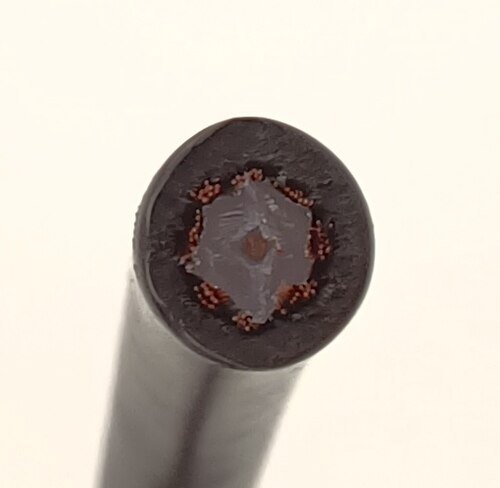
A 3C-2V cross-section illustrates concentric layers, not a recommended 50-ohm automotive cable.

Material Recommendation: Electronic Wire and RF Coax

The center conductor, dielectric and outer conductor define a coaxial transmission structure; the jacket adds environmental and mechanical protection. RG174, RG178 and RG316 are familiar small-cable references, not identical substitutes. Their materials, diameter, flexibility and attenuation differ. Select a cable approved for the chosen contact and ferrule dimensions, then review loss across the required band and installed length. A thick jacket does not prove a low-loss channel. Separate power wires are selected for their load and environment, while coax carrying power needs explicit current and bias-network review. Do not merge these requirements under one generic wire-gauge label.

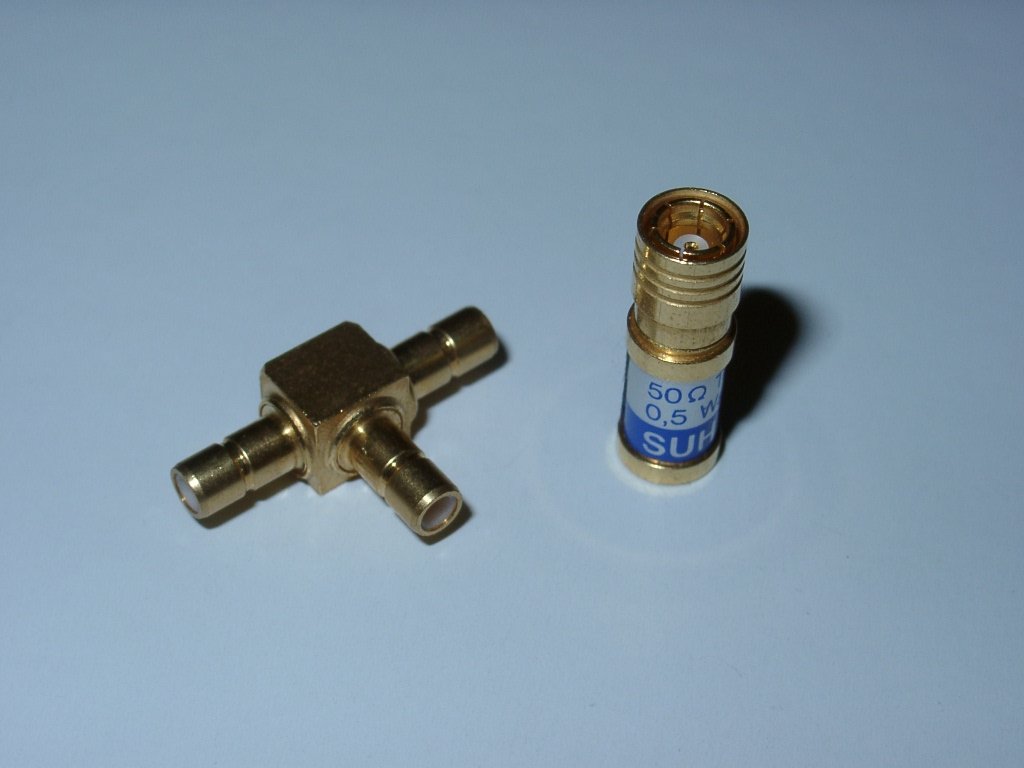
Bare SMB interfaces show a coaxial contact arrangement, without FAKRA coding housings.

FAKRA Connector: Contact, Housing and Shield Transition

The full connector set includes more than the colored shell. Inner contact, dielectric support, outer contact, crimp sleeve, housing and any seal must belong to a compatible system. The transition should preserve the intended geometry with controlled strip lengths and no loose shield strands near the center conductor. TE FAKRA, Rosenberger FAKRA and Amphenol RF FAKRA are reference product families; exact parts and tooling still require review. Between-series adapters add another interface and its loss. A connector's published frequency capability is not automatically the bandwidth of an arbitrary finished cable, especially after additional adapters, bends or damaged terminations.

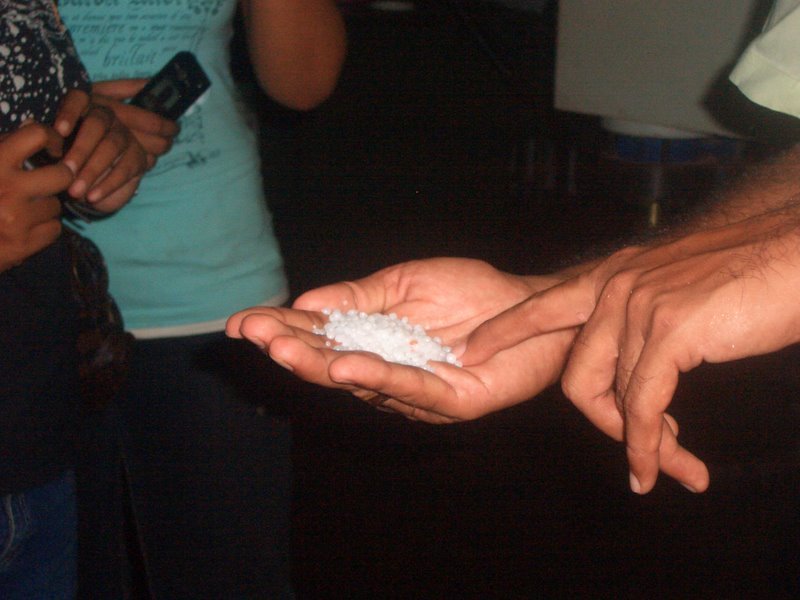
Uncolored resin granules: material identity and validated properties must be specified separately.

Plastic Materials and Heat-Shrink Protection

Housing stiffness, latch recovery and seal retention depend on the specified polymer and component design. A resin name alone does not establish oil resistance, flame behavior or temperature capability. Heat shrink can support a local transition or label area, but it should not obstruct latch operation or force a tight bend at the connector. Adhesive-lined tubing requires compatible surfaces and dimensions; adding it does not certify the whole assembly as waterproof. Define the mated state, cable entry and environmental test conditions. For cabin links, packaging and service access may matter more than adding unnecessary bulk around an already protected connector.

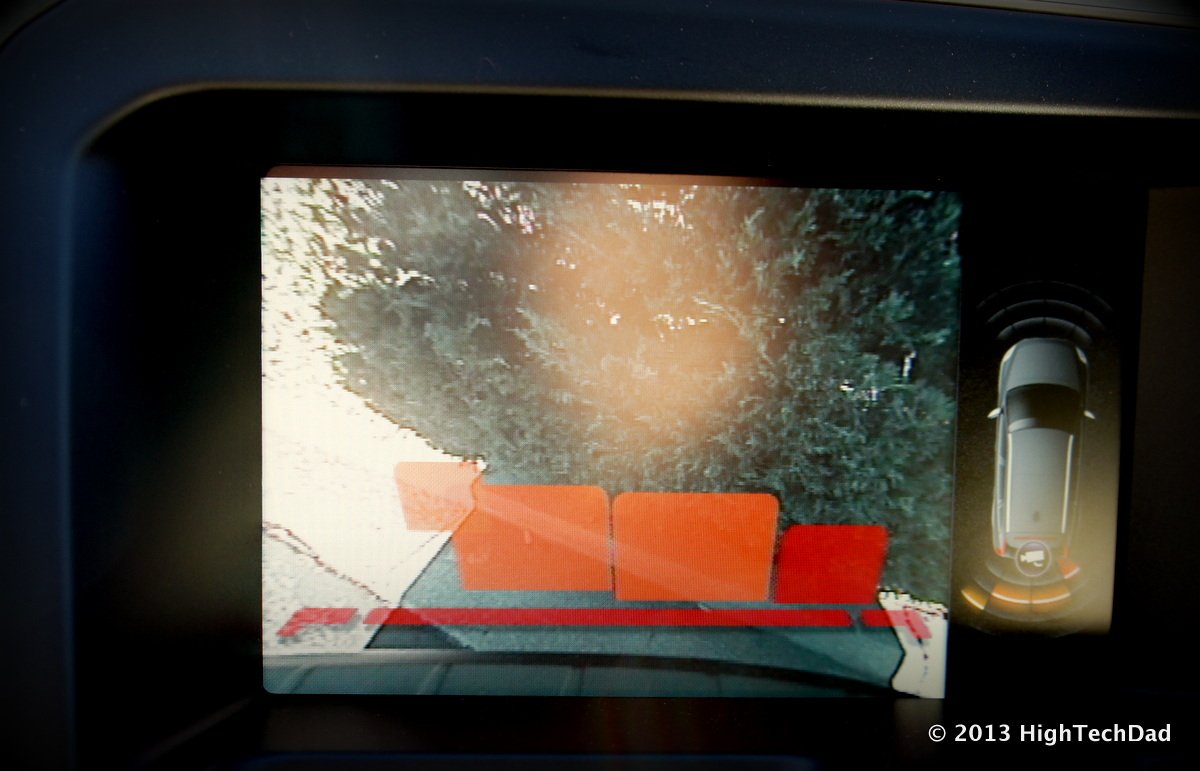
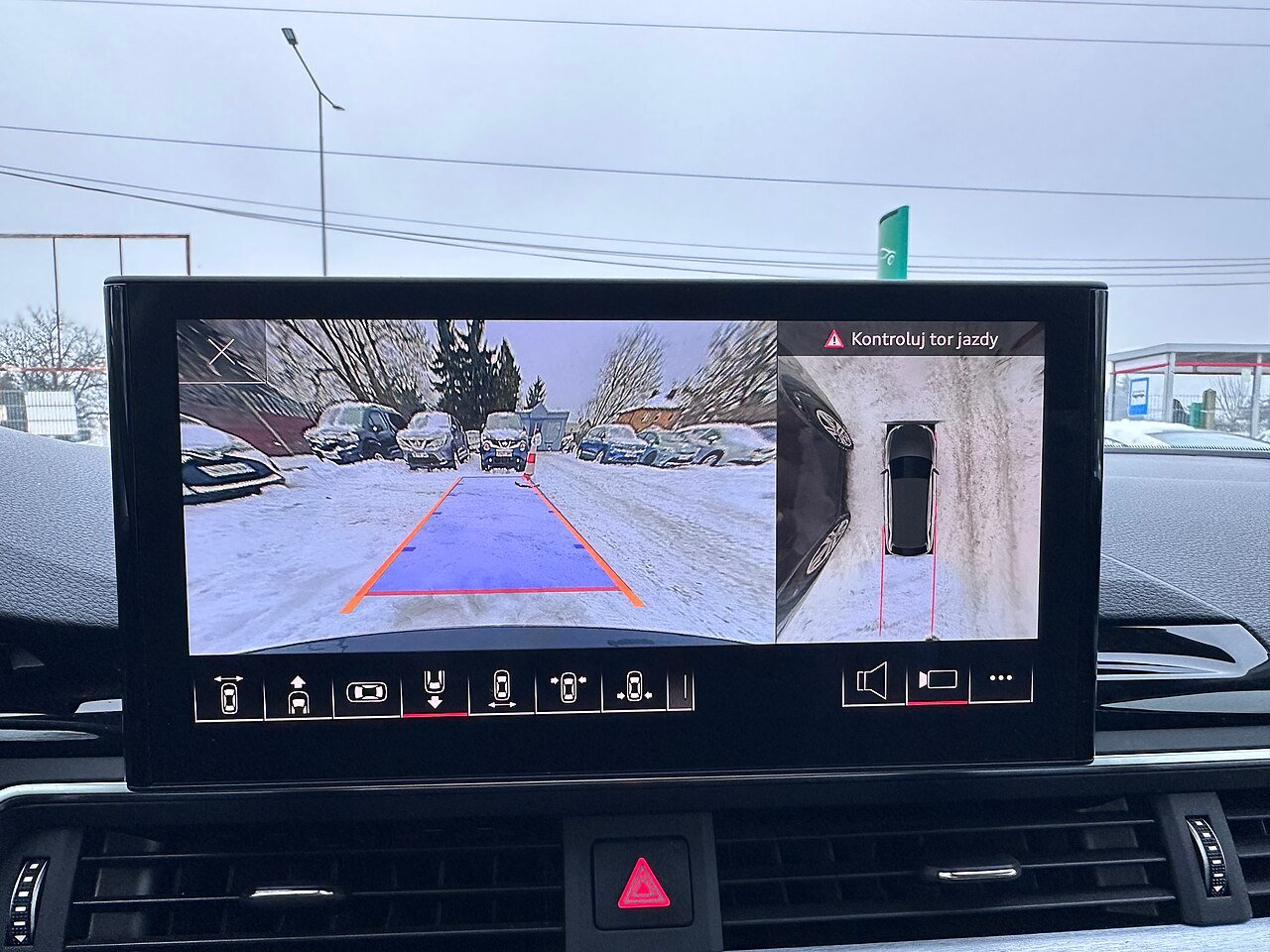
A parking-camera display illustrates a camera channel; the pictured vehicle does not establish a Mini-FAKRA fitment.

Solution: Mini-FAKRA and Multi-Port Modules

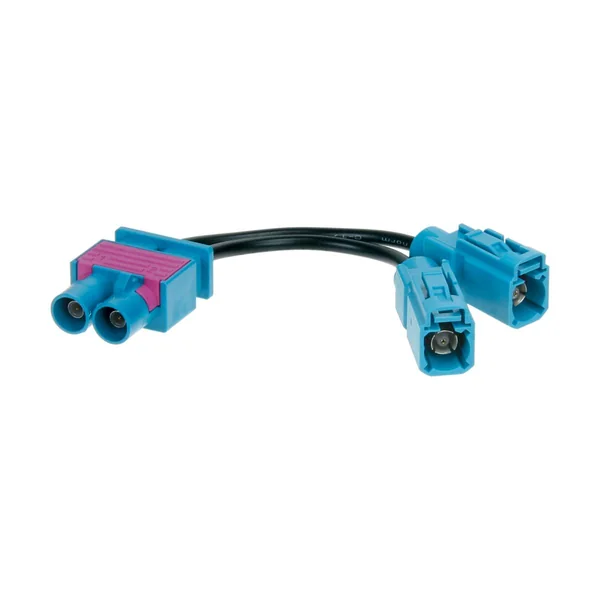
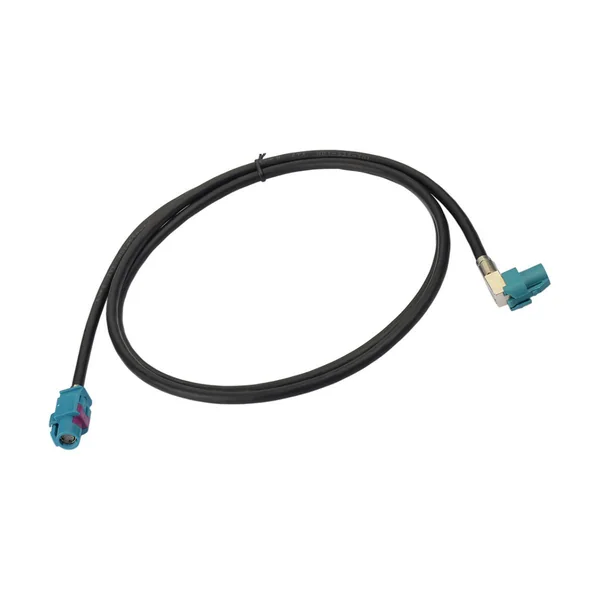
Multiple coaxial channels can be grouped into a compact connector block to reduce the number of separate housings and organize camera or antenna routes. Rosenberger HFM is one example of a miniaturized 50-ohm system. Mini-FAKRA is not a promise that every supplier's compact connector will mate with every other one. Specify family, cavity assignment, keying, cable references and any connector-position assurance. A four-channel block contains four defined paths; it is not an RF splitter that combines or duplicates one signal. Channel identification and branch lengths remain important when the bundle separates near individual cameras or sensors.

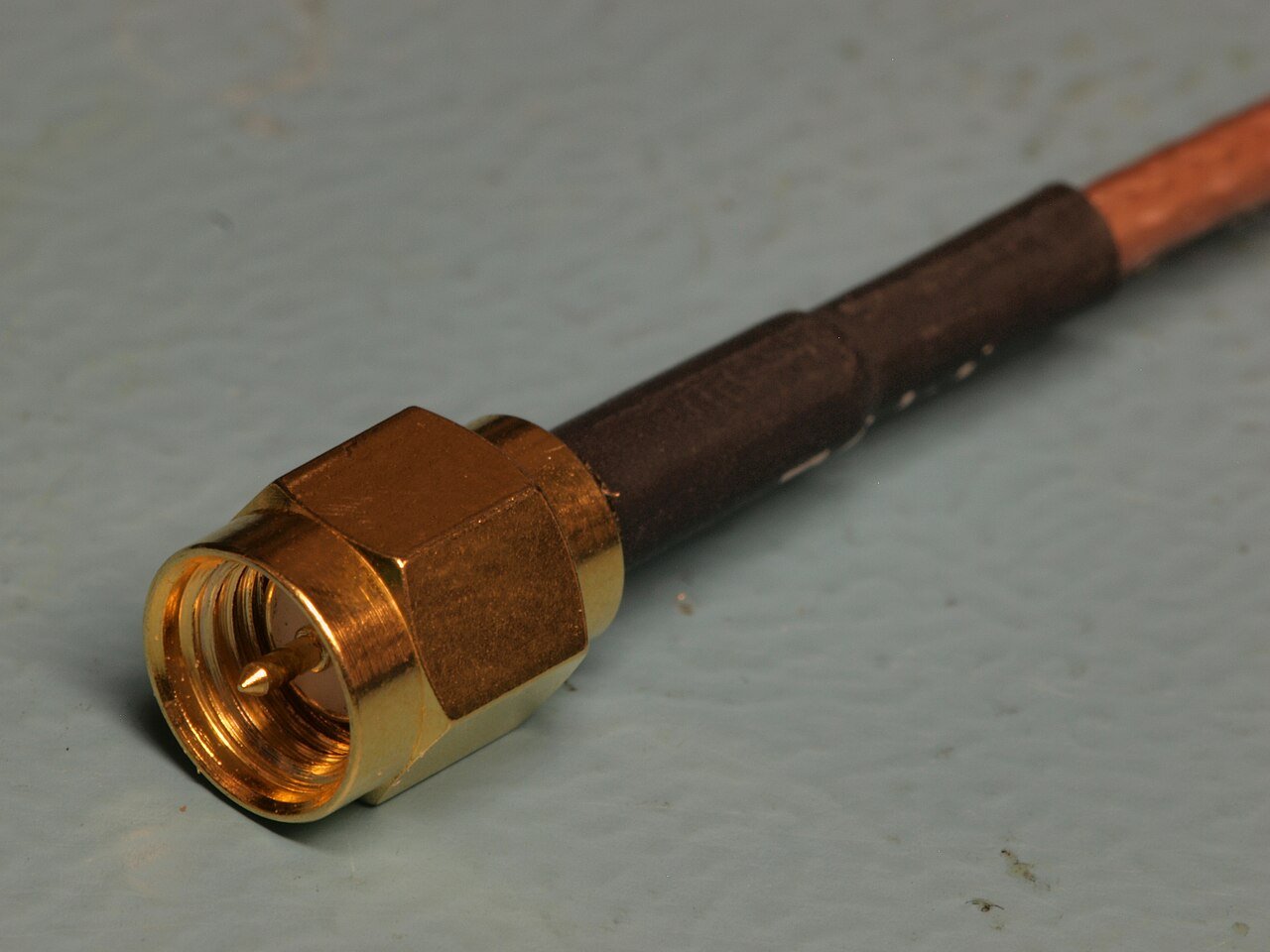
An SMA cable termination: verify the center contact as well as the outer coupling.

FAKRA-to-SMB / SMA Adapter Assemblies

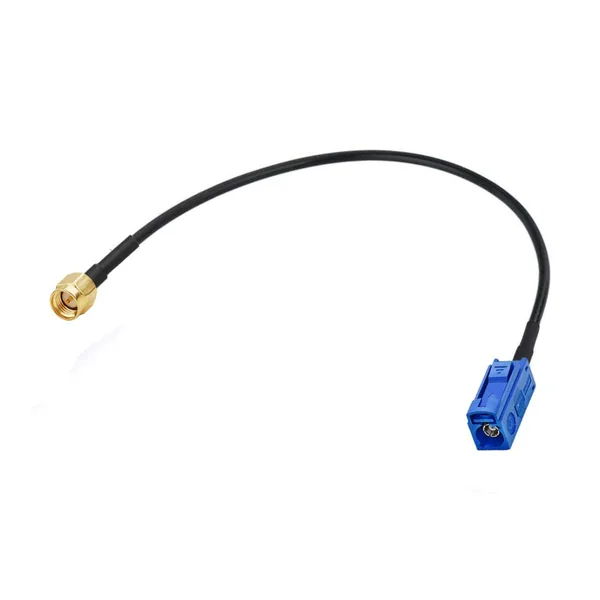
An adapter cable can connect a vehicle-side interface to receiver hardware or a measurement fixture, provided both electrical and mechanical requirements are known. Specify connector gender by the actual contact interface, not only the outer nut or housing. SMA and reverse-polarity SMA need particular care because appearance can mislead. A coding option intended for flexible test use should not erase production identification rules. Keep adapters short enough for the channel budget but long enough to prevent strain. The assembly changes the physical interface; it does not convert a radio frequency, video format or camera protocol into another standard.

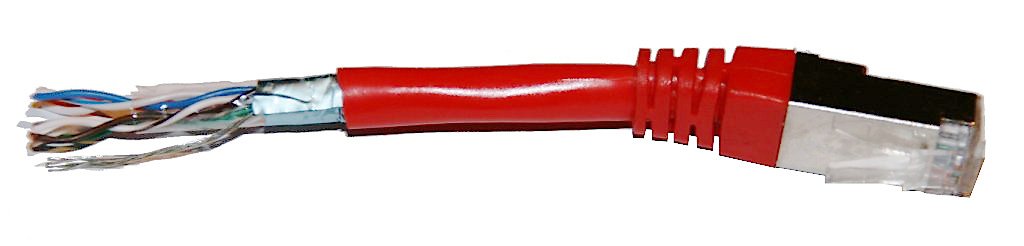
Foil-shielded paired cable illustrates pair construction; it is not an automotive HSD assembly.

LVDS and HSD: A Separate Differential Path

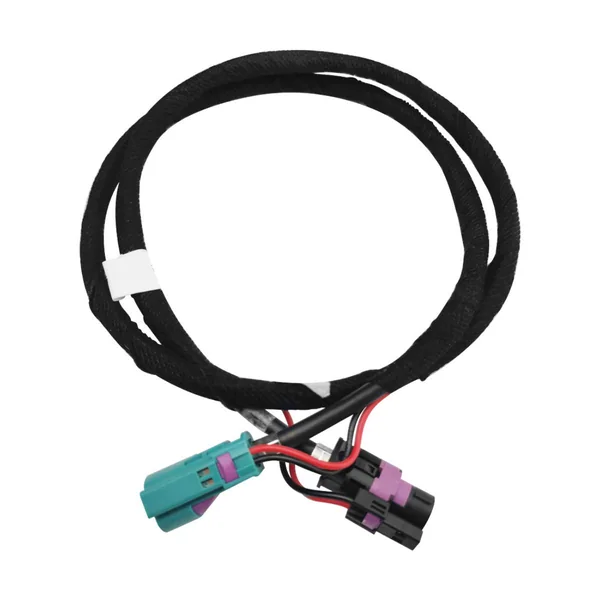
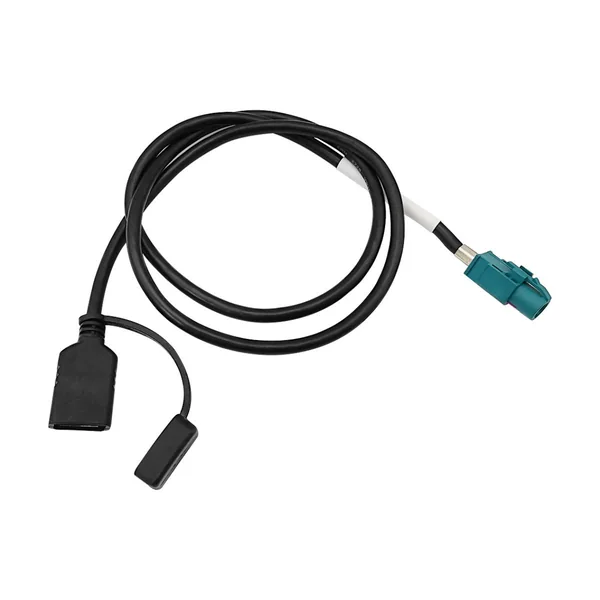
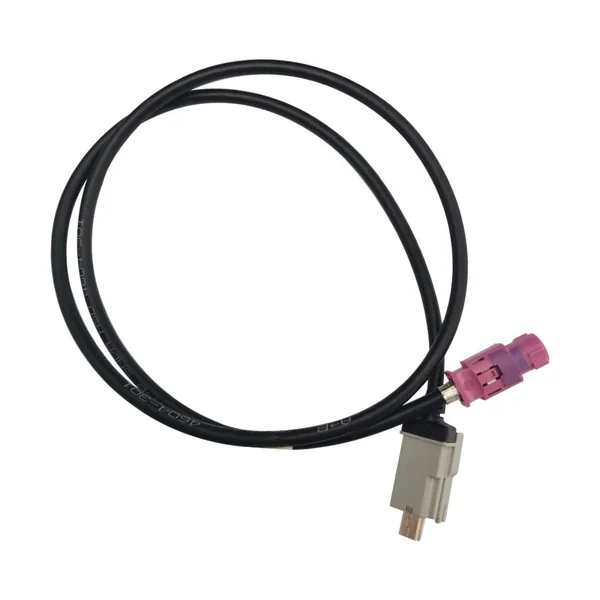
HSD systems use paired or star-quad conductors rather than a single coaxial center contact. The common RosenbergerHSD architecture is a shielded 100-ohm differential interconnect, with several power-contact and pair variants. Preserve pair assignment and polarity through the entire assembly; untwist, skew and an uncontrolled shield transition can affect the channel. LVDS, USB, Ethernet and automotive serialized-video interfaces have different electrical requirements even if related connector families appear in their installations. Obtain the equipment's interface specification before assigning pins. A FAKRA coax lead cannot become an HSD differential cable through a passive change of colored housing.

Rear-view display application; camera electronics determine the required channel.

Industries and Applications: Cameras, Displays and Antennas

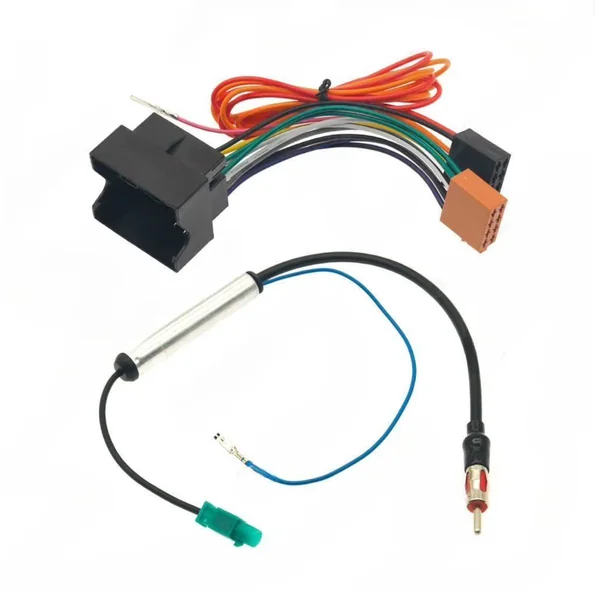
Automotive applications include navigation antennas, radio receivers, telematics units, rear-view cameras, surround-view systems and display connections. The cable route may pass a headliner, dashboard, door or tailgate, each with different support and motion requirements. Industrial vision and test equipment can use related interconnects only when their interface specification supports them. FPD-Link III camera designs demonstrate that video, control and power may share coax in a defined serializer/deserializer system. That does not mean every coaxial camera accepts the same power or protocol. Confirm the active devices and full channel before replacing a camera lead with a visually similar cable.

Moving tailgate routes need travel clearance and a supported service loop.

Integration Support and Vibration-Resistant Routing

A useful drawing includes datum-to-datum length, connector clocking, breakout position, mounting clips and service loops. Check the route with the door or tailgate moving through its intended travel rather than measuring only a closed position. Support should prevent the connector from carrying the weight or repeated pull of the cable. Bend limits depend on cable construction and whether motion is occasional or continuous. Verify sealed variants at exposed entries and avoid unnecessary intermediate adapters. Prototype installation can reveal packaging issues before production; a successful fit check complements, but does not replace, electrical channel validation.

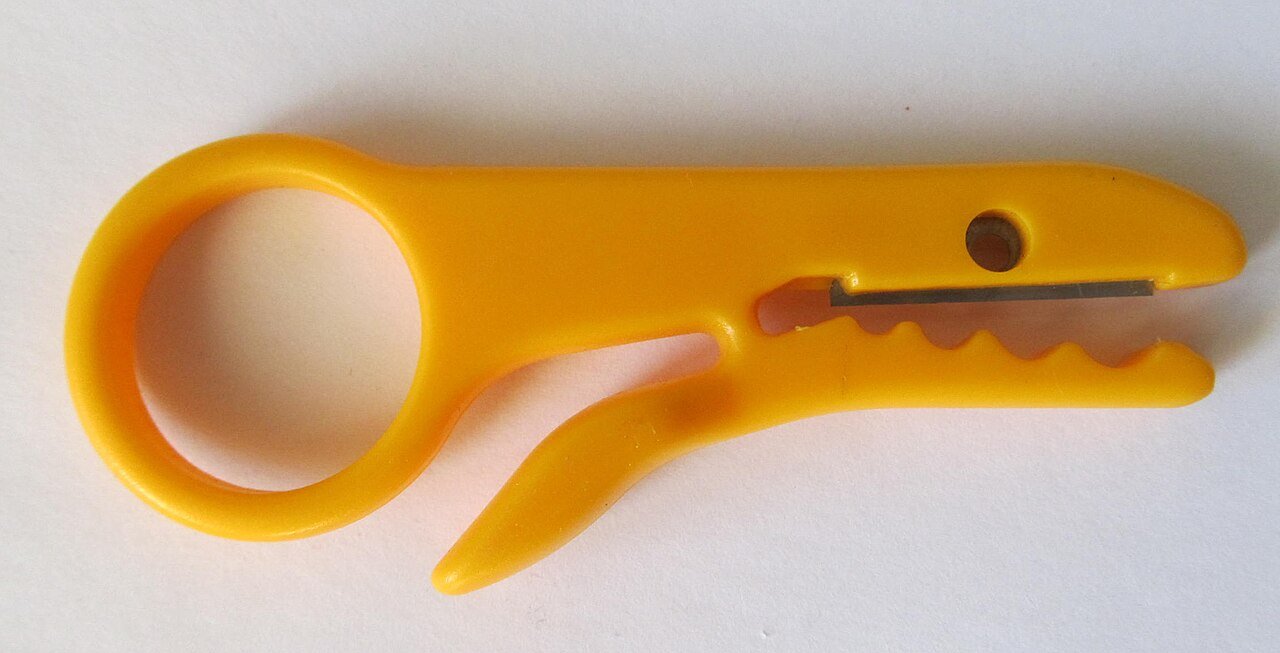
A hand stripping tool illustrates cable preparation; production tooling must match the cable and termination.

From Sketch to Shipment: Manufacturing and Customization

Requirement review establishes the application, interfaces and channel limits. Engineering then confirms the bill of materials, termination dimensions and inspection plan. Prototype assemblies can be used to check fit, signal behavior and installation access. During production, controlled stripping, contact assembly, shield termination and housing insertion preserve the released design. Labels identify channels without obscuring codes or latches. Inspection and packaging follow the agreed drawing, with protection for contacts and bend-sensitive exits. Repeatability comes from stable component references and process records; changing a cable or connector variant requires review even when the outside dimensions seem unchanged.

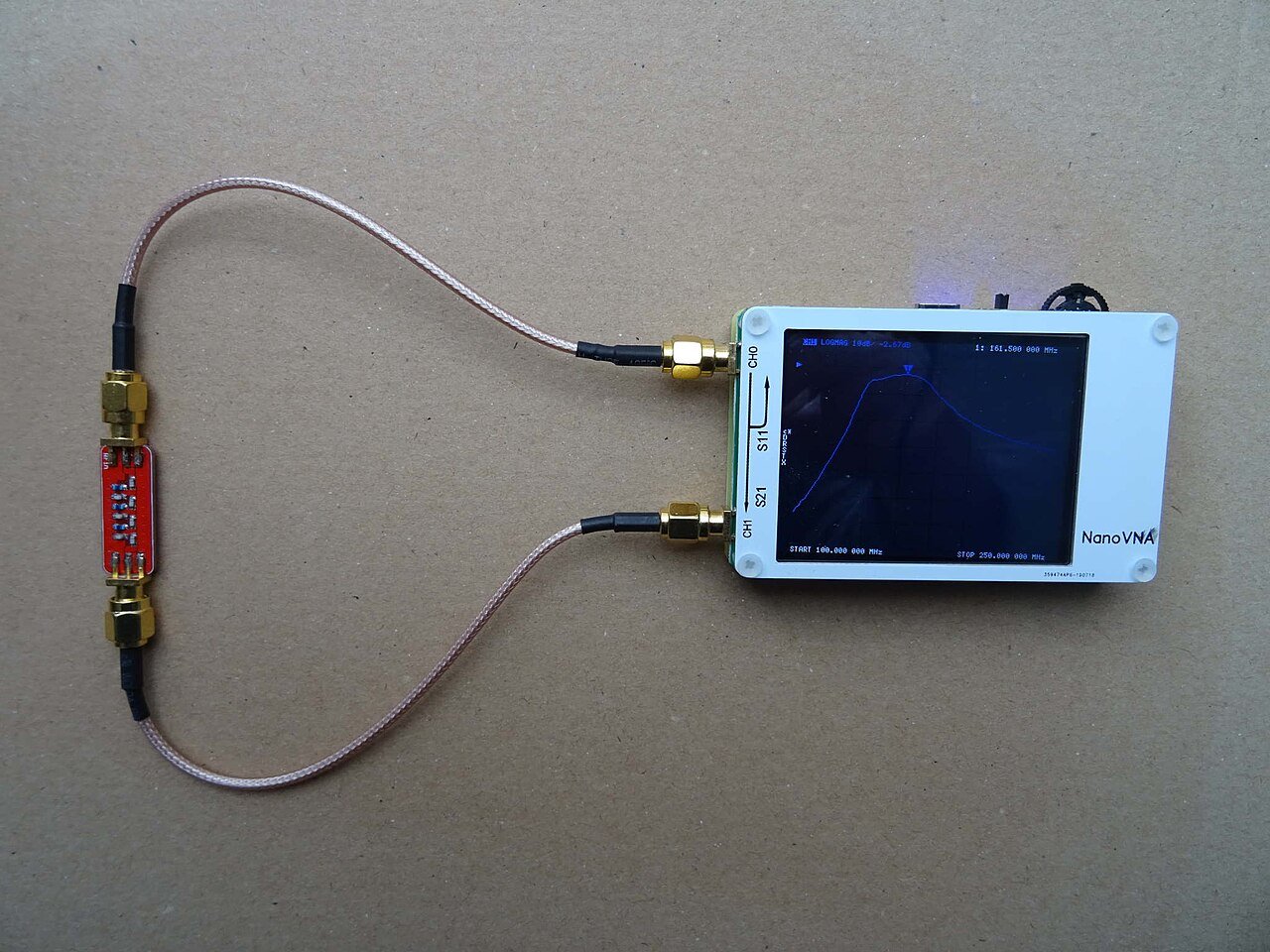
A compact vector network analyzer illustrates RF measurement, not a certified test result.

Signal Integrity and Finished-Assembly Verification

Basic checks establish continuity, correct mapping and absence of shorts. RF performance requires measurements appropriate to the channel, such as insertion loss and return loss over the agreed frequency range. Differential links may additionally require pair balance, skew or time-domain evaluation. Calibration and fixture effects matter: an adapter left outside the measurement reference plane can change the apparent result. A connector's maximum frequency is not a substitute for testing the assembled route. Environmental conditioning and retention checks are specified separately. Report actual results against agreed limits; neither a visible image on a screen nor a continuity beep proves every channel requirement.

FAKRA / LVDS Questions

Are FAKRA and automotive LVDS the same thing?

No. FAKRA describes a coaxial connector family, while LVDS describes signaling. Determine whether the equipment requires coax, HSD differential wiring or another interface.

Does matching color prove compatibility?

No. Confirm coding, contact interface, cable type and the electrical function on both sides. Color is an aid, not a complete specification.

Can a passive adapter convert a camera protocol?

No. Protocol conversion requires compatible electronics. A cable adapter changes a physical connection and must preserve the required channel.

What do you need for a custom quotation?

Provide equipment references, both mating connectors and codes, cable requirements, lengths, branch layout, environment, quantity and the required measurement plan.

Photo credits and technical references

PART NUMBER / INTERFACE / MATERIAL

Models, Part Numbers & Sourcing

Find a cable model or material part number, then send it for a custom replacement or original-part sourcing review.

Back to Top ↑

14 references · Search by brand or part number

Cable & Harness Models

Manufacturer-identified finished assemblies for this application.

  • TE Connectivity

    2545893-4

    Mini-FAKRA to Mini-FAKRA Cable Assembly, 1.5m

    Custom compatible replacements · Original-parts sourcing

Connector & Material Part Numbers

Category-specific material references; the final BOM follows the approved configuration.

  • TE Connectivity

    2098287-1

    FAKRA connector component

    Custom compatible replacements · Original-parts sourcing

  • TE Connectivity

    2098288-1

    FAKRA connector component

    Custom compatible replacements · Original-parts sourcing

  • TE Connectivity

    2035049-1

    FAKRA connector component

    Custom compatible replacements · Original-parts sourcing

  • TE Connectivity

    2203452-1

    FAKRA connector component

    Custom compatible replacements · Original-parts sourcing

  • TE Connectivity

    1719261-2

    FAKRA connector component

    Custom compatible replacements · Original-parts sourcing

  • TE Connectivity

    1452584-1

    FAKRA connector component

    Custom compatible replacements · Original-parts sourcing

  • TE Connectivity

    1452480-1

    FAKRA connector component

    Custom compatible replacements · Original-parts sourcing

  • TE Connectivity

    2287903-1

    FAKRA connector component

    Custom compatible replacements · Original-parts sourcing

  • TE Connectivity

    1438890-7

    FAKRA connector component

    Custom compatible replacements · Original-parts sourcing

  • TE Connectivity

    1488171-2

    FAKRA connector component

    Custom compatible replacements · Original-parts sourcing

  • TE Connectivity

    1438896-2

    FAKRA connector component

    Custom compatible replacements · Original-parts sourcing

  • TE Connectivity

    1488175-2

    FAKRA connector component

    Custom compatible replacements · Original-parts sourcing

  • TE Connectivity

    1719252-1

    FAKRA connector component

    Custom compatible replacements · Original-parts sourcing

Selection & Project Review

01 Application Boundary

Connector family, signaling method and cable impedance describe different parts of the link. A keyed housing is not proof of electrical compatibility.

02 Project Inputs

Provide exact connector codes, cable specification, channel requirements, serializer/deserializer references and any power-over-coax conditions.

03 Release Records

Confirm the complete channel, assembly geometry, sample checks and agreed RF or differential measurements before release.

04 Interface Review

Confirm the exact mating interface, pin map, dimensions and installation orientation.

05 Sample Acceptance

Agree the sample configuration and electrical, mechanical or environmental checks required by the project.

06 Change Control

Record changes to materials, drawings and process instructions before repeat manufacture.

Send the part number, drawing or sample to confirm the replacement configuration and sourcing plan.

PROJECT REVIEW / CUSTOM MANUFACTURING

Custom Wire Harness Manufacturing in China

Custom wire harness manufacturing from our China factory, with OEM/ODM project support.

A sample, clear connector photos or a description of the equipment and required quantity is enough to start a review.

Discuss Custom Manufacturing & Sourcing

Start with a part number, drawing, sample or equipment requirement.

Information for an accurate quotation

When available, include drawings and BOM, connector and mating part numbers, pinout, wire length and gauge, branch layout, quantity and required tests. Materials, inspection scope and delivery are confirmed for each project.