
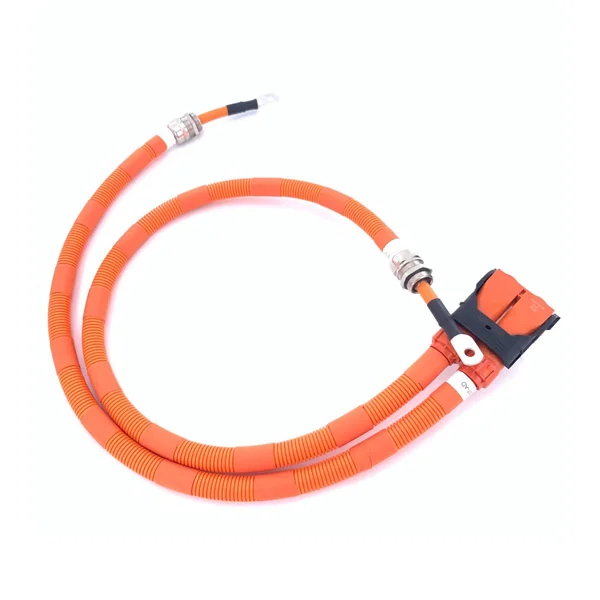
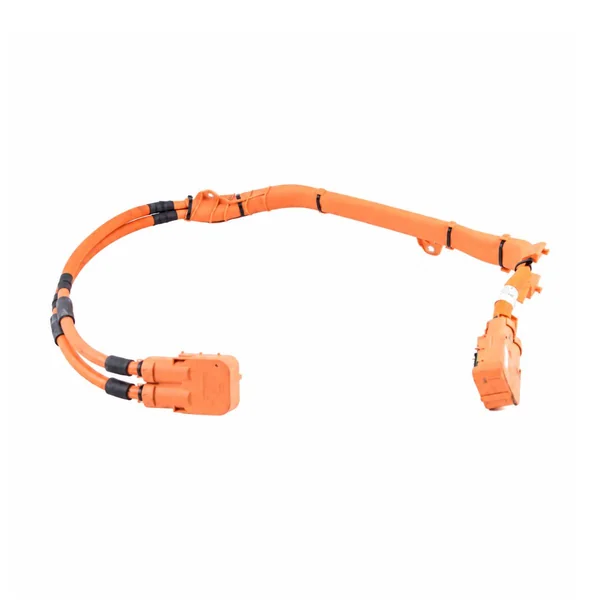
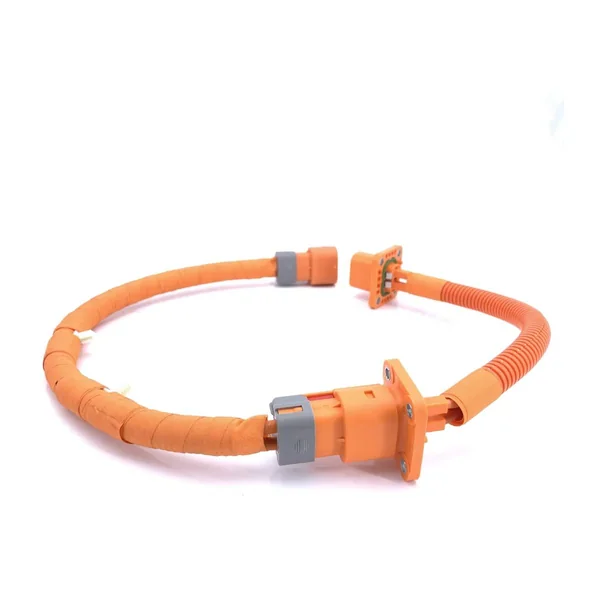
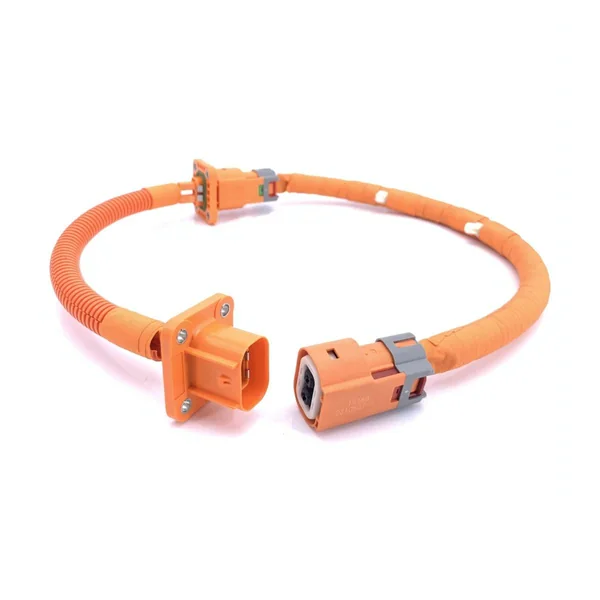
Product type

High-Voltage Project Harness

Overview

Project-reviewed high-voltage interconnections for electrified equipment, with defined insulation, shielding, interlock and validation requirements.

High-Voltage Project Harness application reference

Product Introduction

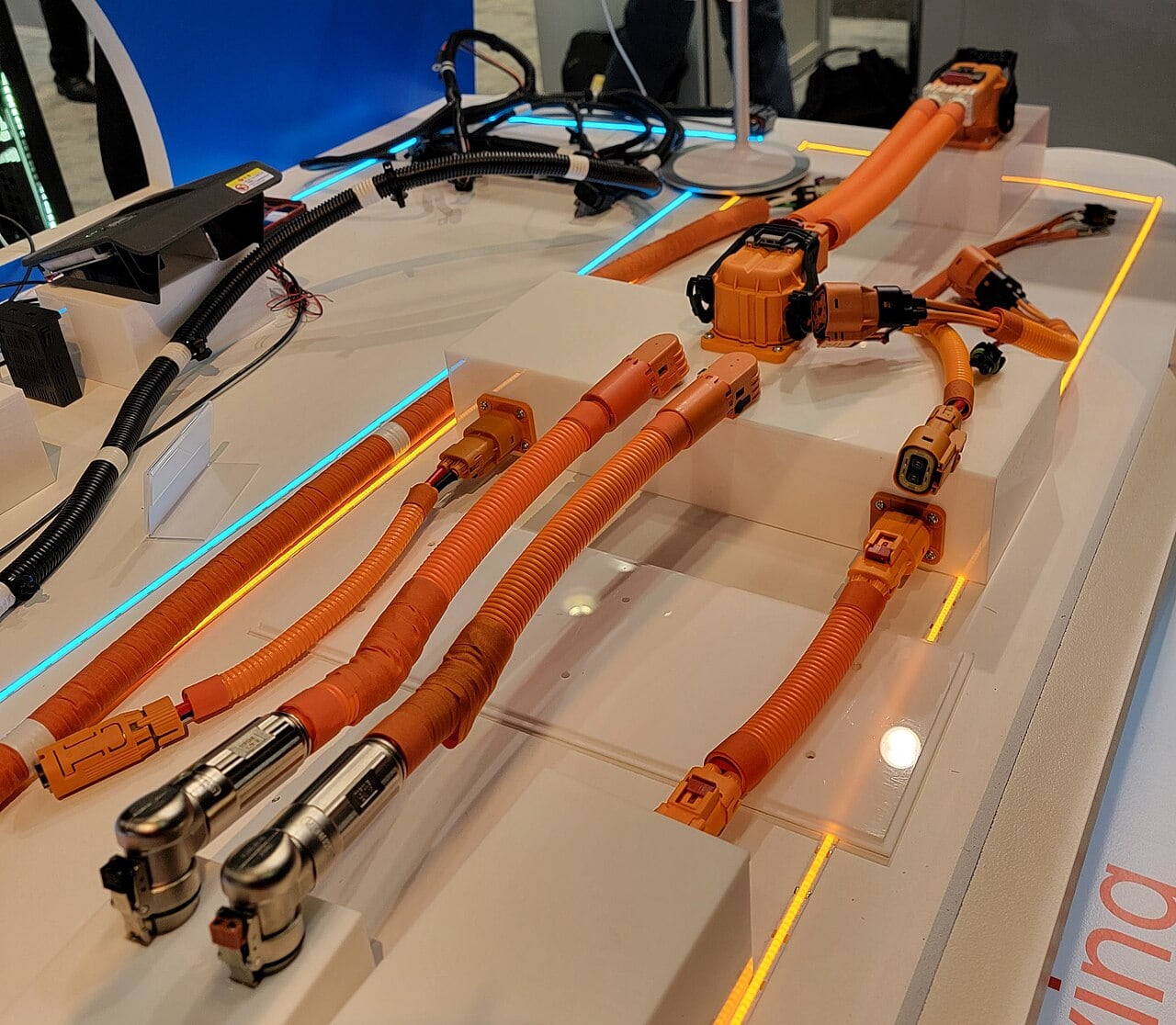
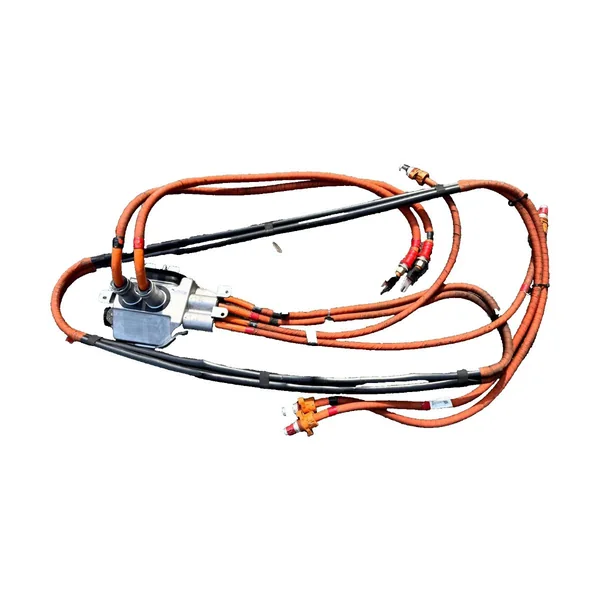
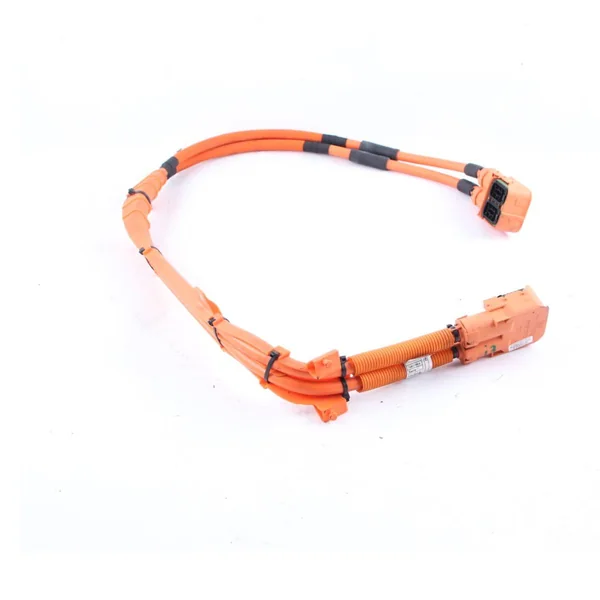
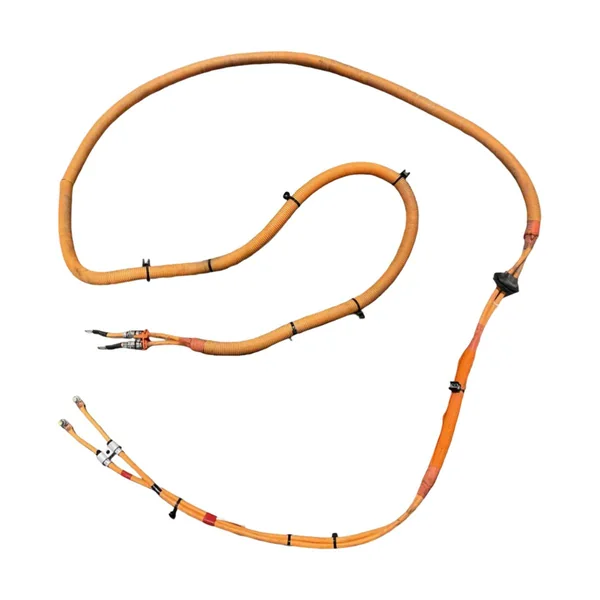
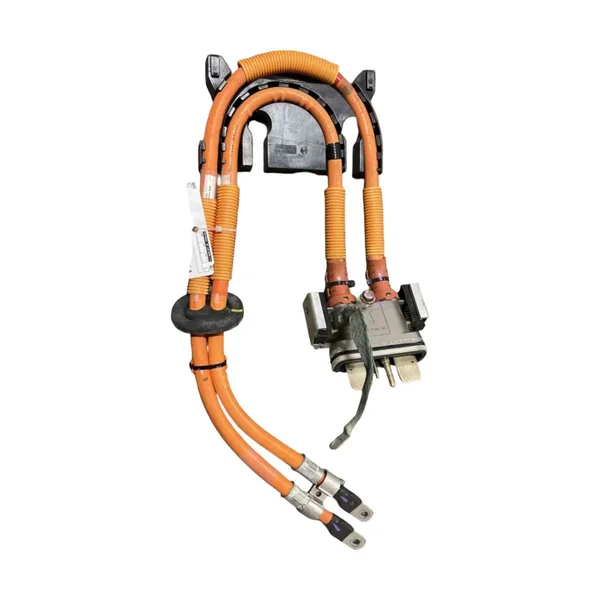
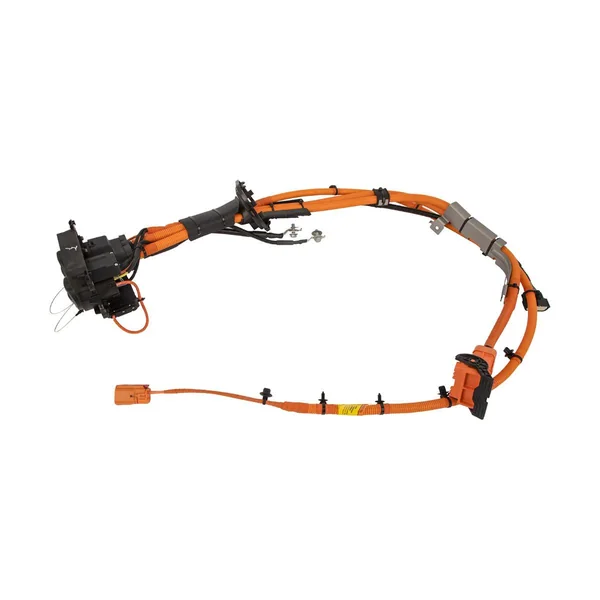
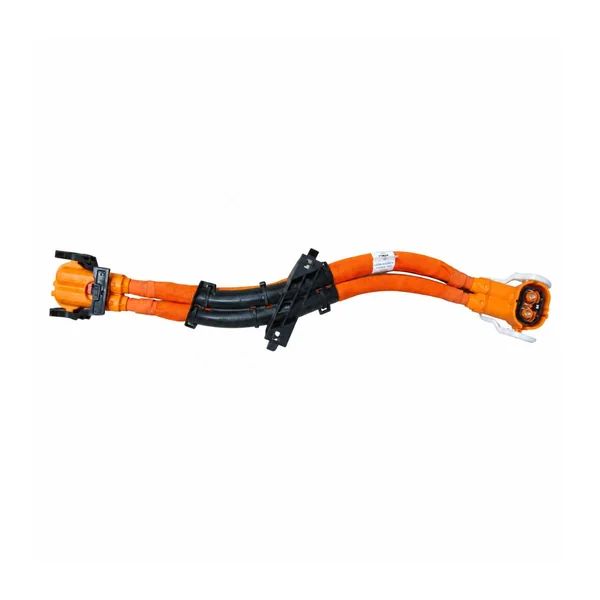
High-voltage harnesses connect an electrified vehicle's energy and conversion equipment. Battery-to-inverter leads, motor phase cables, charging interconnections and auxiliary feeds are related but different assemblies. A project may need shielded single-core cable, multi-core cable, a panel interface or a protected branch with a low-voltage interlock loop. Orange identification alone does not establish a voltage rating or a safe installation. We first review the circuit, mating interfaces, operating environment and verification requirements, then confirm whether the materials, tooling and production controls match that specific project.

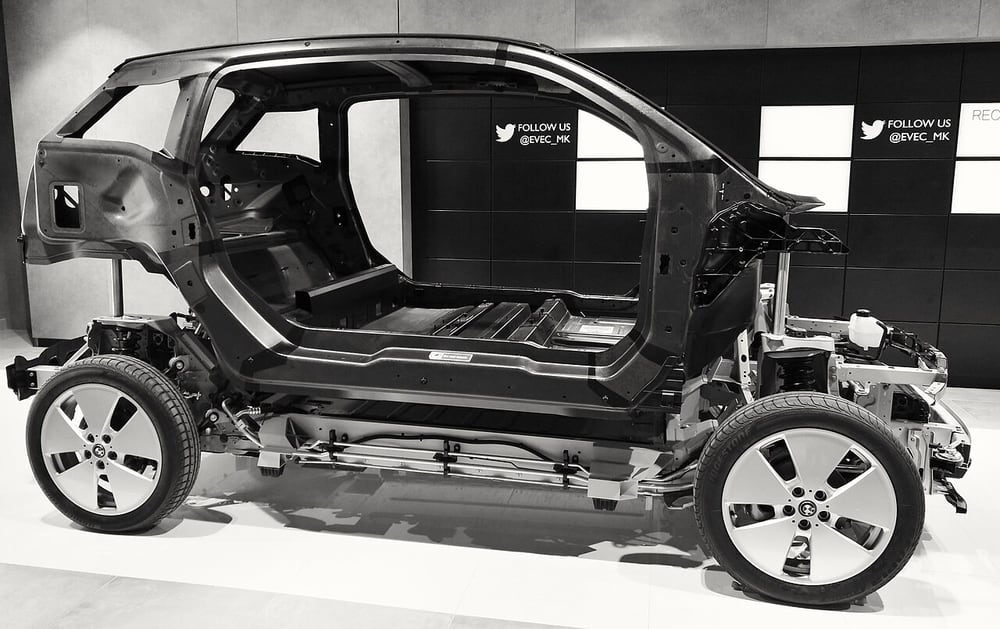
Electric-vehicle chassis exhibit: energy storage, structure and cable routes must be coordinated.
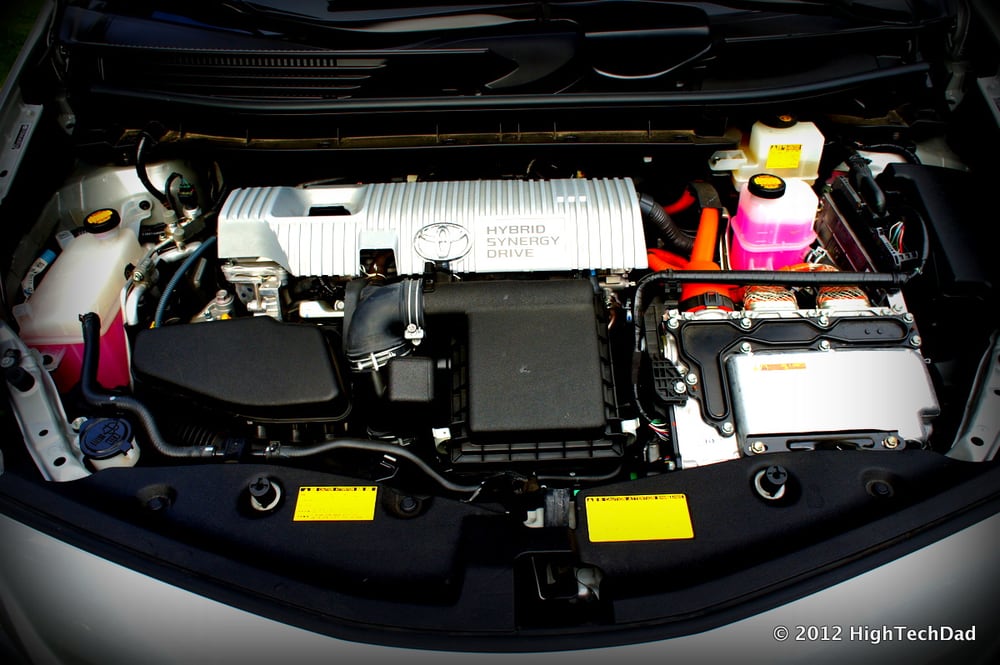
A hybrid engine bay illustrates the restricted space around power-conversion equipment.

Product Advantages

An engineered assembly controls cable length, bend direction, support positions and connector access as one installation. A short auxiliary feed for an electric compressor does not have the same duty as a traction inverter link. Lower circuit resistance can reduce loss, but simply increasing conductor size may compromise the terminal, seal or bending space. Defined variants allow a platform to use different cable lengths or connector orientations without losing traceability. Our review separates electrical performance from packaging convenience: a harness that fits physically still needs the correct current profile, voltage class, insulation system and component documentation.
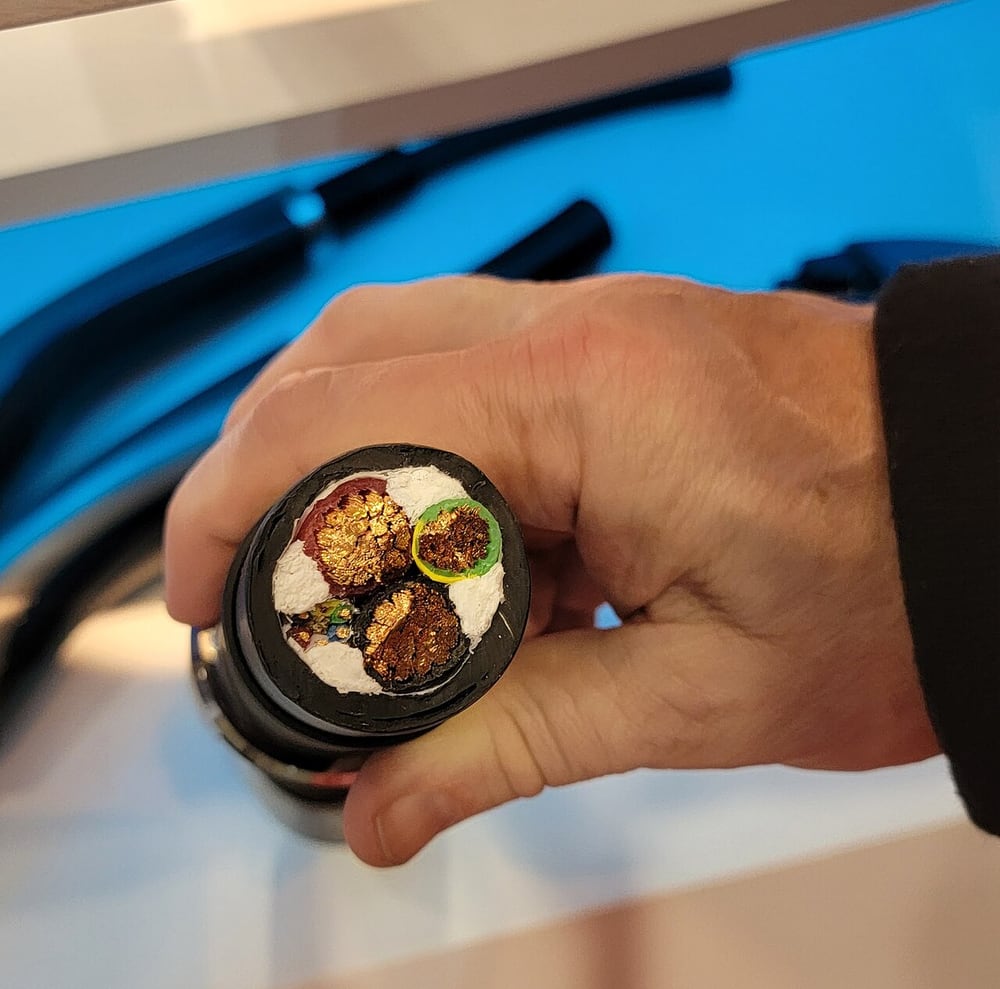
An EV charging-cable cross-section illustrates conductor and insulation layers, not a rating for a traction harness.

Material Recommendation: EV High-Voltage Wire

Conductor material and cross-section are selected with continuous current, short-duration peaks, route length, bundling and ambient temperature. Copper and aluminum need different compatible termination systems. XLPE, silicone and other insulation families have grade-specific thermal, mechanical and fluid-resistance properties; a polymer name is not a complete cable specification. Record conductor construction, insulation thickness, overall diameter, minimum bend radius and required evidence. ISO 19642 includes automotive cable construction and test documents, with separate parts for voltage class, material and configuration. The agreed edition and applicable part belong in the purchase specification, not a blanket statement that every orange cable is compliant.

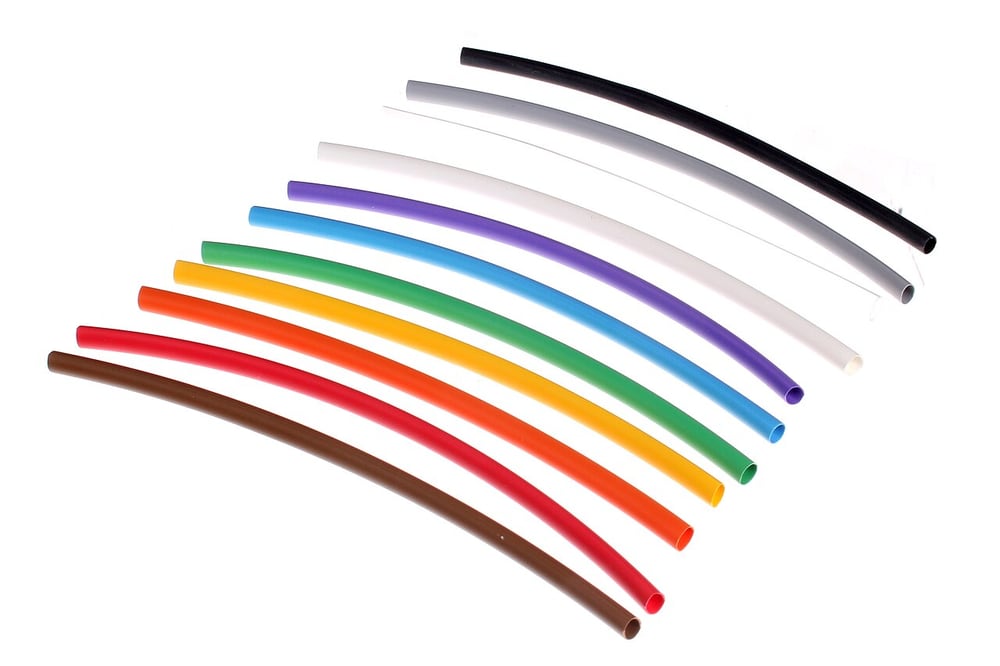
Heat-shrink tubing illustrates local sleeving; material and adhesive selection remain project-specific.

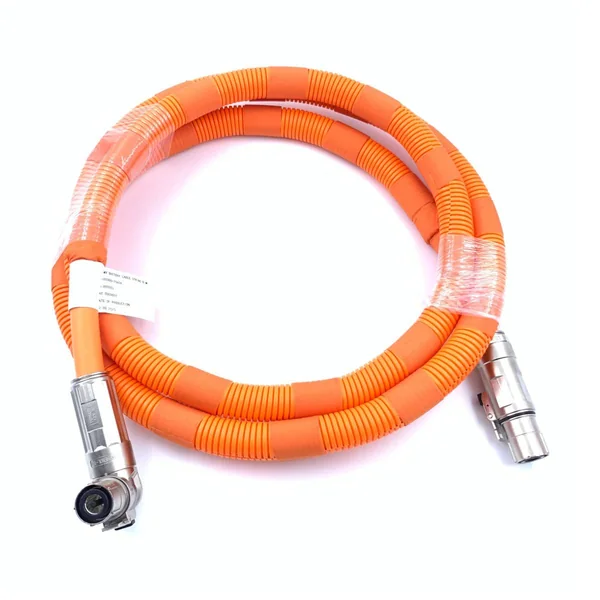
Corrugated and Heat-Shrink Protection

External sleeving manages abrasion, local heat and contact with brackets; it does not replace the cable's electrical insulation. A split corrugated tube is not a watertight conduit. Heat-shrink and adhesive-lined products require a compatible substrate, diameter range and process, while sharp edges may need a grommet or a separate barrier. Position sleeves so that connector seals and latches remain accessible. Protection must not conceal damaged insulation or become the only support for a heavy cable. Water paths, drainage and strain relief are reviewed together, particularly where a cable enters a battery enclosure or passes through a body panel.

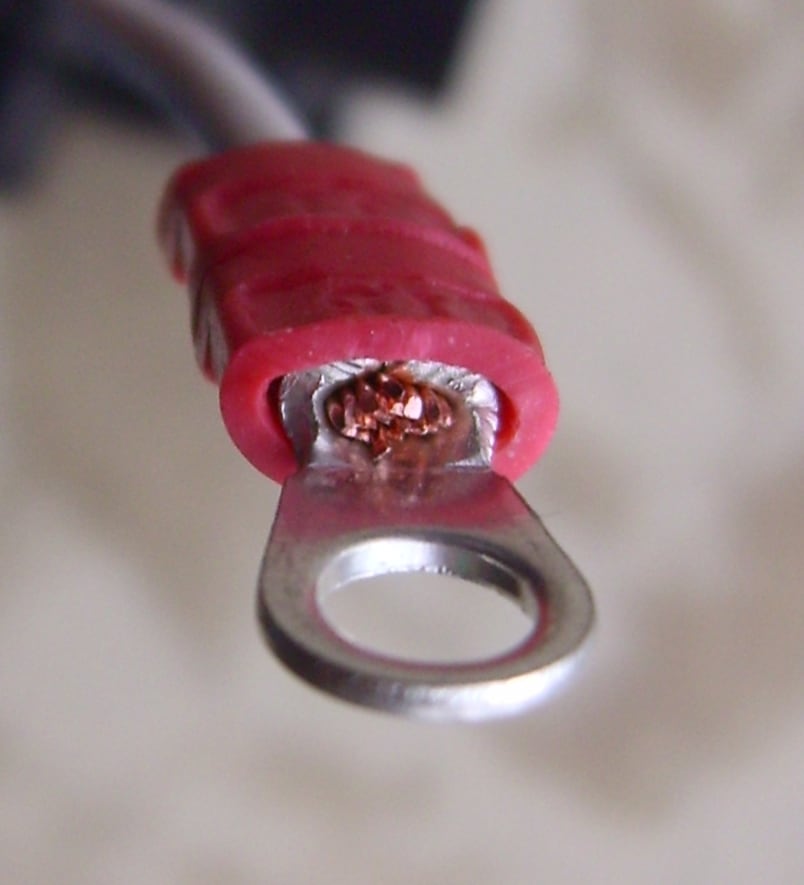
A small crimped ring terminal illustrates barrel and palm geometry; high-voltage lugs need their own approved specification.

Connectors and Copper Lug Terminals

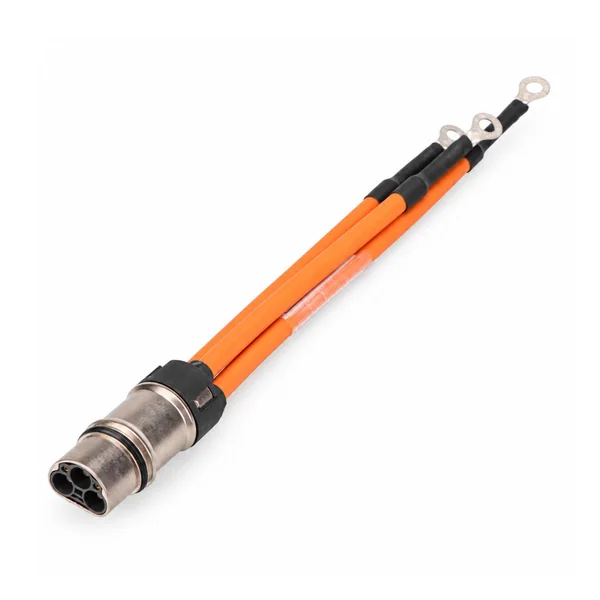
A connector specification includes the exact plug, header, contacts, seals, shield parts and locking configuration. TE AMP+ HVA 280, HVA 1200 and Amphenol ePower are examples of different high-voltage interconnect families, not mutually interchangeable names. Verify the manufacturer drawing and application specification for the chosen variant rather than transferring a headline rating from another wire size. Lug and busbar interfaces also need defined contact surfaces, fastening details and insulation clearances. Original components or any proposed alternative must be identified explicitly in the quotation and bill of materials. Listing a brand does not indicate manufacturer authorization or approval of our finished assembly.

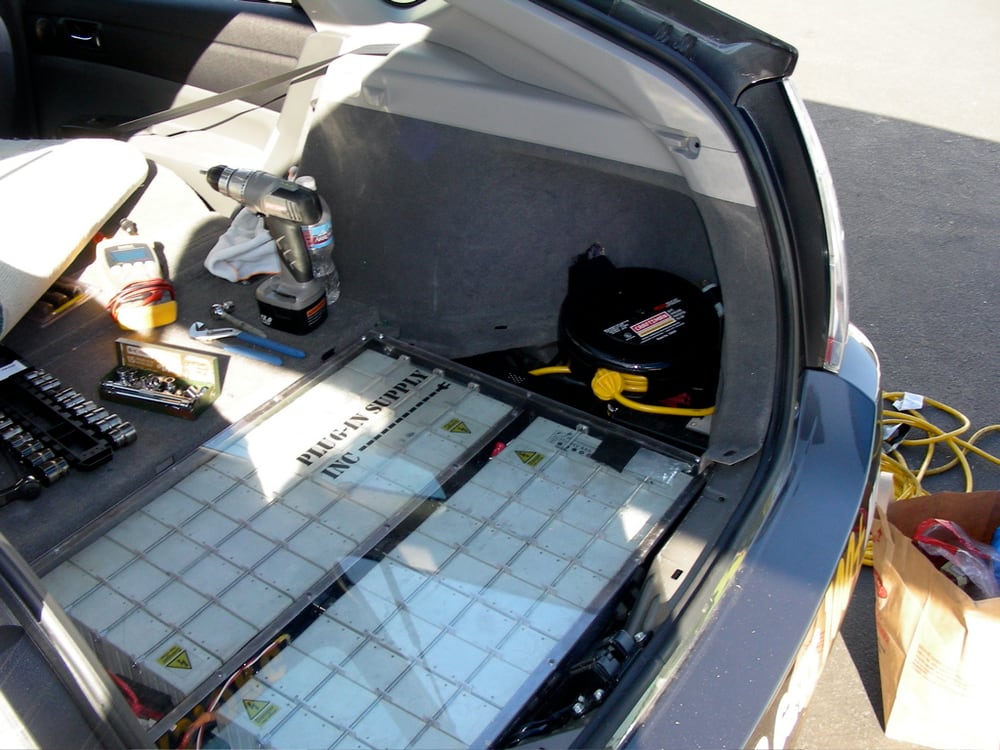
A Prius conversion battery installation illustrates system packaging, not a recommended retrofit.

Solution: High-Voltage Interconnection Harness

Begin with the power architecture: battery output, distribution, inverter, charger and auxiliary loads. The branch for a heater or DC/DC converter may need different wire, shielding and protection from the main traction link. Record polarity or phase identity, connector orientation, separation from low-voltage circuits and the service envelope. A busbar-to-cable transition requires its own support and insulation review. Samples help establish geometry but cannot reveal every hidden function. We use customer-approved electrical data and installation references to define the assembly; the vehicle's contactor, precharge and protection strategy remains part of the wider system design.

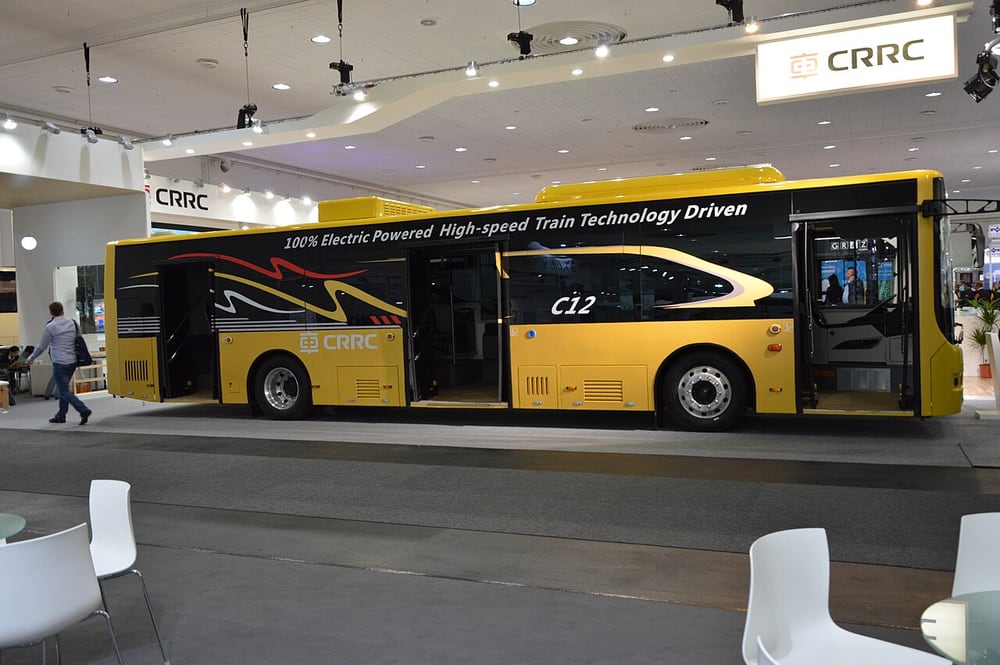
Electric buses provide an application context for power distribution and auxiliary feeds.

Industries and Applications

Electric cars use compact links around batteries, chargers and drive units. Electric trucks and buses add longer routes, higher vibration exposure and intensive duty cycles. Off-road machinery introduces contamination and protected service access; stationary energy equipment changes mounting, maintenance and installation rules. These application families are useful starting points, not a universal approval list. Railway, marine, aerospace and defense work requires a separate review of applicable standards, material traceability, testing and supplier qualification. A road-vehicle connector or cable document alone does not establish suitability for those sectors.

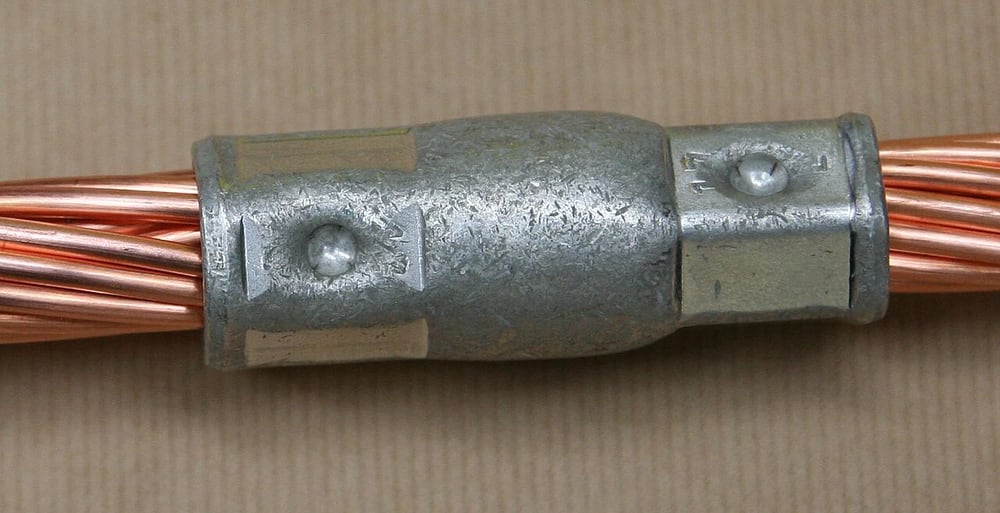
Crimp comparison: the source identifies the left impression as insufficient and the right as correctly formed. Tooling matters.

Manufacturing and Shipping Process

Engineering review first defines circuit identity, dimensions, component sources and inspection criteria. Process preparation then confirms stripping limits, termination tooling, shield preparation and assembly sequence against the applicable component instructions. Prototype evaluation addresses fit, locking, cable support and agreed electrical checks before a repeat-production version is released. Production records link the build to its drawing and material revision. Packaging protects exposed contacts, seals and minimum bend radii. Special tests, third-party validation and customer approvals are identified in the project plan rather than described as routine completed results for every order.

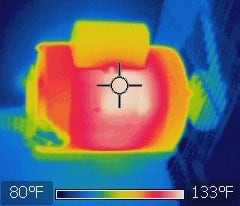
Motor thermography illustrates uneven heat distribution; it is not a test result for this harness.

Thermal and Voltage Management

Current produces heating in the conductor and contact interfaces; insulation and nearby components constrain the acceptable temperature. Review the actual duty cycle and installation instead of treating a free-air connector rating as a sealed-enclosure rating. Voltage loss depends on the complete circuit resistance, including terminations. Voltage class also concerns insulation coordination and separation, not simply thicker copper. A temperature sensor or monitoring lead can be included only when its location, interface and control function are defined. The harness itself does not automatically switch off an overheating system unless a separately specified device and control architecture provide that function.

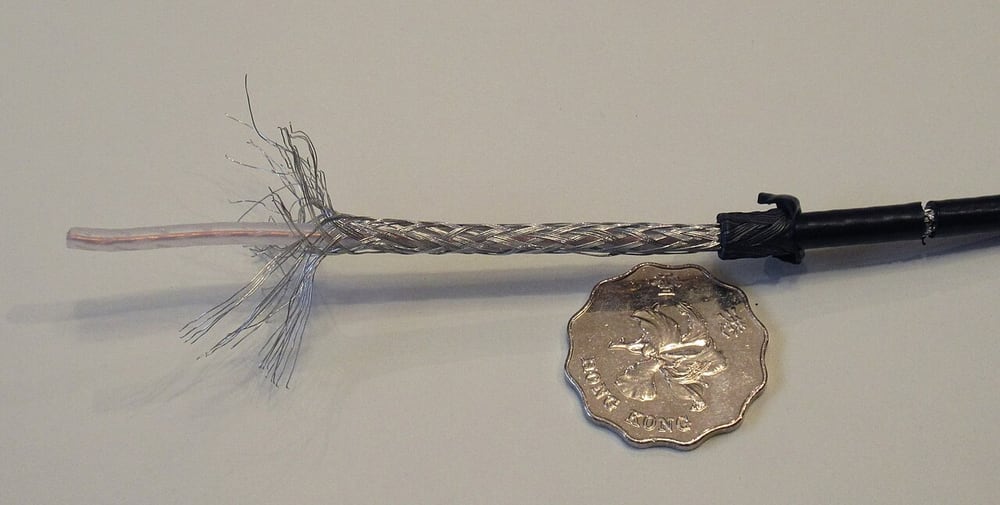
Braid on a coaxial cable illustrates a conductive shield layer, not a high-voltage cable specification.

Shielding Against EMI and Electrical Noise

Fast inverter switching can couple noise into nearby circuits. Cable braid or foil is only part of the answer: the shield needs a controlled termination at the connector and equipment boundary. Exposed lengths, discontinuities and poorly supported shield contacts can reduce performance. The chosen grounding strategy, route separation and enclosure connections are reviewed with the system EMC requirements. A continuity reading across a shield does not describe its high-frequency transfer behavior. Likewise, shielding is not a replacement for insulation, sealing or fault protection. EMC evidence must relate to the actual assembly and installation, not just the presence of a metal braid.

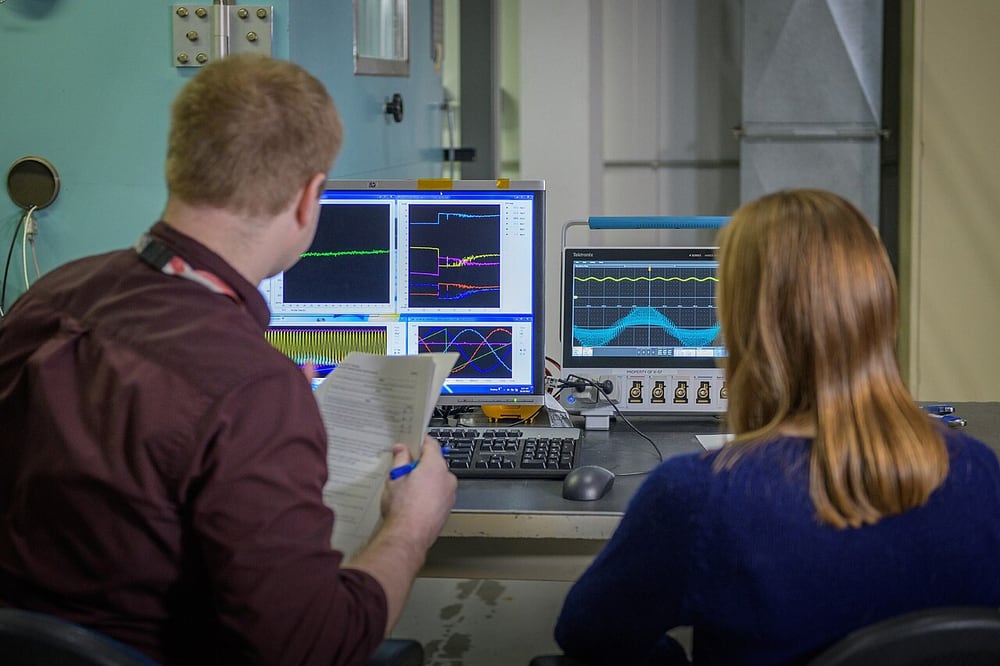
NASA motor-controller thermal research illustrates controlled engineering validation, not company testing or HVIL certification.

Safety, Interlock and Project Validation

HVIL uses a separate low-voltage monitoring path to help detect an open or improperly connected high-voltage interface. The response depends on the vehicle controller and contactor strategy; a closed loop is not proof that the circuit is de-energized. Connector position assurance, touch protection and mechanical coding address different risks and should not be confused. Validation may include circuit mapping, isolation, contact resistance, dielectric checks and specified environmental conditioning under an approved plan. Tests involving energized high-voltage equipment require qualified personnel and the equipment's safety procedure. This overview does not authorize bypassing an interlock or working on a live traction circuit.

High-Voltage Harness Questions

Does orange insulation prove an 800 V rating?

No. Identification color is separate from voltage rating. Confirm the cable and connector variants, insulation coordination and the project's verification requirements.

Can the same harness serve every EV platform?

No. Current duty, interfaces, control functions, route and environment change by platform. A similar-looking connector does not establish interchangeability.

What should be supplied for engineering review?

Provide system voltage, current profile, circuit and interface drawings, route dimensions, environmental requirements, quantity and the required test or approval documents.

Does this page claim vehicle or functional-safety certification?

No. Component references and project-review capability are not finished-harness or vehicle certification. Applicable evidence and responsibilities must be agreed for each project.

Photo credits and technical references

PART NUMBER / INTERFACE / MATERIAL

Models, Part Numbers & Sourcing

Find a cable model or material part number, then send it for a custom replacement or original-part sourcing review.

Back to Top ↑

10 references · Search by brand or part number

Cable & Harness Models

Manufacturer-identified finished assemblies for this application.

  • TE Connectivity

    1-2208103-4

    HVA280 single-ended high-voltage cable assembly, 850VDC, 4m

    Custom compatible replacements · Original-parts sourcing

  • TE Connectivity

    1-2208103-5

    HVA280 single-ended high-voltage cable assembly, 850VDC, 5m

    Custom compatible replacements · Original-parts sourcing

  • TE Connectivity

    1-2379991-2

    HVA280 single-ended high-voltage cable assembly, 600VDC, 3m

    Custom compatible replacements · Original-parts sourcing

  • TE Connectivity

    2-2282265-5

    HVA630 high-voltage pigtail cable assembly, 850VDC, 5m

    Custom compatible replacements · Original-parts sourcing

Connector & Material Part Numbers

Category-specific material references; the final BOM follows the approved configuration.

  • TE Connectivity

    2-2371113-1

    HVA HD400 connector component

    Custom compatible replacements · Original-parts sourcing

  • TE Connectivity

    3-2371113-1

    HVA HD400 connector component

    Custom compatible replacements · Original-parts sourcing

  • TE Connectivity

    2371113-1

    HVA HD400 connector component

    Custom compatible replacements · Original-parts sourcing

  • TE Connectivity

    1-2371113-1

    HVA HD400 connector component

    Custom compatible replacements · Original-parts sourcing

  • TE Connectivity

    2349180-1

    HVA HD400 connector component

    Custom compatible replacements · Original-parts sourcing

  • TE Connectivity

    2349180-2

    HVA HD400 connector component

    Custom compatible replacements · Original-parts sourcing

Selection & Project Review

01 Application Boundary

Voltage withstand, temperature rise, shielding and HVIL are separate requirements that must work together.

02 Project Inputs

High-voltage projects require engineering and validation review before quotation. This page is not an energized-service procedure.

03 Release Records

Agree component sources, tooling, drawings, samples and verification scope before releasing a production build.

04 Interface Review

Confirm the exact mating interface, pin map, dimensions and installation orientation.

05 Sample Acceptance

Agree the sample configuration and electrical, mechanical or environmental checks required by the project.

06 Change Control

Record changes to materials, drawings and process instructions before repeat manufacture.

Send the part number, drawing or sample to confirm the replacement configuration and sourcing plan.

PROJECT REVIEW / CUSTOM MANUFACTURING

Custom Wire Harness Manufacturing in China

Custom wire harness manufacturing from our China factory, with OEM/ODM project support.

A sample, clear connector photos or a description of the equipment and required quantity is enough to start a review.

Discuss Custom Manufacturing & Sourcing

Start with a part number, drawing, sample or equipment requirement.

Information for an accurate quotation

When available, include drawings and BOM, connector and mating part numbers, pinout, wire length and gauge, branch layout, quantity and required tests. Materials, inspection scope and delivery are confirmed for each project.