

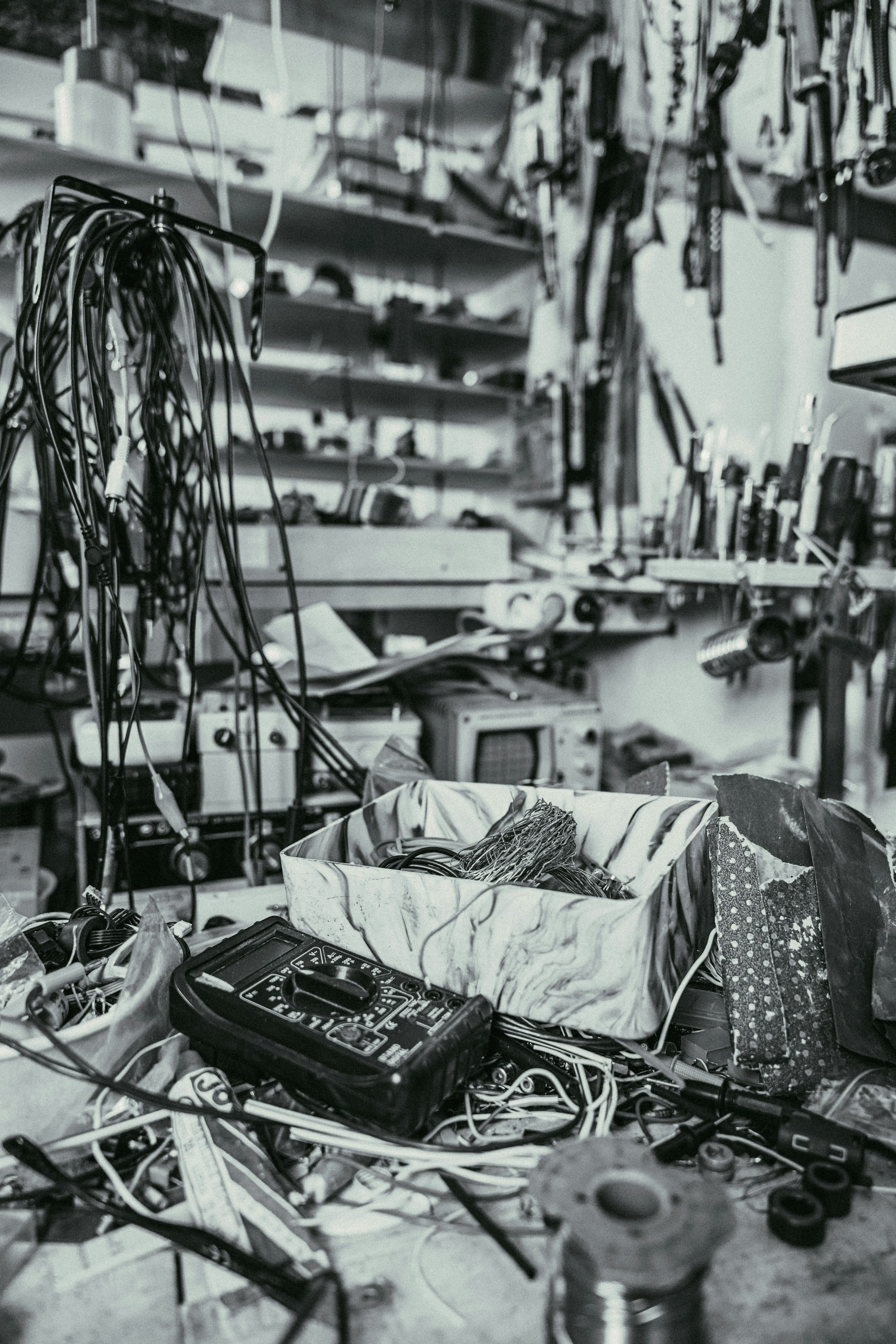
Proof-of-concept harness
Used to verify a circuit idea, interface choice or basic function before the mechanical package is frozen. Provisional dimensions and substitutions are marked clearly.
Prototype and small-batch harnesses support engineering validation, replacement trials, pilot equipment and low-volume projects where the design may still change. The objective is to learn quickly without losing configuration control.
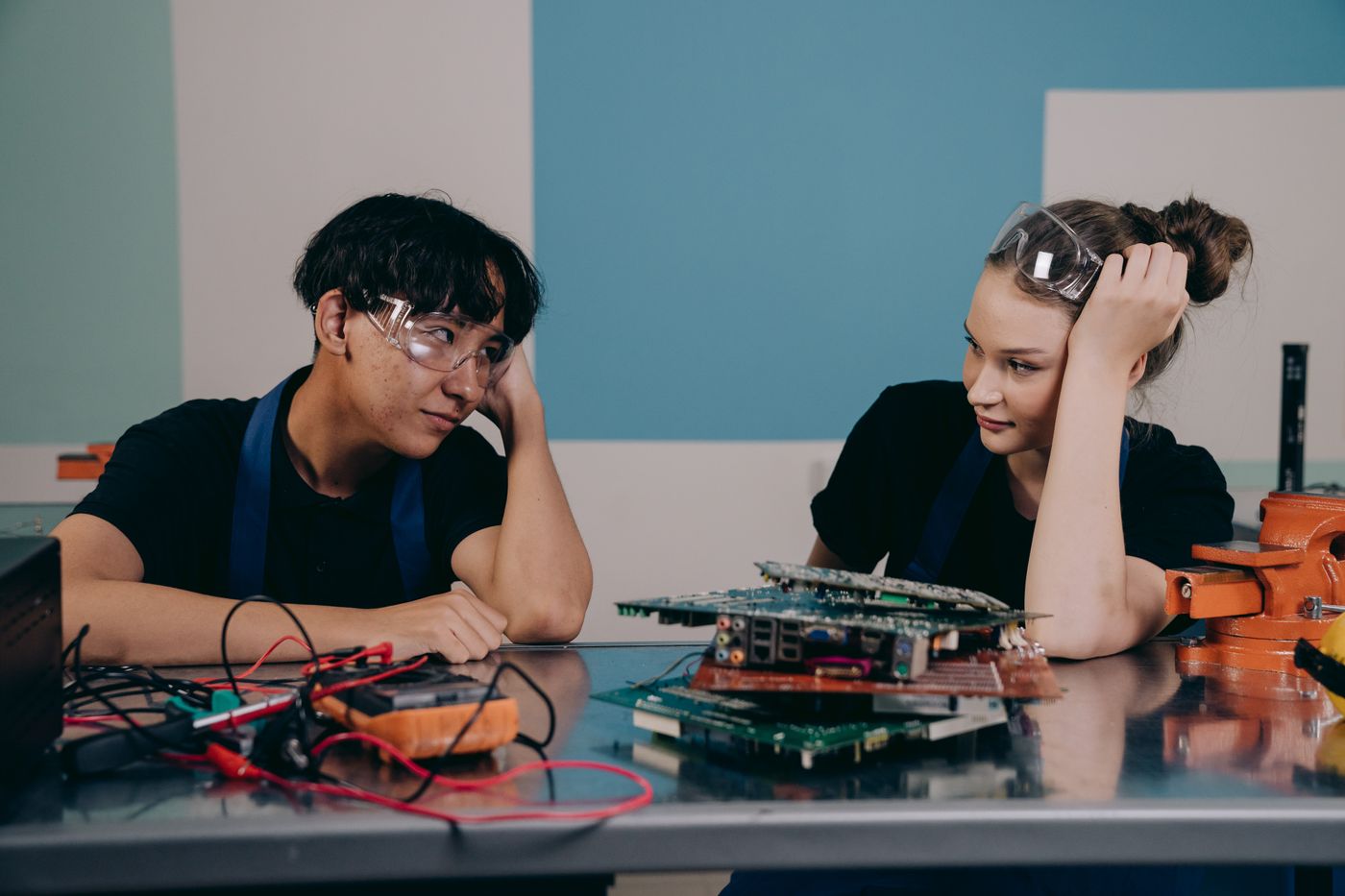
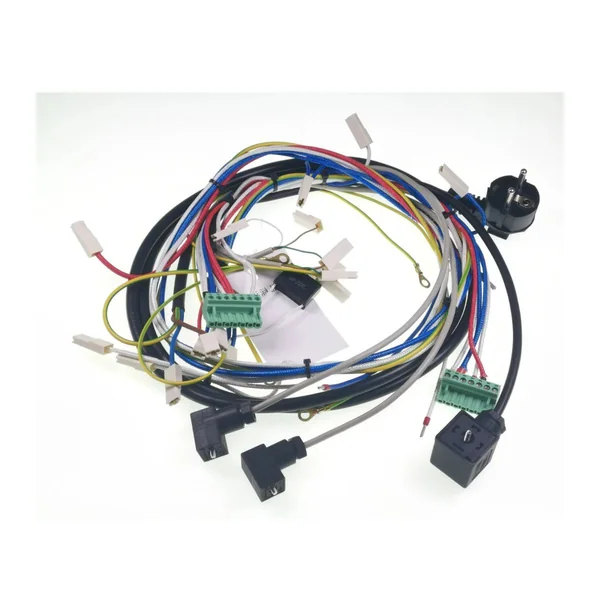
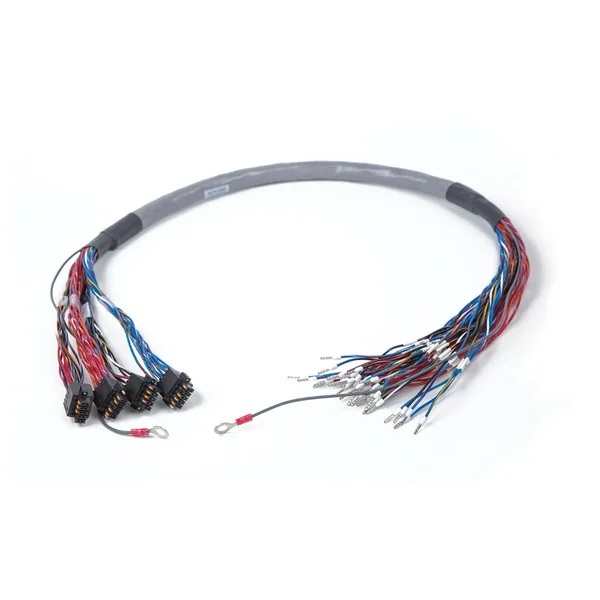
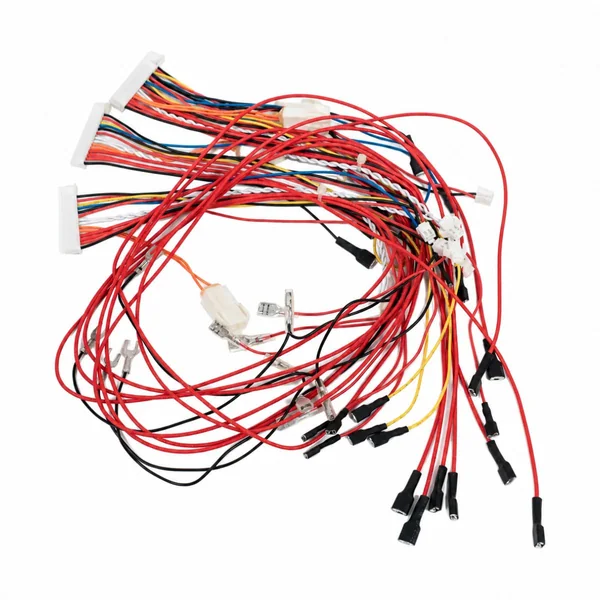
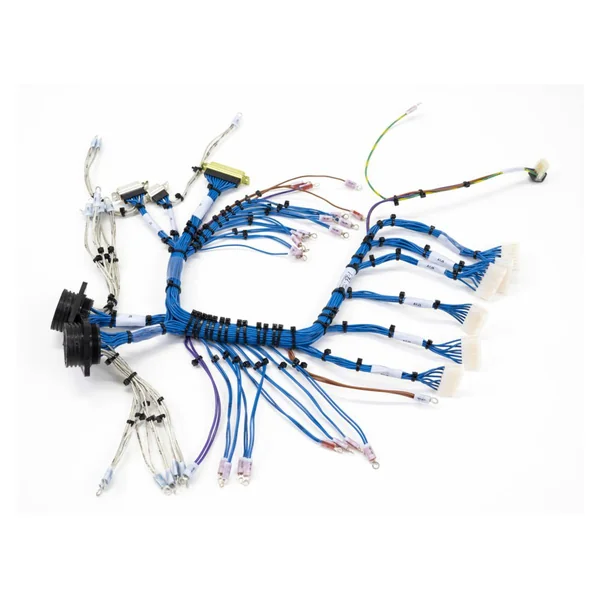
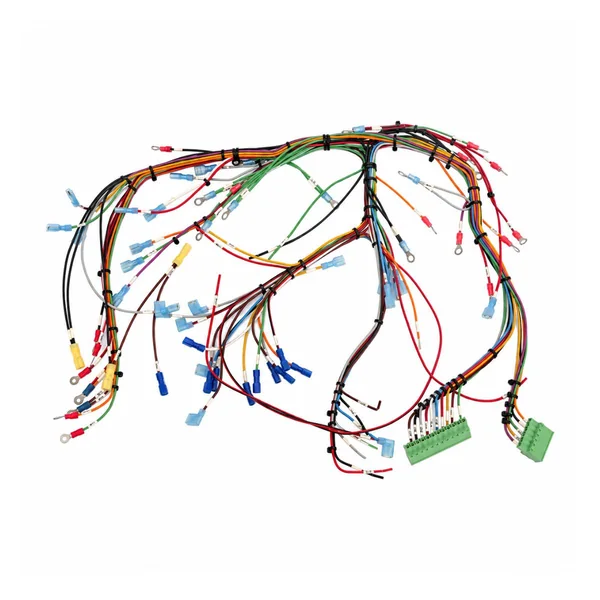
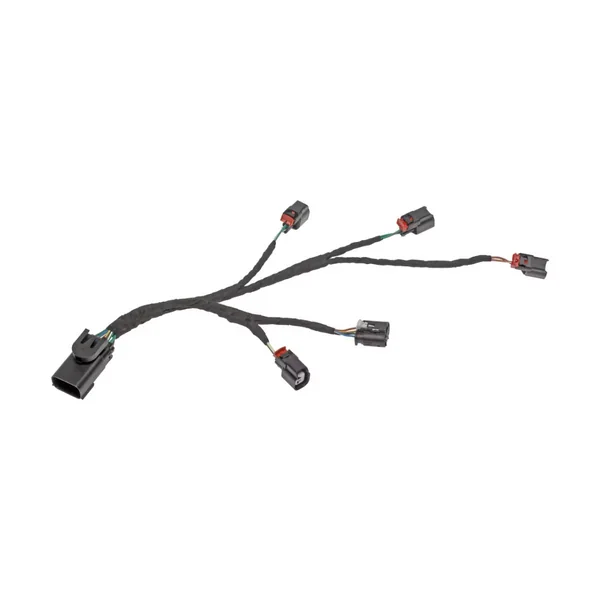
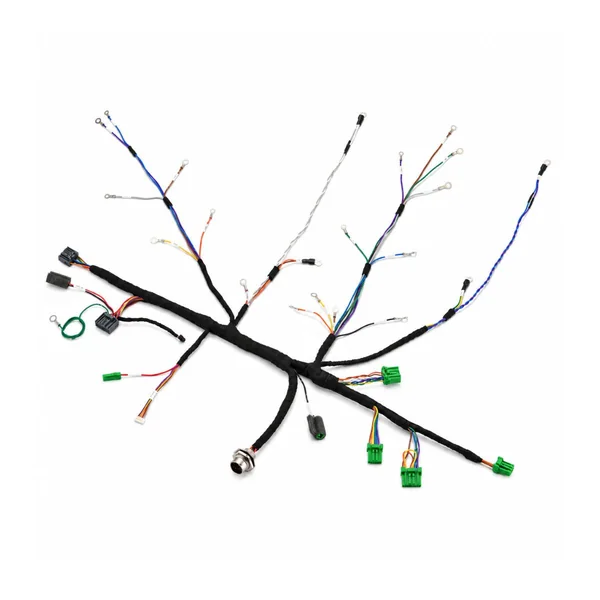
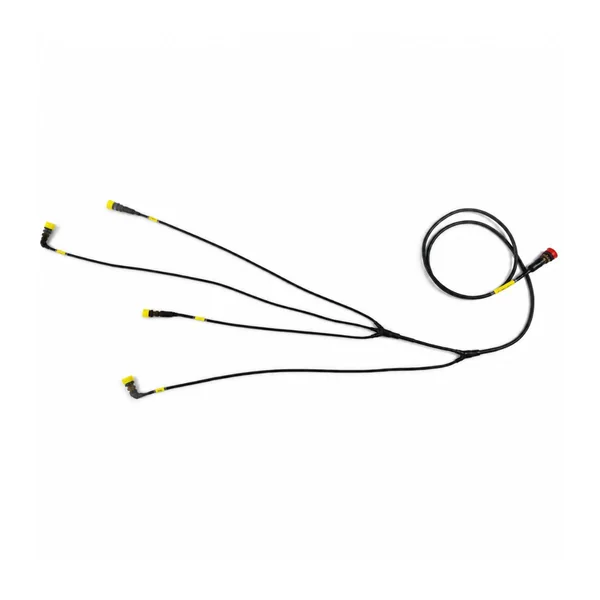
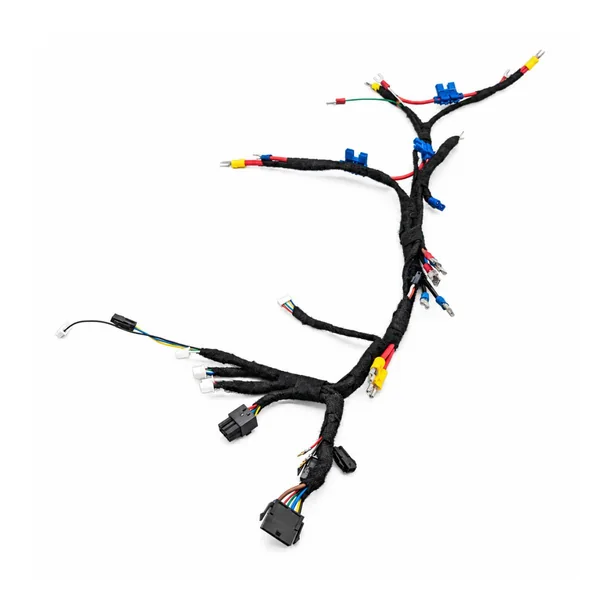
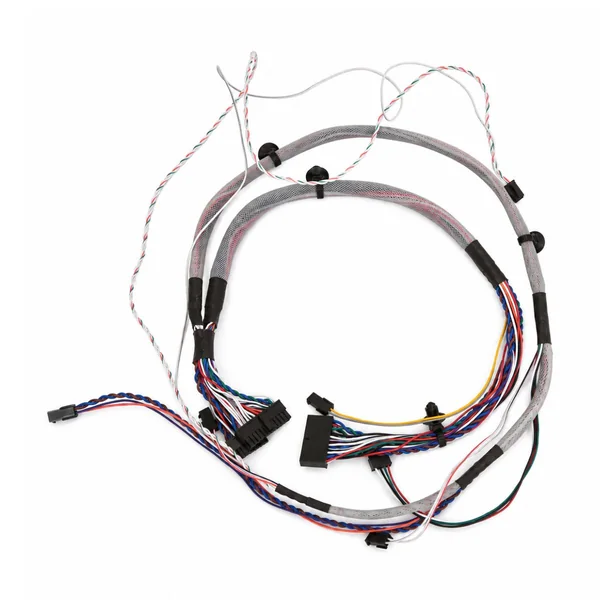
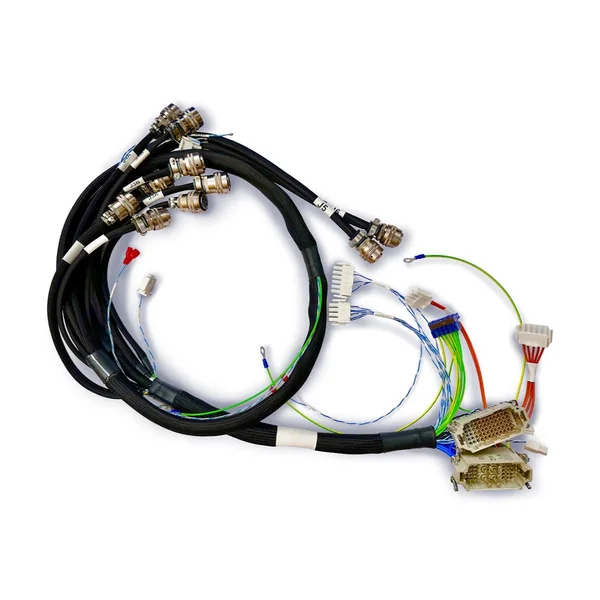
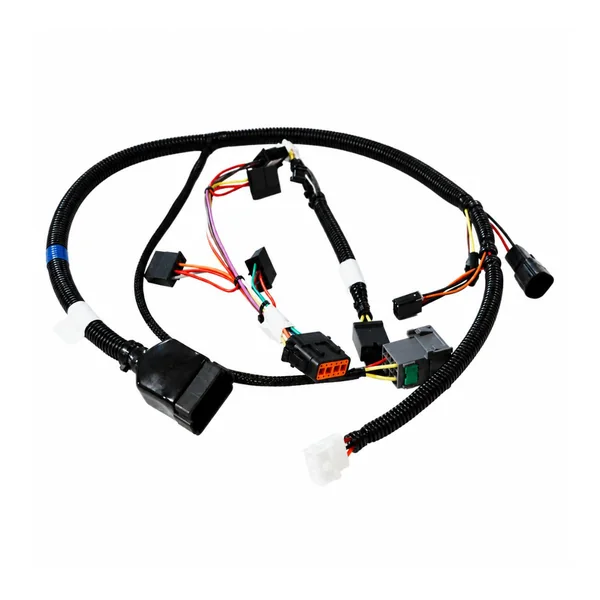
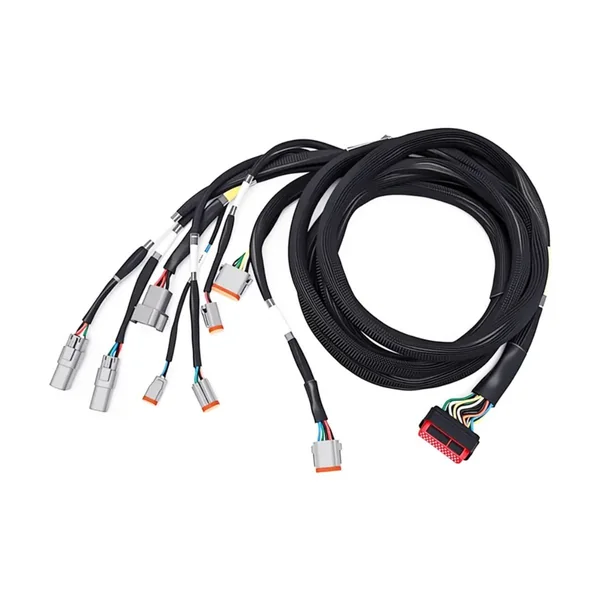
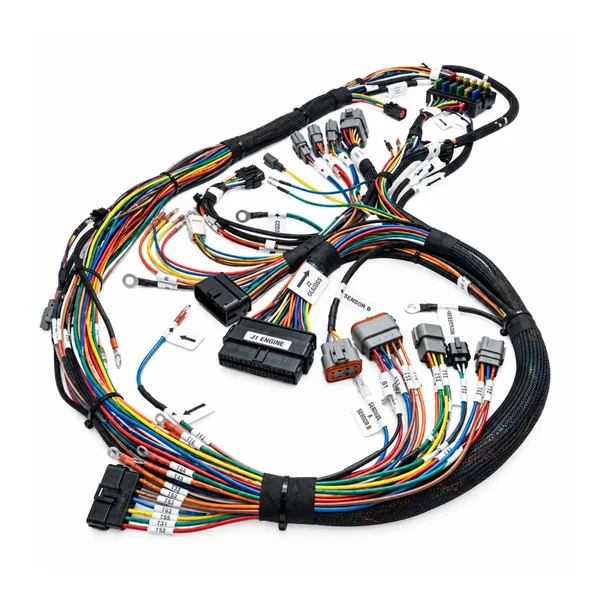
Fast engineering learning with controlled revisions
Prototype and small-batch harnesses cover proof-of-concept samples, fit checks, functional verification, pilot equipment, replacement trials and recurring low-volume builds. A sample may prove one purpose while other dimensions, materials or processes remain provisional. We therefore record the test objective, current revision, assumptions, temporary substitutions and open points, then convert the findings into a controlled drawing, BOM and inspection plan before repeat production.
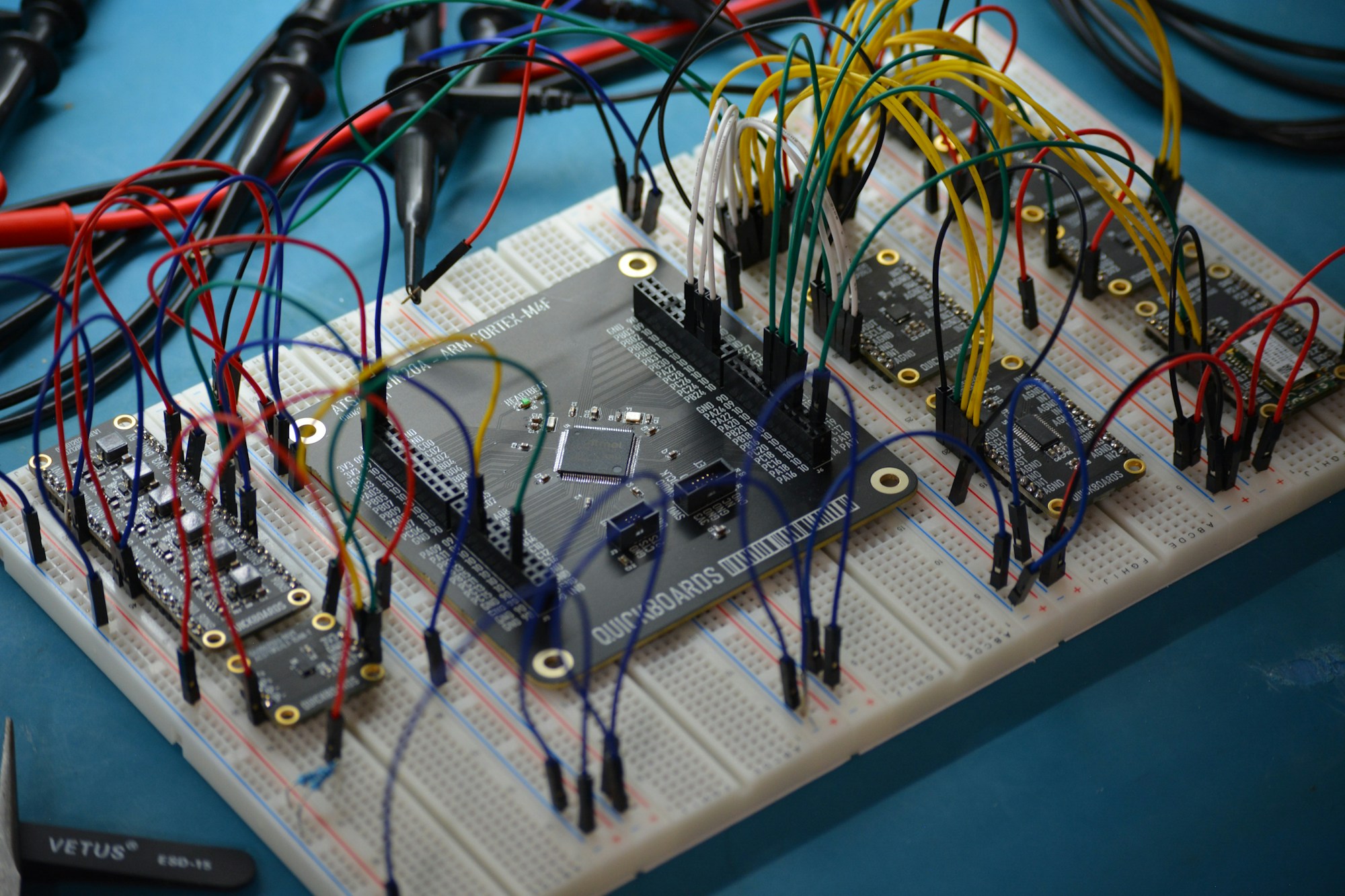
Used to verify a circuit idea, interface choice or basic function before the mechanical package is frozen. Provisional dimensions and substitutions are marked clearly.
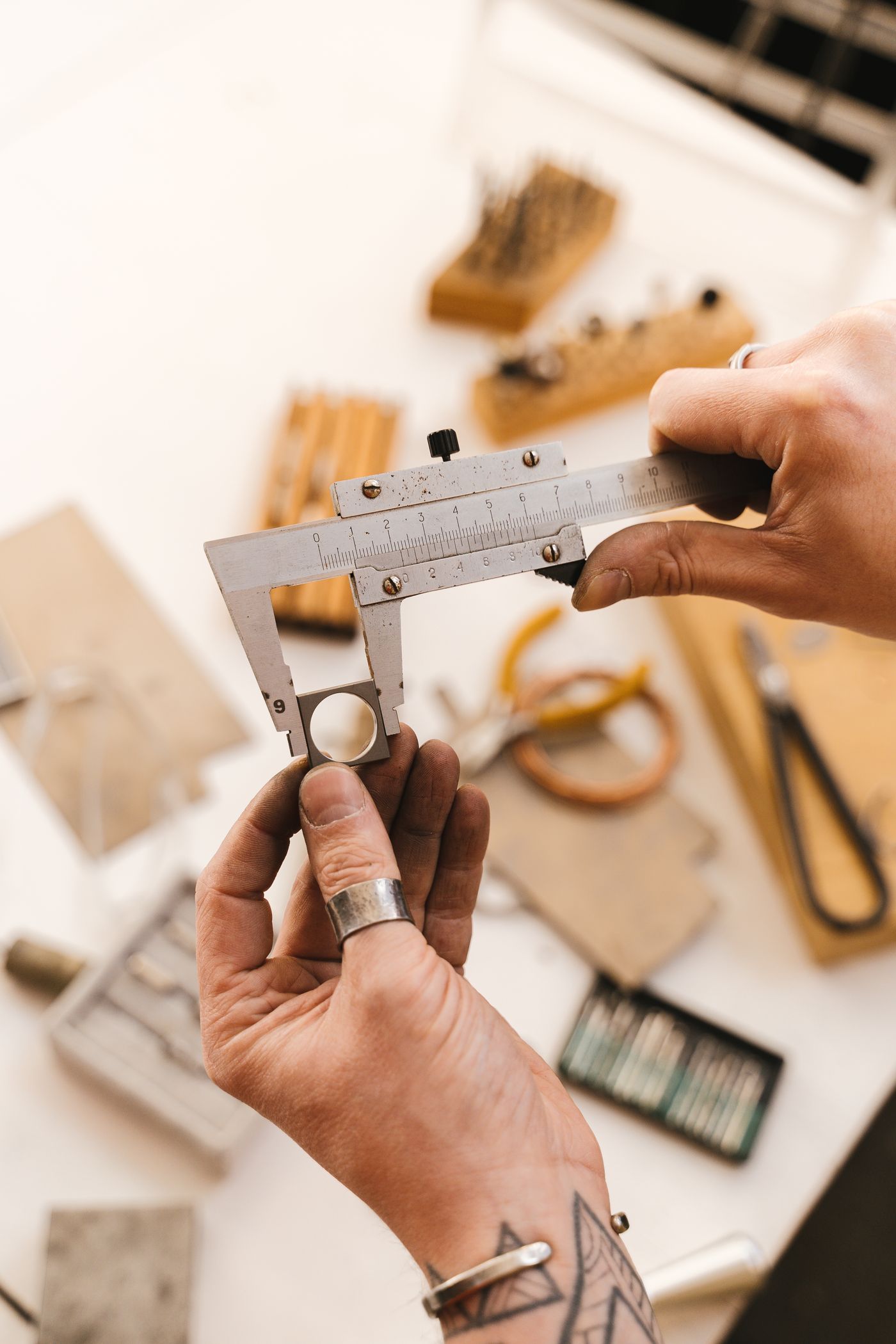
Focuses on connector mating, branch position, routing, clips, bend space and service access. Electrical load testing may remain outside this sample's approved purpose.
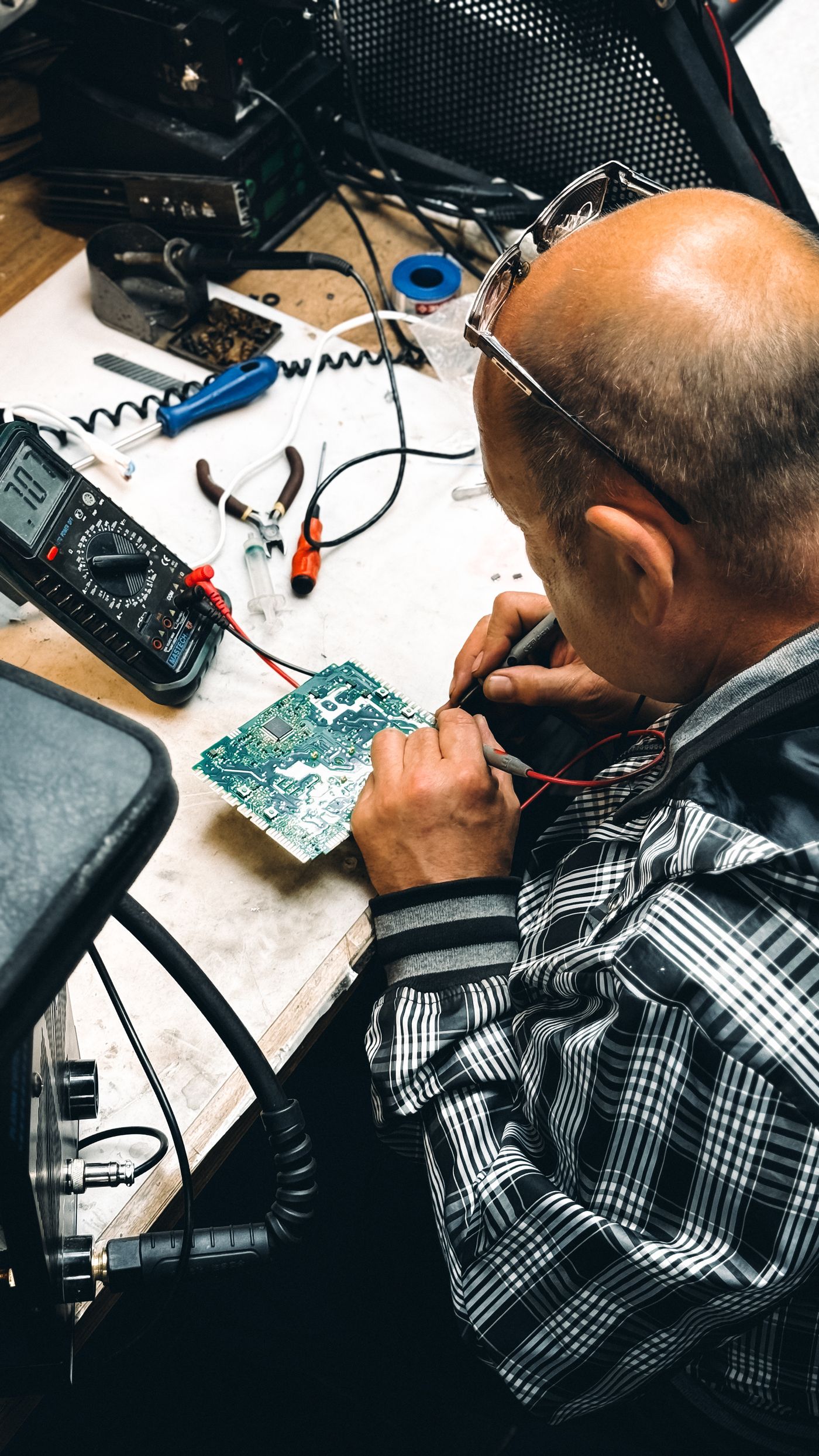
Built with defined pin mapping and agreed materials to validate continuity, polarity, signal or equipment operation under a stated test setup.
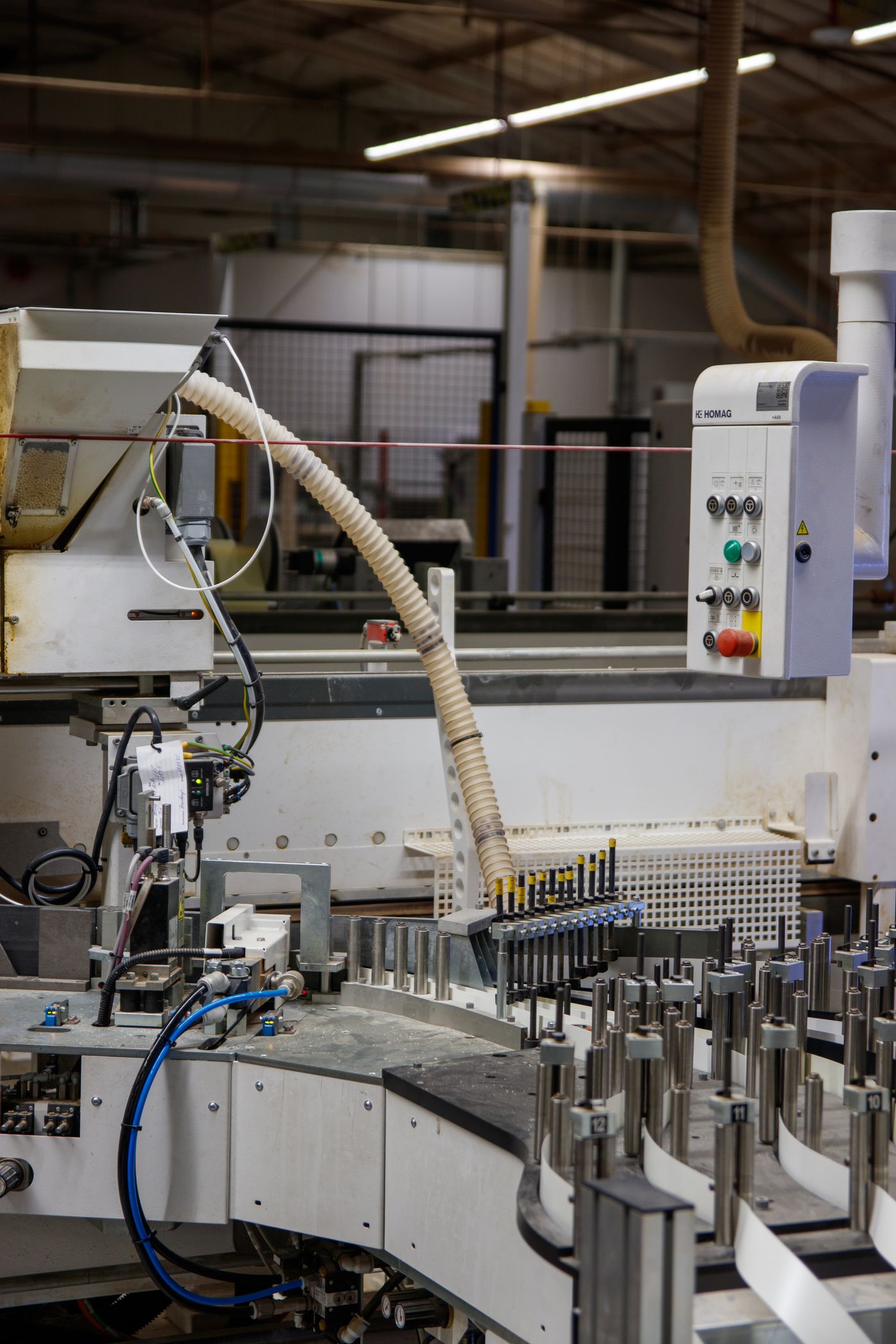
A small controlled batch checks assembly sequence, work instructions, tooling, inspection points and variation before a wider production release.
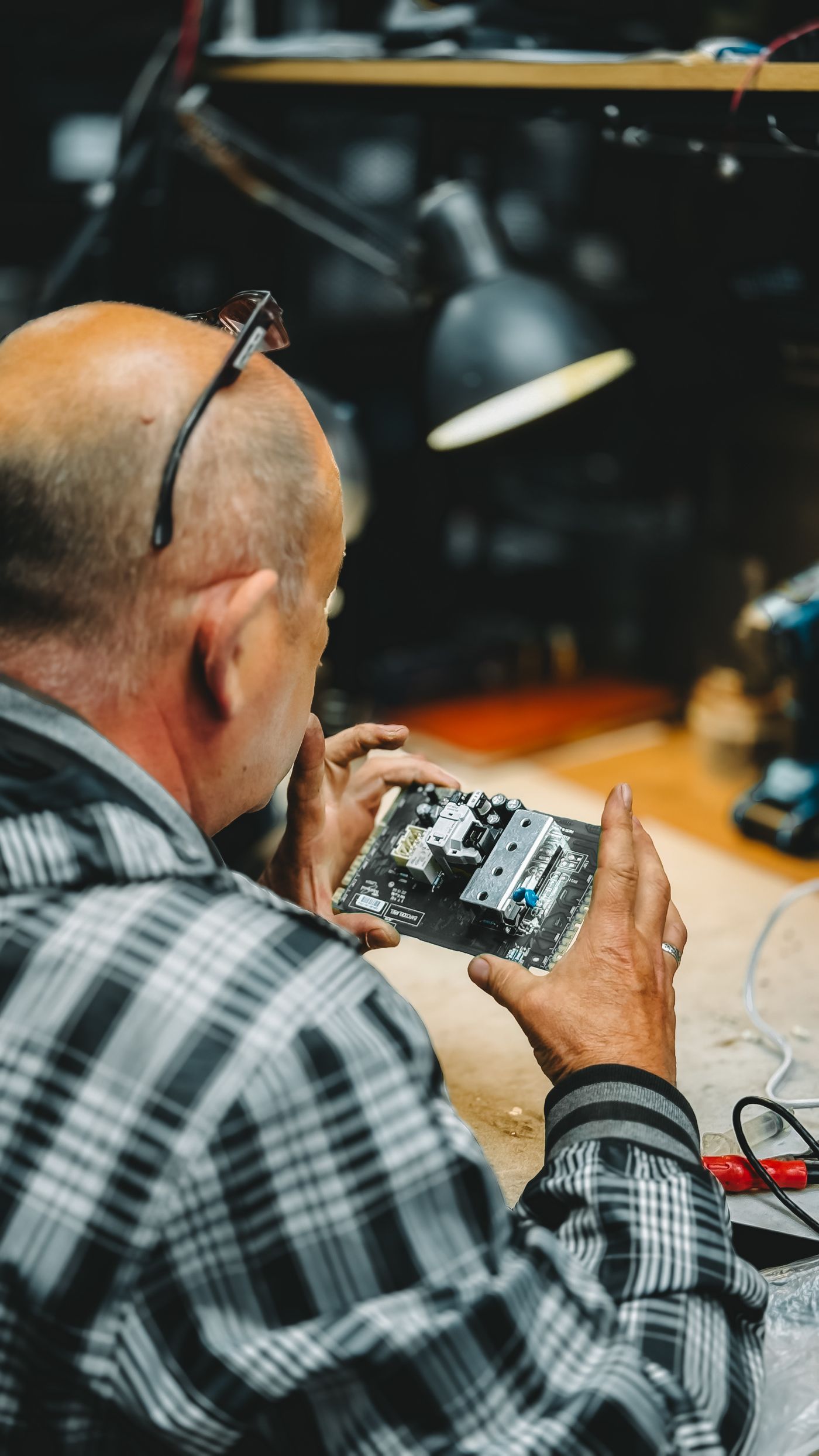
A physical reference can support measurement and circuit mapping, but mating interfaces, hidden components, ratings and intended function still require customer confirmation.
For service parts, specialist equipment and low annual demand, the approved configuration is reproduced in manageable batches with revision and material control.
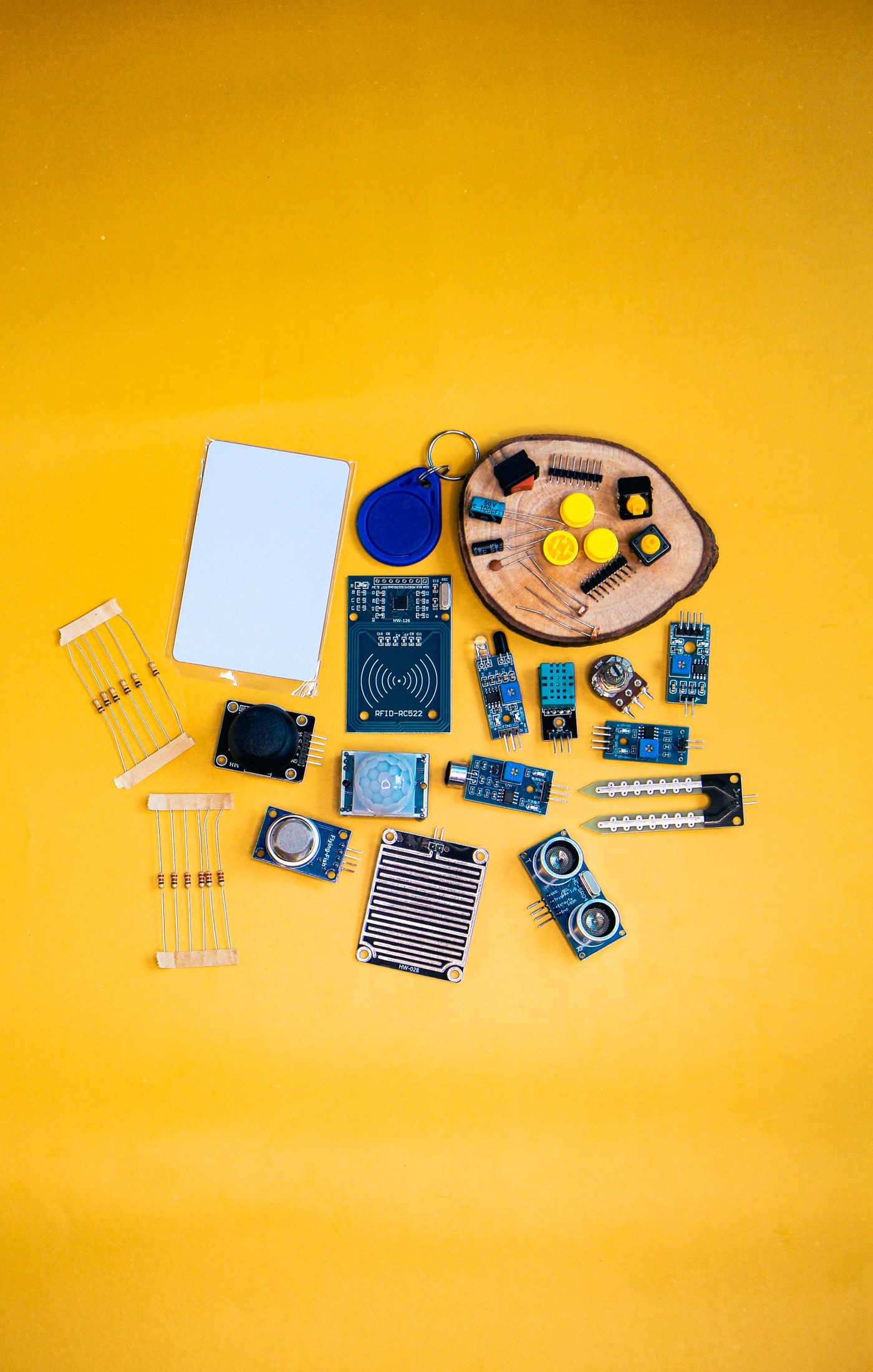
Current, voltage drop, temperature, flexing and termination determine which conductors must match the intended production design from the first functional sample.
When a specified jacket, colour or accessory is unavailable, the substitute, reason, affected test and replacement plan are recorded rather than silently accepted as final.
Crimp geometry, conductor range, seals and splice construction influence both fit and electrical behavior, so critical interfaces should be production representative.
A neat sealed connector does not by itself prove ingress, temperature or endurance. Materials and tests are tied to the stated sample purpose and final installation.

We can organize drawings, pin tables, photos, marked samples and equipment layouts into a review list that separates confirmed requirements from assumptions.
Fit, function, environmental and production-process samples answer different questions. Defining the purpose avoids unnecessary cost and misleading acceptance.
Every approved change updates the applicable drawing, BOM, pin map, label or inspection requirement so the next build does not depend on memory.
After design review, production-intent materials, tooling, work instructions and inspection points replace provisional methods before the configuration is released.
Validates cabinet, sensor, actuator, motor and safety connections while the equipment layout is still being adjusted.
Supports initial stations, packaging equipment and process modules before quantities and final routing are stable.
Connects instruments, fixtures, sensors and data-acquisition hardware for a defined experiment or verification setup.
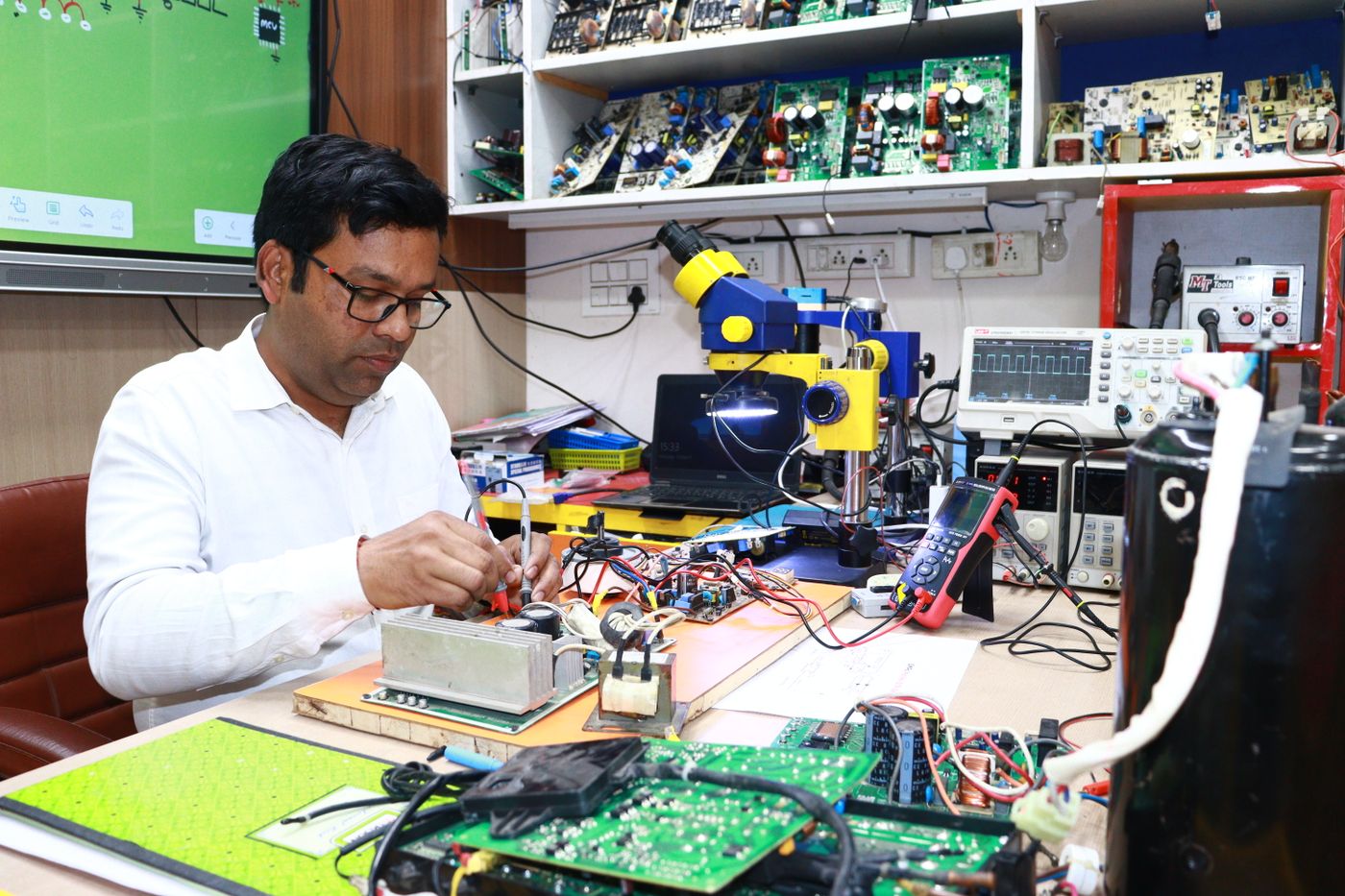
Checks internal routing, motors, heaters, controls and service connections before enclosure and assembly details are finalized.

Supports new end effectors, motion modules, sensors and controller interfaces through successive engineering revisions.
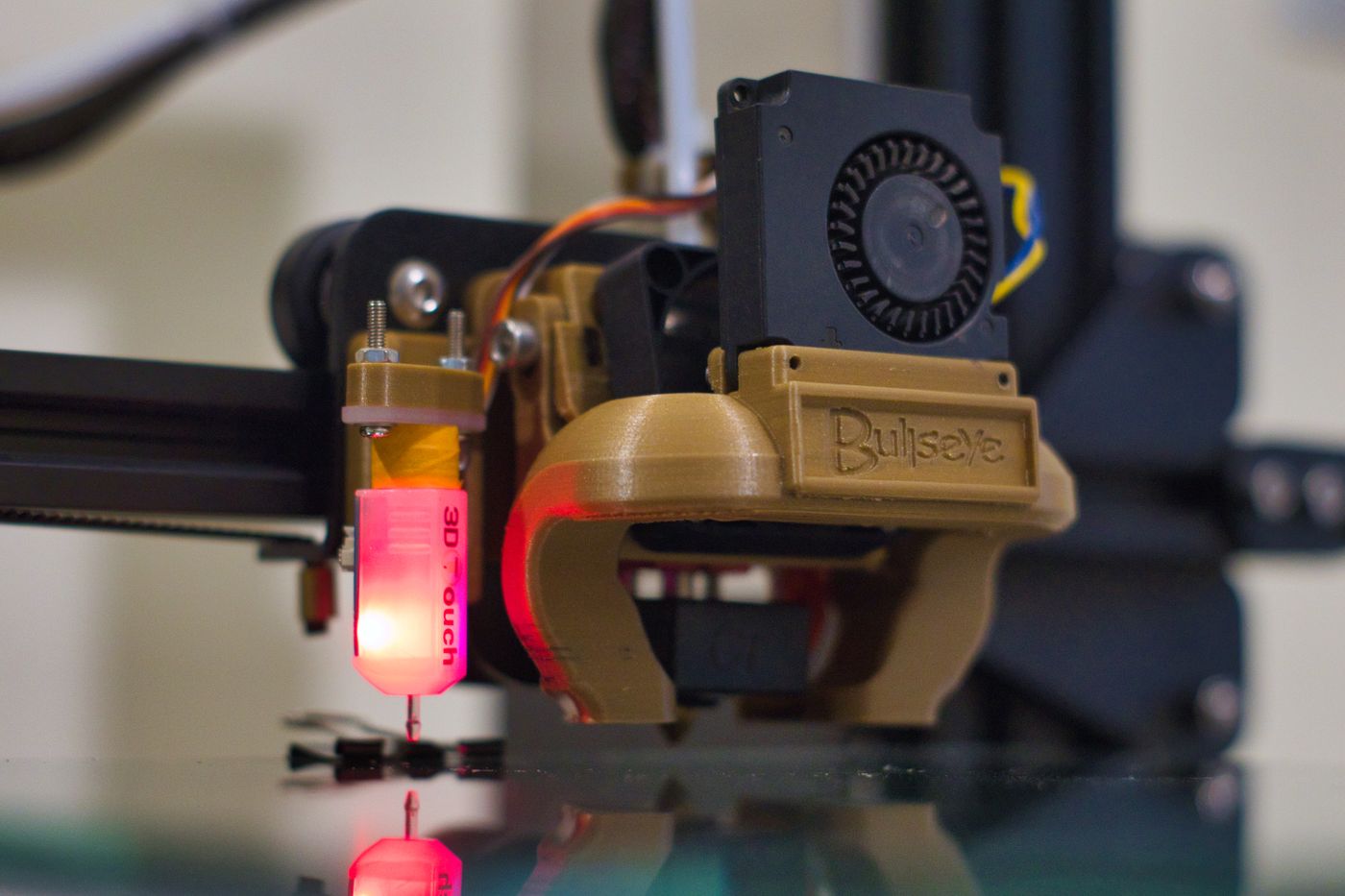
Suitable for treatment, monitoring, field-service and custom machines whose annual demand remains below conventional mass production.
Confirm what the sample must prove, current revision, open dimensions, must-use parts, acceptable substitutions, quantity and target review date.
Create or refine circuit mapping, branch datums, connector views, labels, protection, assumptions and acceptance points.
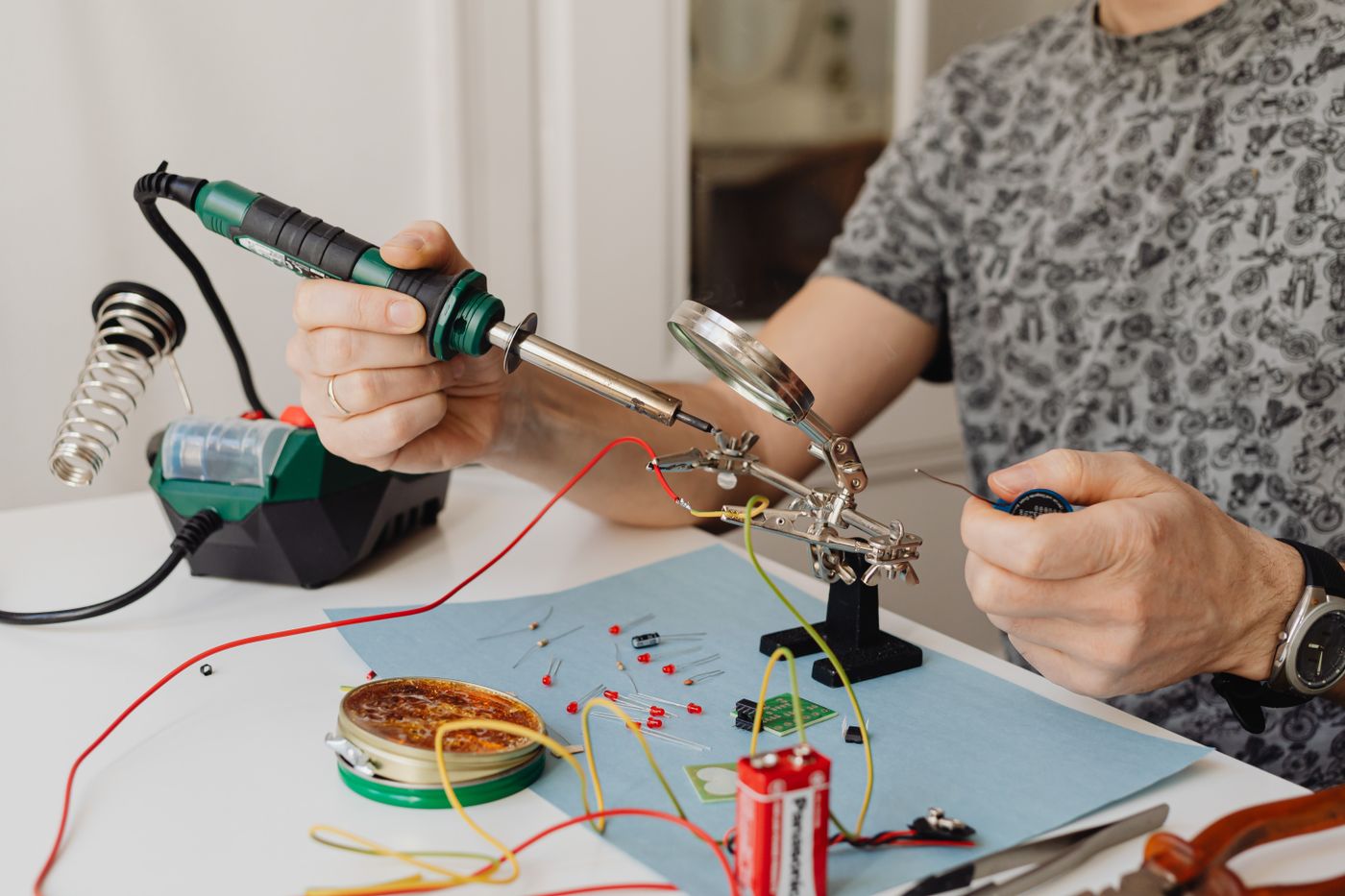
Identify production-intent items, temporary parts, manual operations, tooling gaps and which results may not transfer directly to volume production.
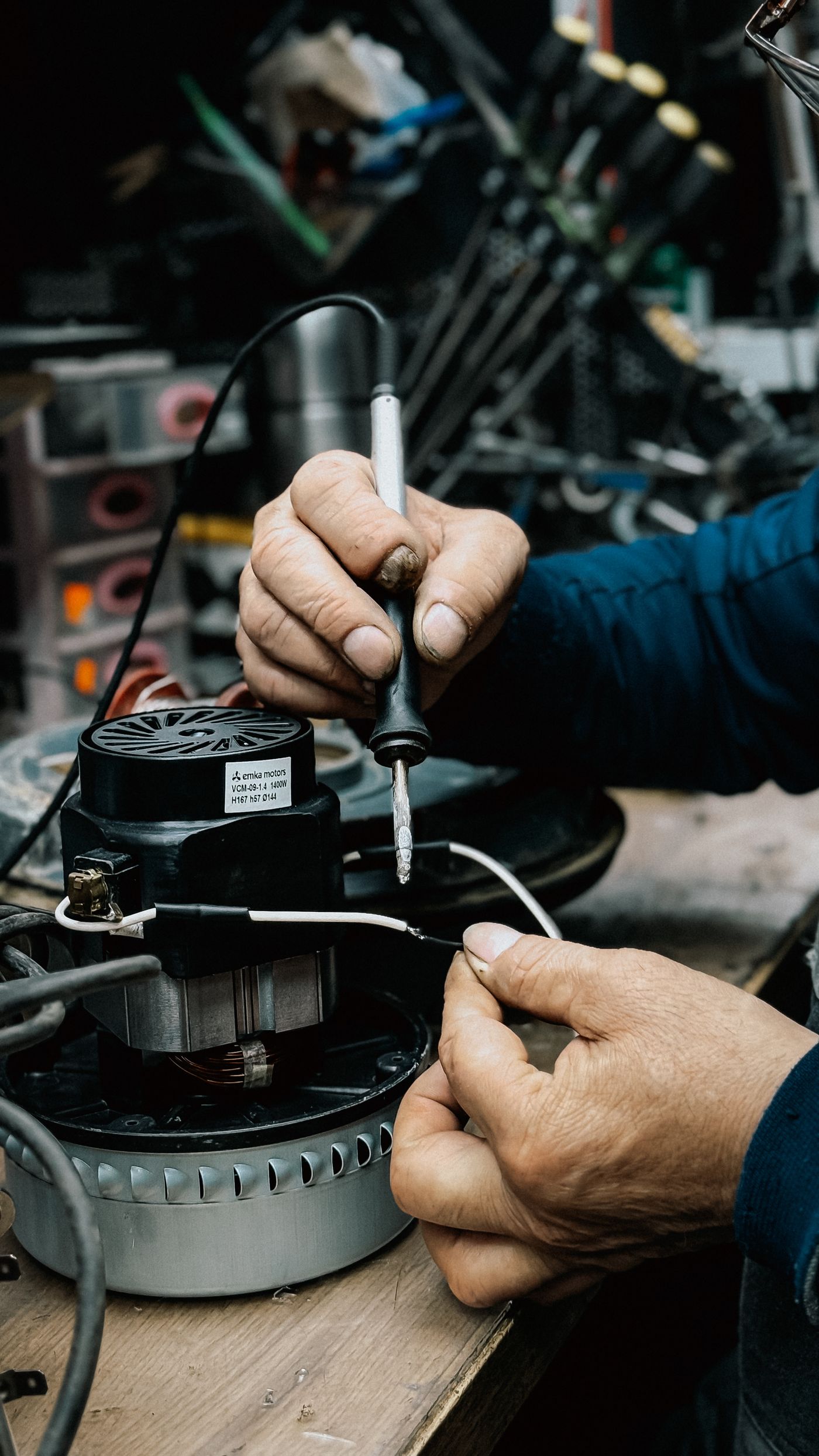
Build to the reviewed data and record deviations, substitutions, rework and actual dimensions instead of correcting them invisibly.
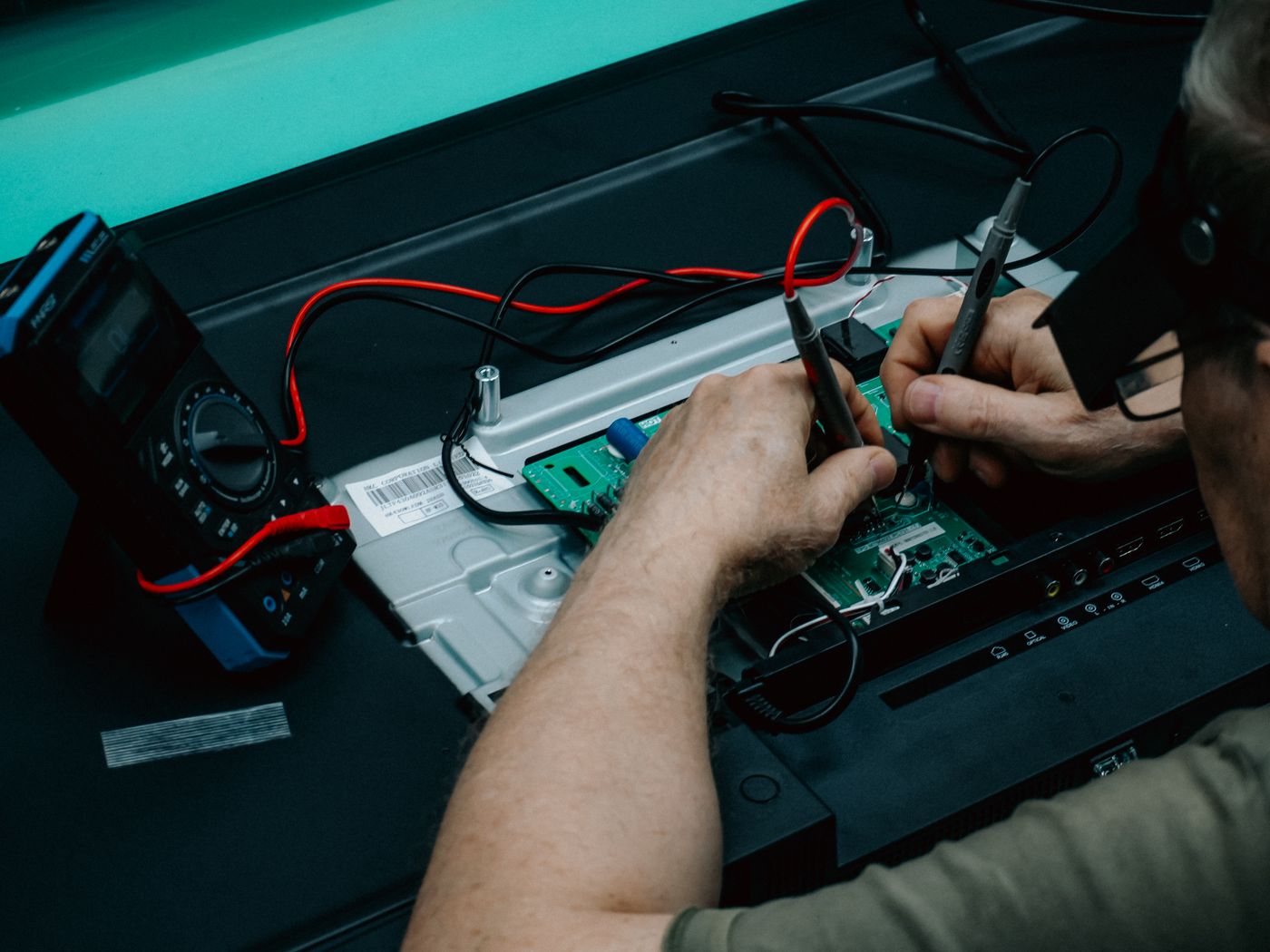
Perform the agreed checks only, record setup and results, then distinguish accepted requirements from items that remain open.
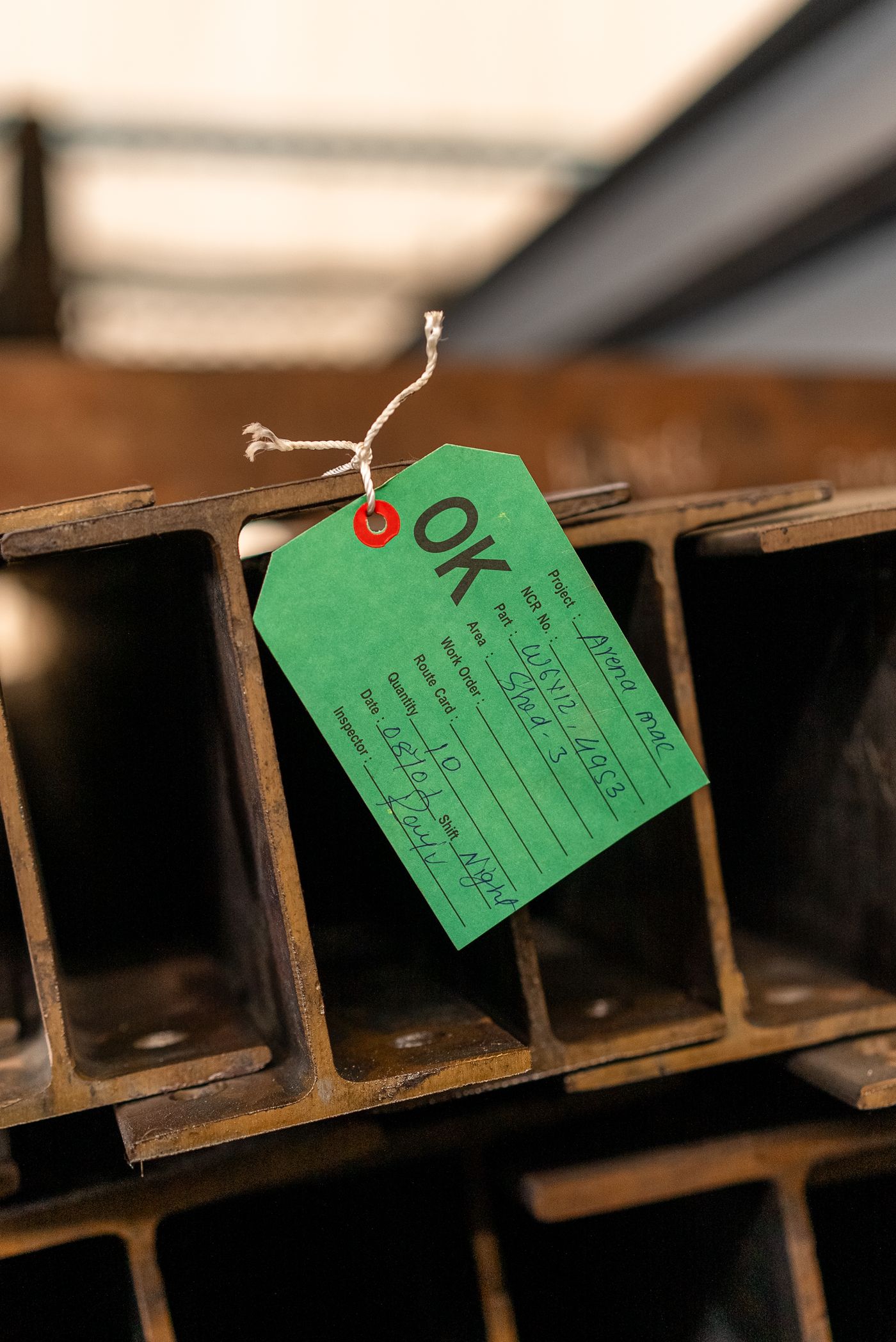
Convert approved feedback into the next drawing and BOM revision; repeat builds start from that released configuration.
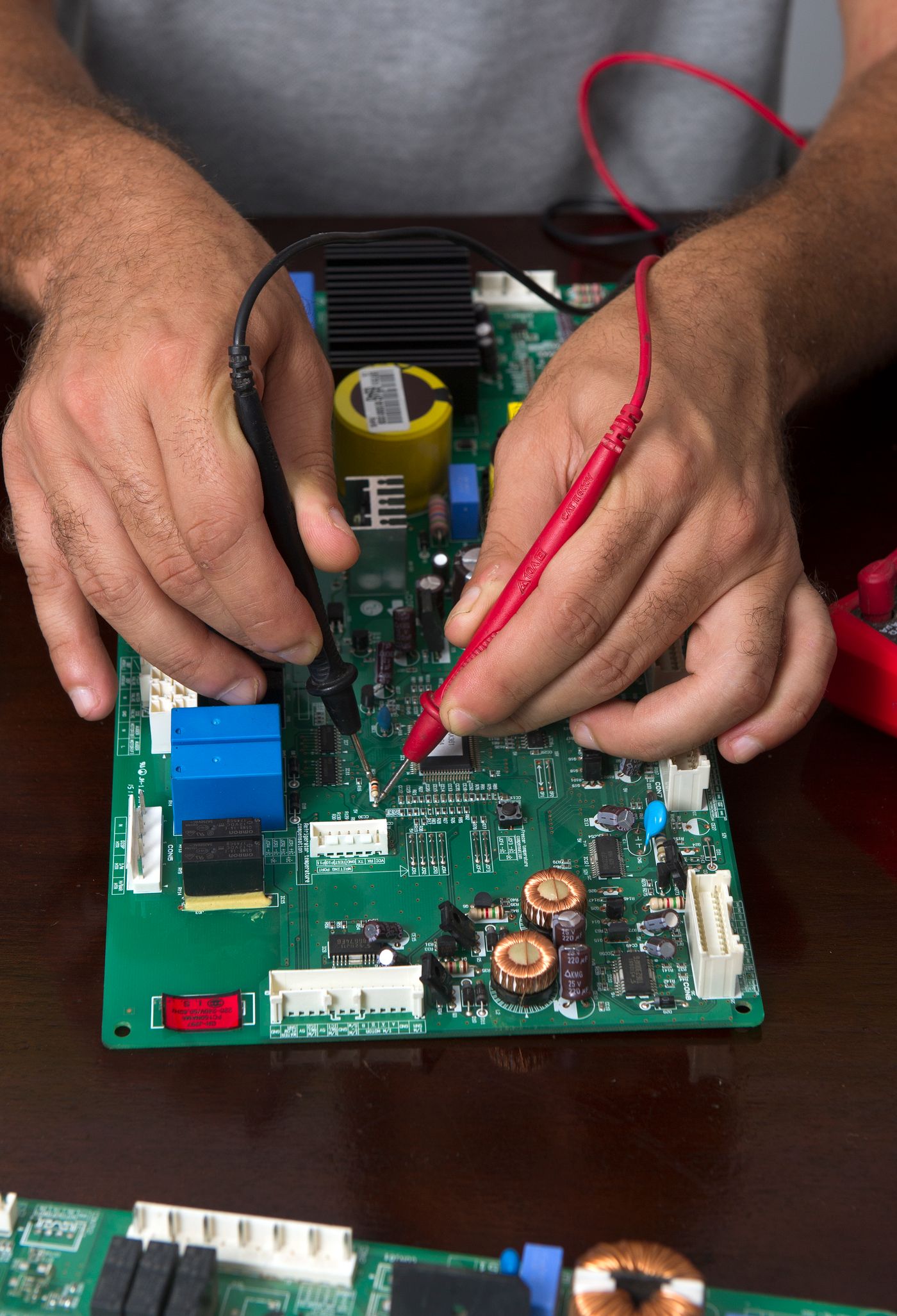
A result applies to the stated sample, setup and acceptance rule. Temporary materials or incomplete sealing can limit what the result proves.
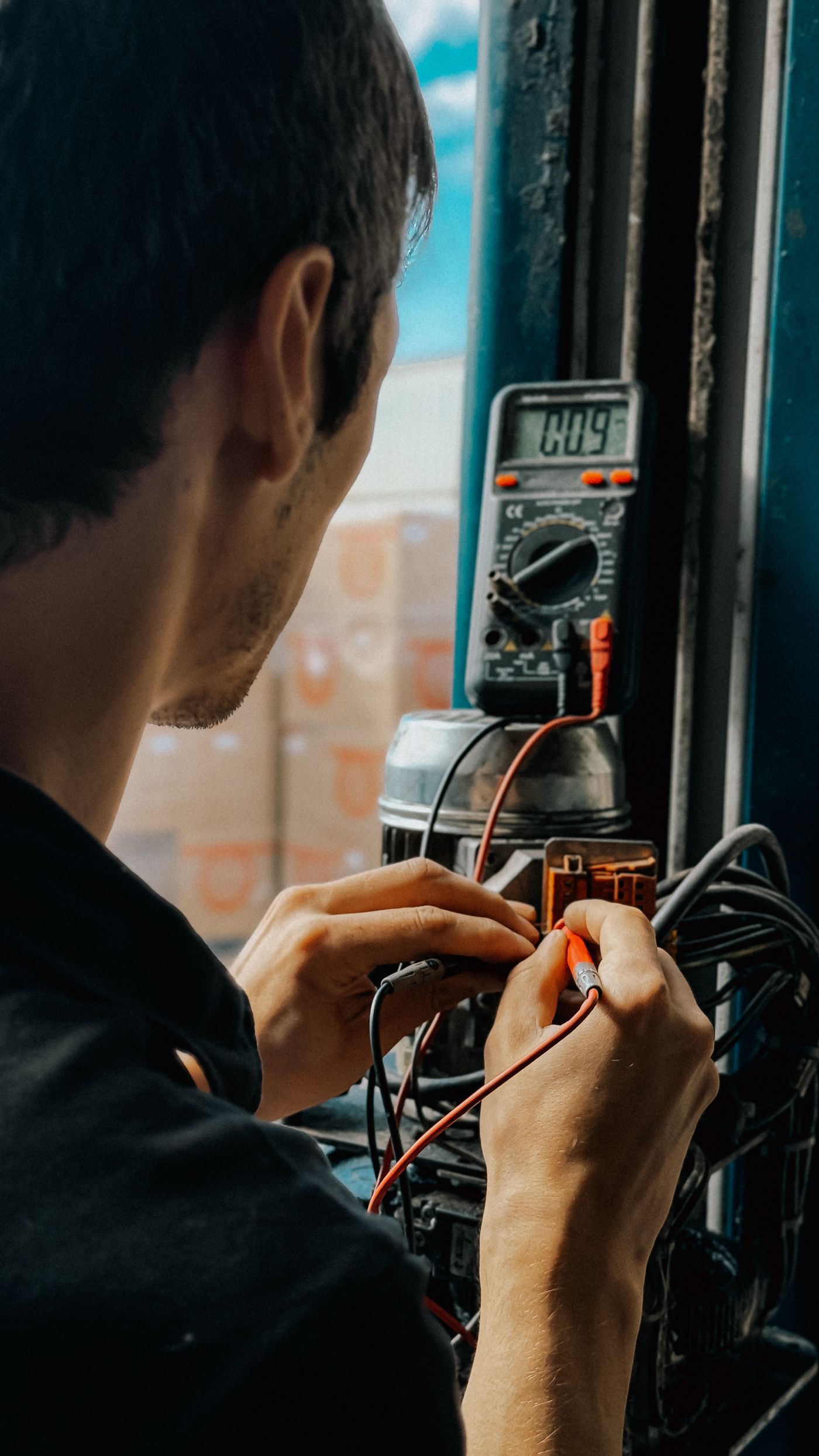
Passing a fit check does not establish bend, vibration or fatigue life. Endurance needs representative routing, fixation and a defined cycle.
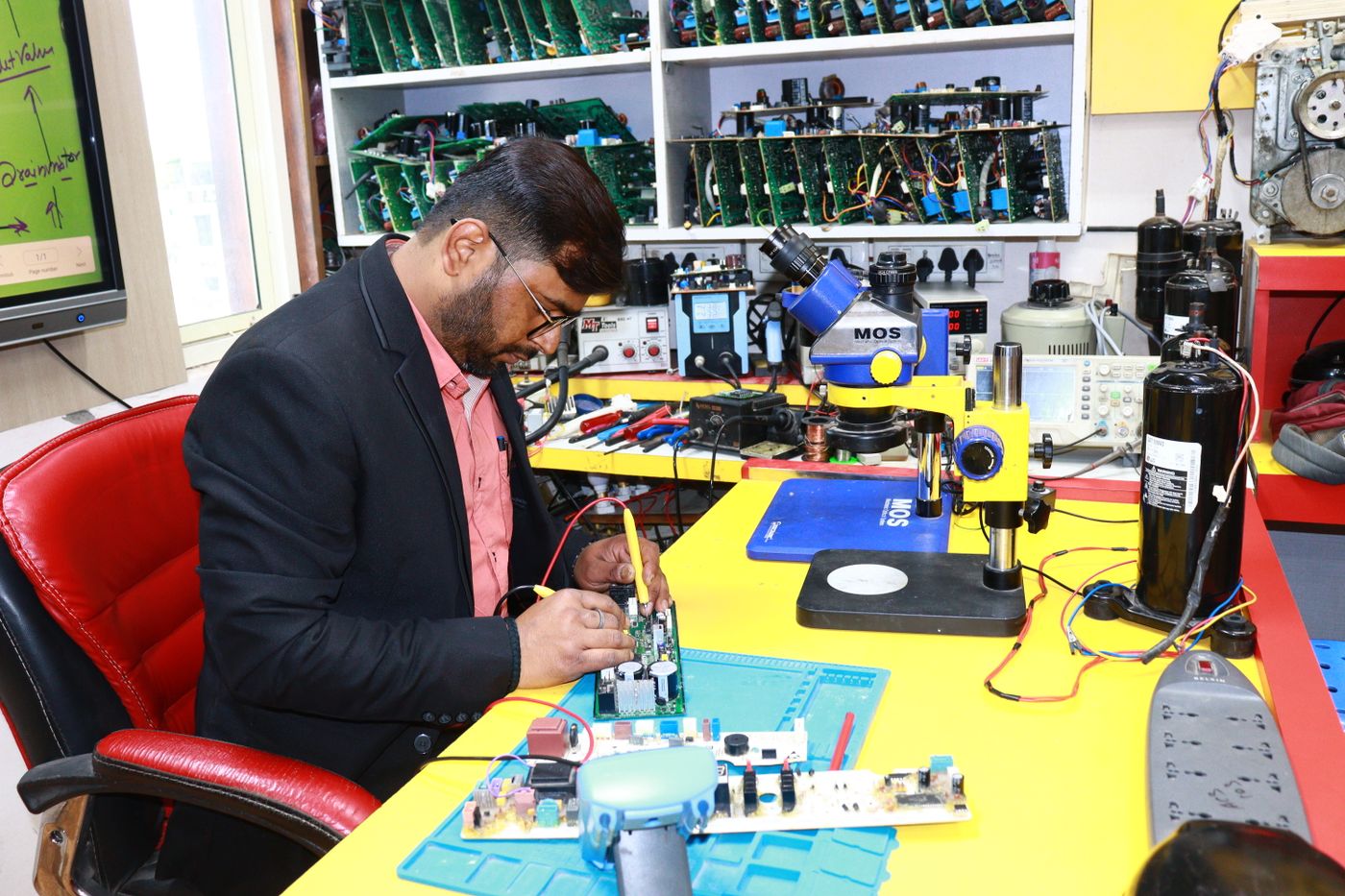
Jackets, seals, braid and labels used in environmental samples must represent the intended configuration or be recorded as limitations.
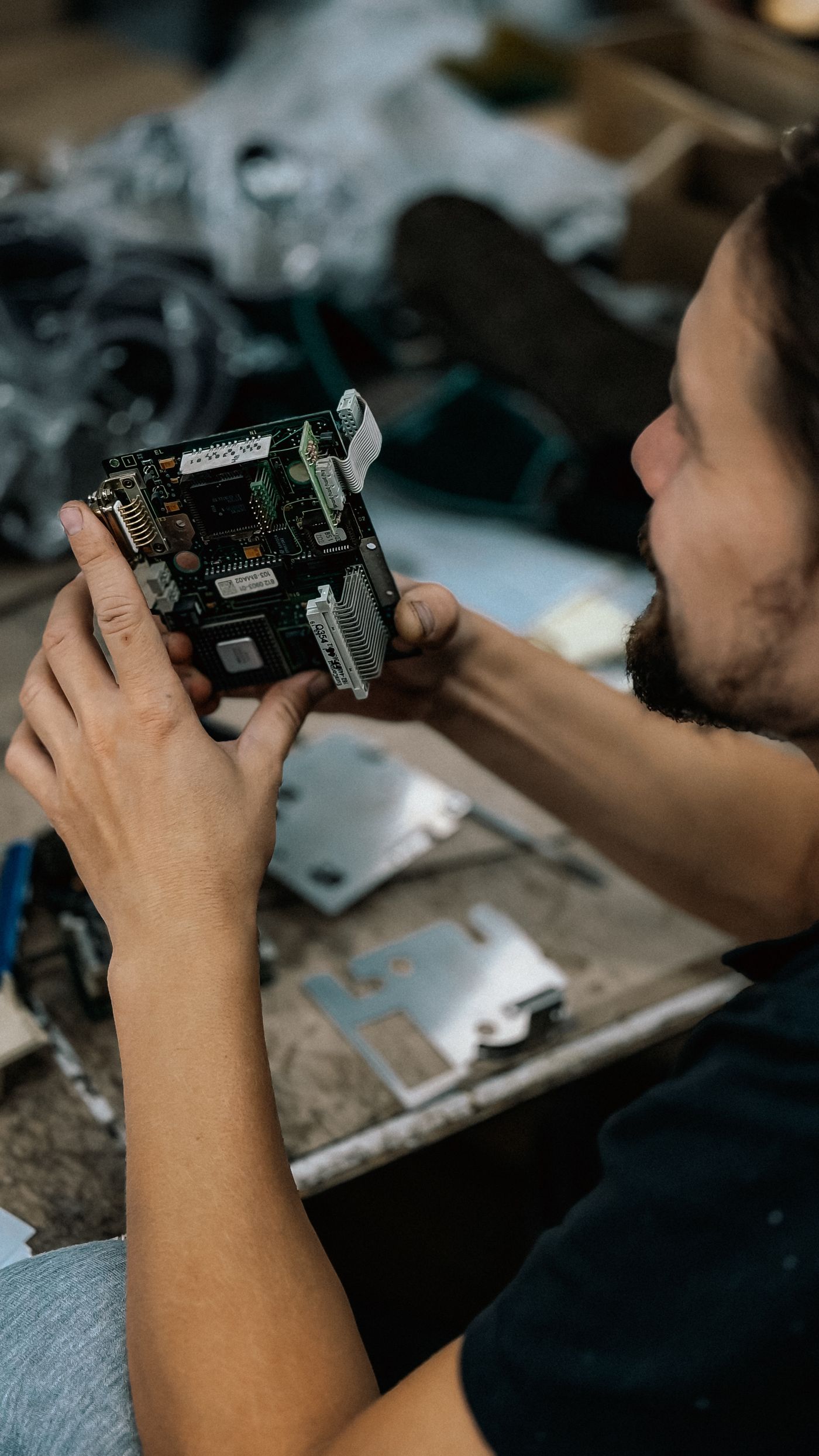
Continuity, polarity, isolation, resistance or other tests follow the approved scope; wiring changes trigger review of affected checks.
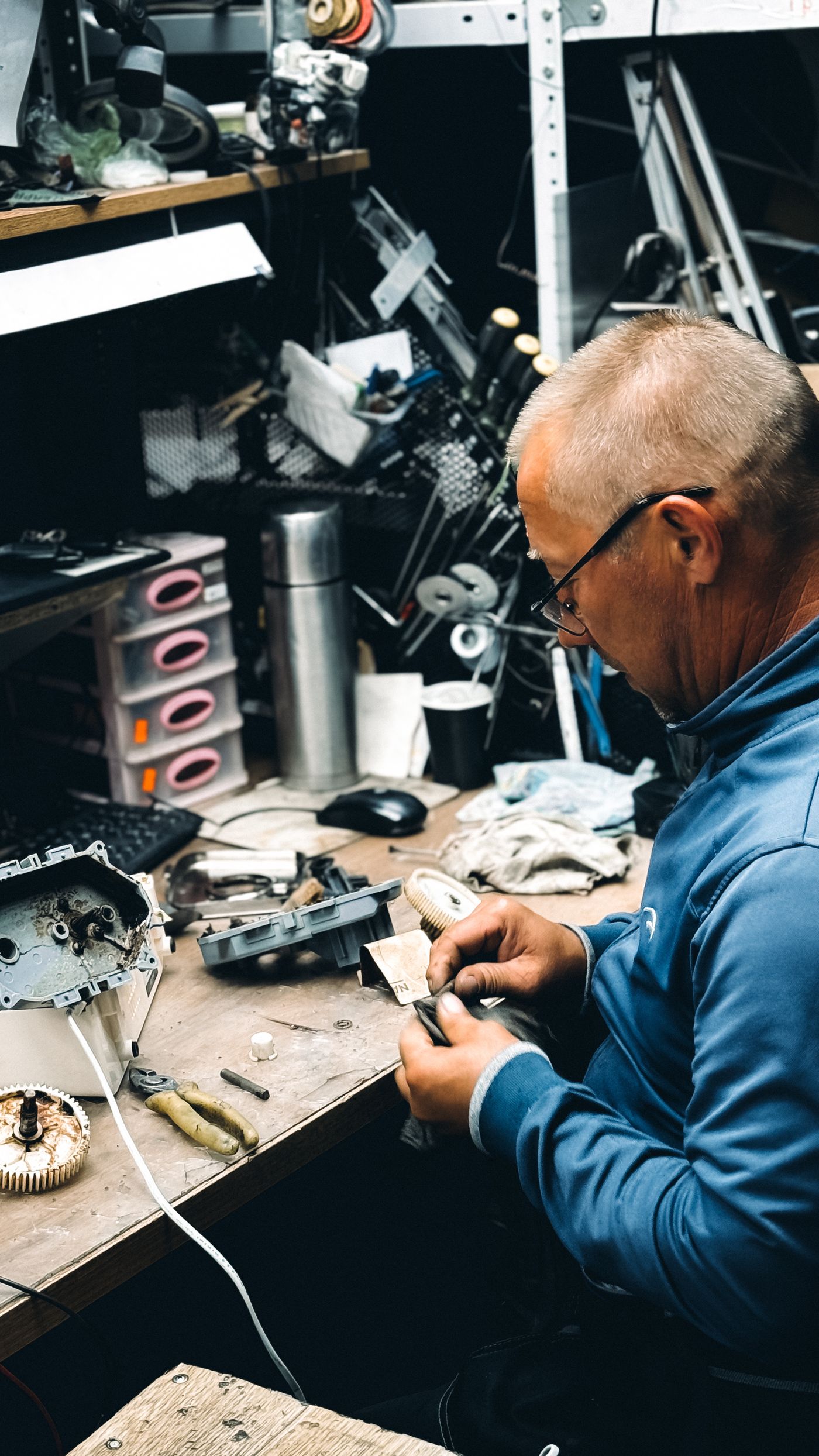
Teams can test early while drawings, assumptions and deviations remain visible and traceable.
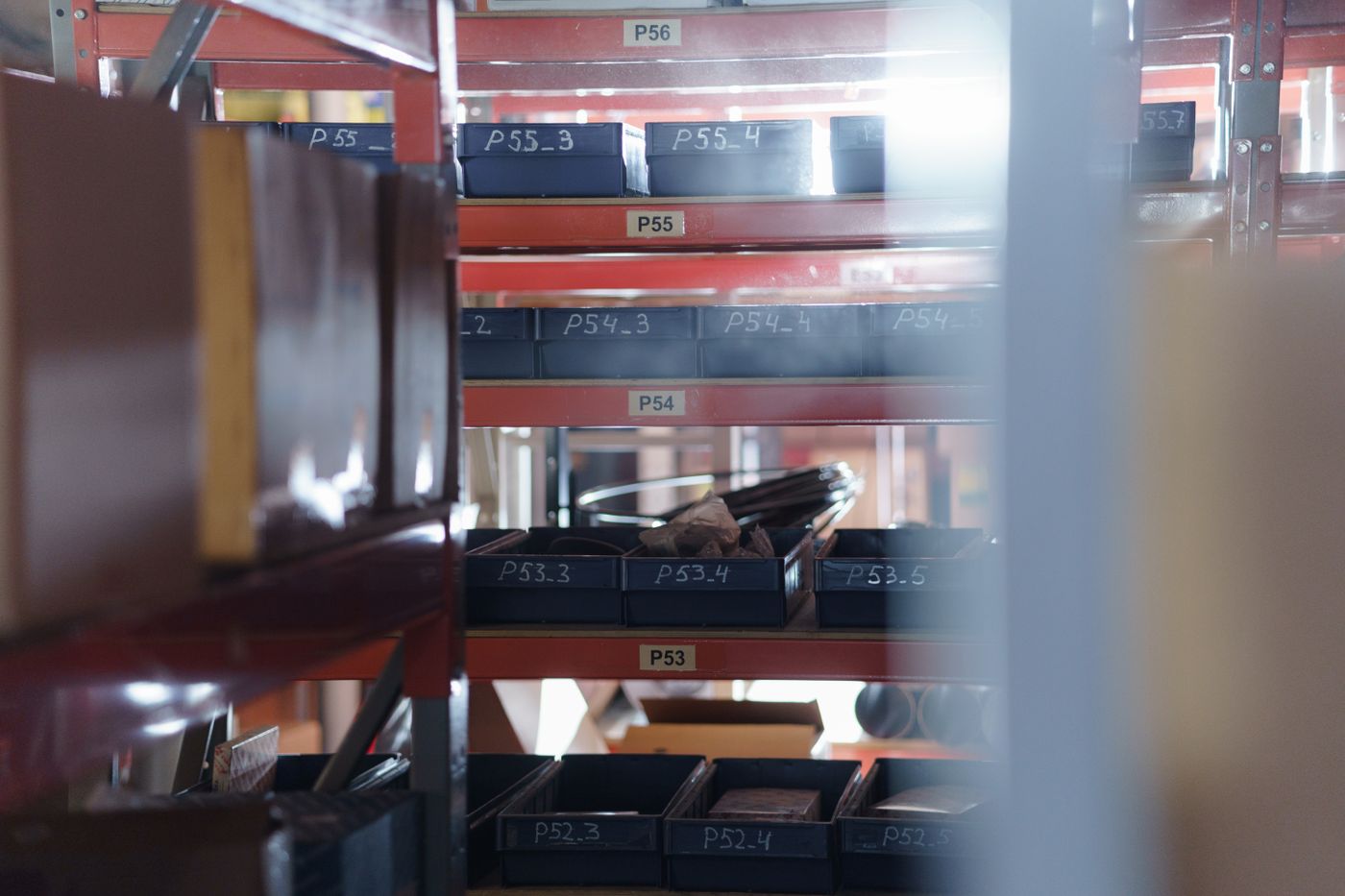
The gap between a hand-built sample and repeatable production is identified through materials, tooling, work instructions and inspection controls.
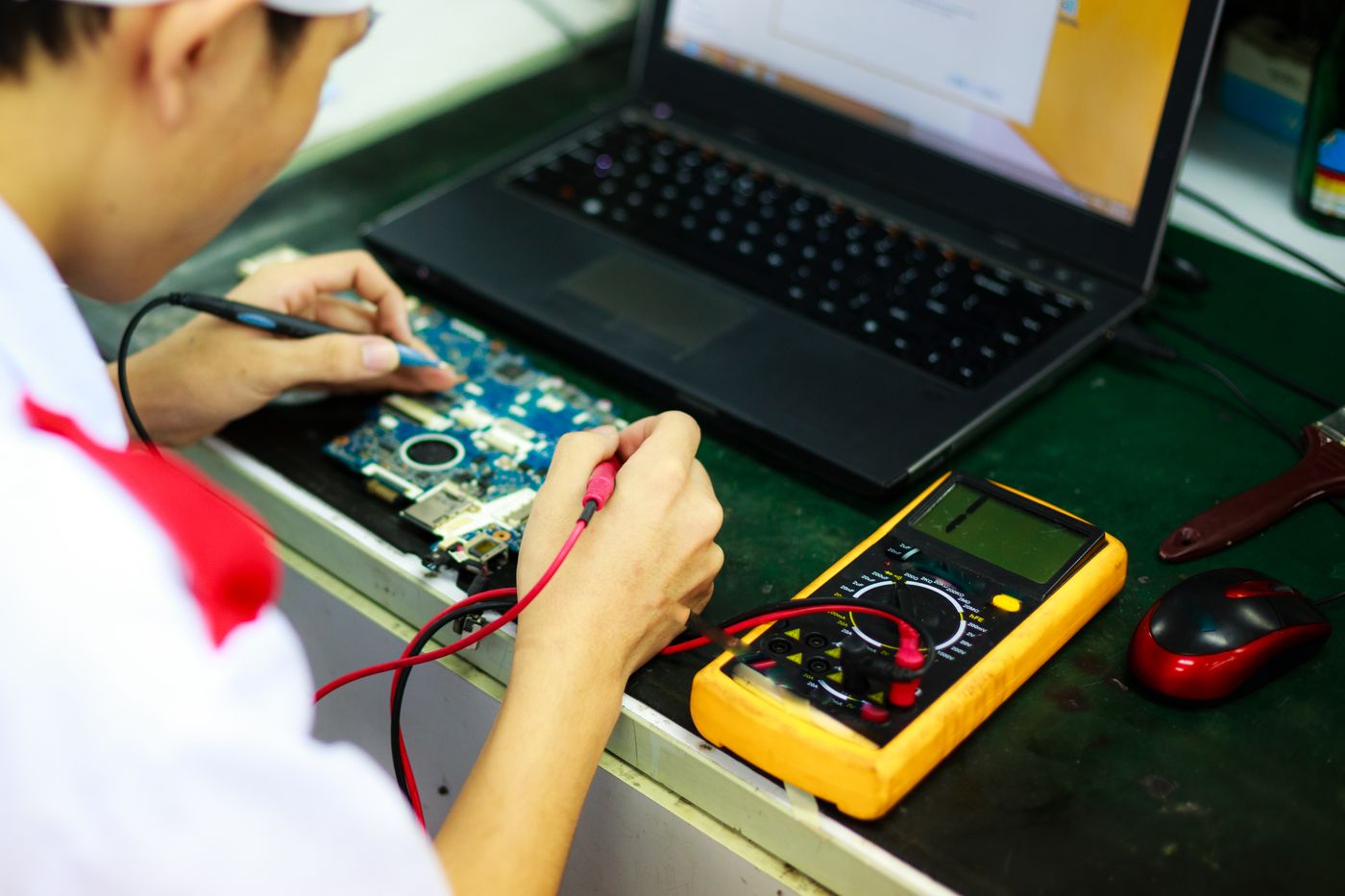
Feedback is tied to a specific revision and test purpose, making the next design decision easier to interpret.
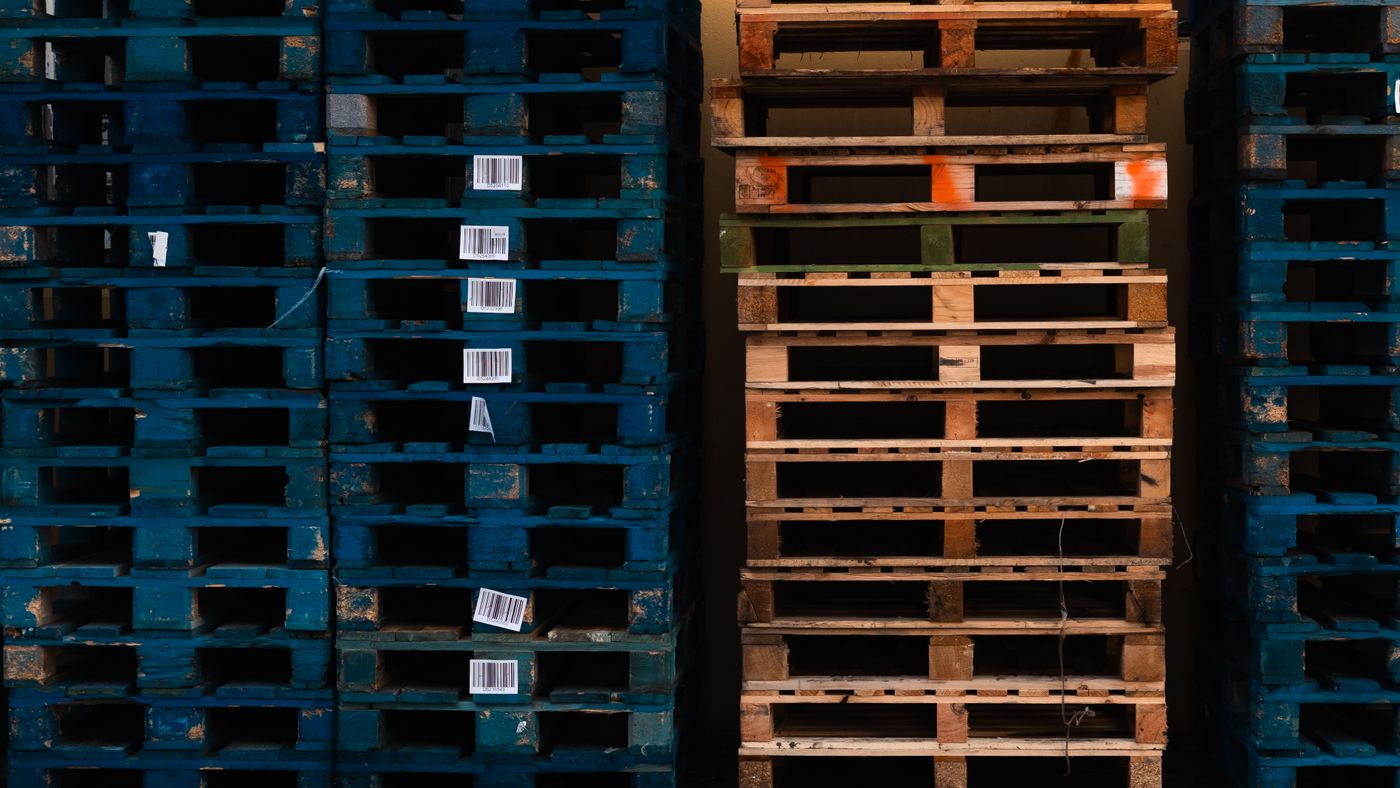
Once approved, even low quantities can follow controlled drawings, materials and inspection points instead of rebuilding from memory.
A drawing is helpful but not mandatory. A sample, pin table, connector references, photos and equipment layout can start review when the intended test purpose and open points are stated.
They may be used when the customer accepts the substitution and its effect on fit, function or testing is recorded. Temporary parts are not silently converted into the production BOM.
No. A functional sample may still use manual methods, provisional dimensions or unqualified materials. Production release requires a controlled design, repeatable process and agreed inspection plan.
Yes, as a development reference. Hidden electrical functions, mating interfaces, ratings, approved materials and intellectual-property responsibility still need customer confirmation.
Changes are linked to a drawing, BOM, pin map or review record revision. The next build uses the released revision and does not combine undocumented instructions.
Yes after the configuration, substitutions, tooling, work instructions and inspections are reviewed and the customer approves the production reference.
PART NUMBER / INTERFACE / MATERIAL
Define the interfaces, material requirements and acceptance plan for your custom project.
State the function, fit, interface or replacement question that the prototype must answer, together with the current drawing revision.
Identify fixed mating interfaces, critical dimensions and electrical needs separately from features still under evaluation.
List must-use parts and any customer-approved temporary materials, hand-built details or sample-only deviations.
Capture the built BOM, pin map, measured dimensions, photographs and agreed functional checks for the delivered sample.
Convert sample feedback into a controlled drawing or BOM revision, with open points and the next validation step identified.
Review production-intent materials, tooling, process differences and the approved release before treating a working prototype as a repeat-production specification.
Send the part number, drawing or sample to confirm the replacement configuration and sourcing plan.
PROJECT REVIEW / CUSTOM MANUFACTURING
Custom wire harness manufacturing from our China factory, with OEM/ODM project support.
A sample, clear connector photos or a description of the equipment and required quantity is enough to start a review.