APPLICATIONS连接的应用Application directions应用方向
These directions cover temperature sensing points, thermal zones and instruments. Define sensor type, temperature exposure and measurement acceptance for the specific equipment project.以下为围绕温度测点、热区与仪表的连接方向。传感器类型、使用温区及测量验收按具体设备项目确认。
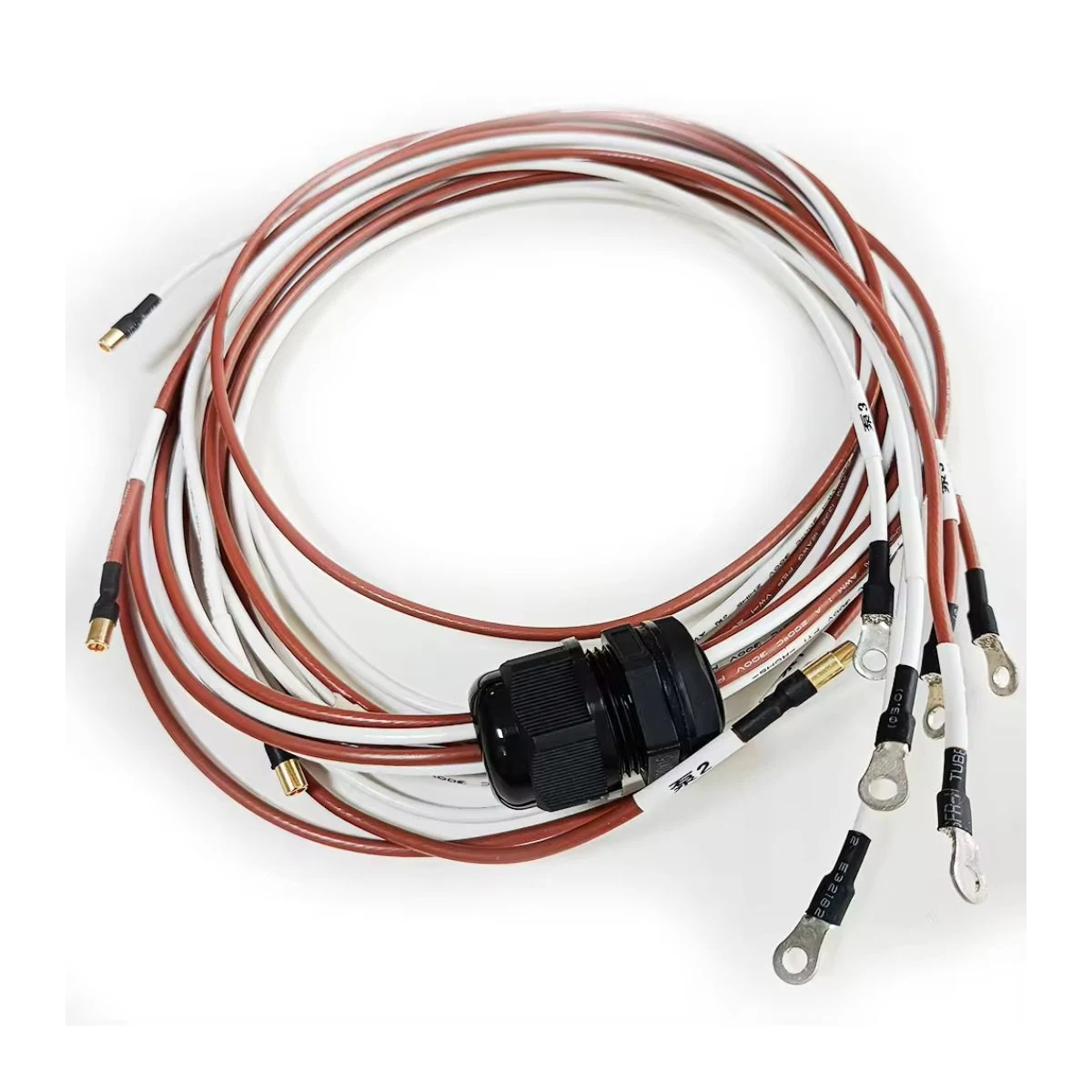
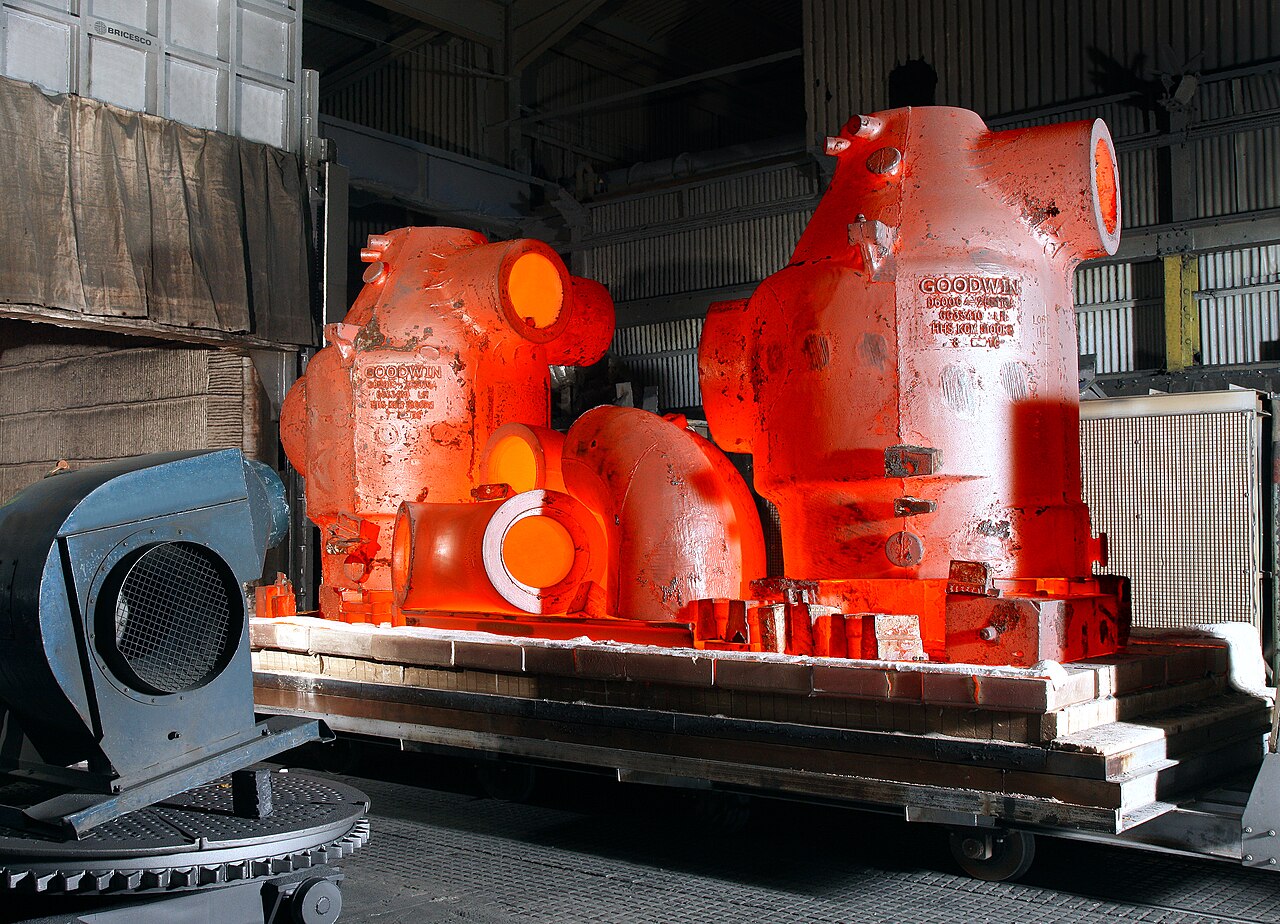
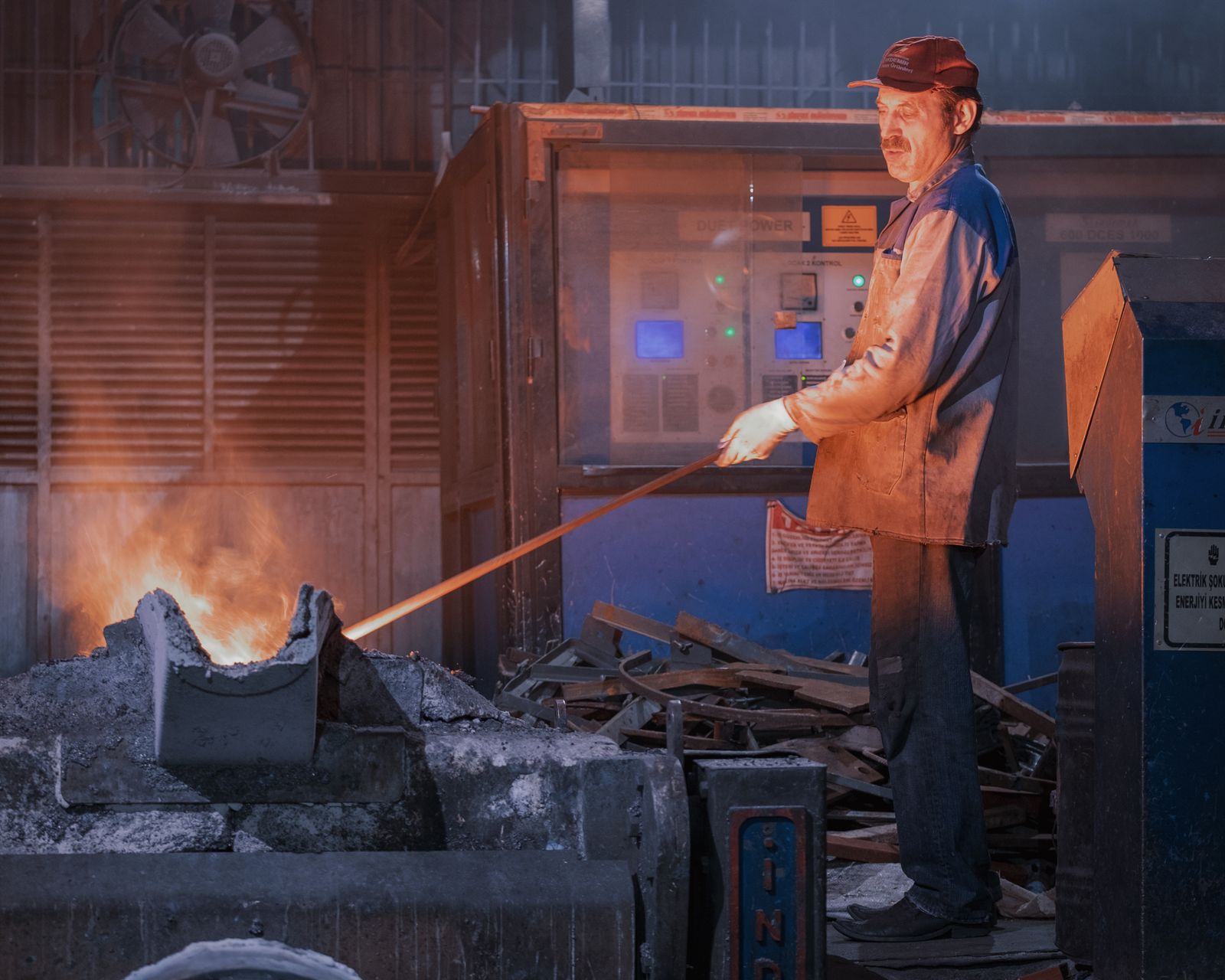
For RTD measurement around thermal equipment, define sensing position, element exposure and lead route. The Pt100 element, mounting contact and instrument wiring scheme all affect the result; select peripheral leads for their own temperature zone rather than the furnace interior.热工设备外围采用温阻测量时,先确定测点位置、元件温区和引线路径。Pt100元件、安装接触与仪表线制共同影响测量结果,外围引线不能按炉内温度直接选型。
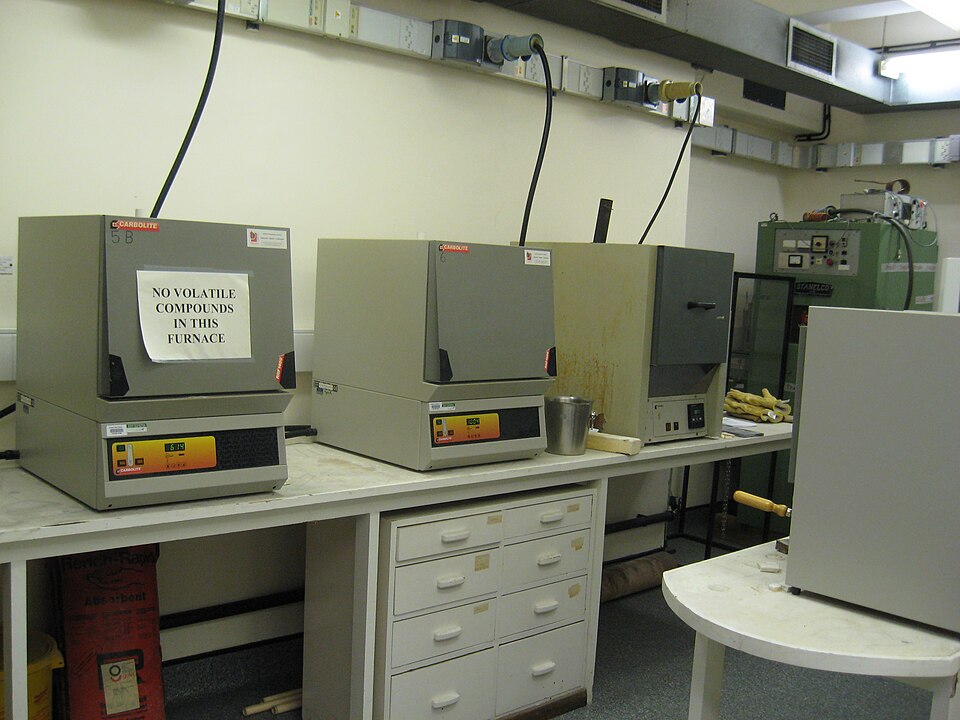
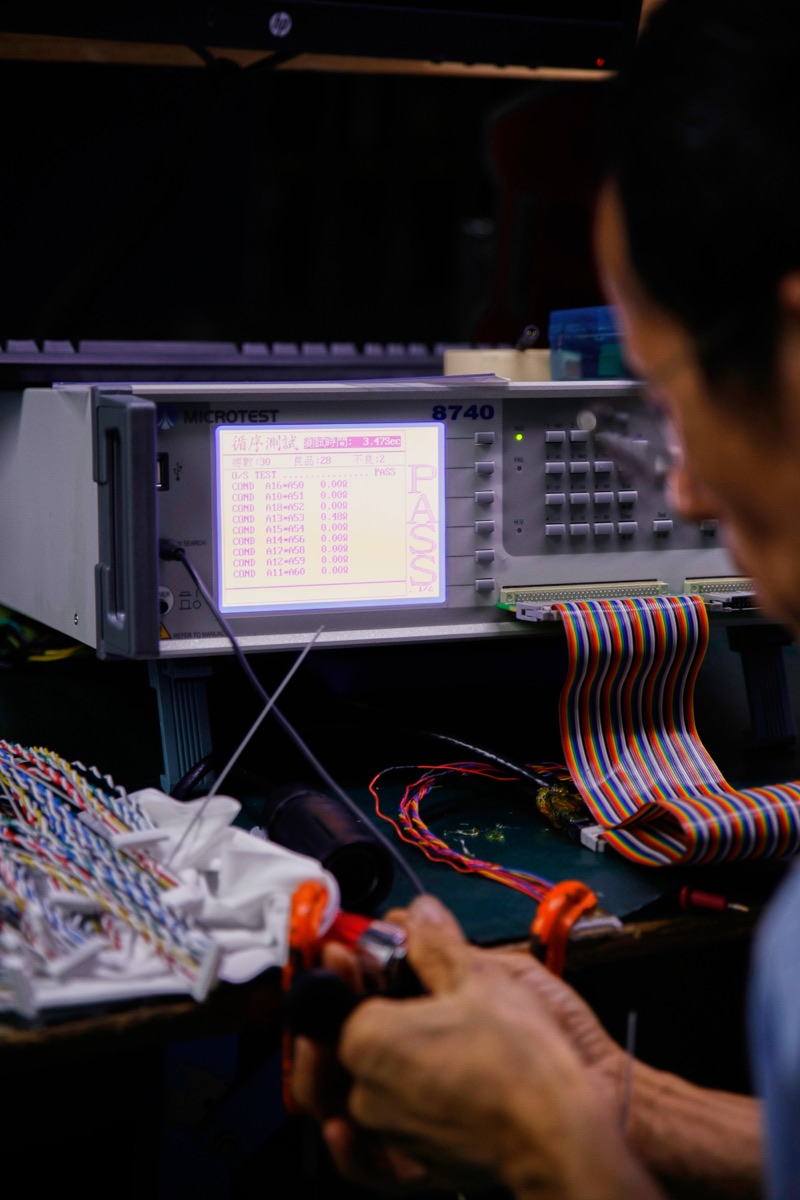
For RTD feedback from controlled chambers, choose two-, three- or four-wire connections to match the acquisition module and distinguish internal from external lead conditions. Changes to lengths, connectors or wiring require a new review of lead resistance and system acceptance.温控腔体的温阻反馈需按采集模块选择二、三或四线连接,并区分腔内与腔外引线条件。更改线长、接头或接线方式后,重新评估引线电阻与系统验收要求。
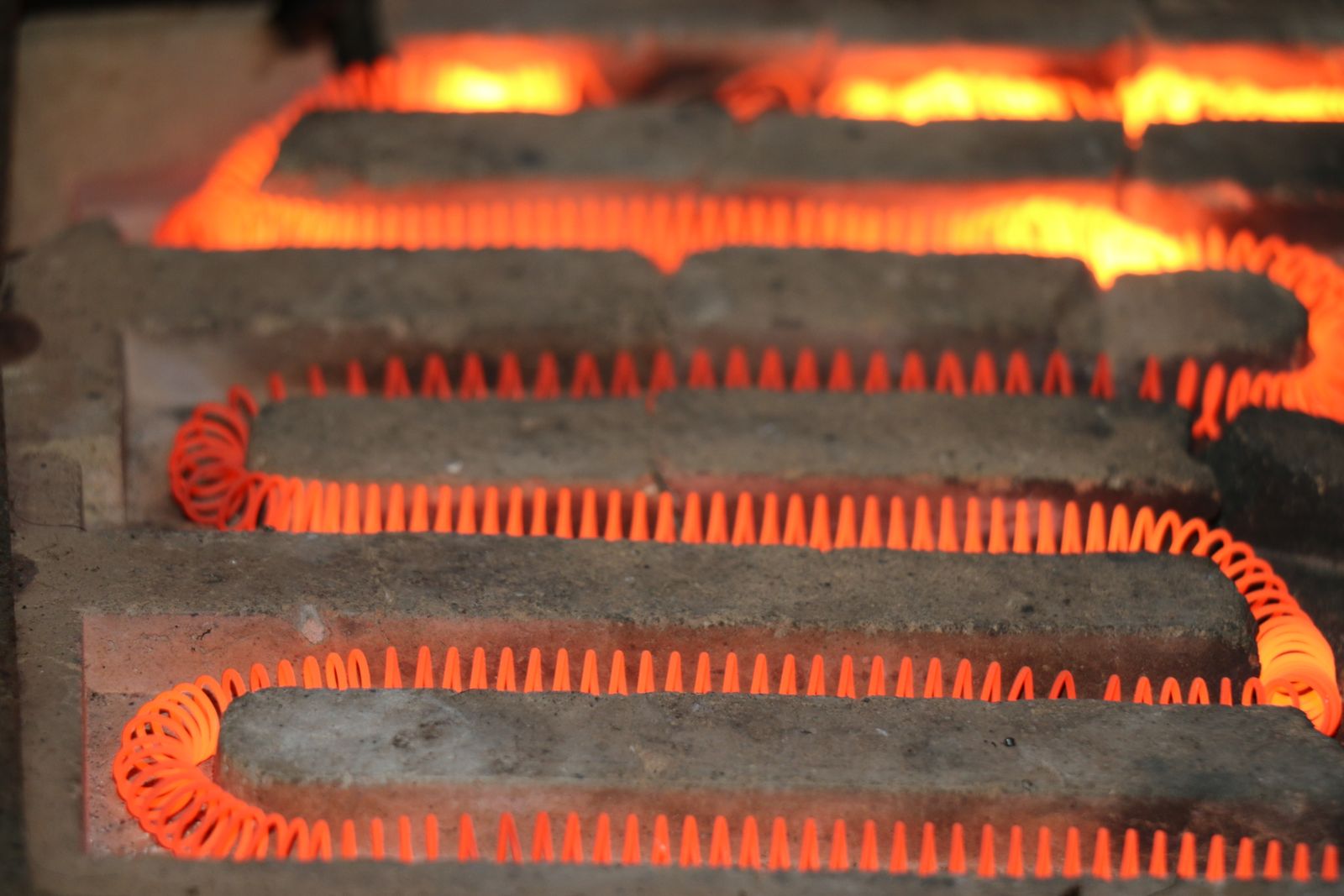
For RTD sensing around heating equipment, define the element position, mounting contact and actual temperature zone before arranging lead transitions and support. Select sensing and lead-section materials separately, and define wiring and thermal protection for the RTD channel and instrument.加热设备的温阻测点需先明确元件位置、安装接触与实际温区,再安排引线过渡和应力支撑。感温段与引线段分别选材,接线与热区保护按温阻通道和仪表要求确认。
For commercial heating equipment, distinguish the sensing section, chamber exit and controller entry. In projects using RTD inputs, organize leads and channels for the instrument wiring scheme, and review the full measurement chain after changes to connectors, terminations or length.商用加热设备的测温连接需区分感温段、腔体穿出位置和控制端接入。采用温阻输入的项目,按仪表规定线制整理引线与通道;连接器、端接和线长更改后重新确认整条测量链路。
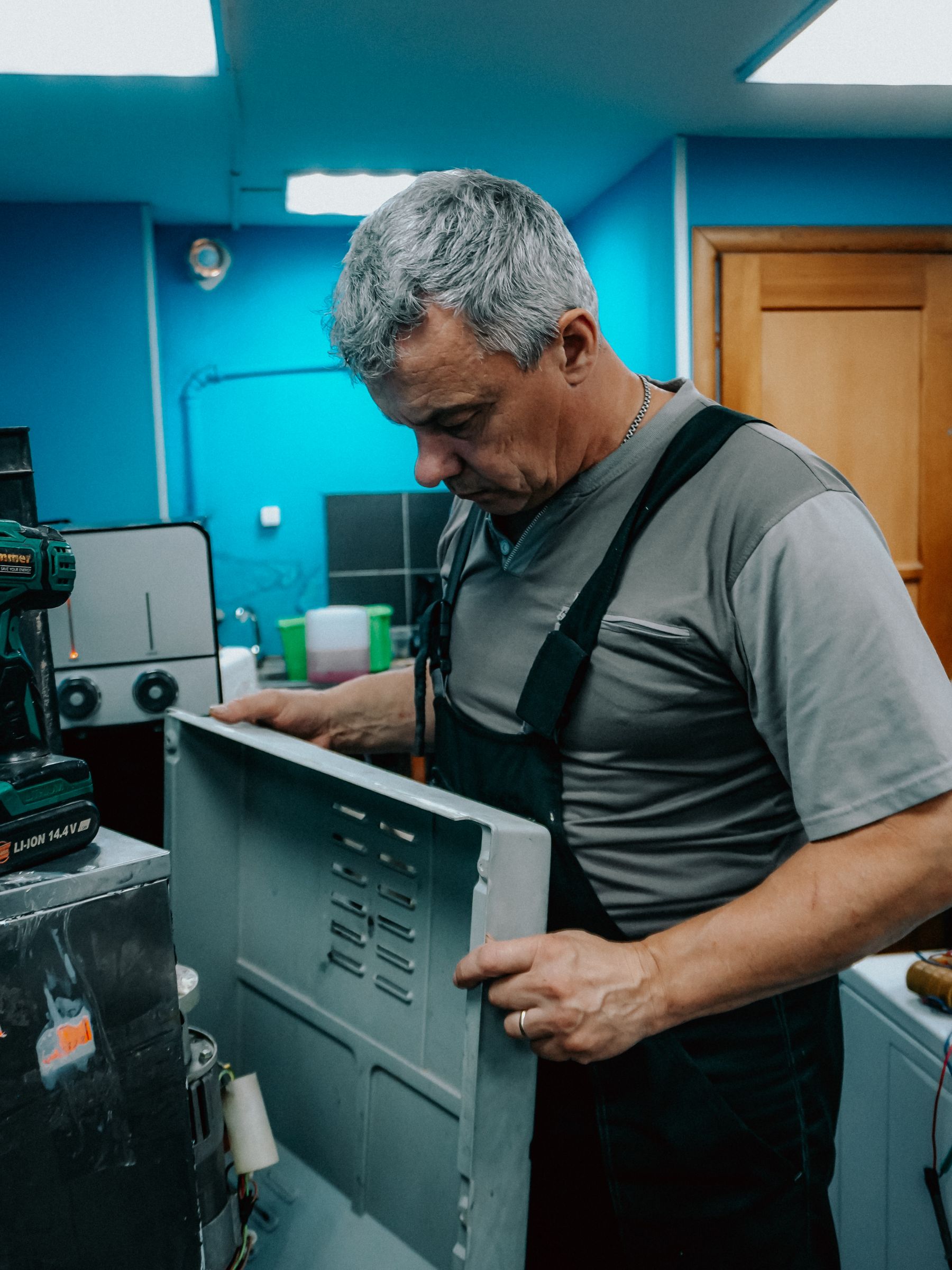
For appliance projects using RTDs, route sensing leads and service interfaces around heating or cooling modules. Define whether the sensing element is included with the lead assembly, then confirm thermal-zone protection, the connection map and service lengths.采用温阻传感器的家电项目,可围绕加热或冷却模块安排测温引线及检修接口。先区分感温元件与连接线的供货范围,再确认热区保护、连接表和维护长度。
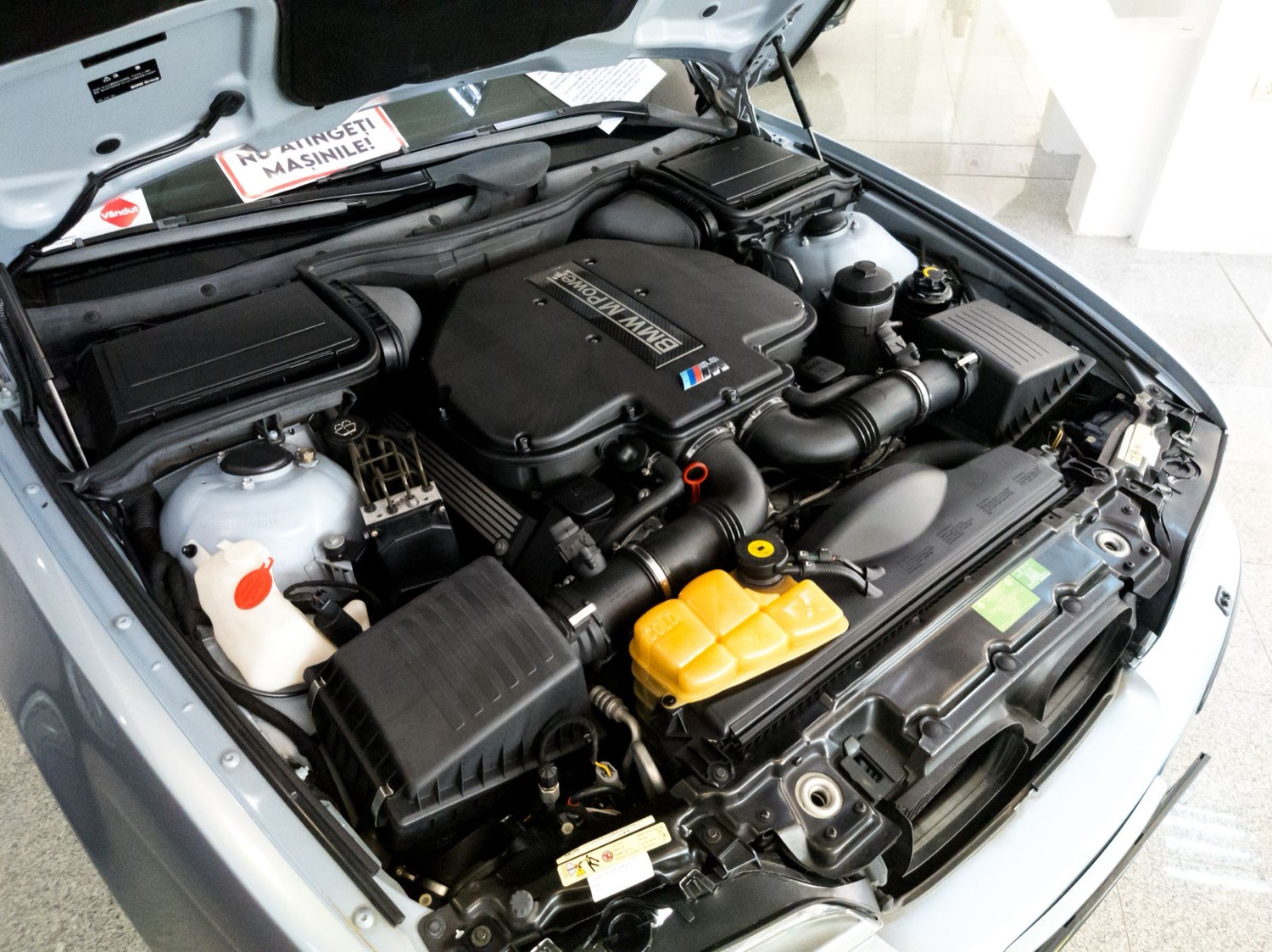
For projects using RTDs around an engine, define sensing points and element temperature zones before routing leads around heat sources, fluids and vibration. Confirm wiring scheme, interfaces and mounting from project drawings; harness form alone does not establish fitment to an engine or vehicle.发动机外围如采用温阻监测,应先定义具体测点和元件温区,结合热源、流体与振动安排引线。线制、接口和安装位置按项目图纸确认,线束结构本身不代表已适配某个发动机或车型。