


Drawing-controlled finished harnesses
Complete looms are produced to approved drawings, BOMs, work instructions and inspection plans, with every connector, branch, label and protective feature included in the released configuration.
A turnkey harness project covers a more complete supply scope: material sourcing, connector and accessory preparation, assembly, labeling, inspection and packed delivery to an agreed drawing and BOM.
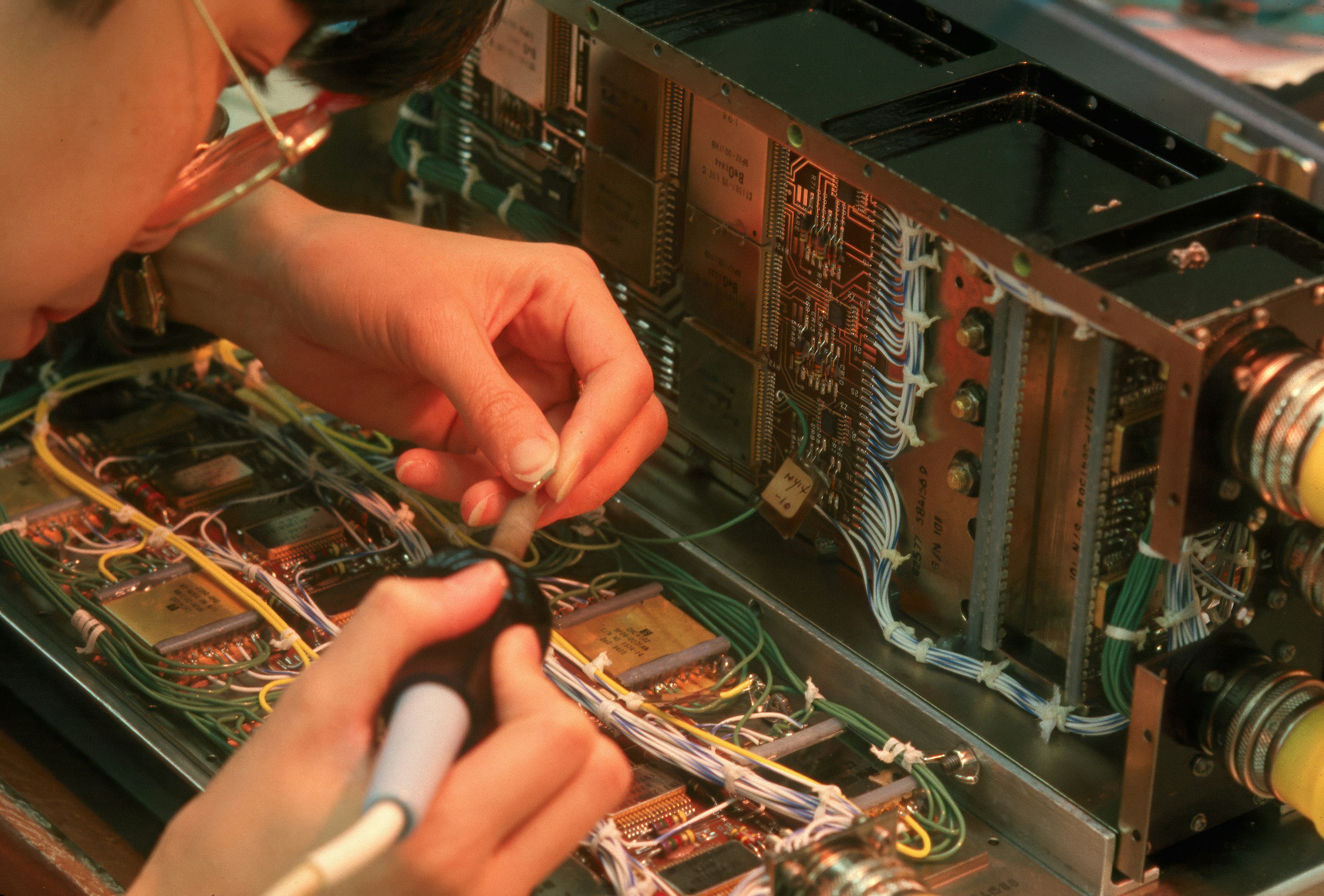
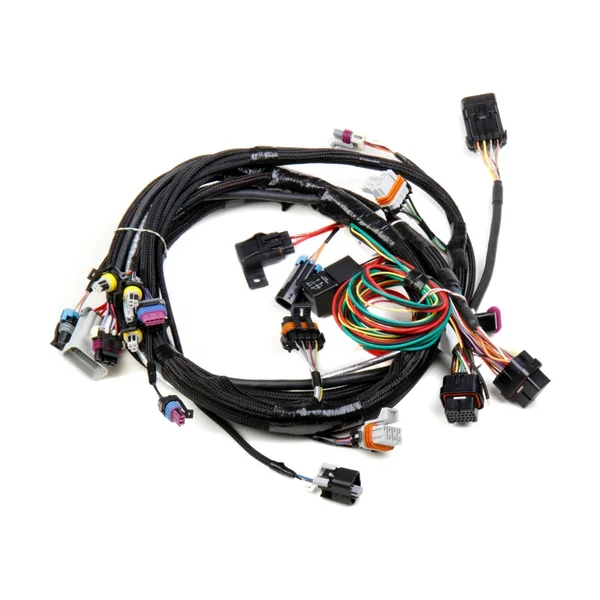
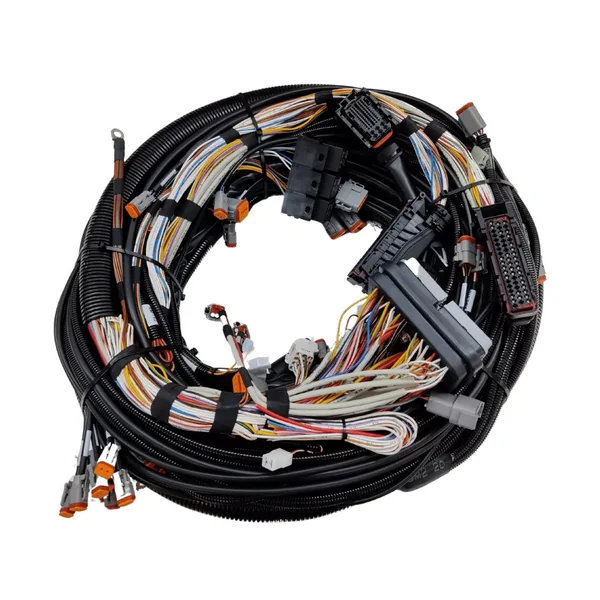
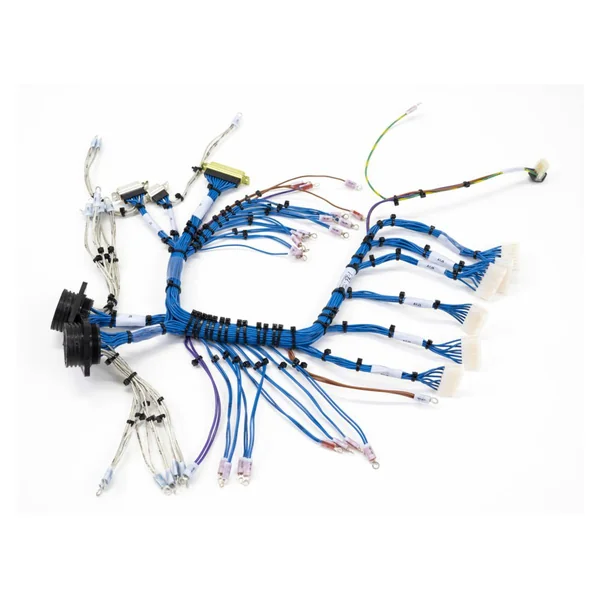
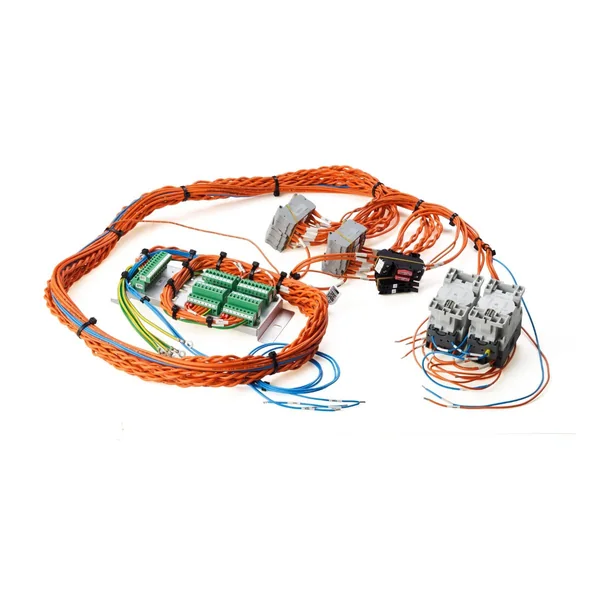
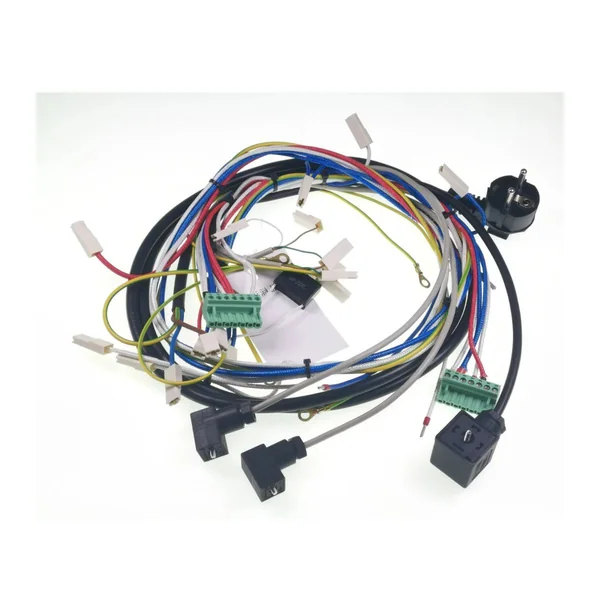
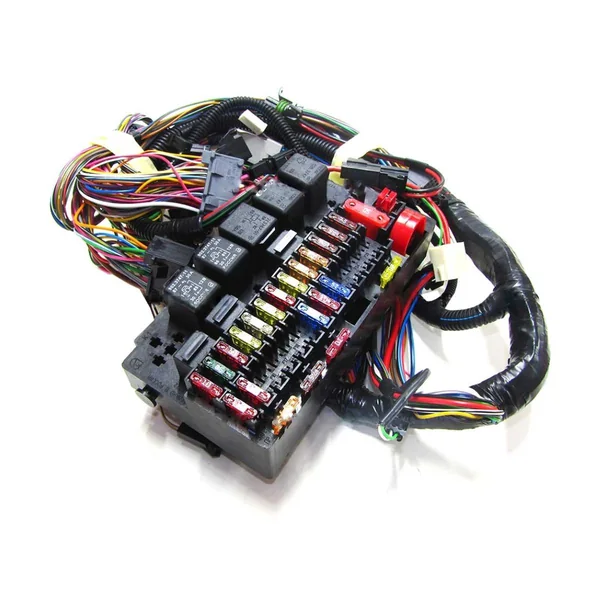
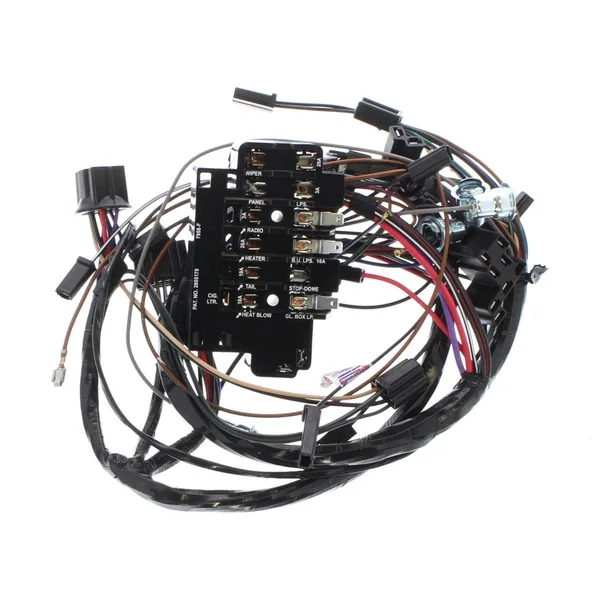
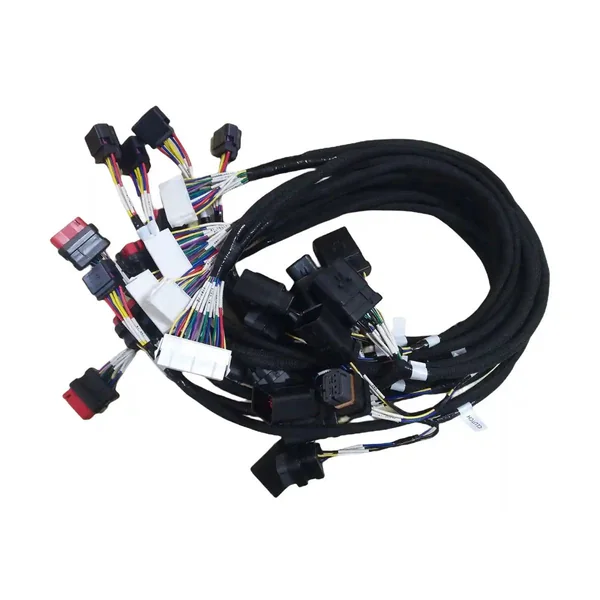
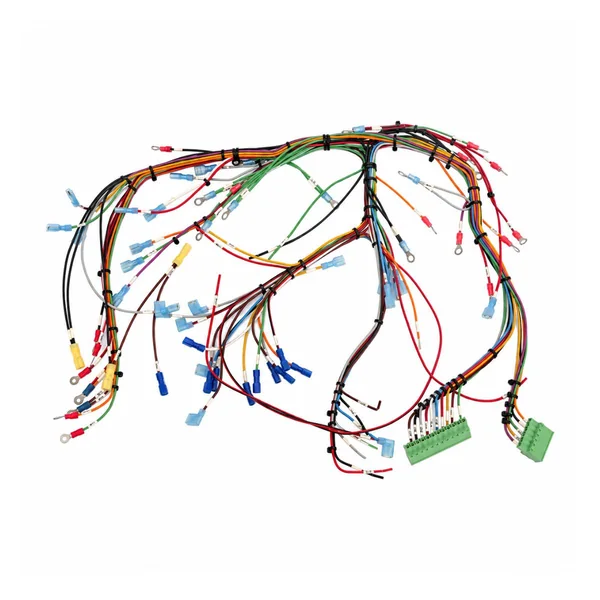
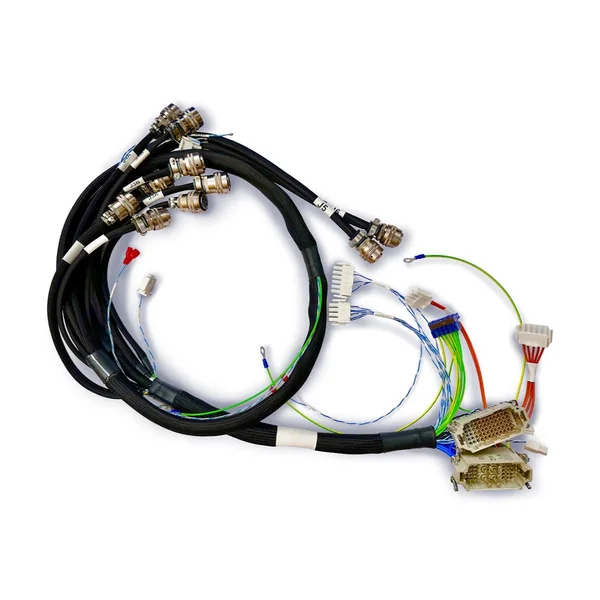
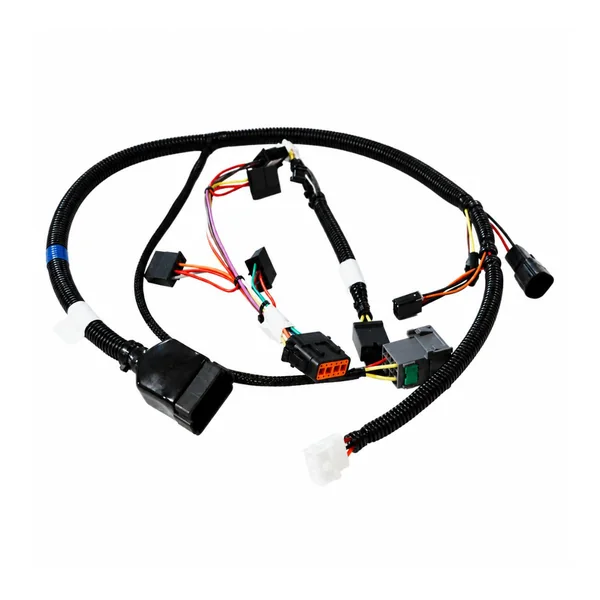
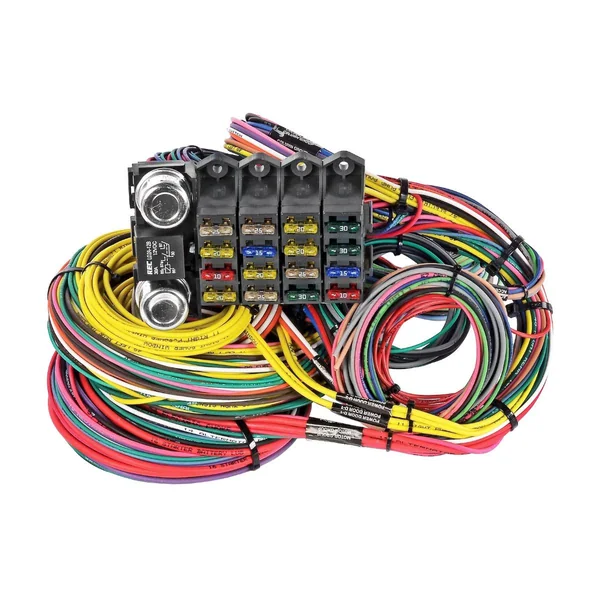
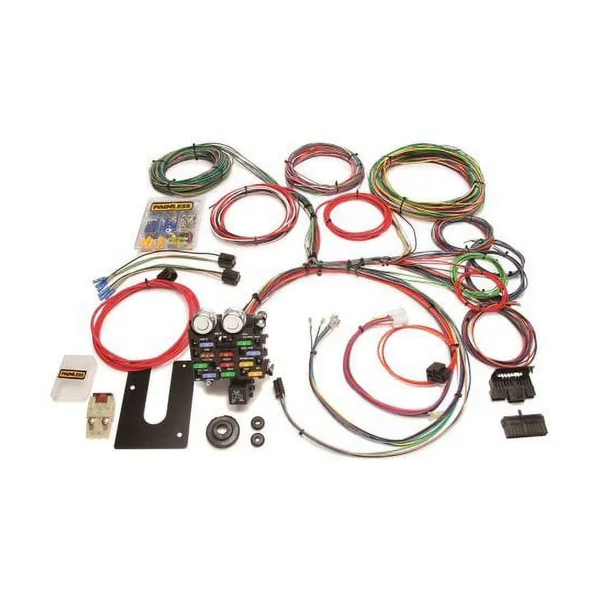
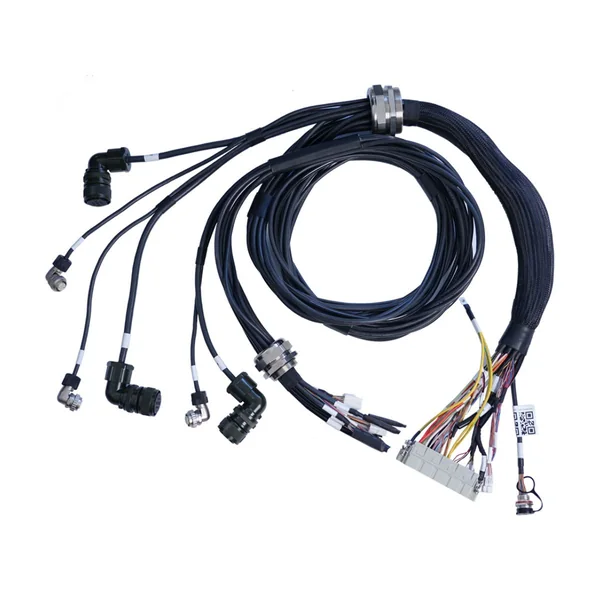
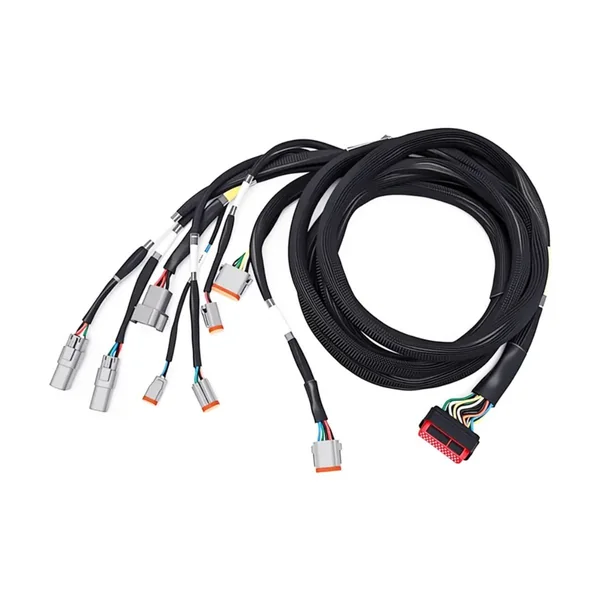
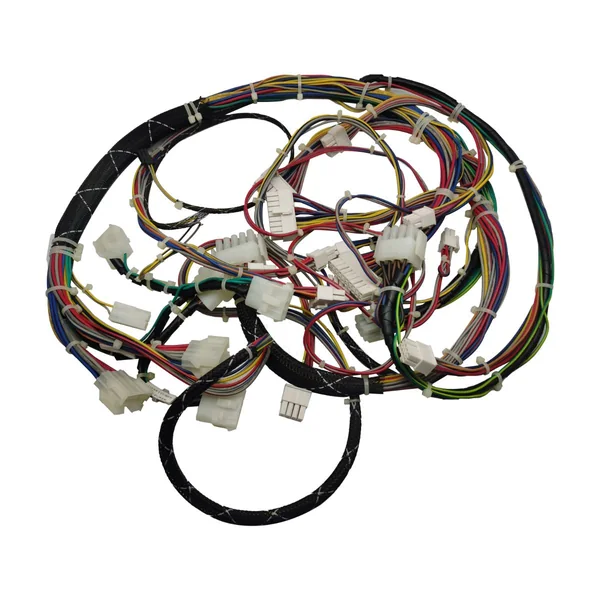
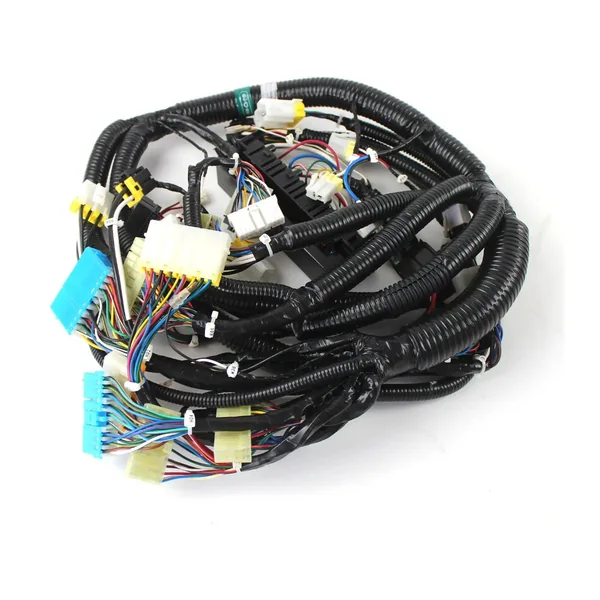
One controlled supply scope from drawing to packed assembly
A turnkey harness is defined by responsibility, not by appearance. The supply scope may include engineering review, source-controlled wires and connectors, customer-supplied parts, terminals, seals, fuses, relays, clips, labels, protective coverings, fixtures, electrical tests, records and unit packaging. The purpose is to deliver an approved assembly that can be installed or issued to production without the customer coordinating many separate component and process suppliers.

Complete looms are produced to approved drawings, BOMs, work instructions and inspection plans, with every connector, branch, label and protective feature included in the released configuration.
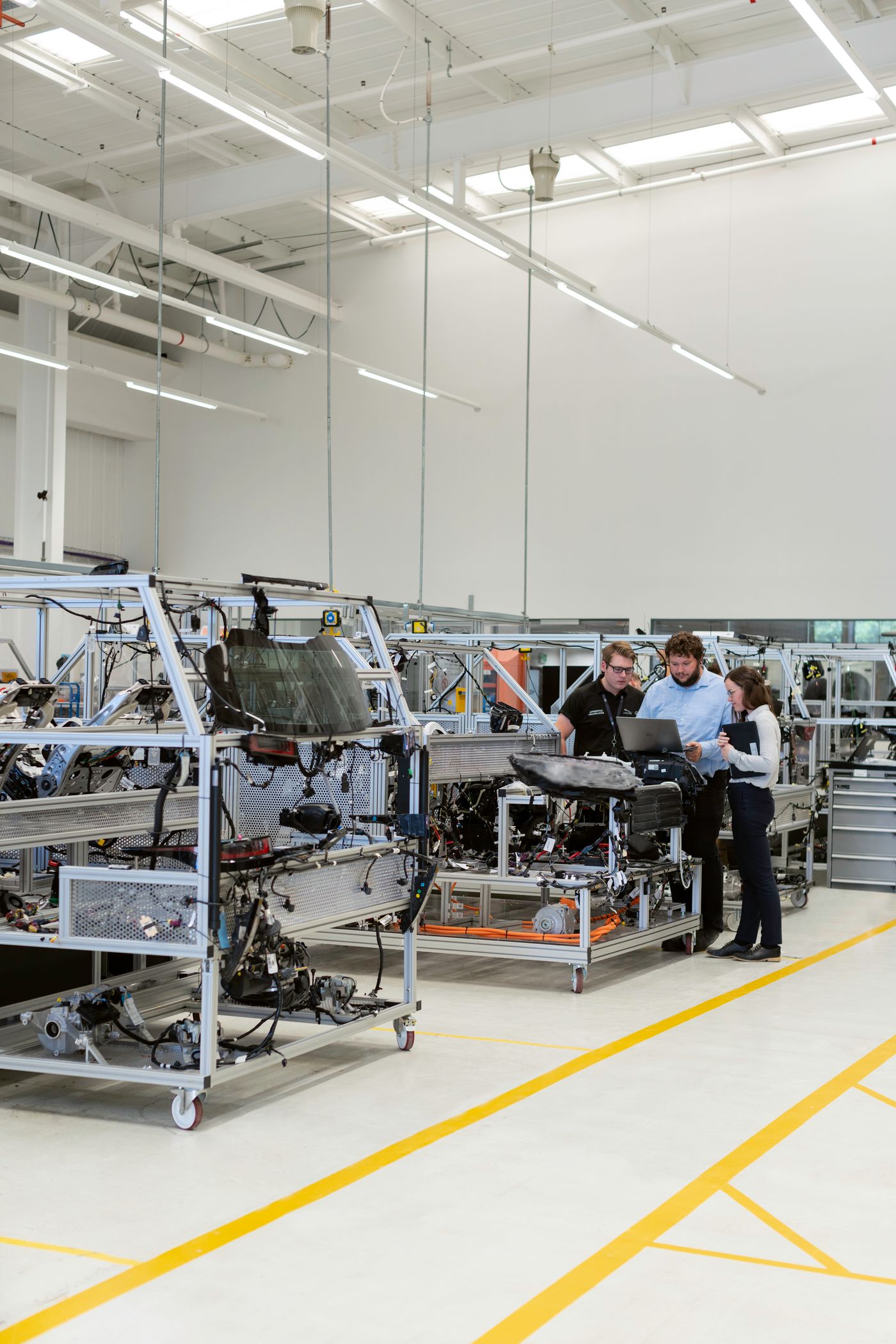
Multiple related harnesses, jumpers, grounding leads and accessories are grouped by machine, cabinet, station or assembly step to simplify line-side issue and installation.
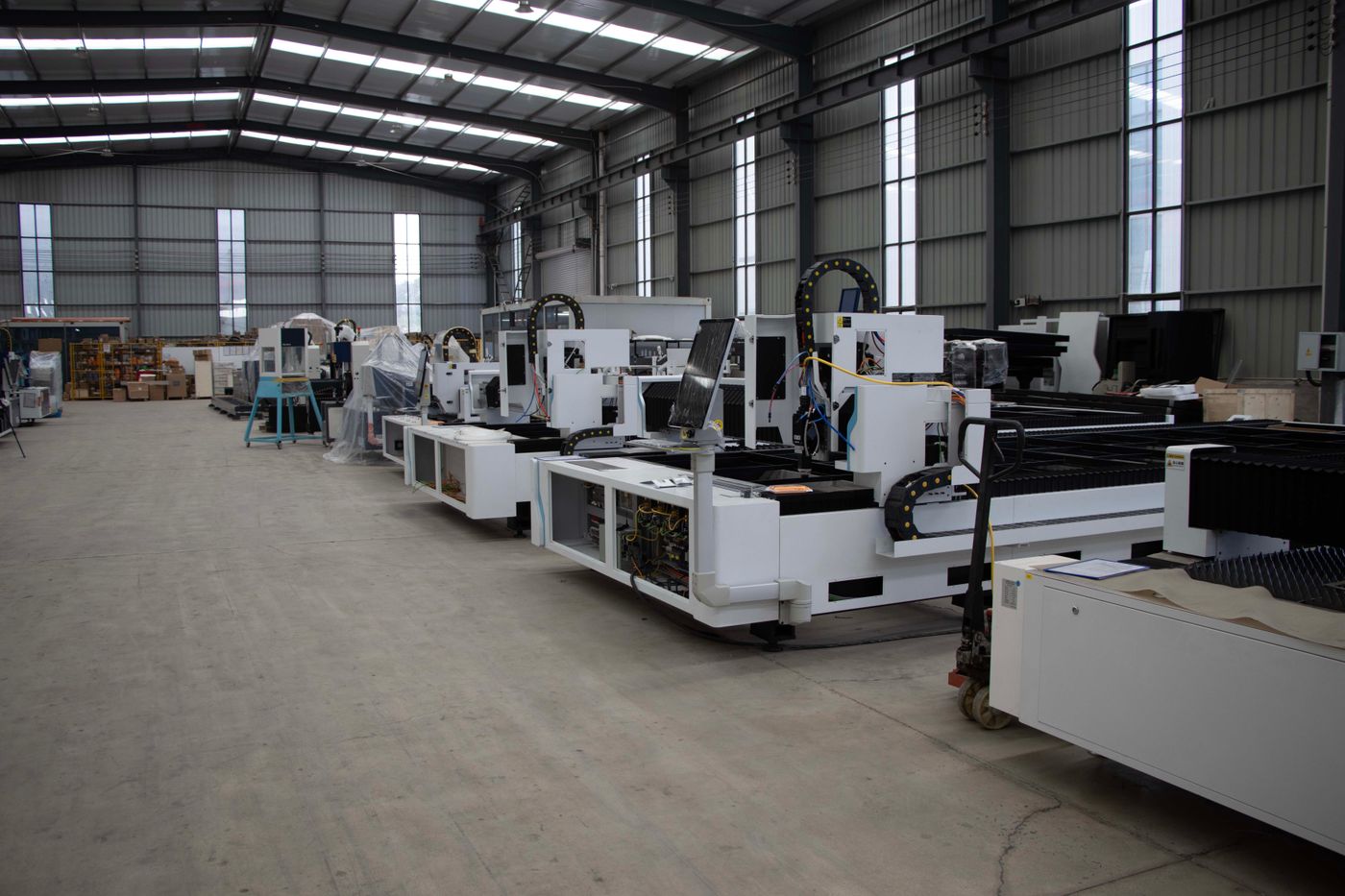
The delivered assembly includes mating-specific contacts, seals, locks, cavity plugs, conduit, braid, grommets and strain relief rather than leaving critical finishing work to the customer.
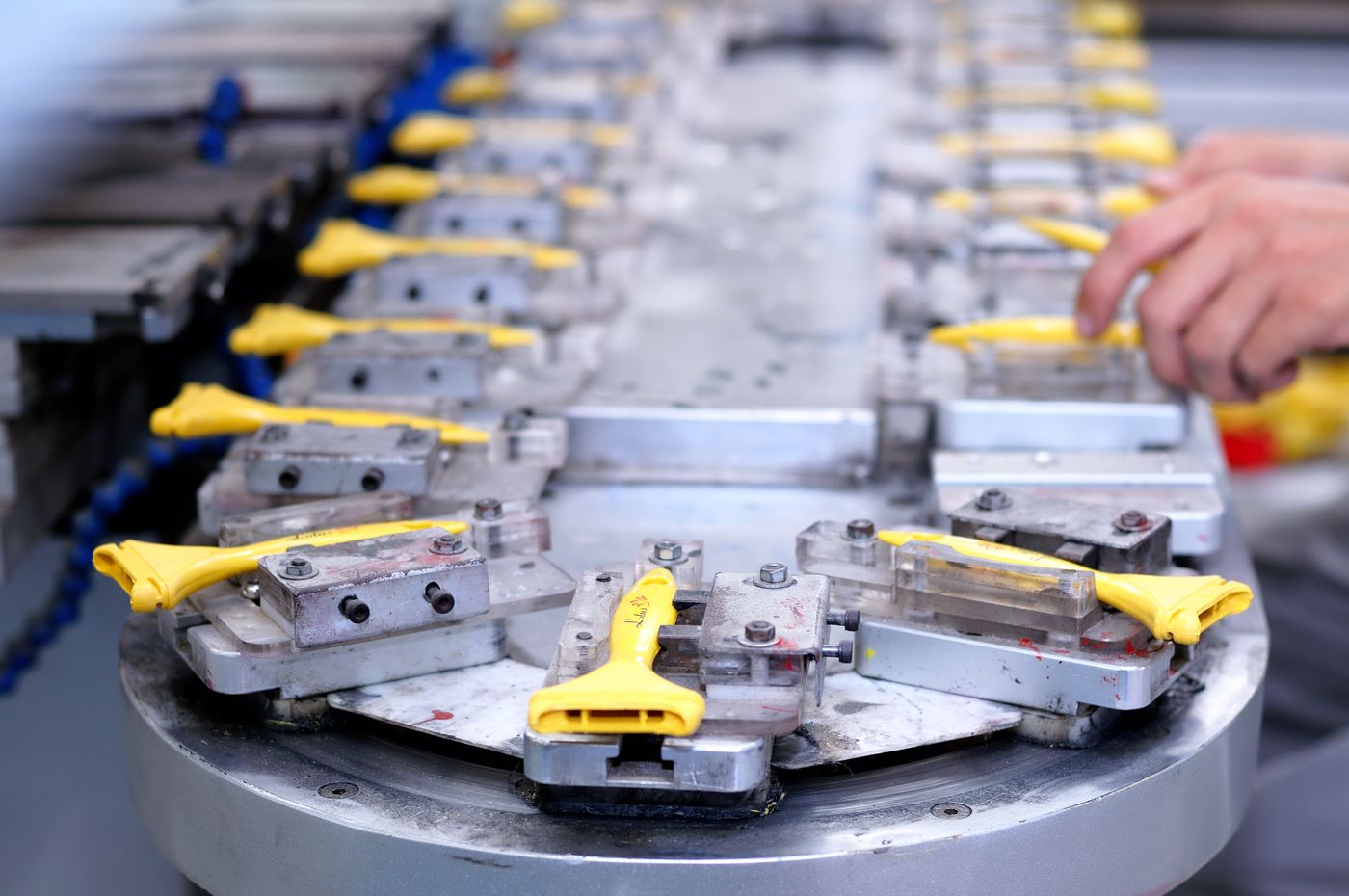
Fuse holders, relays, sockets, bus links and labeled branches can be assembled and electrically checked as one controlled module when the project defines the ratings and acceptance plan.
Customer-supplied devices can be combined with sourced wires, connectors and accessories under documented receiving, ownership, shortage and replacement rules.
Harnesses are labeled, protected, coiled or formed, counted and packed to the agreed unit so production receives the correct assembly in the required sequence.
Manufacturer, construction, gauge, insulation, colour, temperature range and required documents are fixed in the BOM or approved source list. Equivalent wording alone does not authorize a substitution.
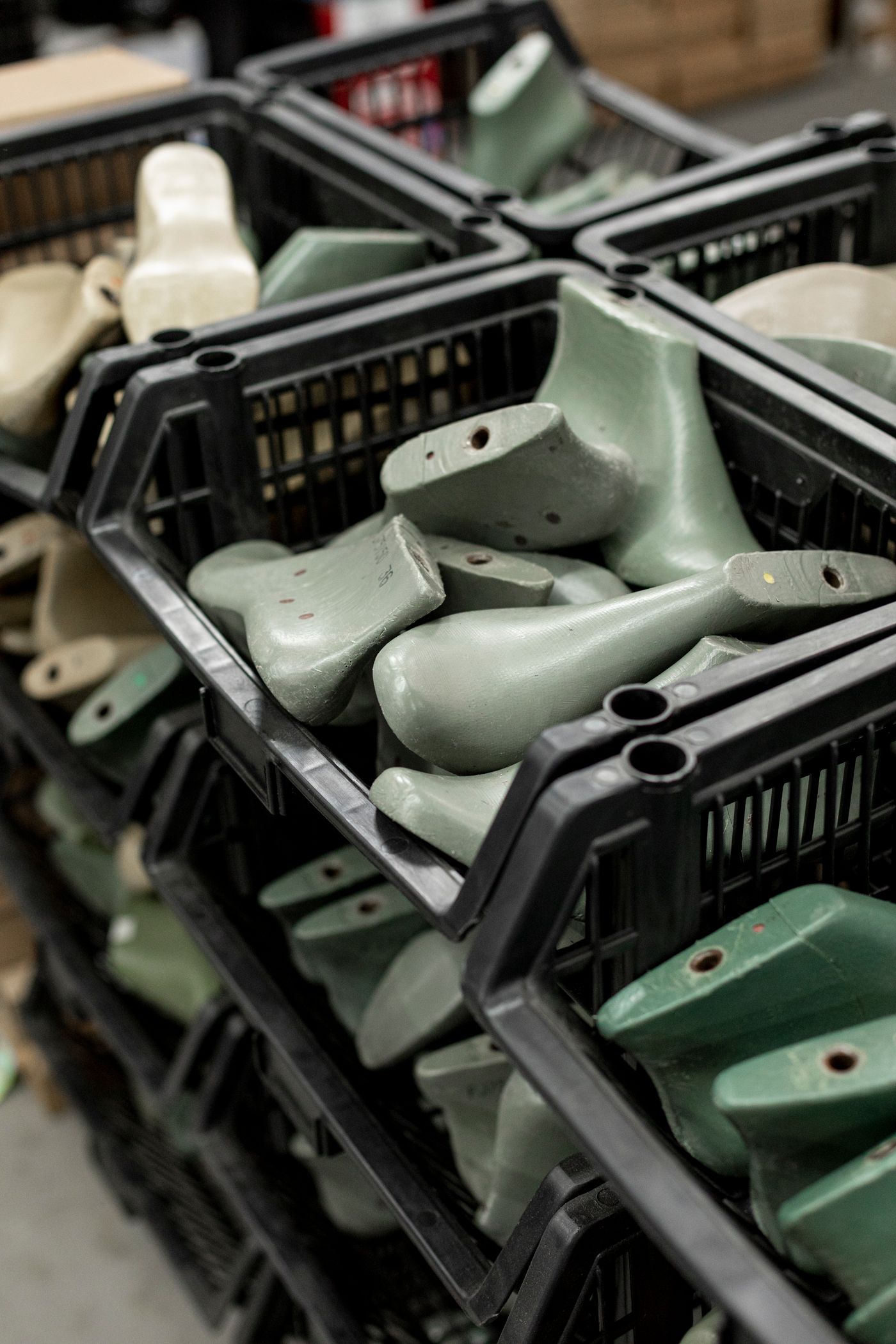
Housings, contacts, seals, locks, plating and wire ranges are controlled as complete interface systems. Mating part data is retained so purchasing changes do not silently break compatibility.
Conduit, braid, tape, heat-shrink, boots, clips, ties, grommets, brackets and hardware are selected from the real route, environment and assembly method, then included in the controlled supply scope.
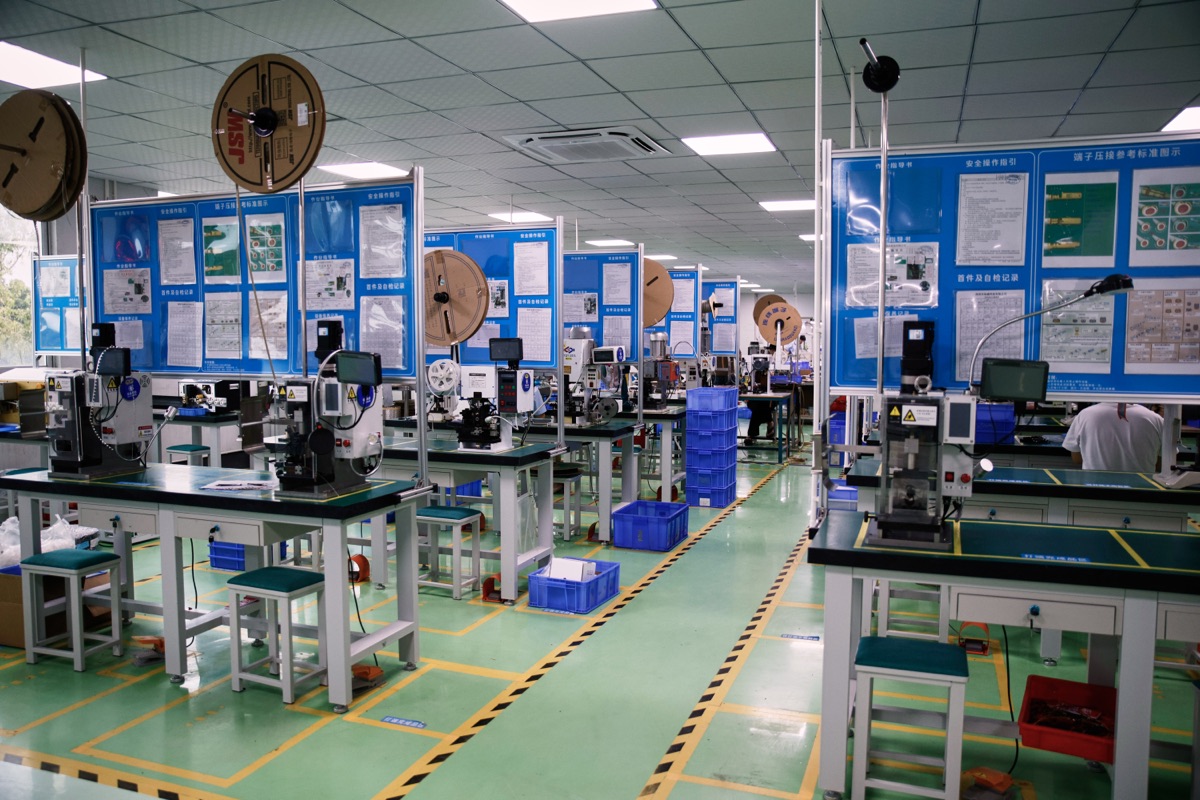
Part labels, circuit identification, inspection records, protective caps, bags, trays and cartons are specified according to traceability, transport and line-side handling needs.

Drawings, pin tables, samples, equipment photos and component data are reviewed for gaps. Assumptions and open points are recorded before the drawing, BOM and inspection plan are released.

An existing assembly is measured and electrically mapped, while hidden ratings, unavailable parts and undocumented processes are identified for customer review before a repeatable specification is frozen.

Long-lead or unavailable items are flagged early. Alternatives are compared by mating, rating, material, tooling, approval documents, installation impact and customer authorization before release.
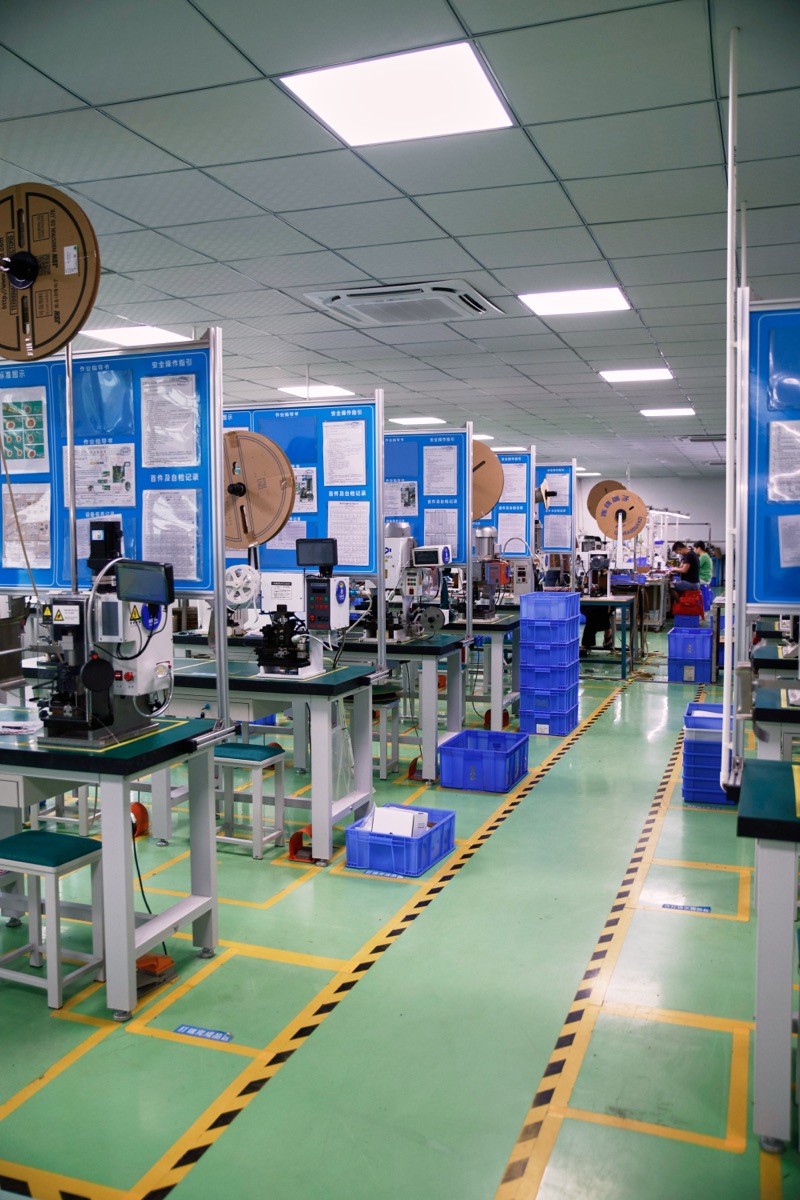
Packing units, quantities, labels and protective methods are aligned with the customer production sequence so correct harnesses and accessories reach the correct station together.
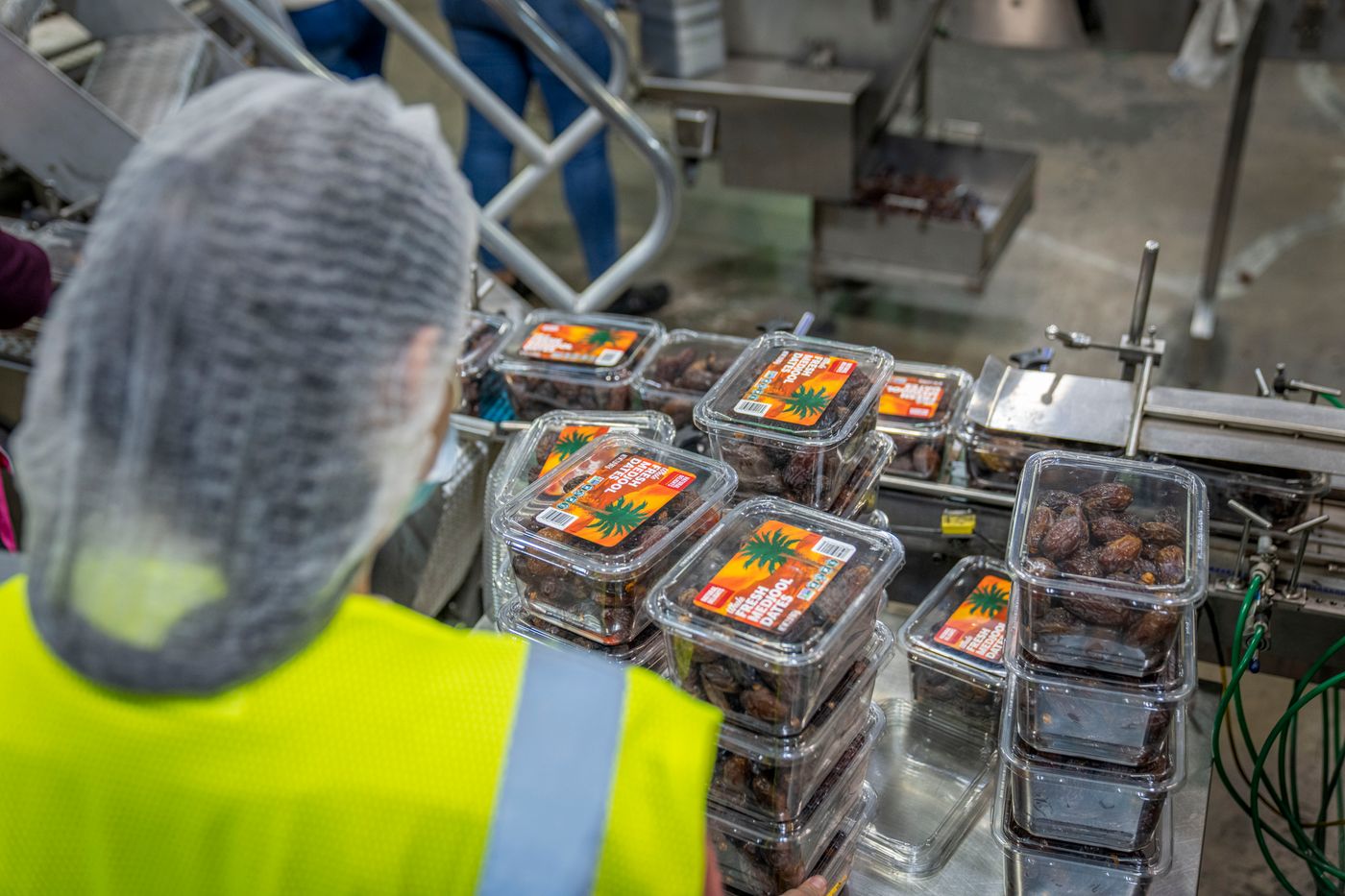
Complete machine looms and installation kits covering panels, sensors, motors, actuators and distributed modules.

Station-specific harness sets for robots, tooling, conveyors, safety devices and control cabinets, labeled to the cell build sequence.

Pre-terminated panel wiring, grounding leads, jumpers and fuse or relay subassemblies supplied to drawings and terminal schedules.

Internal harness kits joining control boards, motors, heaters, switches and user interfaces with appliance-specific routing and labels.
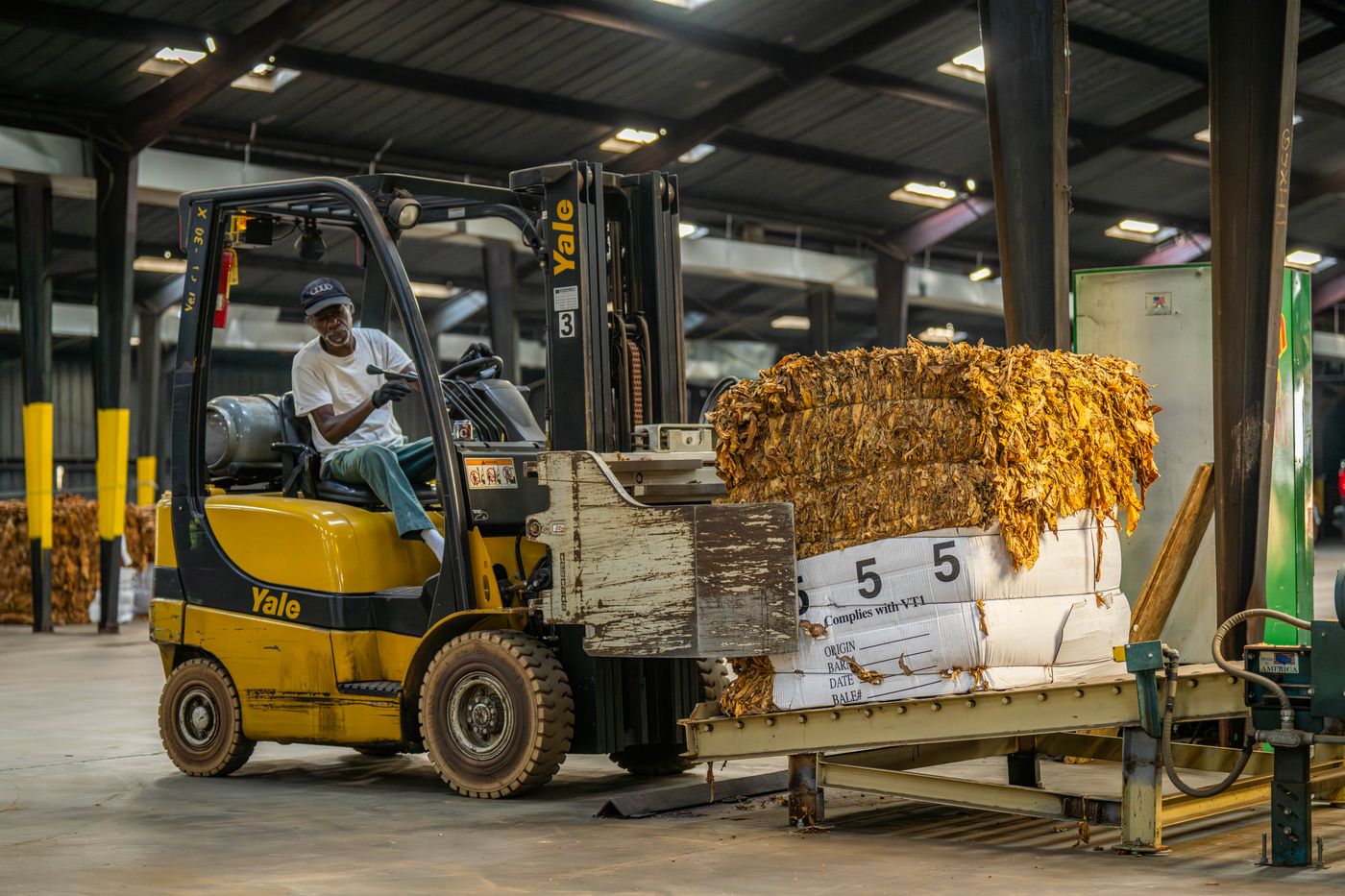
Source-controlled harnesses and field connection kits for pumps, treatment modules, monitoring devices and auxiliary systems.
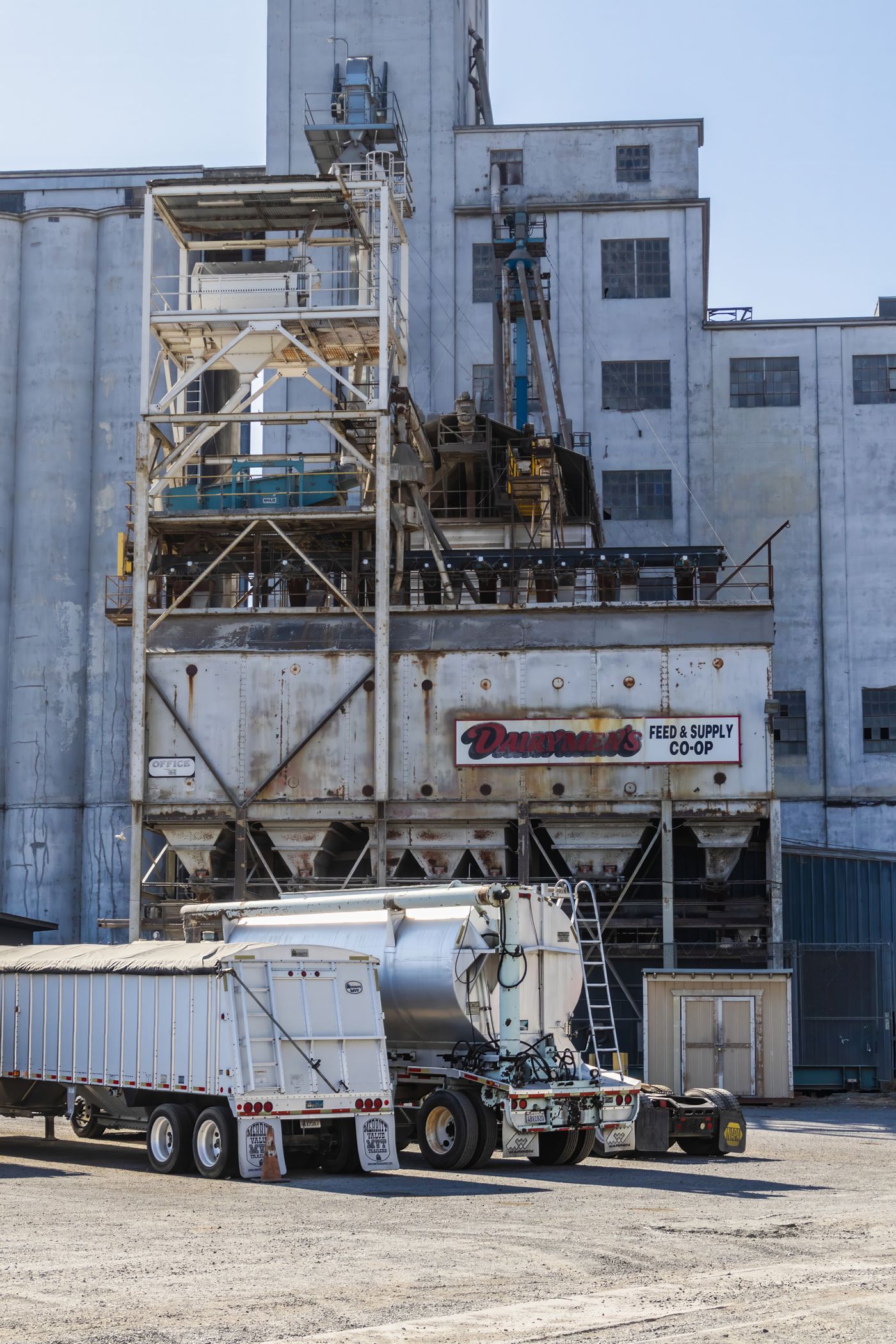
Low-volume cable and harness sets with fixtures, identifiers and documented inspections for benches, instruments and specialized equipment.

Define what is included, customer-supplied parts, approved manufacturers, expected records, quantity, packaging unit and revision authority.

Verify each material, source, lead time, minimum quantity, substitution rule and incoming requirement before committing the production schedule.

Build the representative assembly, confirm routing, connector direction, branch geometry, accessories, labels and installation against the agreed equipment or fixture.
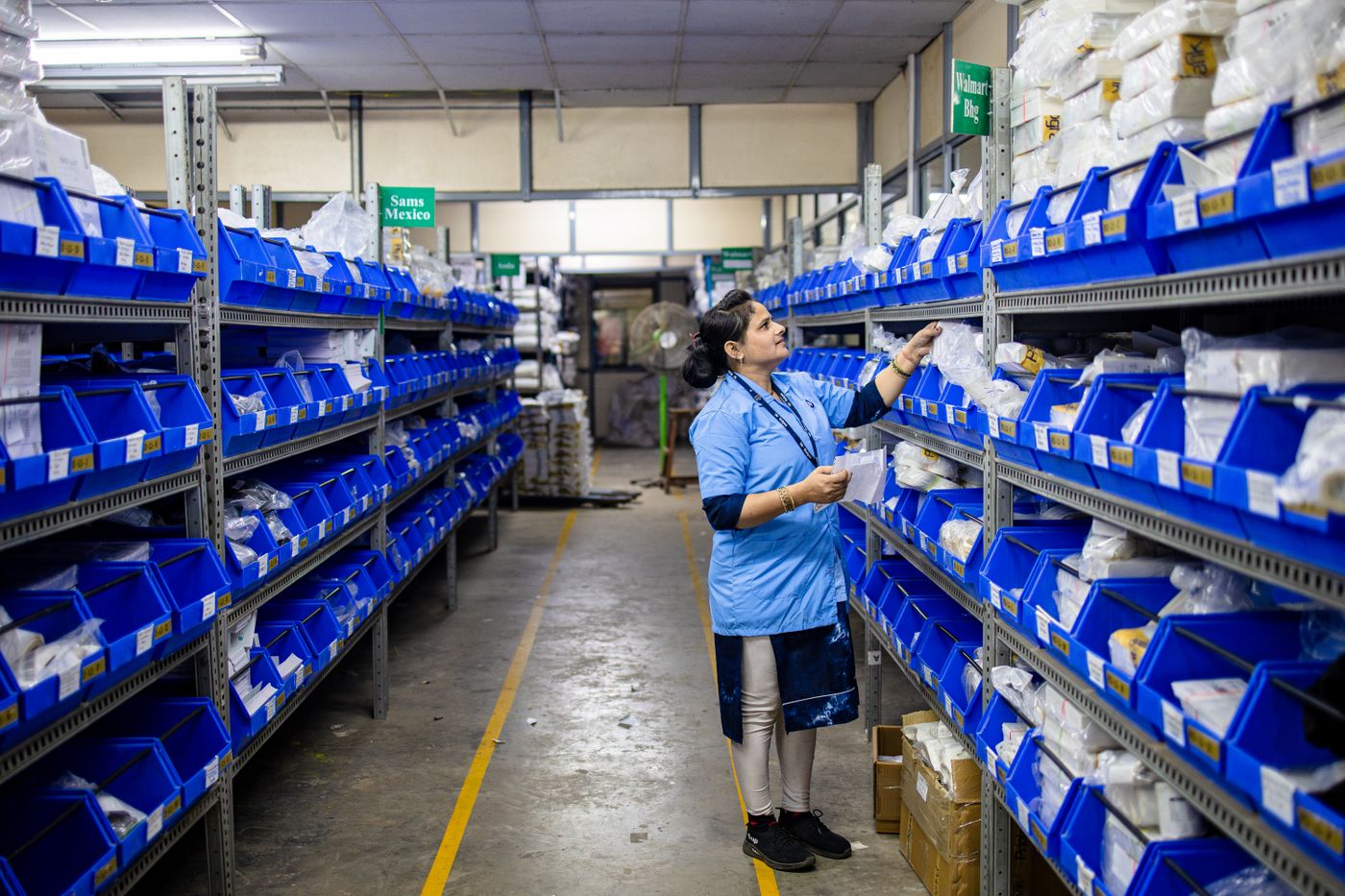
Use released work documents, fixtures, calibrated or maintained tools and defined in-process points for cutting, termination, assembly and protection.
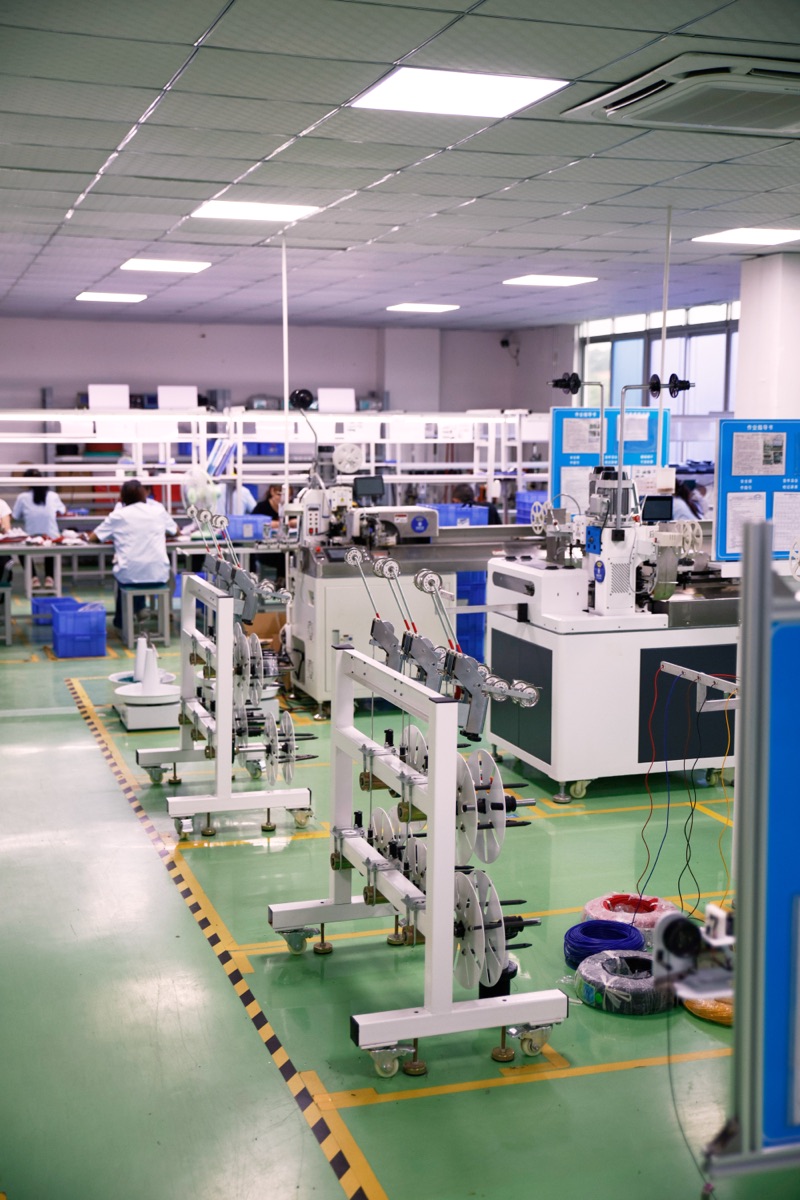
Check circuit mapping, continuity, polarity, terminal retention, dimensions, labels and appearance, with additional tests performed only to the approved project plan.
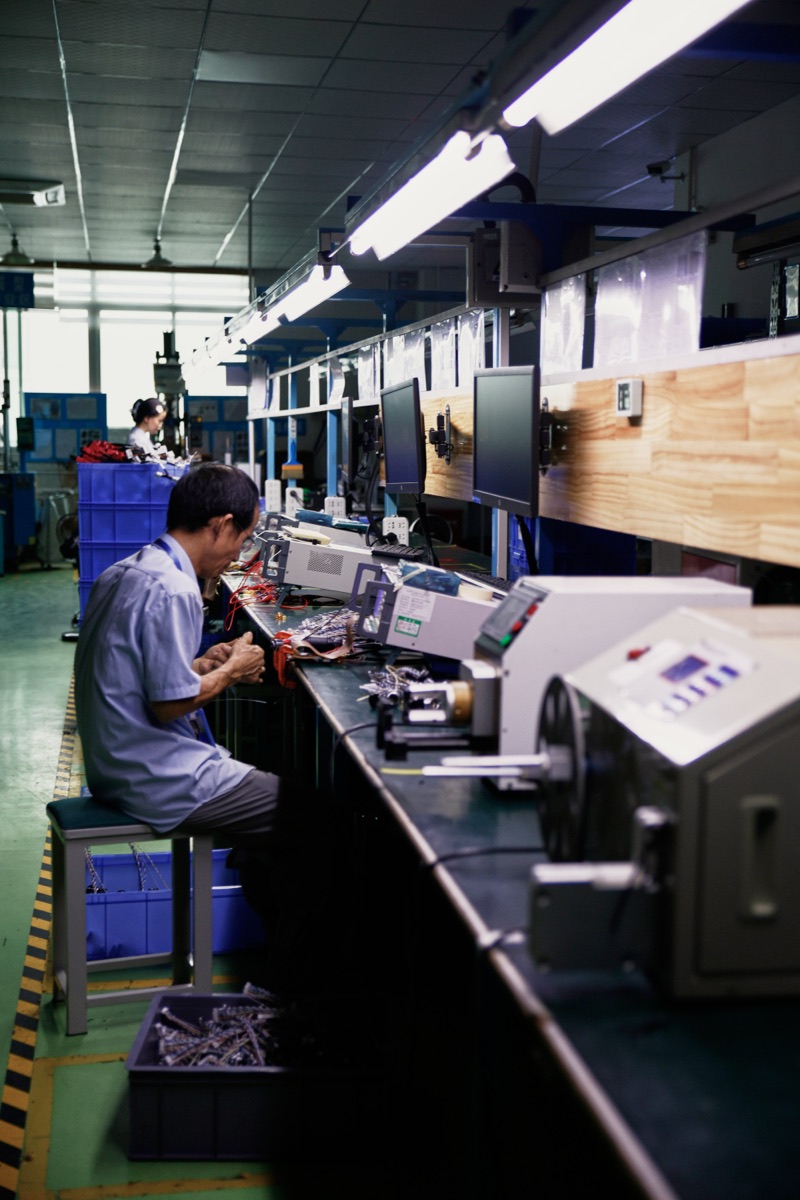
Confirm item count, accessory completeness, inspection status, protective packing, labels and required records before each production unit is released.

The released drawing, BOM, work instruction and test program must describe the same revision. A change in one document cannot be allowed to create an undocumented mixed configuration.

Material deviations record the reason, affected quantity, technical comparison, approval and expiry. Temporary acceptance does not automatically change the standard BOM.
Branch boards, applicators, insertion aids and inspection fixtures are maintained so later batches reproduce dimensions, terminations and assembly sequence rather than only matching appearance.
Records cover the agreed harness checks. Complete equipment certification, environmental qualification or regulatory claims require separately defined responsibility, samples and responsible laboratories.
Engineering, sourcing, assembly, inspection and packaging are coordinated within one approved supply scope instead of being split among disconnected vendors.
Approved sources, customer-supplied parts, revisions, substitutions and records have named ownership, reducing schedule and compatibility disputes.

Correct labels, accessories, protection and packing arrive together, reducing line-side preparation and missing-component interruptions.
A frozen package of drawing, BOM, process, fixture, test and packing data carries the approved first article into later production and controlled revisions.
The exact scope is project-specific. It can include engineering review, sourcing, customer-supplied parts, harness assembly, accessories, labels, inspection, records, kitting and packaging. The quotation and approved documents define the boundary.
Yes, when receiving condition, quantities, ownership, shortage handling, unused return, traceability and responsibility for part suitability are agreed before production.
Alternatives are compared technically and commercially, then released only through the agreed customer approval route. A temporary deviation is recorded separately from the standard BOM.
Yes, after dimensions, circuits, materials, hidden joints, acceptance criteria, unavailable components and packing requirements are converted into controlled documents and approved.
Available records depend on the project and may include inspection status, electrical test output, material or lot traceability and packing lists. Required formats must be agreed before quotation or release.
No. Turnkey describes the agreed supply responsibility. Complete equipment certification and regulatory compliance remain separate activities unless methods, samples, laboratories and responsibility are explicitly included.
PART NUMBER / INTERFACE / MATERIAL
Define the interfaces, material requirements and acceptance plan for your custom project.
Assign responsibility for sourced parts, customer-supplied materials, tooling, fixtures, packaging and documentation before quoting.
Keep the drawing, BOM, mating parts, pin map, labels and packaging instructions on the same approved revision.
Confirm approved manufacturers, exact material references and the customer approval path for any substitution.
Agree the first-article sample, dimensional checks, circuit verification and open-point closure before repeat production.
Define inspection records, traceability, packing unit, labels and shipment acceptance requirements for the finished assembly.
Record revision authority and change approval so a repeat order reproduces the confirmed configuration.
Send the part number, drawing or sample to confirm the replacement configuration and sourcing plan.
PROJECT REVIEW / CUSTOM MANUFACTURING
Custom wire harness manufacturing from our China factory, with OEM/ODM project support.
A sample, clear connector photos or a description of the equipment and required quantity is enough to start a review.