

01
Connector & Terminal
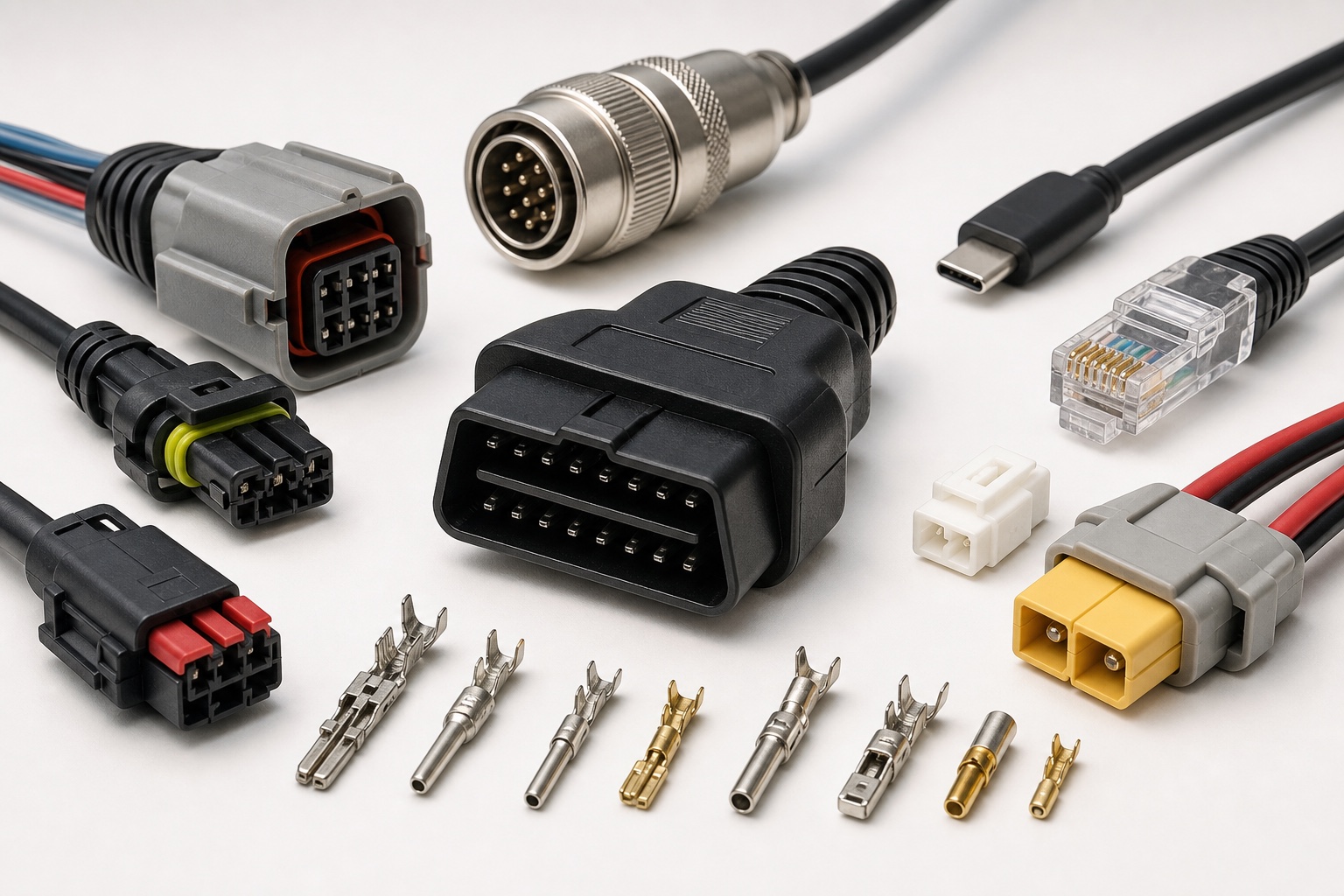
OBD2, Deutsch, DB15, RJ45, Type-C, XT series, Anderson and customer-specified connectors.
A structured path from drawings, samples or pin definitions to an approved wire harness sample that can support controlled production discussion.
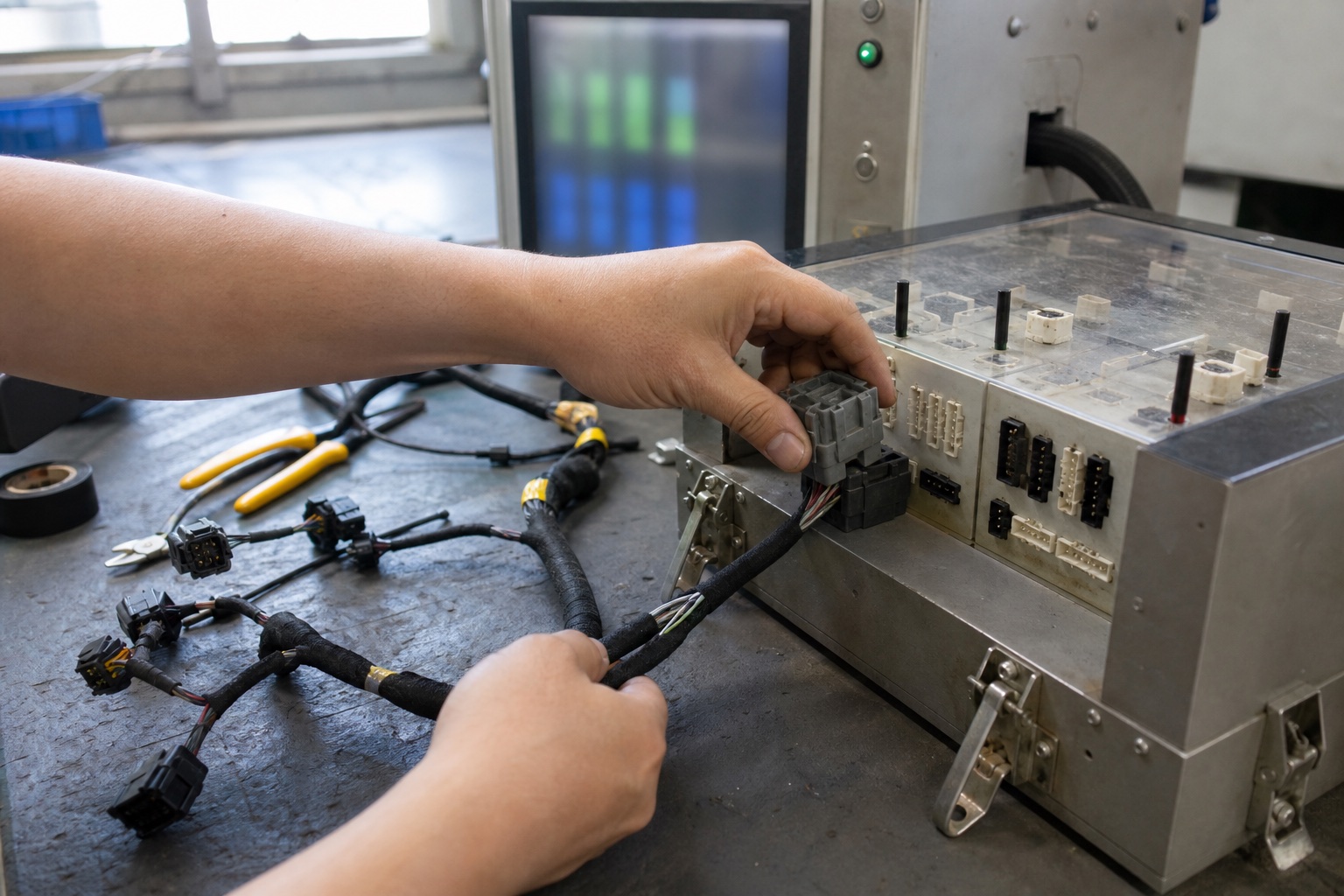
A prototype is not only a visual sample. It should confirm connector mating, pin routes, dimensions, branches, materials, labels, protection, installation fit and the agreed electrical or functional checks for the target application.
OBD2, Deutsch, DB15, RJ45, Type-C, XT series, Anderson and customer-specified connectors.
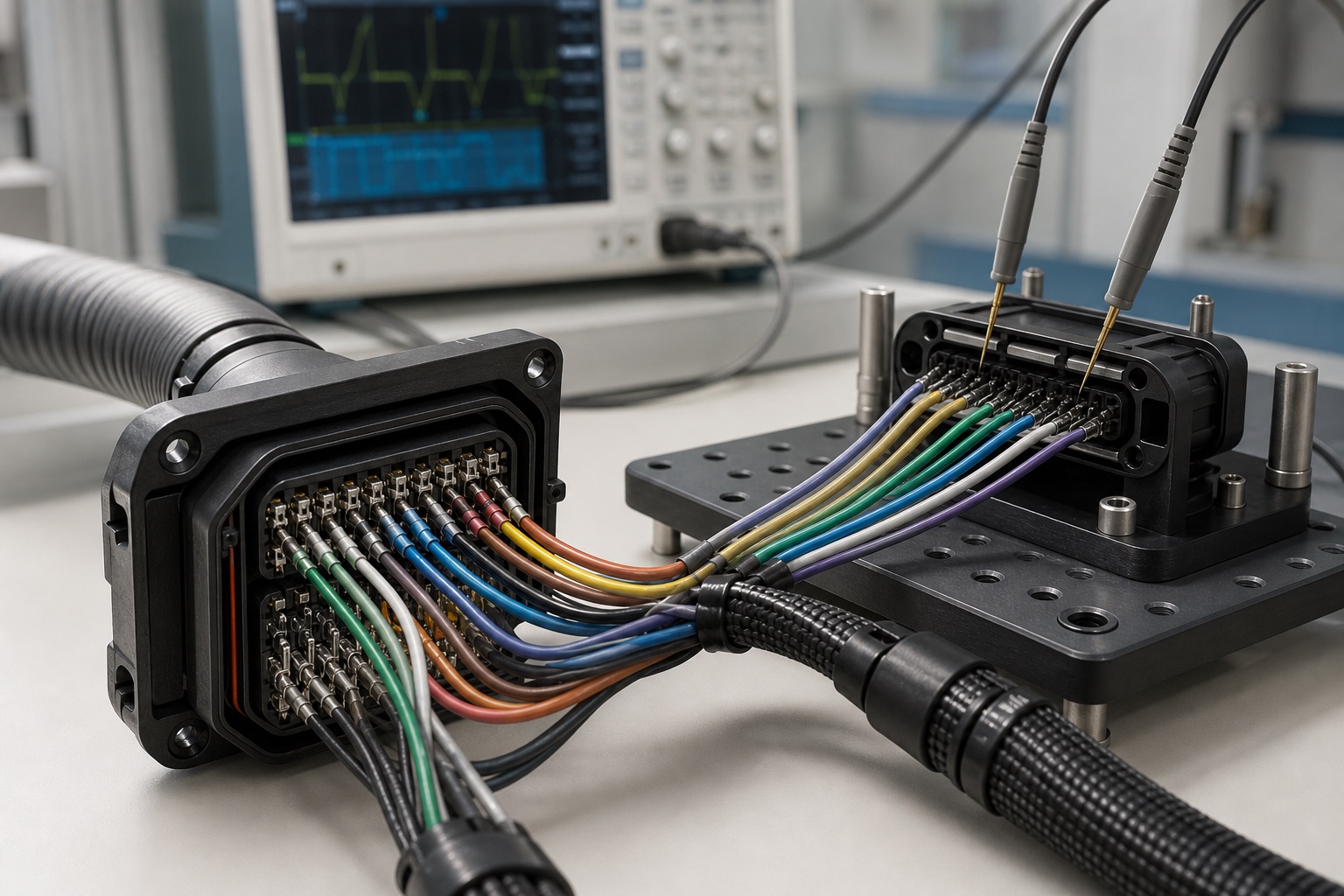
Built according to pin definition, diagnostic protocol and equipment interface requirements.
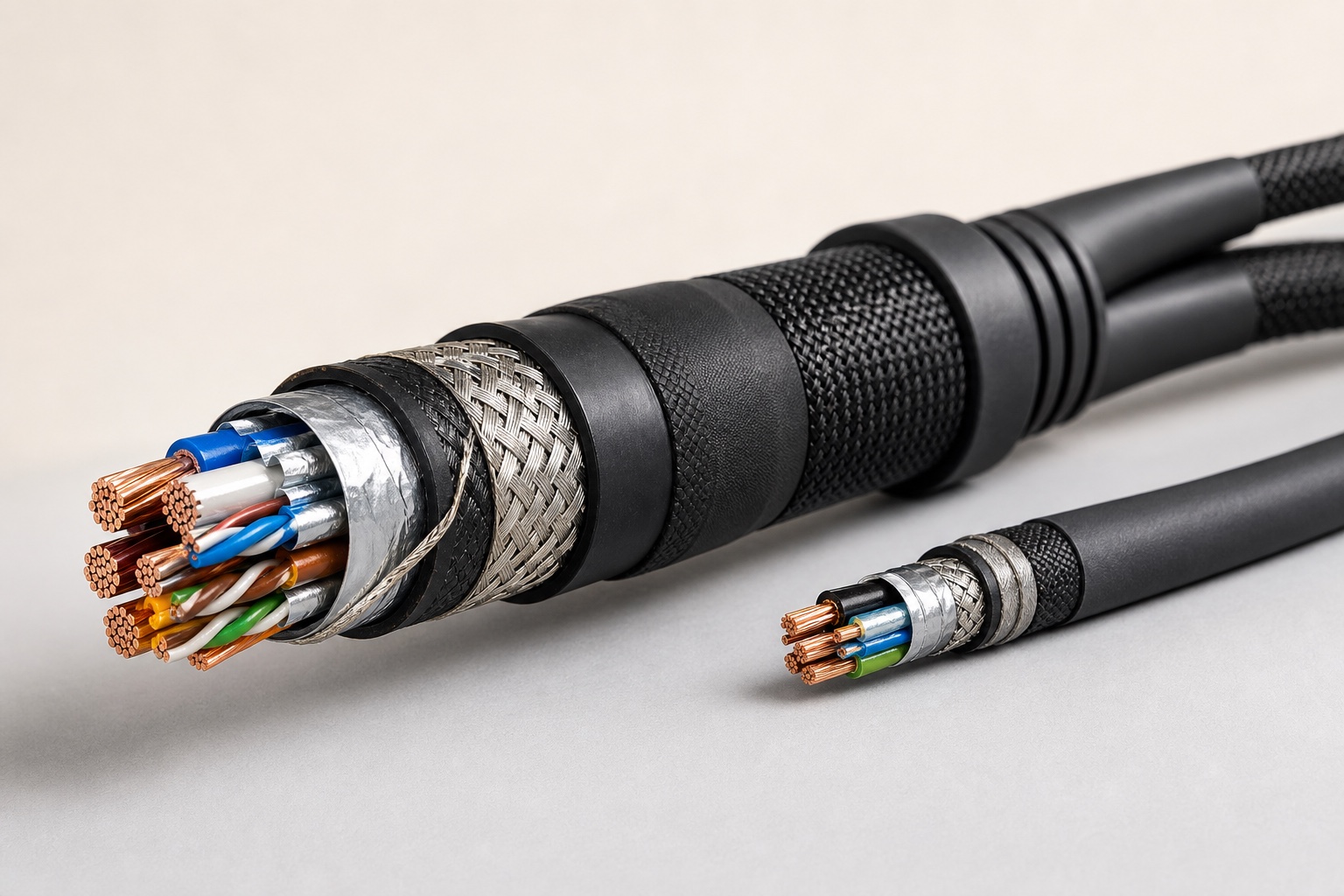
Length, wire gauge, core count, shielding, jacket material and branching can all be adjusted.
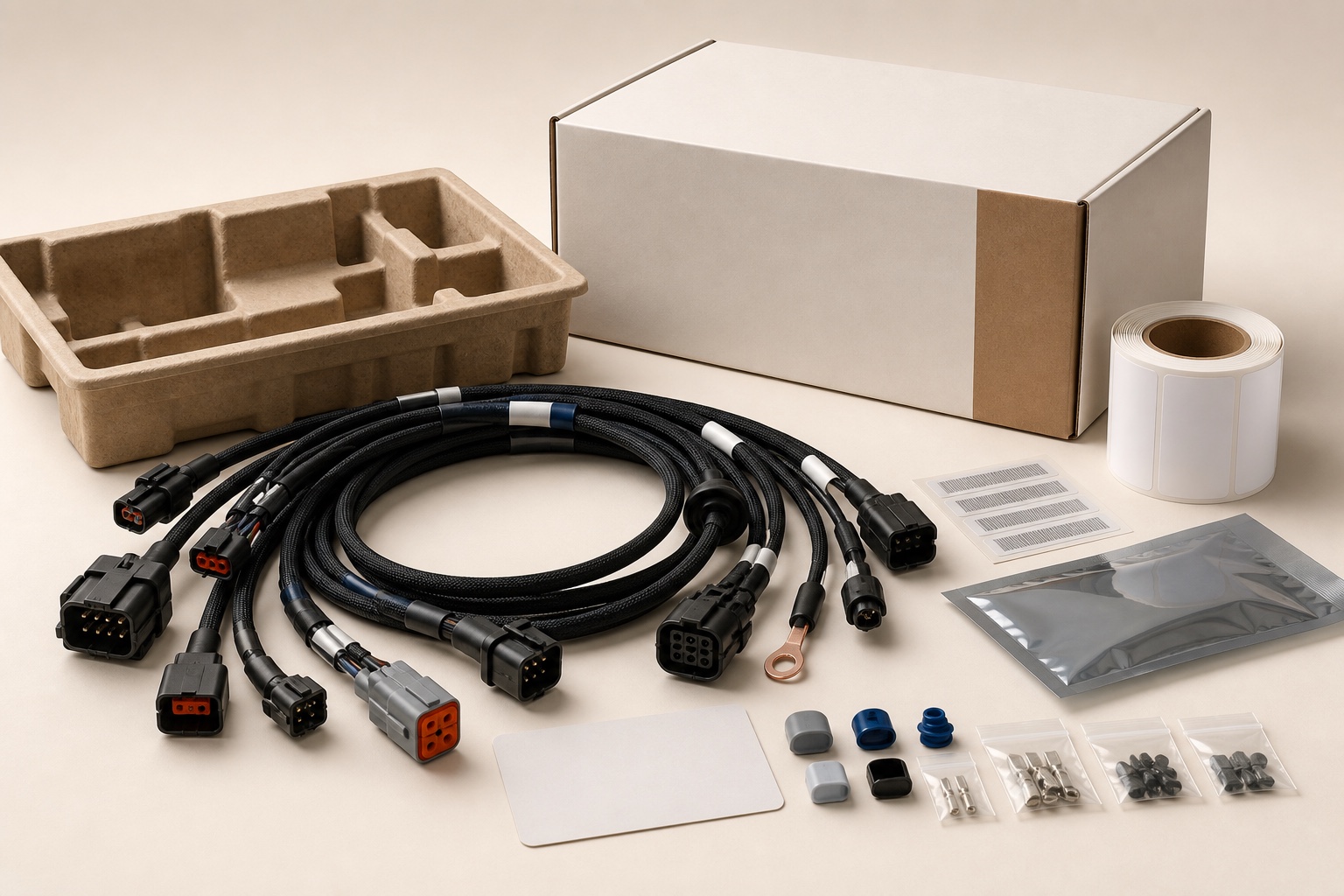
Neutral packaging, buyer labels, model stickers, barcodes and instruction sheets.
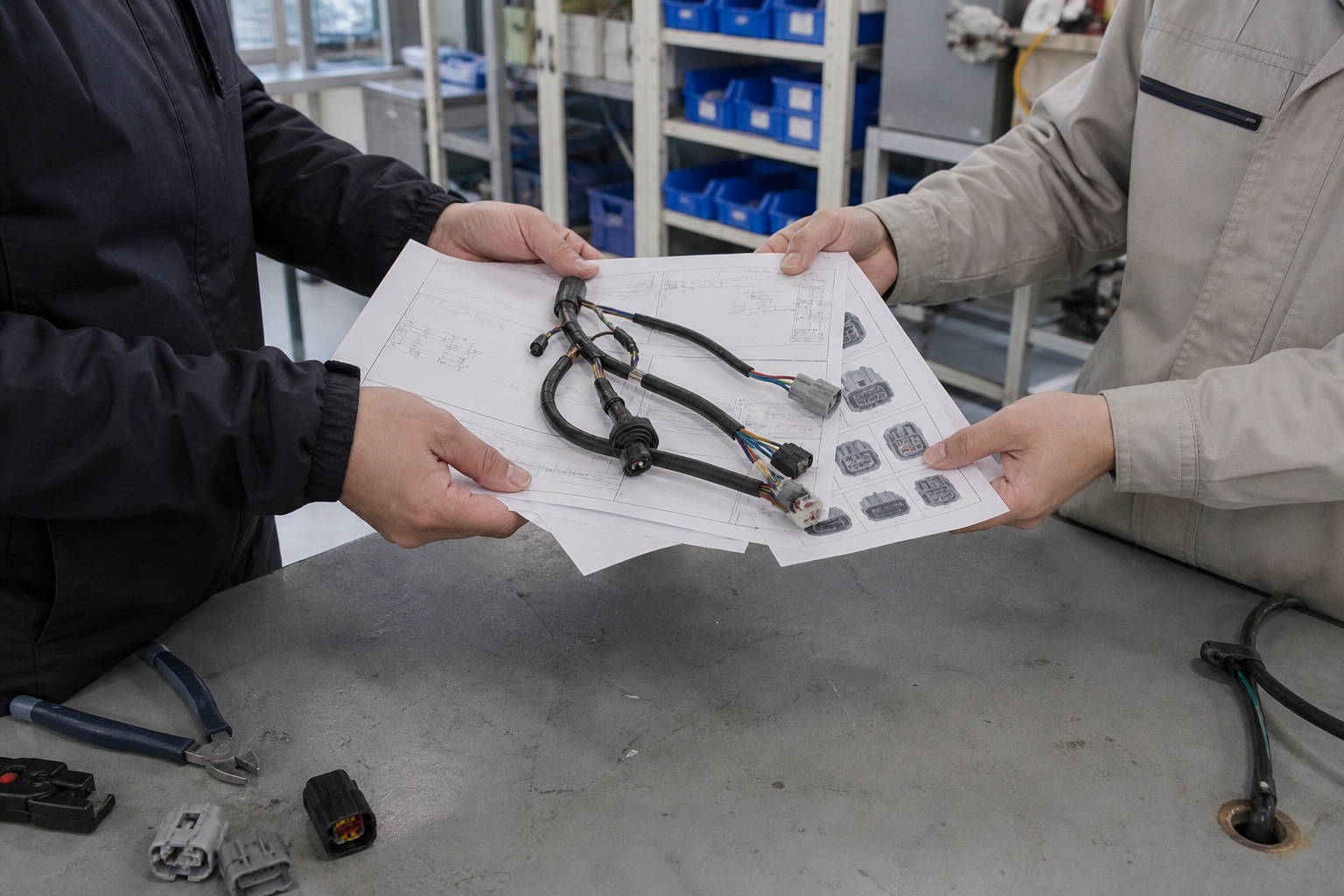
Drawing, sample, connector photos, pinout or target device model.
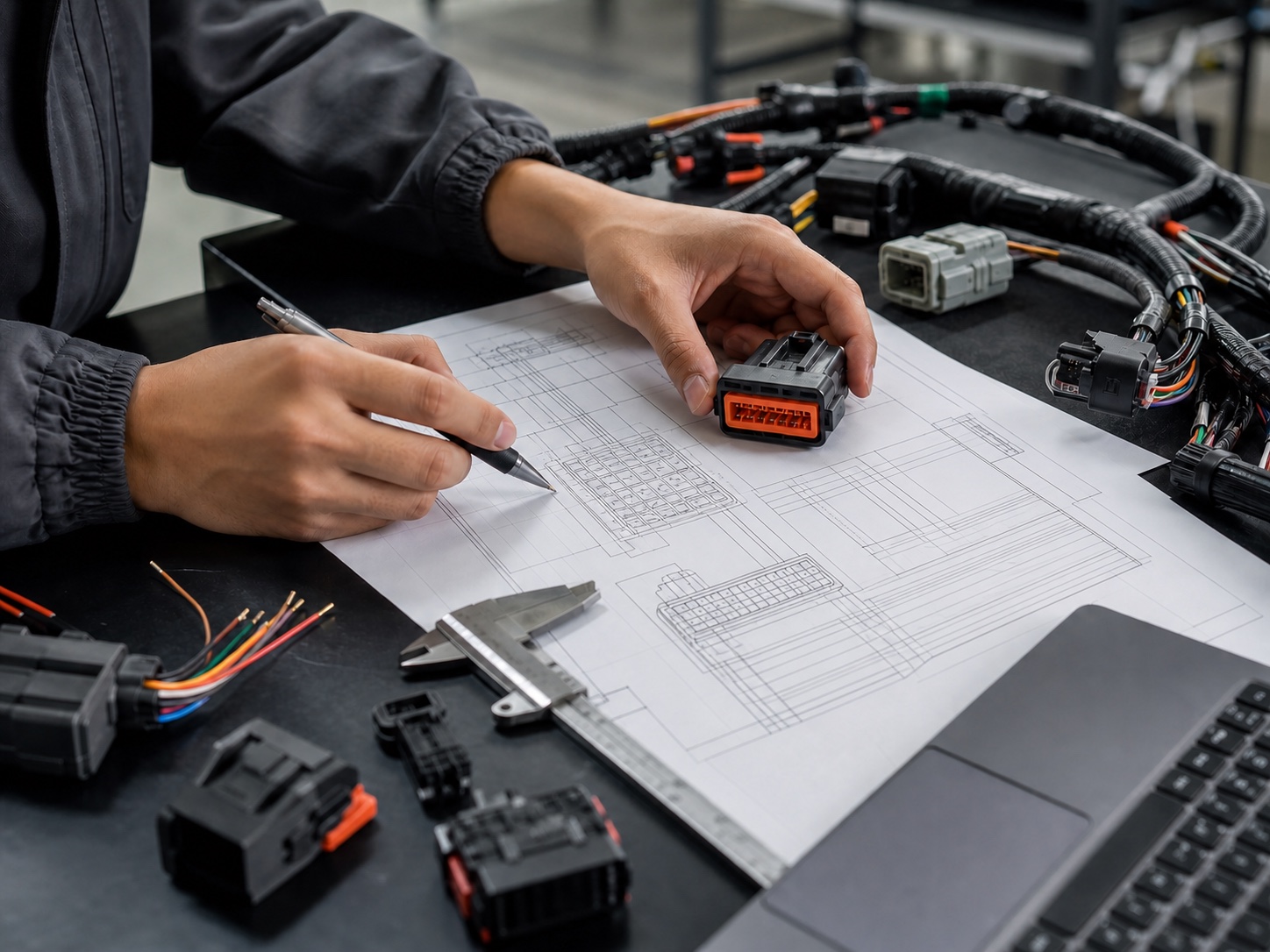
Confirm connector type, wiring route, material spec and feasibility.
Sample made for fit, continuity and function testing.
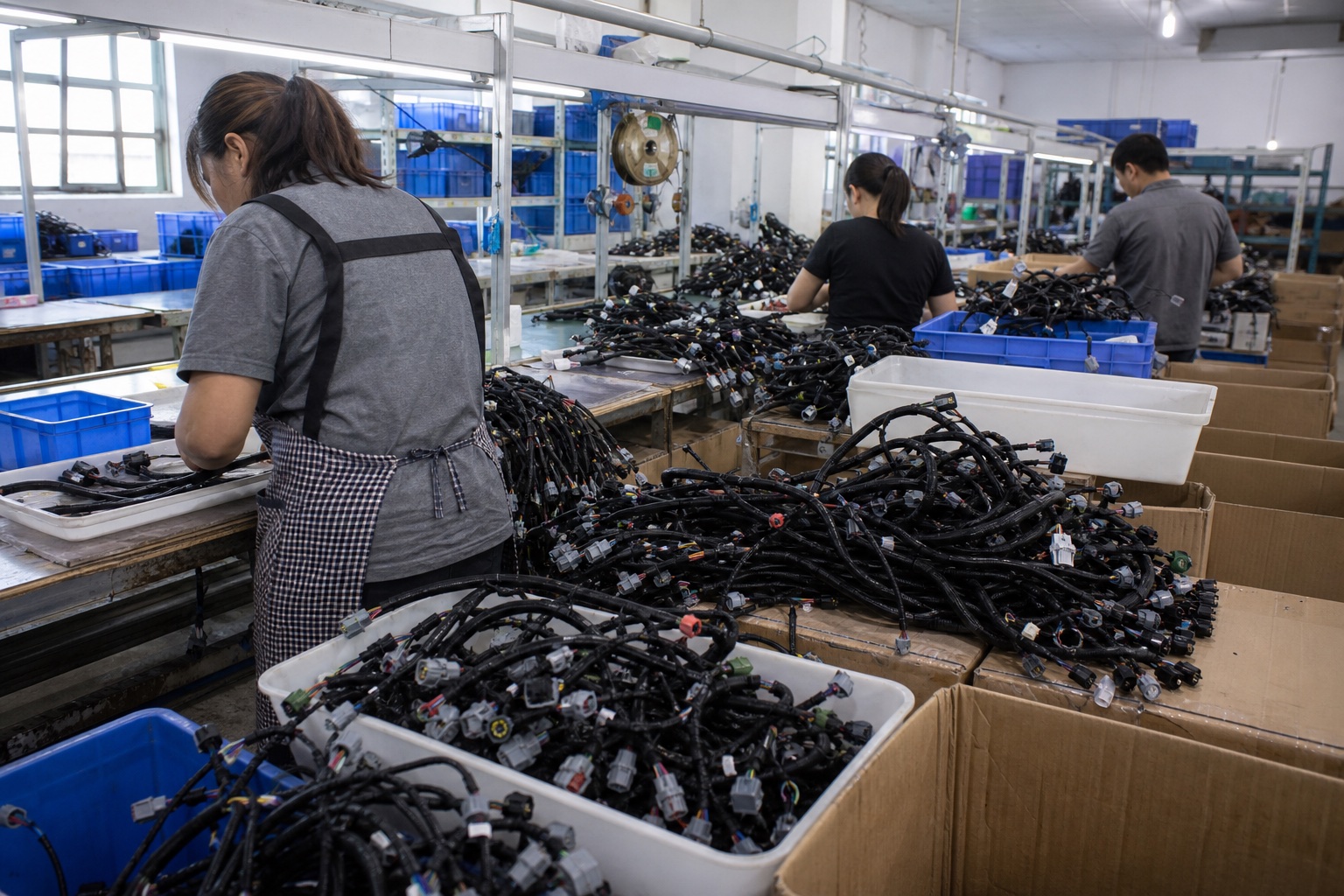
Mass production after approval, batch inspection before shipment.
The approved drawing, bill of materials, pin map, sample observations and acceptance records form the production reference. Open questions and deviations should be closed before quantity, tooling or delivery commitments are finalized.
Input documents and unresolved questions logged
Prototype configuration linked to drawing, BOM and pin-map revisions
Fit, dimensions and agreed checks recorded against acceptance criteria
Approved sample and any deviations controlled before production release
Start with connector information or clear samples, a pin map, finished length and branch dimensions, wire requirements, labels or protection, target equipment and the checks required for approval.
There is no universal quantity. It depends on fit checks, destructive or environmental tests, customer approval steps, retained samples and whether more than one equipment configuration must be verified.
It establishes the reviewed physical and electrical configuration for the agreed scope. Approval should be linked to drawing, material and pin-map revisions, plus any accepted deviations.
Unresolved items create change and compatibility risk. Critical interfaces, wiring, materials, dimensions, checks and approval authority should be resolved before production release.
Timing depends on component availability, tooling, design completeness, complexity, test scope and approval cycles. It should be estimated after the project inputs are reviewed rather than promised as one fixed number.
Provide the drawing or existing sample, connector and pin information, dimensions, materials, installation context, target checks, expected quantity range and required approval process. Timing is reviewed after component and tooling feasibility are known.
ContactCustom wire harness manufacturing from our China factory, with OEM/ODM project support.
A sample, clear connector photos or a description of the equipment and required quantity is enough to start a review.
When available, include drawings and BOM, connector and mating part numbers, pinout, wire length and gauge, branch layout, quantity and required tests. Materials, inspection scope and delivery are confirmed for each project.