
Product type

Turbo Actuator Harness

Overview

Turbo actuator connector leads, repair pigtails and custom engine-side harnesses, defined by the exact actuator interface, circuit, materials and installation route.

Turbo Actuator Harness application reference

Product Introduction

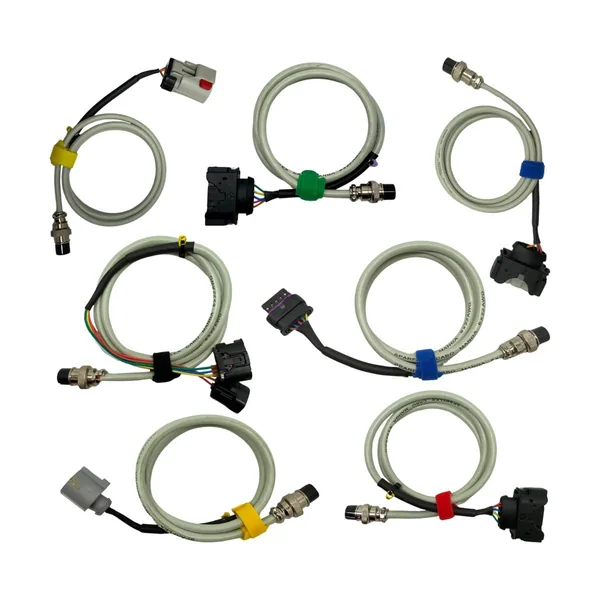
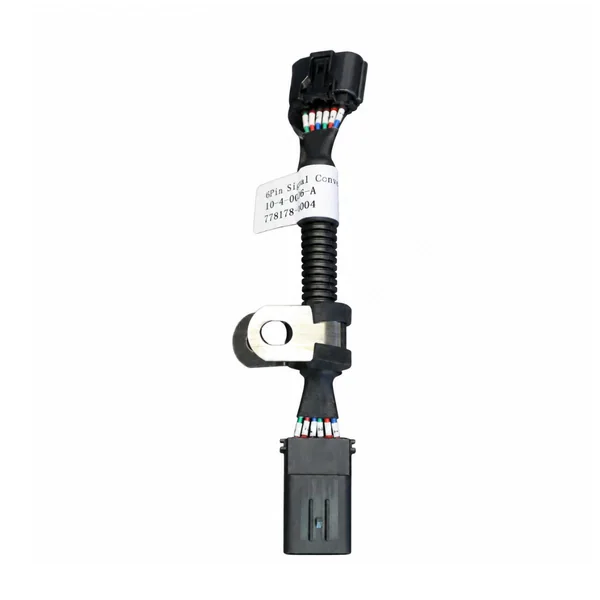
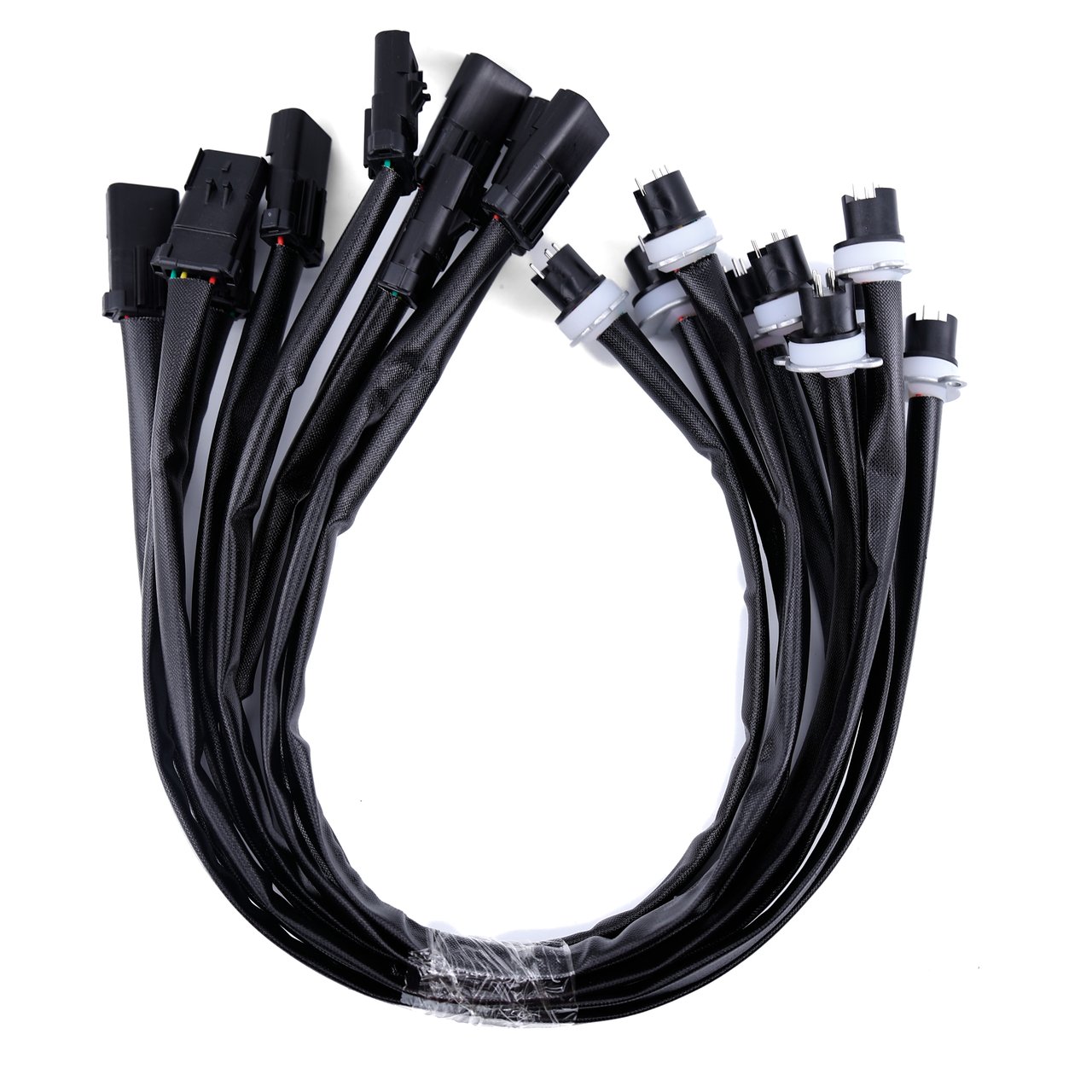
A turbo actuator harness is the electrical connection around an actuator, not a complete turbocharger or a universal replacement actuator. The category includes short connector leads, repair pigtails, engine-side extensions, defined adapter assemblies and workshop test connections. A VGT or VNT application may share the same broad description while using a different housing, circuit assignment or control interface. Super Smile can develop these configurations from a drawing, authorized sample or confirmed mating parts. Our product photographs show connector-lead examples; the approved specification determines the version supplied. Correct identification keeps a small replacement part from becoming a larger installation problem.

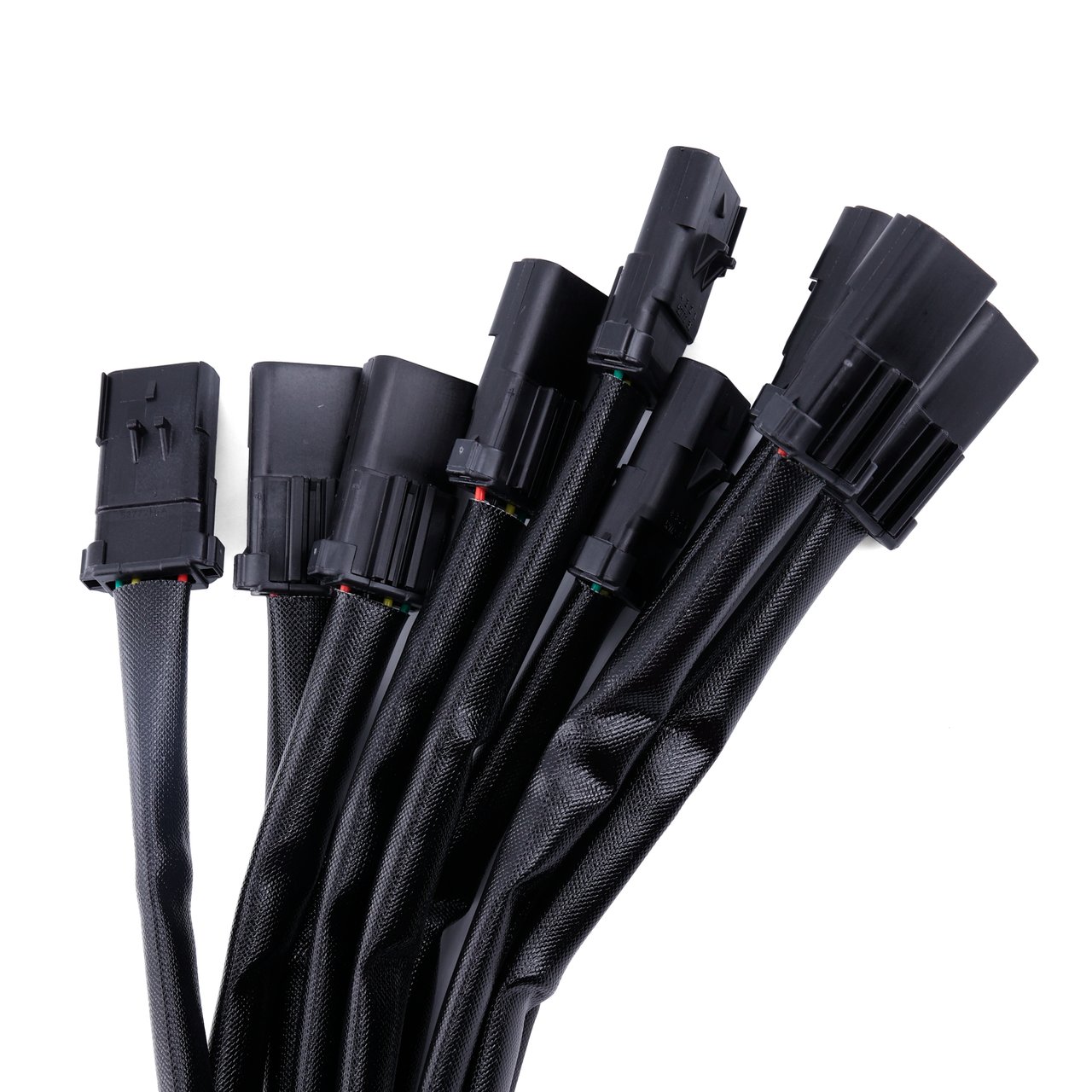
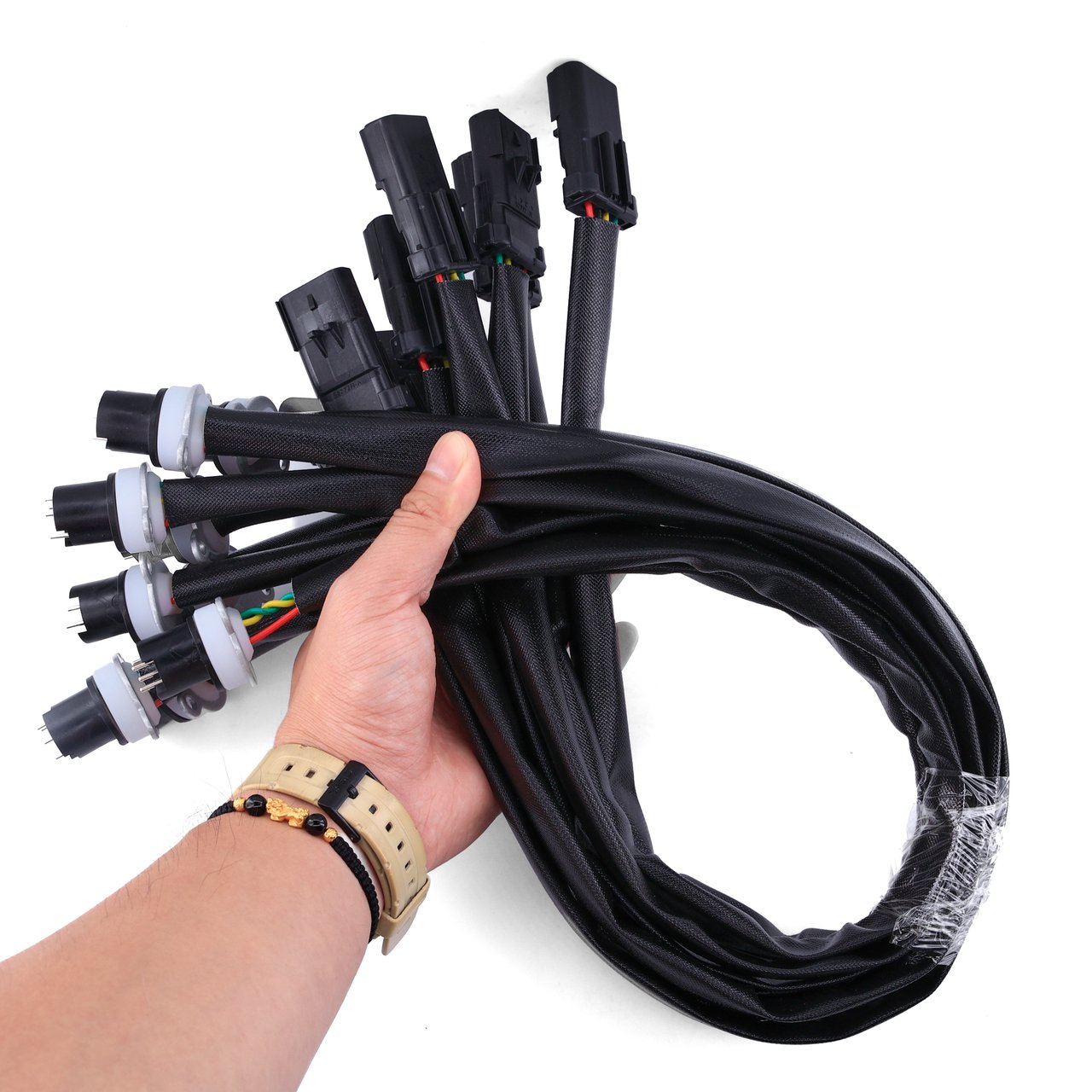
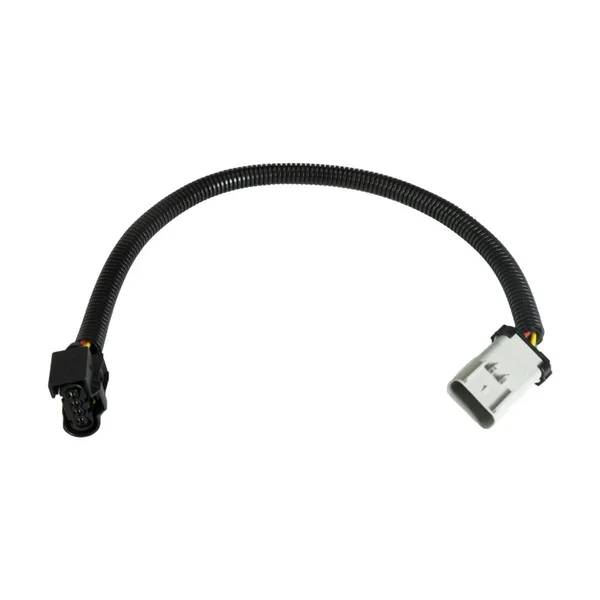
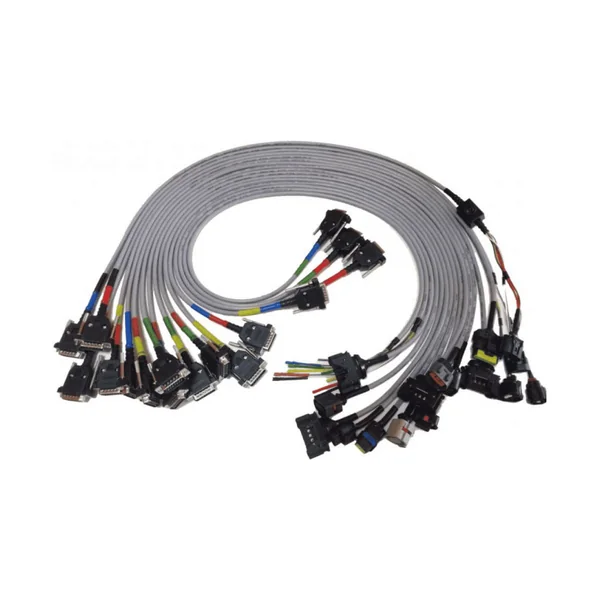
Super Smile actuator connector-lead examples; supplied configuration follows the approved drawing.
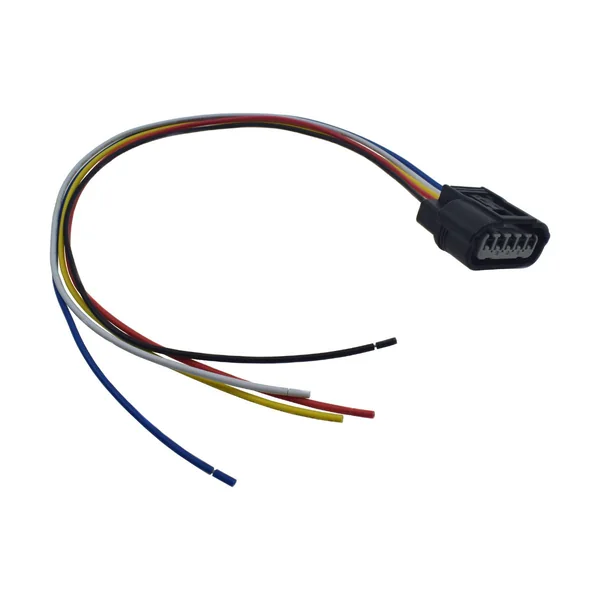
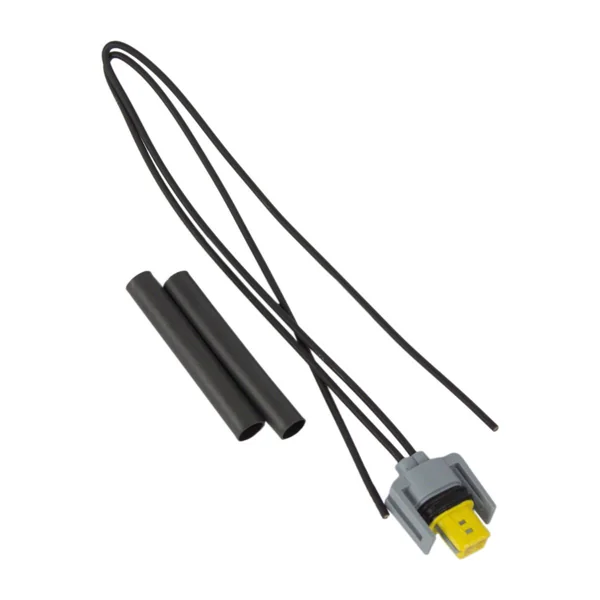
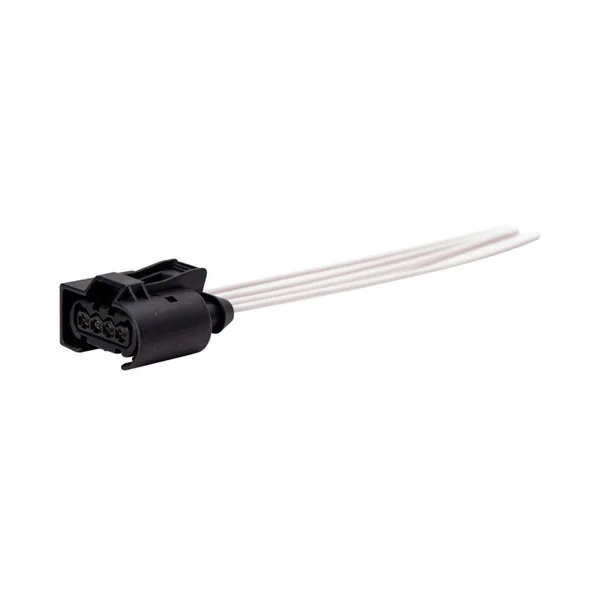
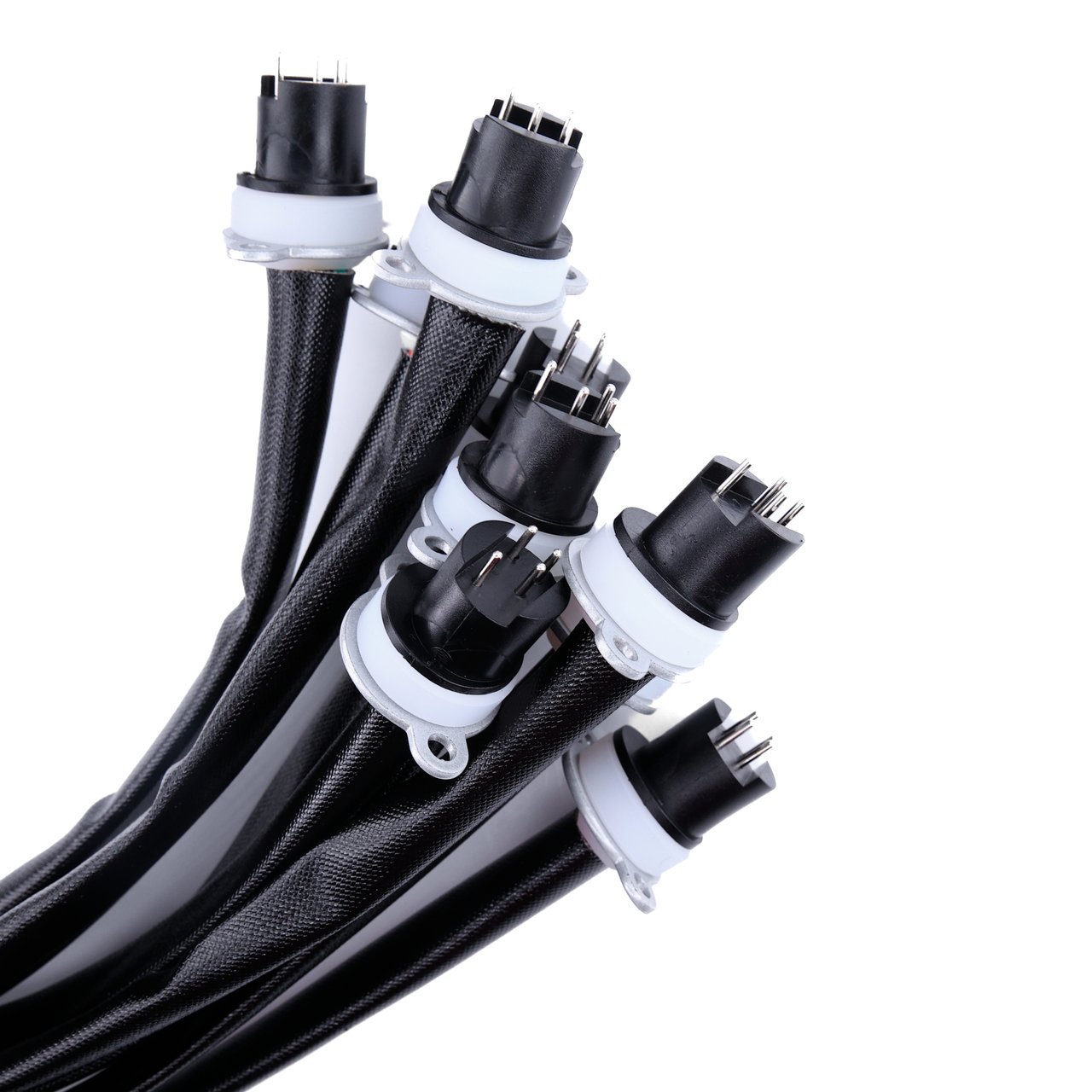
Super Smile connector-lead detail; exact mating geometry is defined by the approved part.

Product Advantages: A Defined Actuator-Side Interface

A purpose-made connector lead can preserve the existing equipment interface while placing the joint and service length where they are accessible. Check housing keying, cavity count, contact gender, latch geometry and the position of any secondary lock. Holset VGT, Garrett VNT and HELLA actuator names help identify an application family, but are not an interchangeable connector specification. Even within one turbocharger family, actuator revisions can change the required connection. Record the actual part number and both mating faces. The result is a controlled assembly, not a guess based on a similar black plug or a familiar engine name.
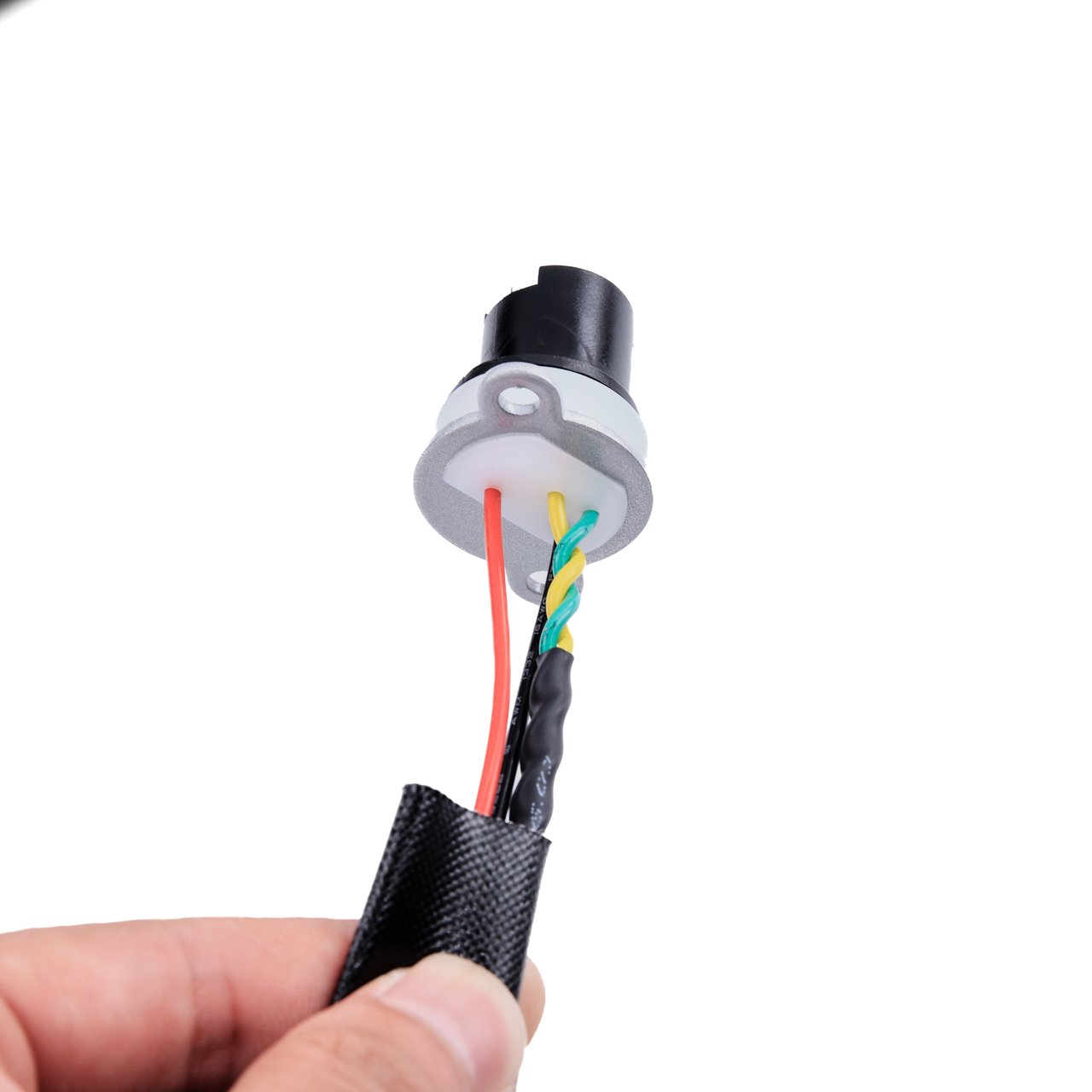
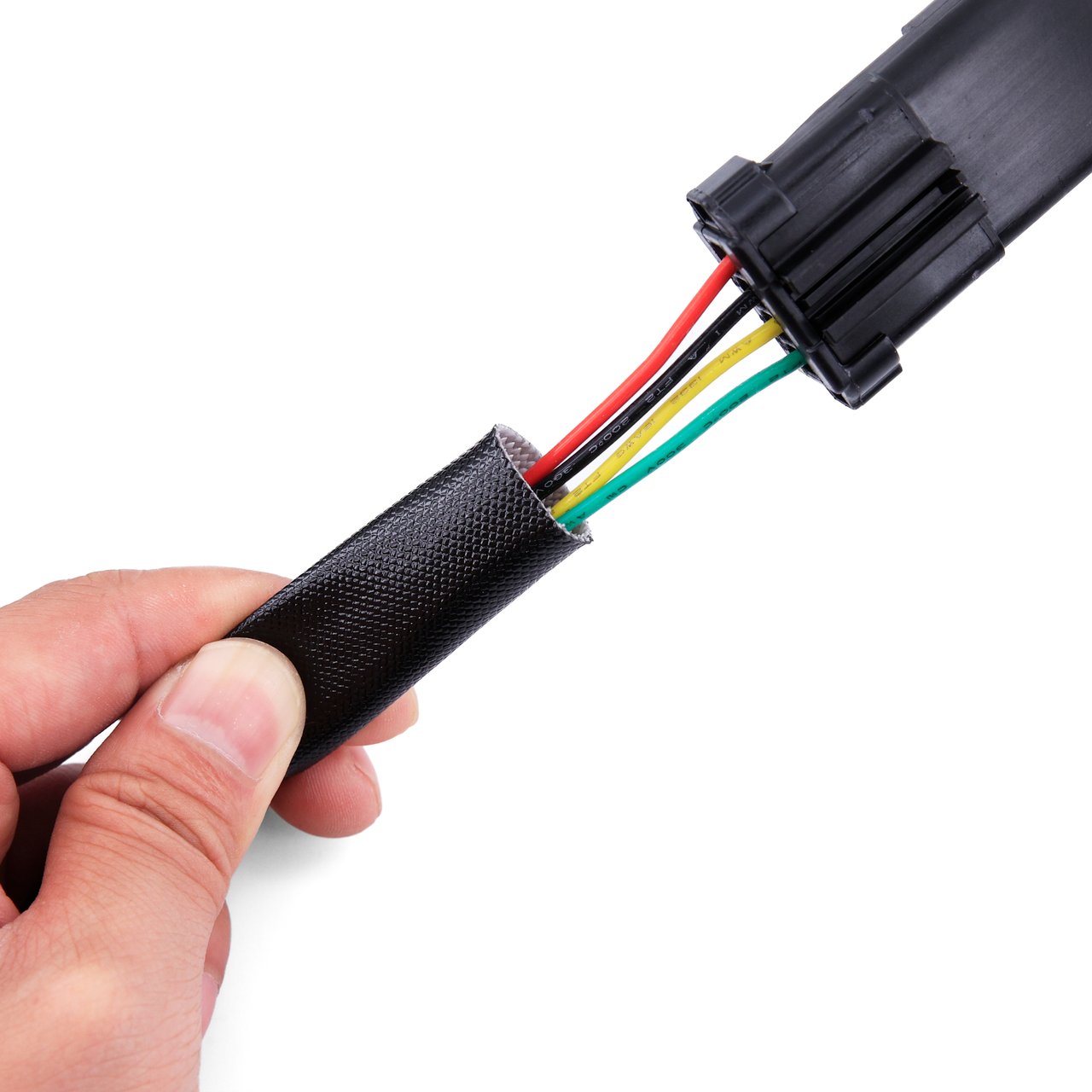
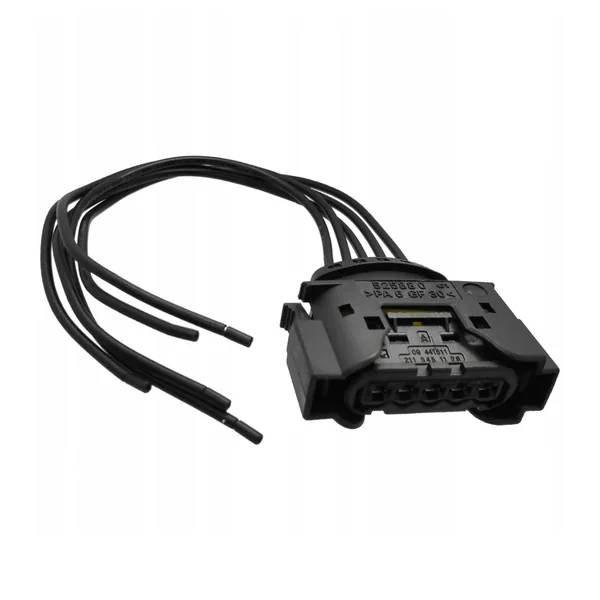
Our sample lead exposes the conductor path; colors alone do not define cavity functions.

Pin Definition: Cavity Numbers Before Wire Colors

A pin table should state the connector view, cavity number, circuit function, conductor size and destination. Mating-face and wire-entry views can mirror one another, so a clear view arrow is as important as the numbers. Colors help production and service teams trace a released design; they do not establish a universal power or signal assignment. A sample can be mapped for continuity, but hidden electronics or an unknown interface still need equipment documentation. Do not energize an unidentified connector to discover its pinout. Controlled labeling and an independent circuit check reduce reversed connections before a sample reaches the actuator.

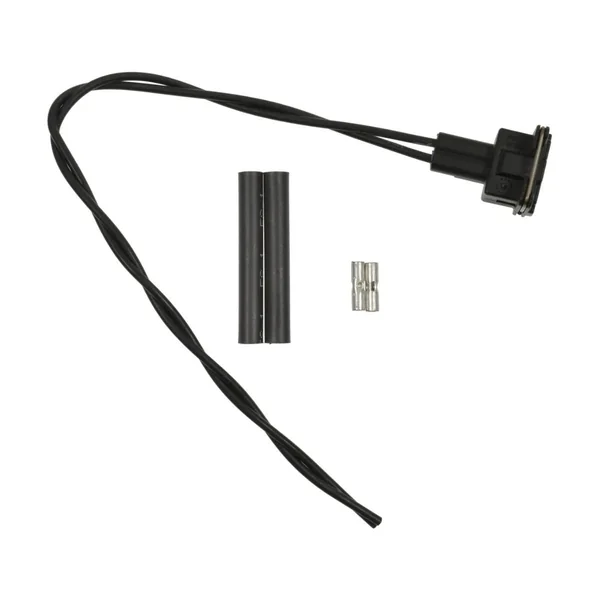
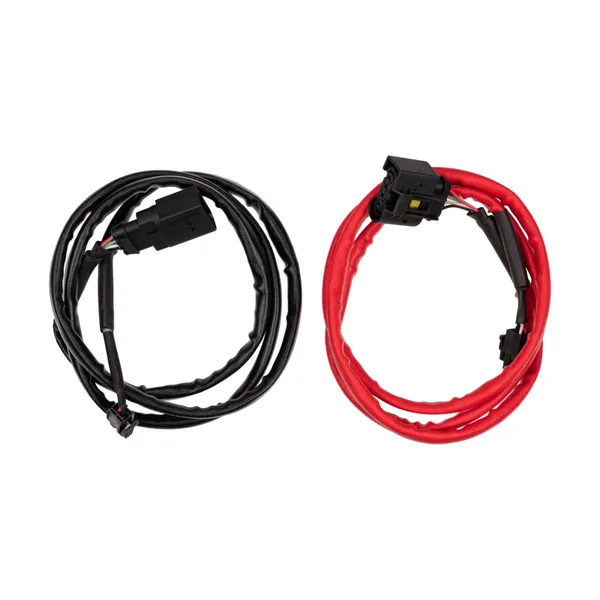
Our lead construction shows separate insulated conductors and outer protection.

Material Recommendation: Conductors and Insulation

Select conductor cross-section for load, permissible voltage drop, length, ambient heat and the terminal's supported wire range. Insulation outside diameter also has to suit the wire seal and crimp support. Thin-wall automotive cable, cross-linked insulation and fluoropolymer options address different packaging or temperature needs; their names alone do not define a finished harness rating. ISO 19642 and SAE J1128 are relevant automotive-cable reference families when called up by the project. Specify the applicable part and revision rather than printing a standard number as an unverified certification. Sample approval should confirm the selected wire construction, not only its external color.

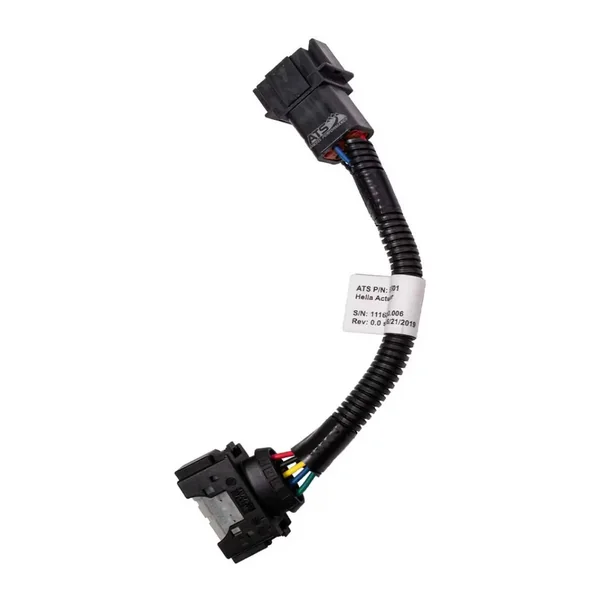
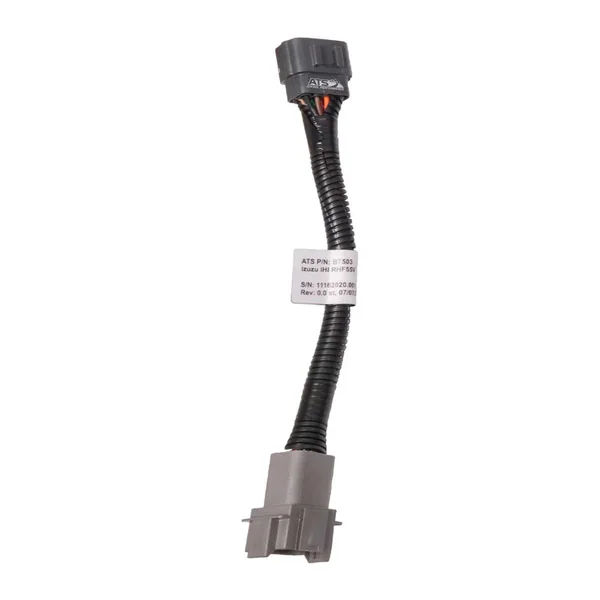
Our connector-lead examples; sealing performance requires the complete specified assembly.

Automotive Connectors, Seals and Polymer Components

A sealed connection depends on a compatible housing, contacts, wire seals, cavity plugs and mating component. A cable that is too small can leave a leakage path; one that is too large can distort the seal or prevent correct assembly. The latch and secondary retention must remain operable after sleeving or molding. Resin selection affects heat behavior, chemical exposure and mechanical recovery, while seal material has its own limits. Define environmental performance for the complete mated assembly and the intended installation. Water resistance should not be inferred from a white sealing ring, a thick boot or the appearance of a sample photograph.

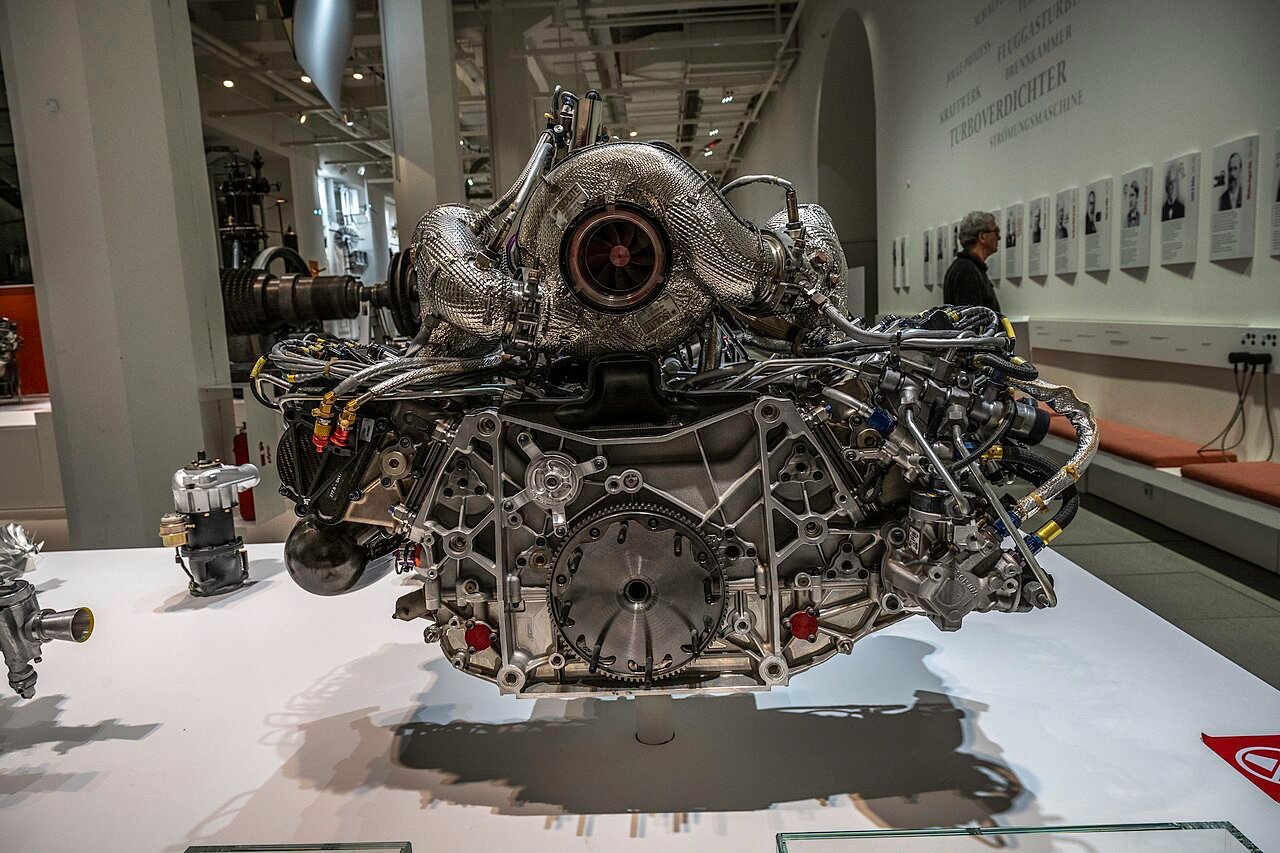
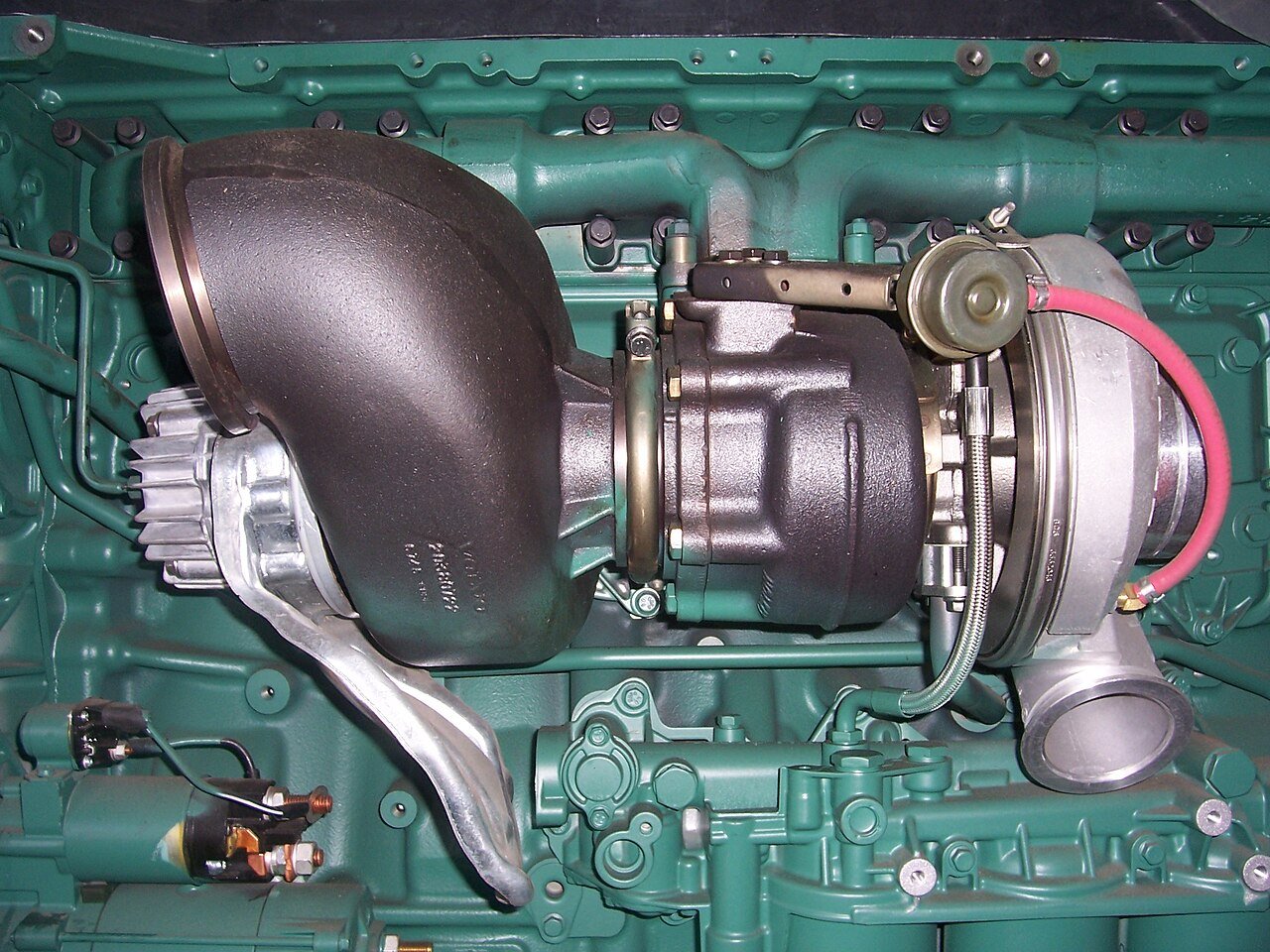
A displayed turbocharged engine illustrates the proximity of exhaust hardware and heat protection.

Corrugated Protection and Heat Management

Turbocharger surroundings combine radiant heat, hot surfaces, vibration and possible oil contamination. Routing distance and a supported path come before adding more sleeve. Corrugated conduit mainly organizes and protects the bundle; a split tube is not automatically a water seal or a thermal barrier. Heat-shrink elastomers, glass-fiber sleeves and reflective protection have different duties. Raychem DR-25 is a fluid-resistant harnessing-tubing reference, not a universal solution for contact with a hot turbine housing. Review the temperature limits of the weakest component, clearance throughout engine movement, and the sleeve ends where heat or abrasion may concentrate.

Super Smile connector-lead variants, with length and circuit defined for each request.

Our Solution: Pigtails, Extensions and Defined Adapters

A repair pigtail replaces a defined damaged connector section; an extension changes reach; an adapter changes a documented physical interface. These are different products and need different drawings. Keep repair joints away from the highest-strain location and follow the equipment maker's approved repair method. An adapter does not turn a 12-volt actuator into a 24-volt unit or translate one communication protocol into another. For workshop leads, identify the test equipment and permitted operating conditions. Prototype and small-batch requests can begin with an authorized sample, but production release still requires an agreed circuit, length, material list and inspection scope.

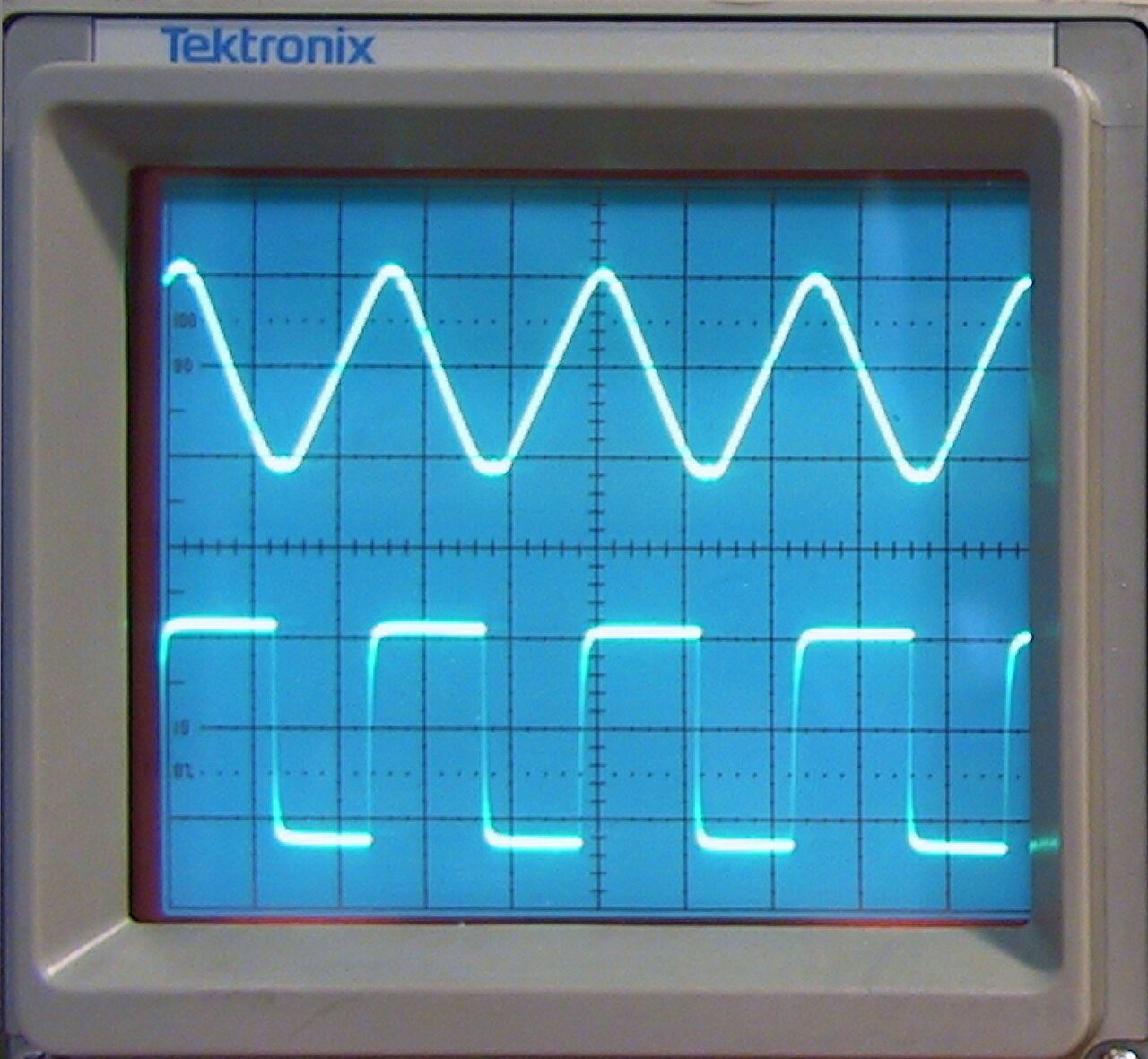
Reference waveforms illustrate distinct signal shapes, not a valid actuator test trace.

Control Signals: CAN, PWM and Position Feedback

Electronic actuator designs may use CAN, PWM, SENT or an analog interface, depending on the device architecture. These labels do not assign pins by themselves. Preserve the required pair arrangement, return path and shielding treatment shown in the equipment specification. Separate actuator supply requirements from low-level feedback requirements. A passive harness cannot implement a control algorithm or make a mismatched actuator compatible. On CAN-equipped systems, branch length and termination belong to the complete network design; adding a resistor to a replacement lead without the circuit definition can alter that network. Review the full connection before defining a test fixture or replacement branch.

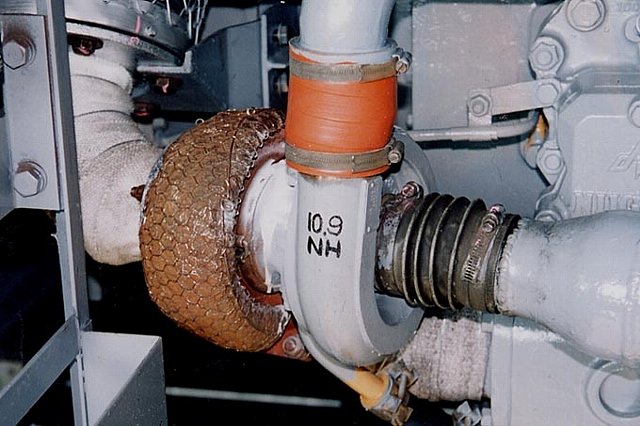
A diesel rail-engine turbocharger illustrates application diversity, not a claimed actuator fitment.

Industries and Applications: Engines, Fleets and Equipment

Applications include passenger-car turbo systems, commercial diesel engines, off-highway equipment and engine service facilities. An engine installed in a truck and a related engine used in a generator may have different harness routing, connectors or control revisions. Organize an enquiry by equipment model, engine serial or application reference, turbocharger number and actuator number. This makes supplier review more useful than a list of vehicle brands. For marine or other special environments, define the additional materials and validation requirements rather than assuming an automotive lead is suitable. The connection can be customized; the application boundary must remain explicit.

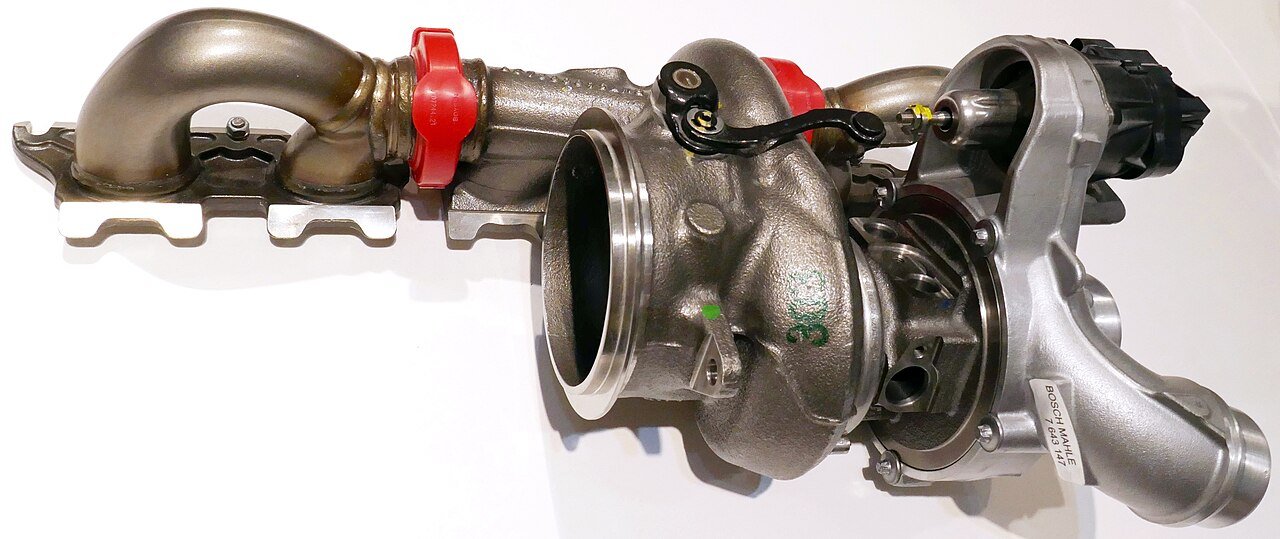
A turbocharger and actuator assembly illustrates why mechanical and electrical matching must be considered together.

Design and Quality: Wiring Is Not Actuator Calibration

Harness checks and actuator calibration answer different questions. The first establishes the electrical path; the second relates the actuator to the turbocharger and its control system. Cummins describes the Holset E-Tool as a diagnostic and installation/calibration tool for compatible electric actuators. Garrett also warns against changing turbo settings outside the prescribed procedure. A replacement connector lead therefore should not be advertised as eliminating calibration or correcting every boost-control fault. Confirm wiring condition, the correct component combination and the manufacturer's service procedure. Mechanical restriction or an actuator fault remains possible even when the harness passes continuity checks.

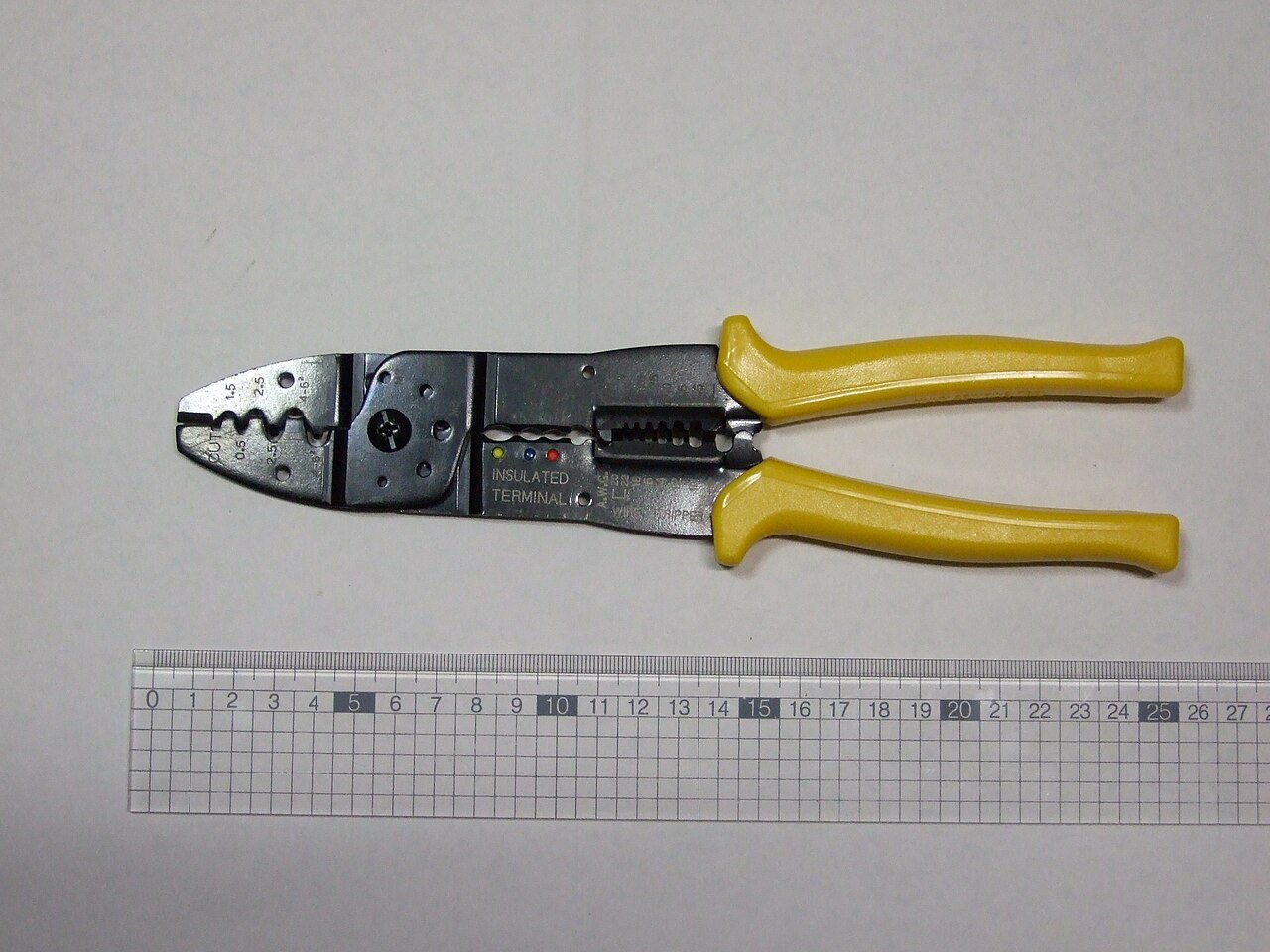
A hand crimp tool illustrates termination work; actual tooling follows the specified contact system.

Manufacturing and Quality Assurance

The production record starts with the approved interface drawing and bill of materials. Cutting and stripping establish the wire length without damaged strands; terminal crimping uses the contact maker's specified wire range and tooling. Insertion, retention checks, seals, sleeves and labels follow a defined sequence so that protection does not hide an incomplete assembly. A first article confirms dimensions and circuit mapping before repeat production. Any substitute wire, terminal, seal or housing requires review against the released design. Photographs and inspection records support traceability, while packaging protects the contacts, latch and cable exit from transport damage.

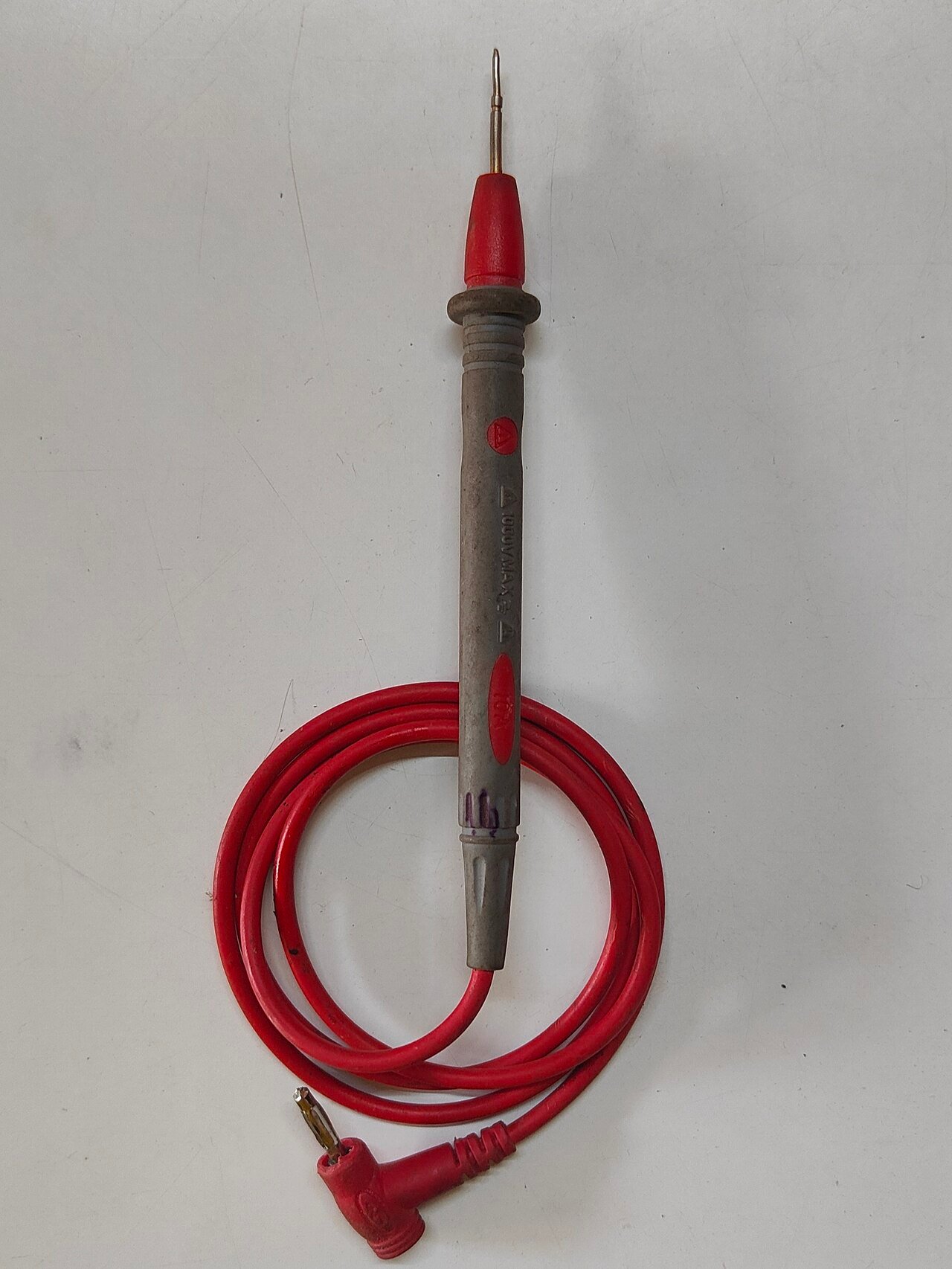
A test probe illustrates the measurement interface; probing must not damage contacts or seals.

Finished-Assembly Checks and Service Evidence

Continuity and short-circuit checks confirm the passive wiring map, but a low-current meter check does not prove the connection will behave correctly under load. Where required, specify contact resistance or voltage-drop verification with suitable fixtures and agreed limits. Mechanical retention, dimensions and visual condition are separate checks; environmental tests require a defined method and sample state. Diagnostic work on an installed vehicle must follow its service instructions, using appropriate probes that do not spread contacts or damage seals. Keep actual measured results distinct from planned tests. A reported fault should be linked to evidence, not automatically attributed to the harness or actuator.

Turbo Actuator Harness Questions

Can the same harness fit every VGT or VNT actuator?

No. Match the exact actuator, mating connector, circuit assignment and installation. A family name or similar housing is only a starting point.

Does replacing the lead remove the need for calibration?

No such assumption should be made. Wiring repair and actuator calibration are different operations; follow the equipment-specific service procedure.

Can you make a cable from an existing sample?

Yes, subject to authorization and confirmation of the interfaces, circuit, materials, dimensions and inspection requirements. Unknown pin functions need documentation.

What helps obtain an accurate quotation?

Send the actuator and turbocharger references, both connector views, pin table, length, quantity, installation conditions and any required test specification.

Product photographs and technical references

PART NUMBER / INTERFACE / MATERIAL

Models, Part Numbers & Sourcing

Find a cable model or material part number, then send it for a custom replacement or original-part sourcing review.

Back to Top ↑

1 references · Search by brand or part number

Cable & Harness Models

Manufacturer-identified finished assemblies for this application.

  • Industrial Injection

    1H1101 / 5347703

    VGT Turbo Actuator Harness

    Custom compatible replacements · Original-parts sourcing

Selection & Project Review

01 Application Boundary

The harness carries the specified power and signal paths. It does not replace actuator electronics, turbocharger diagnosis or model-specific calibration.

02 Project Inputs

Provide actuator and turbocharger part numbers, connector views, circuit definition, cable length, routing environment and quantity.

03 Release Records

Confirm mating components and wiring, approve the sample, then release controlled production and agreed inspection records.

04 Interface Review

Confirm the exact mating interface, pin map, dimensions and installation orientation.

05 Sample Acceptance

Agree the sample configuration and electrical, mechanical or environmental checks required by the project.

06 Change Control

Record changes to materials, drawings and process instructions before repeat manufacture.

Send the part number, drawing or sample to confirm the replacement configuration and sourcing plan.

PROJECT REVIEW / CUSTOM MANUFACTURING

Custom Wire Harness Manufacturing in China

Custom wire harness manufacturing from our China factory, with OEM/ODM project support.

A sample, clear connector photos or a description of the equipment and required quantity is enough to start a review.

Discuss Custom Manufacturing & Sourcing

Start with a part number, drawing, sample or equipment requirement.

Information for an accurate quotation

When available, include drawings and BOM, connector and mating part numbers, pinout, wire length and gauge, branch layout, quantity and required tests. Materials, inspection scope and delivery are confirmed for each project.