

01
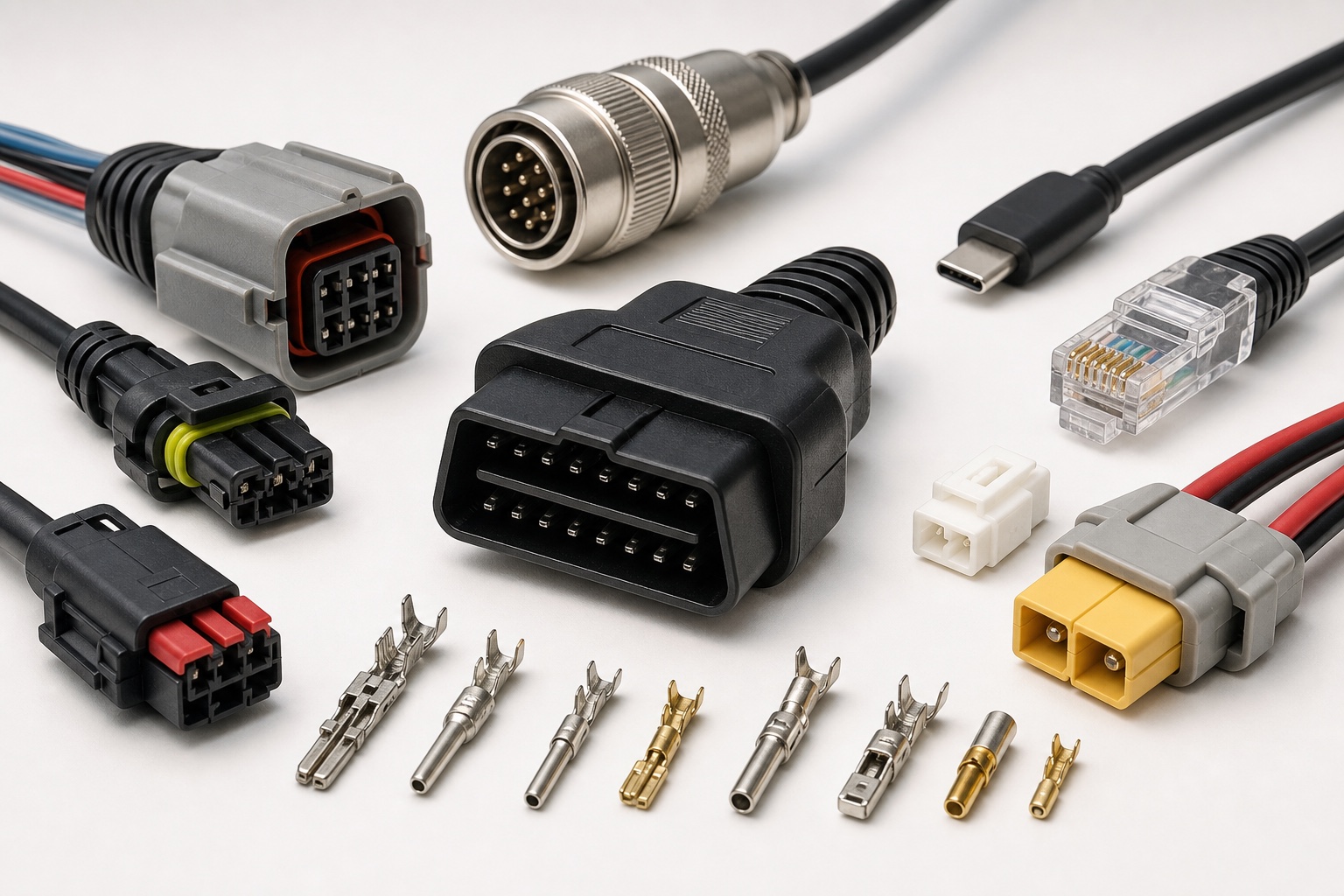
Connector & Terminal
OBD2, Deutsch, DB15, RJ45, Type-C, XT series, Anderson and customer-specified connectors.
A requirements checklist for defining motion, routing and validation conditions before developing a cable or harness for robotic and other repetitive-motion equipment.
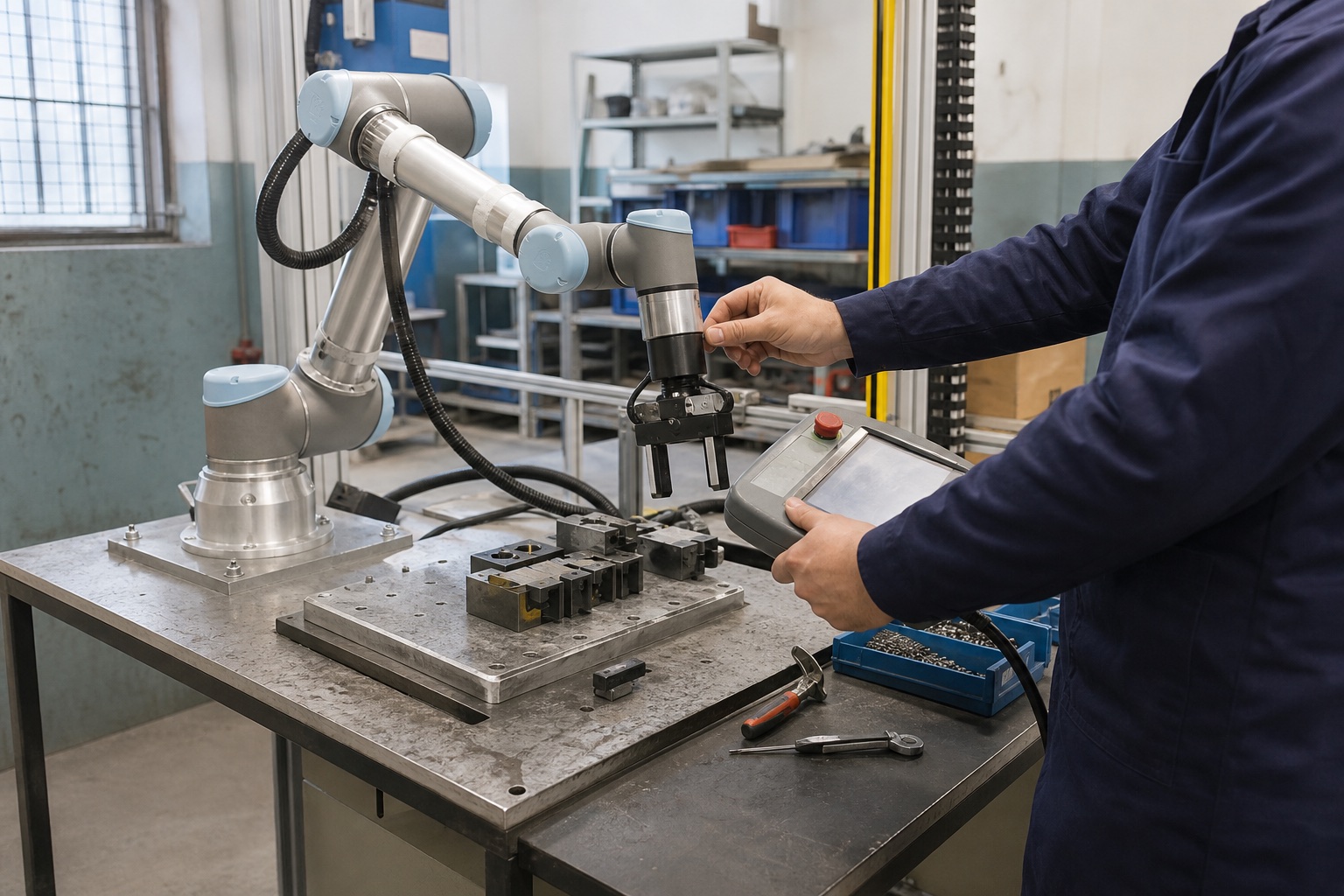
Repeated bending, torsion and acceleration create different loads from a fixed installation. Travel distance, bend radius, cycle rate, torsion angle, speed, acceleration, cable-chain use, unsupported span and environmental exposure should be documented first.
OBD2, Deutsch, DB15, RJ45, Type-C, XT series, Anderson and customer-specified connectors.
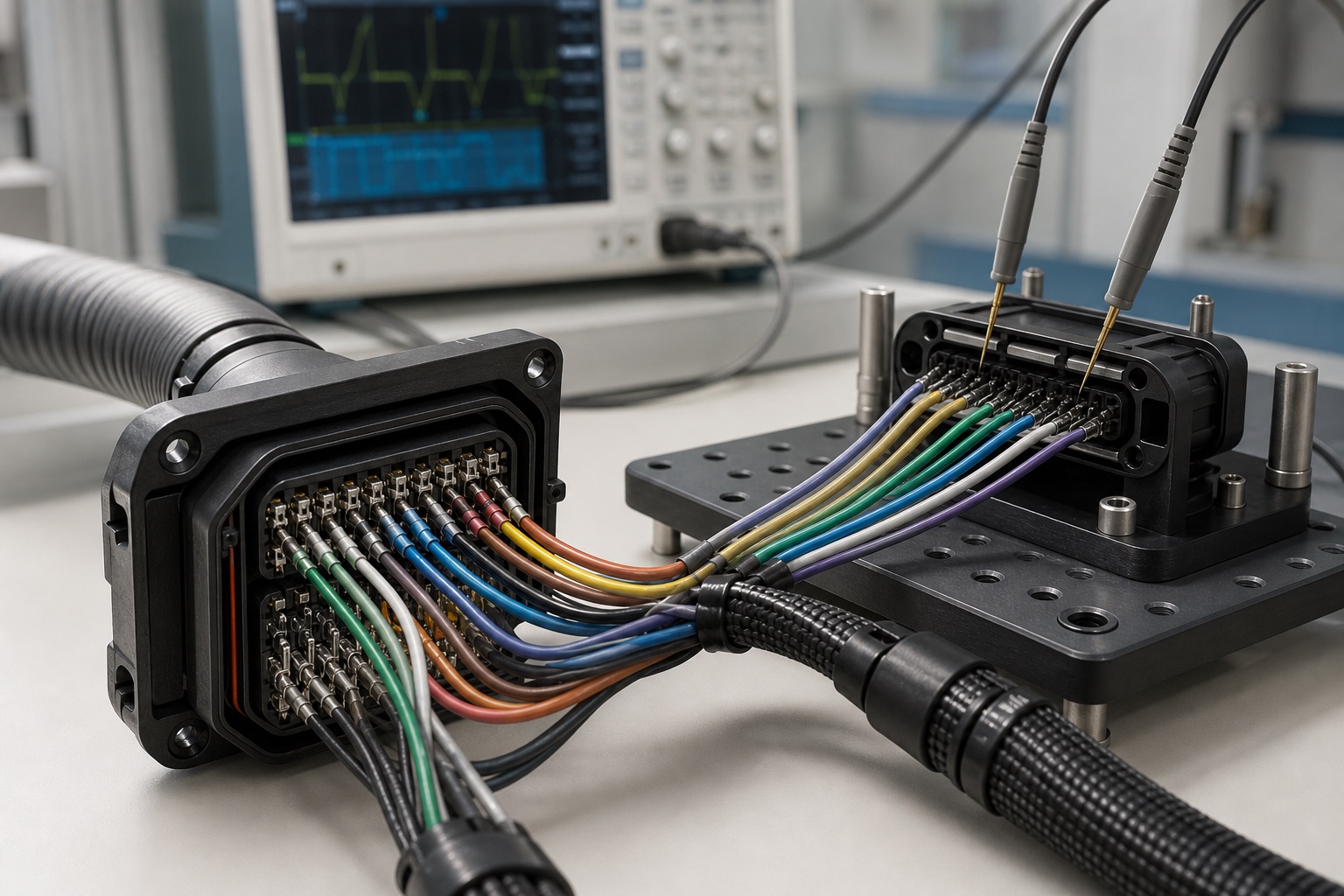
Built according to pin definition, diagnostic protocol and equipment interface requirements.
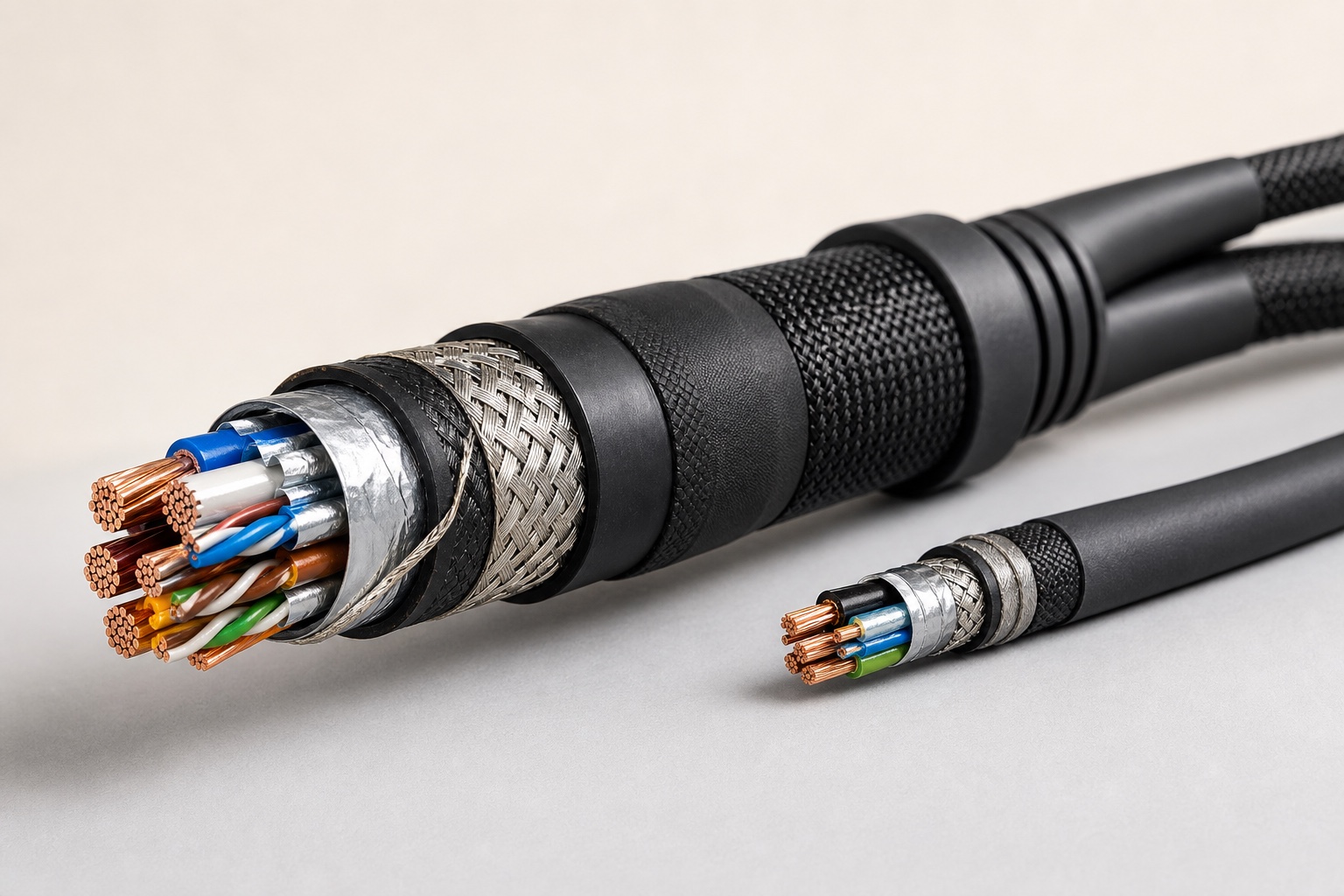
Length, wire gauge, core count, shielding, jacket material and branching can all be adjusted.
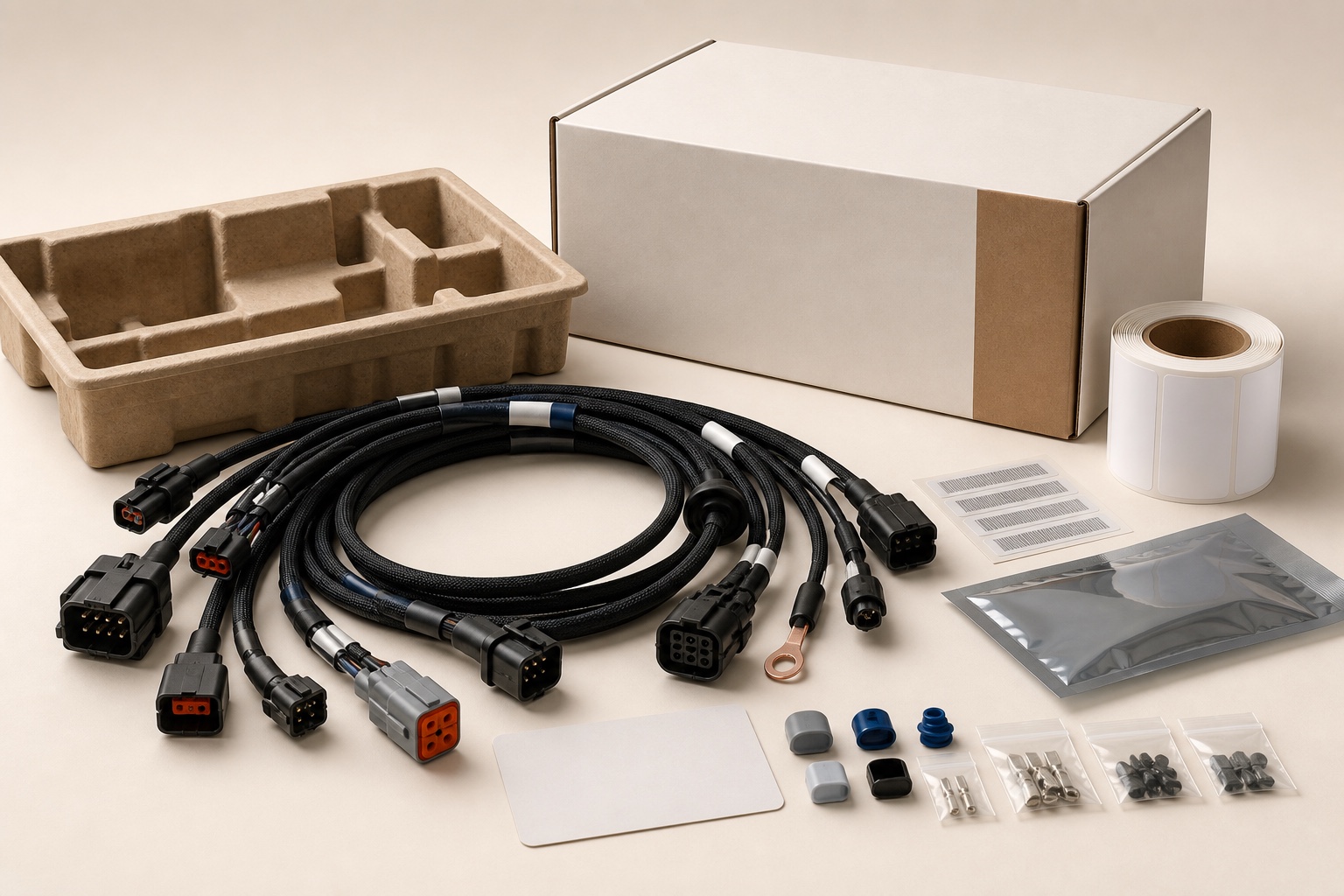
Neutral packaging, buyer labels, model stickers, barcodes and instruction sheets.
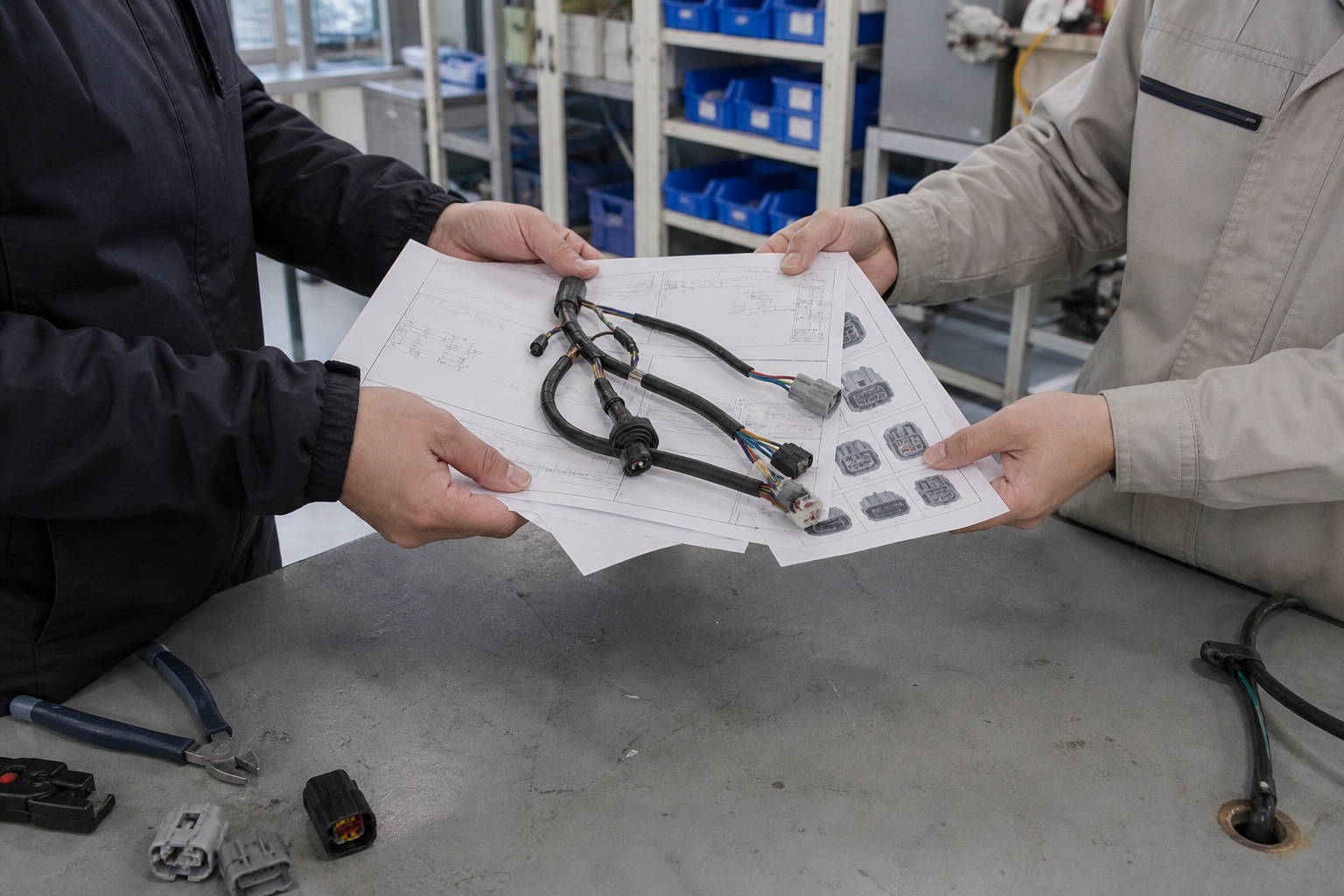
Drawing, sample, connector photos, pinout or target device model.
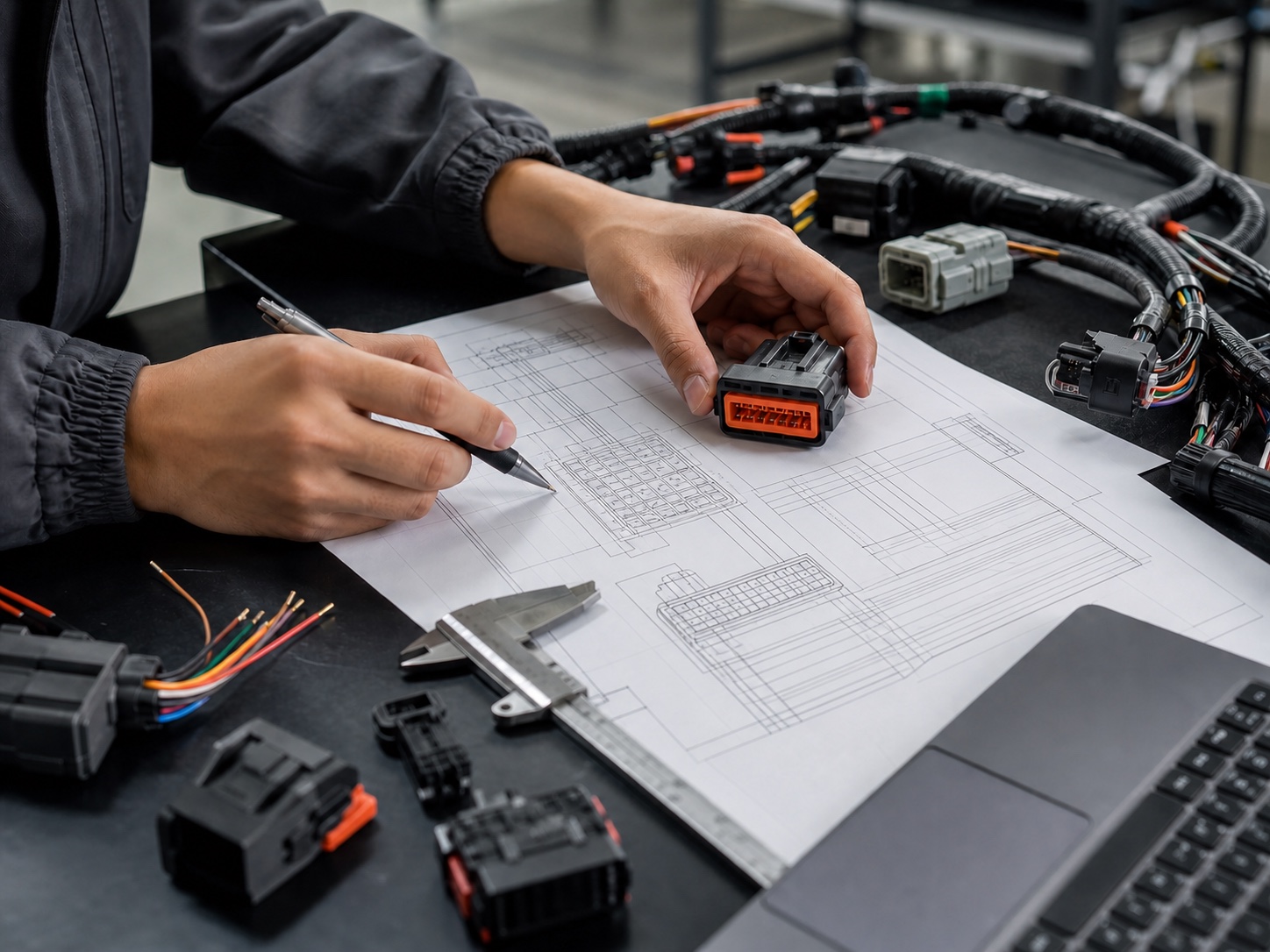
Confirm connector type, wiring route, material spec and feasibility.
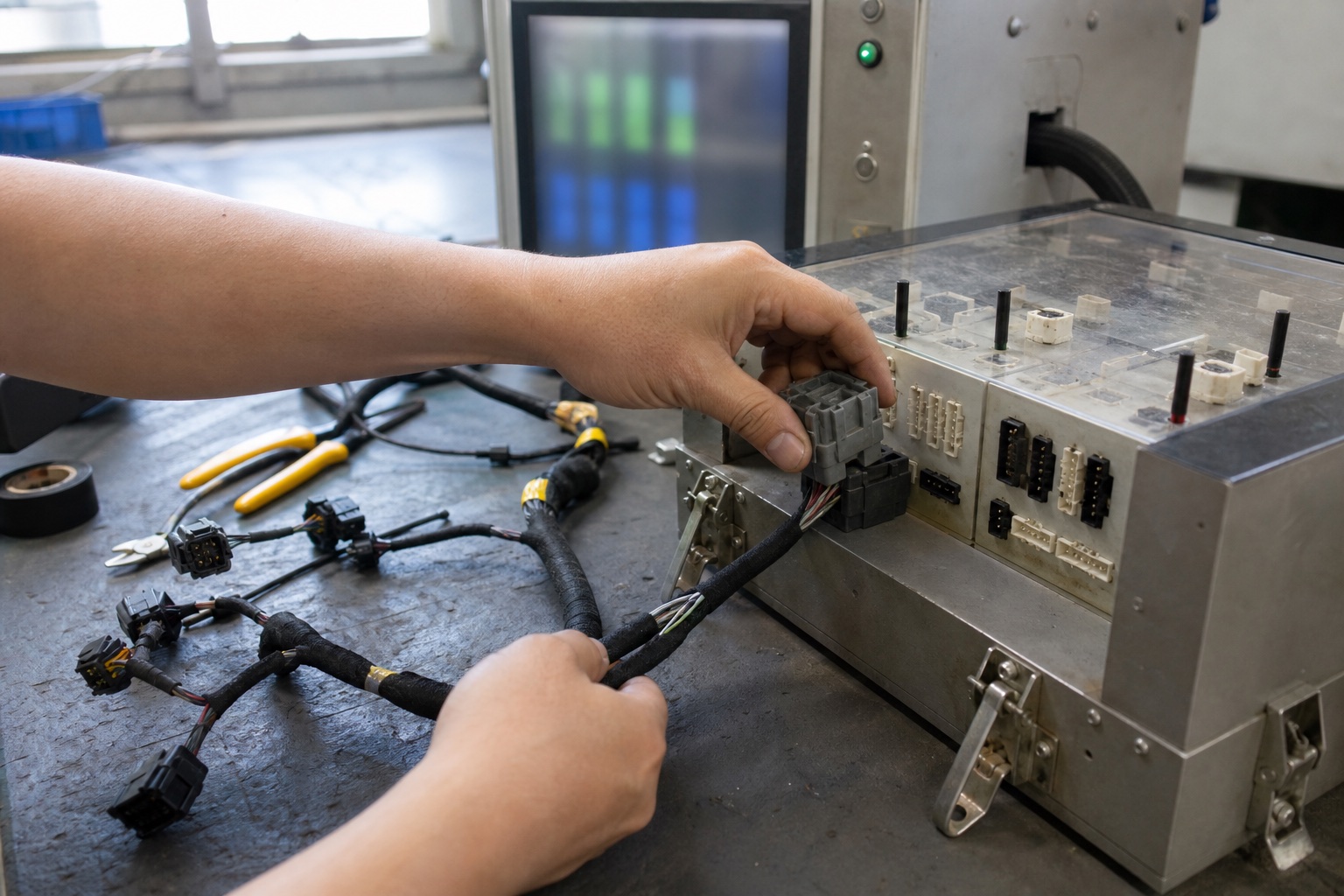
Sample made for fit, continuity and function testing.
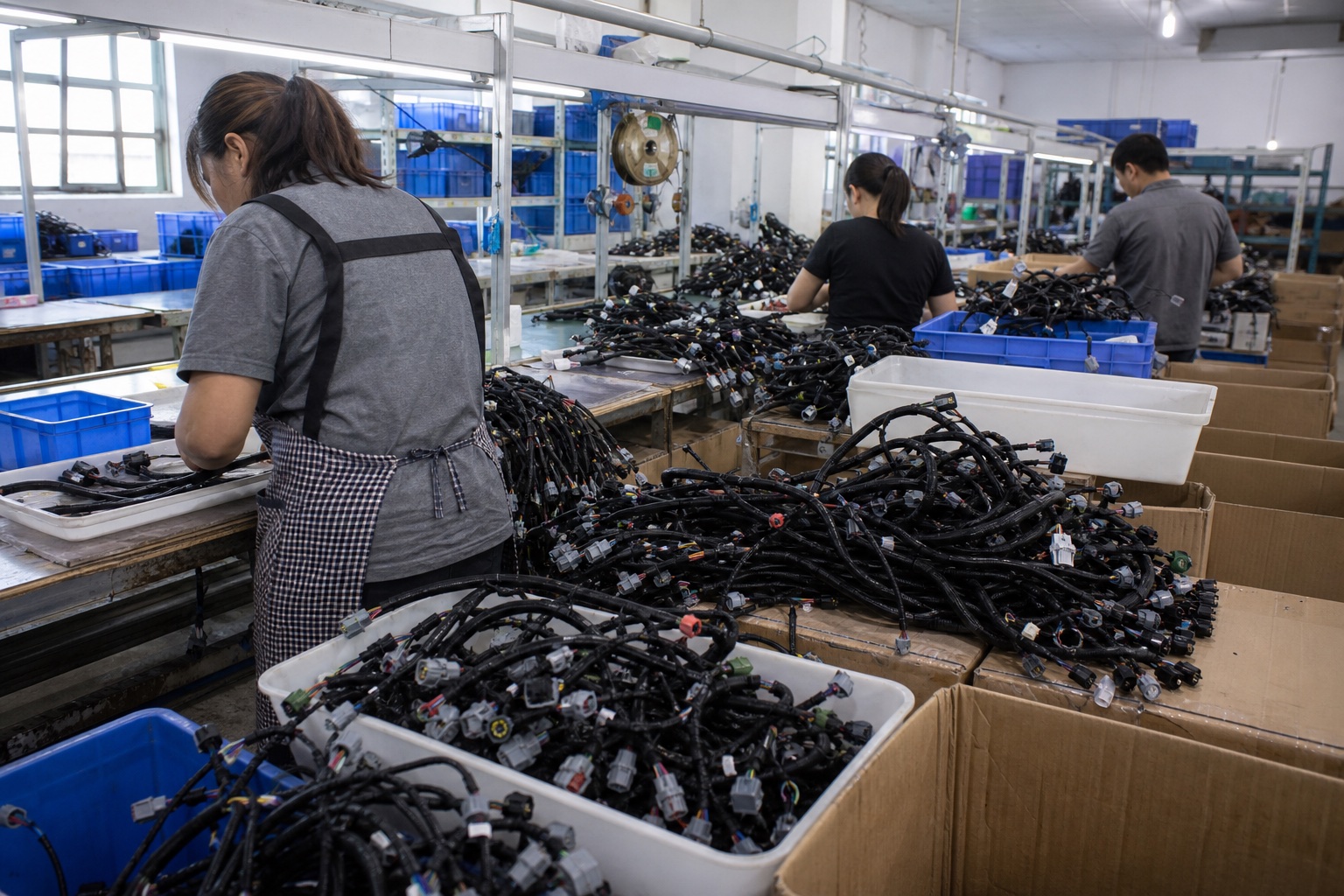
Mass production after approval, batch inspection before shipment.
A cable described as flexible does not automatically have a verified service life in every robot. The complete assembly, routing, connectors, strain relief and representative motion profile need an agreed validation method and acceptance point.
Axes, travel, speed, acceleration and cycle rate recorded
Minimum bend radius, torsion angle and routing constraints defined
Connector retention, strain relief and moving interfaces documented
Representative cycle test method and failure criteria agreed
A robotic harness may experience repeated bending, torsion, acceleration and connector movement. Its construction and routing therefore need to be reviewed against the real motion profile.
No. Every selected cable and assembly has routing limits. Bending below the verified minimum can increase conductor, shield or jacket fatigue.
Not automatically. Cycle results depend on bend radius, travel, speed, acceleration, torsion, temperature, cable-chain conditions, terminations and the test method.
Provide motion axes, travel, cycle rate, speed, acceleration, bend and torsion limits, routing, connectors, pin map, electrical load, environment and target validation.
No. It is a technical requirements guide. Product capability and life validation must be reviewed and demonstrated for each project before a supply claim is made.
Send the equipment layout, motion path, cycle target, bend and torsion limits, connector and pin data, electrical loads, environment and an existing sample. Feasibility must be reviewed before any service-life commitment.
ContactCustom wire harness manufacturing from our China factory, with OEM/ODM project support.
A sample, clear connector photos or a description of the equipment and required quantity is enough to start a review.
When available, include drawings and BOM, connector and mating part numbers, pinout, wire length and gauge, branch layout, quantity and required tests. Materials, inspection scope and delivery are confirmed for each project.